Swallowed, But Not Digested
In August 1939, two of history's most brutal dictators made a secret deal. The Molotov–Ribbentrop Pact, signed by Nazi Germany and the Soviet Union, divided Eastern Europe between them like a meal shared between wolves. Estonia, Latvia, and Lithuania fell into Stalin's portion. By 1940, Soviet troops occupied all three countries. Their governments were dismantled, their flags banned, and tens of thousands of their citizens were deported to Siberia — families loaded onto cattle cars in a single night, often never to return.
The world largely looked away. Western powers never formally recognized the annexation as legal, but that recognition meant little to the people living under Soviet rule. For five decades, Baltic identity was systematically suppressed. Russian speakers were moved in. Local languages were pushed to the margins. History was rewritten.
But identity, it turns out, is extraordinarily difficult to kill.
The Power of a Song
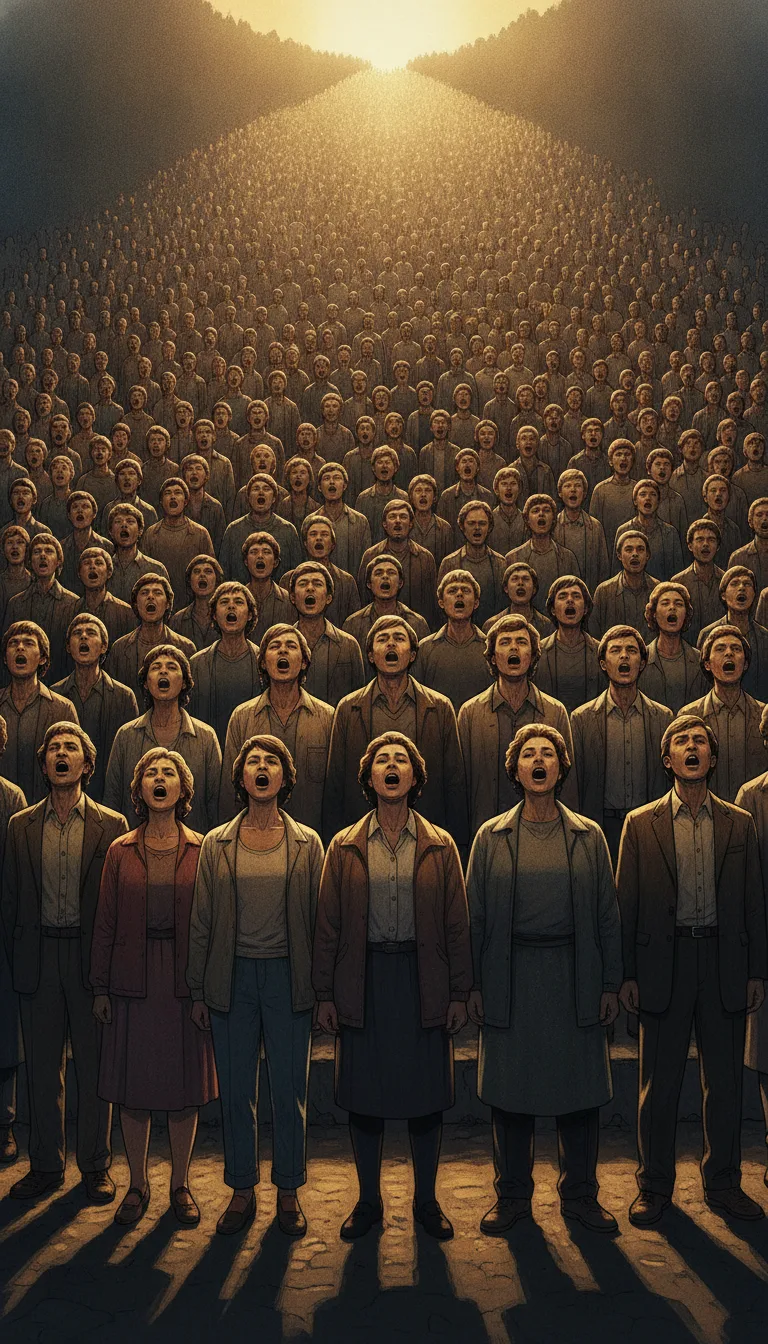
Baltic cultures had always carried their history in music. Estonia alone had collected over 100,000 folk songs by the 20th century. Singing was not entertainment — it was memory, resistance, and identity woven into melody.
When Soviet leader Mikhail Gorbachev introduced glasnost (openness) and perestroika (restructuring) in the mid-1980s, a small crack appeared in the wall. Baltic activists carefully, courageously, pushed through it. In 1987, spontaneous outdoor gatherings began — nominally cultural events, folk festivals, choral performances. But when Estonians gathered at the Tallinn Song Festival Grounds in 1988 and hundreds of thousands sang forbidden national songs together, holding banned flags, something shifted permanently. Witnesses described it as electric — the feeling that a people had collectively decided they were no longer afraid.
Activists across all three republics coordinated remarkably well. Popular Front movements emerged simultaneously in Estonia, Latvia, and Lithuania, demanding first autonomy, then full independence. These were not fringe groups. They drew millions of ordinary people — teachers, farmers, engineers, grandmothers — who had simply decided that enough was enough.
Two Million Hands
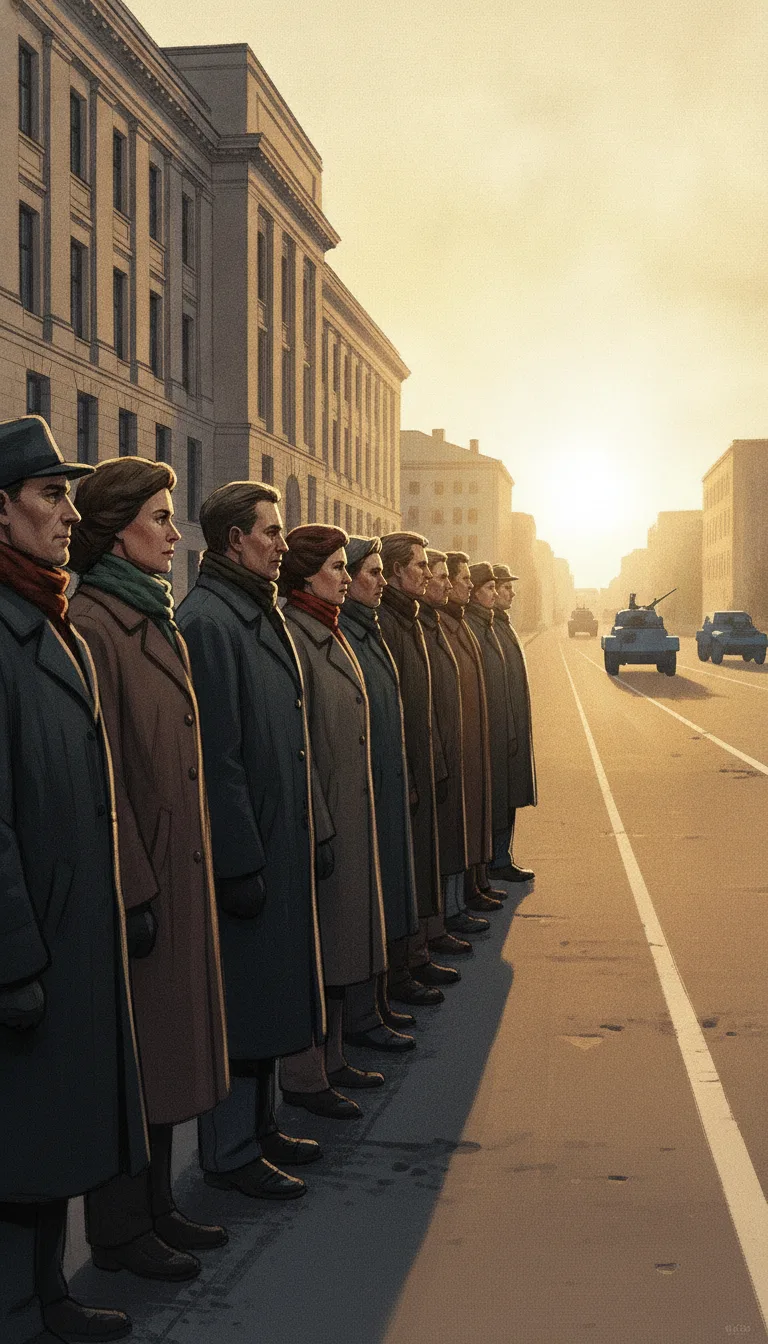
The date August 23, 1989 was chosen deliberately. It was the 50th anniversary of the Molotov–Ribbentrop Pact — the very agreement that had sealed their fate. On that evening, approximately two million people formed an unbroken human chain stretching 675 kilometers across all three countries, from Tallinn in Estonia through Riga in Latvia down to Vilnius in Lithuania.
The Baltic Way, as it became known, was meticulously organized. Participants received instructions on where to stand, when to join hands, and how long to hold the chain. At 7 p.m. local time, the chain connected. For fifteen minutes, two million people stood in silence or sang softly, hands linked, forming a living argument visible from space and broadcast around the world.
Moscow called it "nationalist hysteria" and threatened severe consequences. The Baltic governments did not flinch.
The Final Stretch
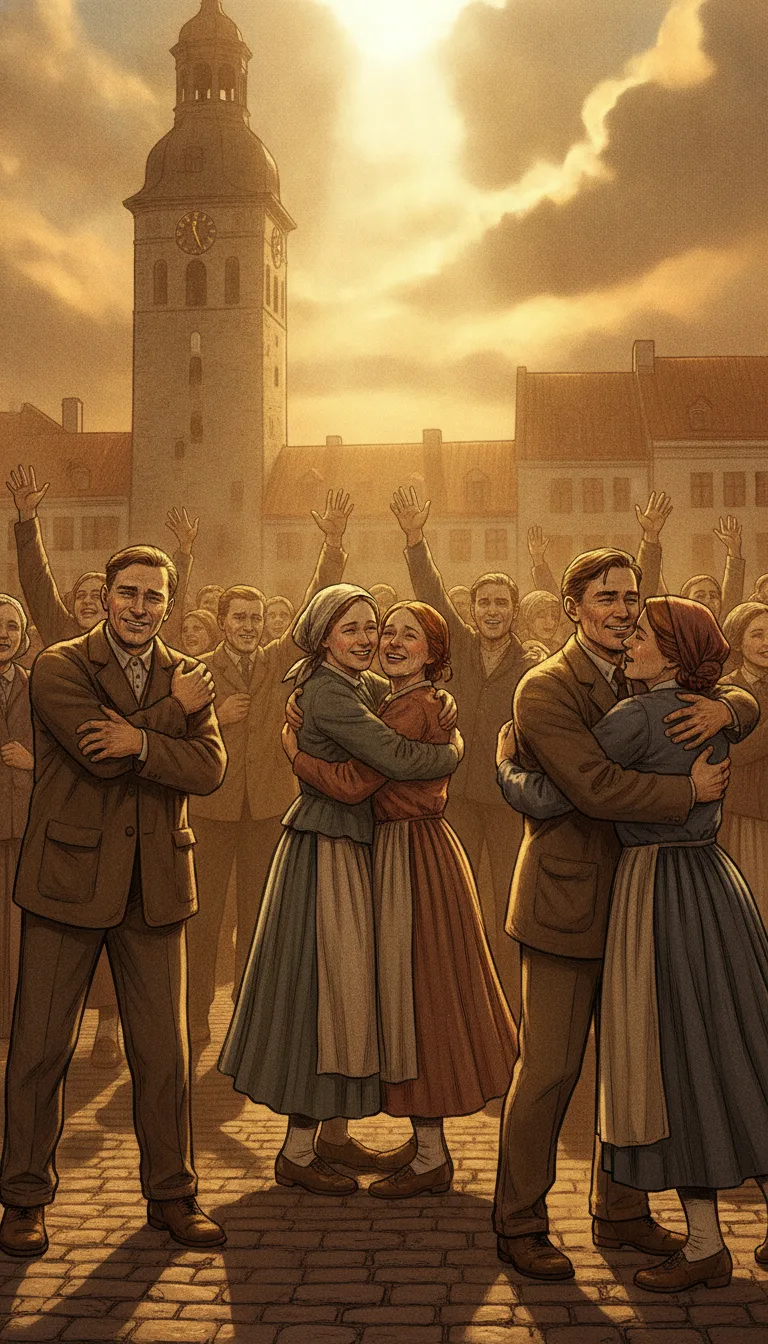
Lithuania declared independence in March 1990 — the first Soviet republic to do so. Moscow responded with an economic blockade and, in January 1991, sent troops to seize key buildings in Vilnius. Fourteen unarmed Lithuanian civilians were killed at the Vilnius TV Tower. Rather than crushing the movement, the violence hardened international sympathy and Baltic resolve.
The attempted coup against Gorbachev in Moscow in August 1991 proved to be the final turning point. As hardliners briefly seized power, the Baltic states immediately declared full independence without conditions. The coup collapsed within days, and European nations rushed to recognize all three republics. The United States followed on September 2, 1991. Soviet recognition came on September 6th.
Why This Still Matters
The Singing Revolution stands as one of the most remarkable political achievements of the 20th century — not because it was peaceful by accident, but because the Baltic peoples made a strategic and moral choice to keep it that way, even when provoked with violence.
It demonstrated something that is easy to forget in an era obsessed with military power: that cultural identity, collective memory, and stubborn nonviolent persistence can dismantle empires. Estonia, Latvia, and Lithuania did not win their freedom despite being small. They won it, in part, because they understood exactly who they were — and refused to let anyone make them forget.