A Kingdom That Refused to Disappear
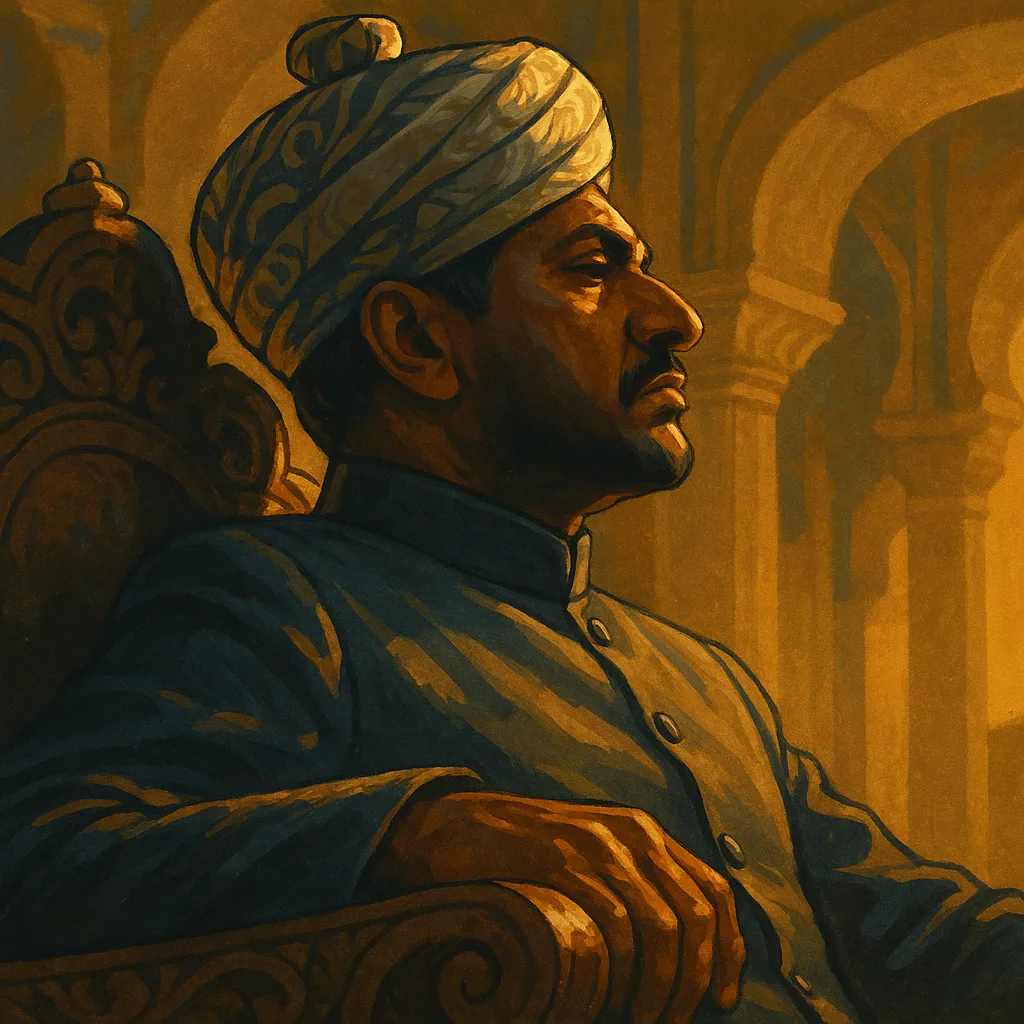
When Britain withdrew from India in August 1947, it left behind a legal puzzle of extraordinary scale. Alongside the two new nations of India and Pakistan, some 565 princely states suddenly had to decide their future. Most rulers signed instruments of accession quickly, drawn by practical reality and gentle pressure from Sardar Vallabhbhai Patel, India's shrewd Deputy Prime Minister and the man personally responsible for integrating these territories. But one ruler held out with remarkable stubbornness: Mir Osman Ali Khan, the seventh Nizam of Hyderabad.
His resistance was not entirely irrational. Hyderabad was no ordinary principality. Stretching across what is today the states of Telangana, Karnataka, and Maharashtra, it covered roughly 83,000 square miles — larger than France and genuinely larger than Britain. Its population of 17 million people rivalled entire European nations. The Nizam himself was considered the wealthiest individual on Earth at the time, a man whose personal fortune included a 185-carat diamond used casually as a paperweight. For 400 years, his dynasty had governed this territory with a degree of autonomy that felt, to him, like sovereignty. He saw no obvious reason to surrender it.
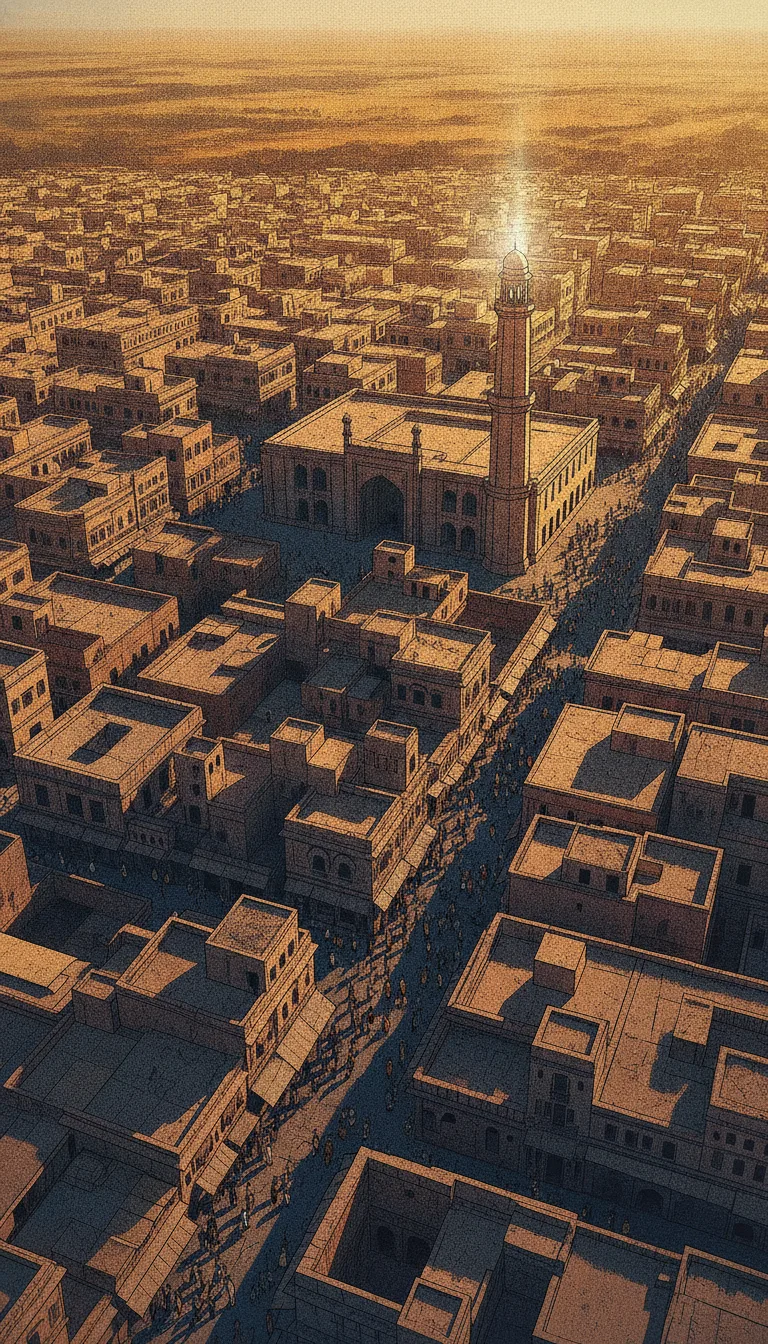
The Standoff and the Secret Arming
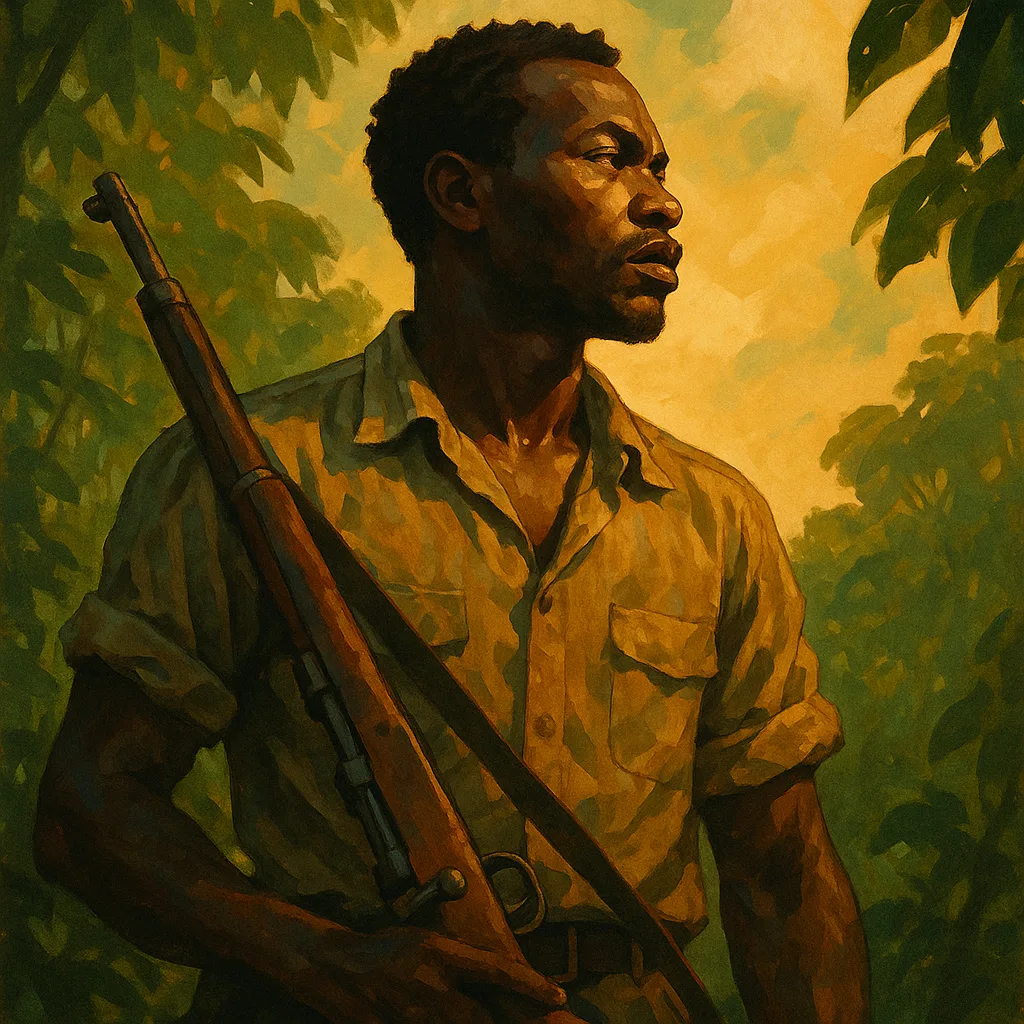
Between 1947 and 1948, the Nizam pursued a careful strategy. He appealed to the United Nations, hoping international recognition might protect his independence. He opened negotiations with India while simultaneously refusing to sign the accession document. And critically, he began importing weapons. His irregular militia, called the Razakars and led by the radical leader Qasim Razvi, grew increasingly violent, terrorizing Hyderabad's Hindu majority population — which comprised roughly 85 percent of the state — and attacking villages near the Indian border.
This paramilitary force was central to the crisis. The Razakars were not a professional army; they were armed irregulars motivated by religious and political extremism. Their violence created genuine humanitarian suffering inside Hyderabad and gave India a powerful moral argument for intervention. Patel, never a patient man, grew increasingly convinced that diplomacy had run its course. Prime Minister Nehru was more cautious, concerned about India's international reputation, but eventually agreed. The military option was set in motion.
Five Days in September
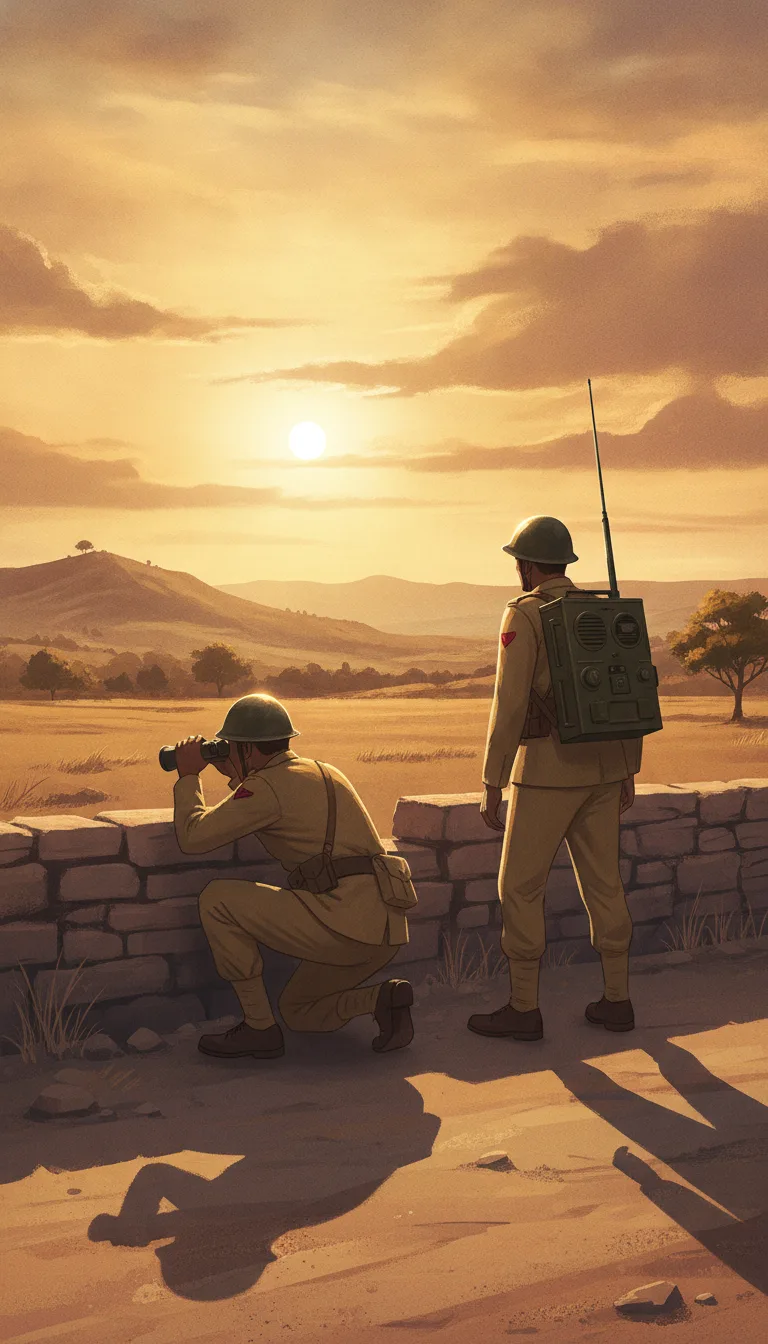
Operation Polo began on September 13, 1948. The Indian Army entered Hyderabad from multiple directions simultaneously — a coordinated assault designed to overwhelm rather than negotiate. The name "Polo" was reportedly chosen to mislead, disguising the operation behind an innocent sporting reference.
The Nizam's military, though not insignificant on paper, collapsed with startling speed. The regular Hyderabad State Forces were outmatched, and the Razakars, despite their brutality toward civilians, were no match for a professional army. Within five days, resistance had crumbled entirely. On September 17, 1948, the Nizam signed a ceasefire and accepted Indian authority. Operation Polo became one of the fastest military integrations of a major territory in modern history.
What followed the ceasefire, however, was darker. A commission led by Pandit Sunderlal investigated violence that occurred in the aftermath of the operation. Its report, suppressed by the Indian government for decades and only confirmed through later scholarship, documented serious atrocities committed against Muslims in the region by Indian soldiers and Hindu mobs — a reminder that the "liberation" of Hyderabad carried human costs that official narratives long preferred to omit.
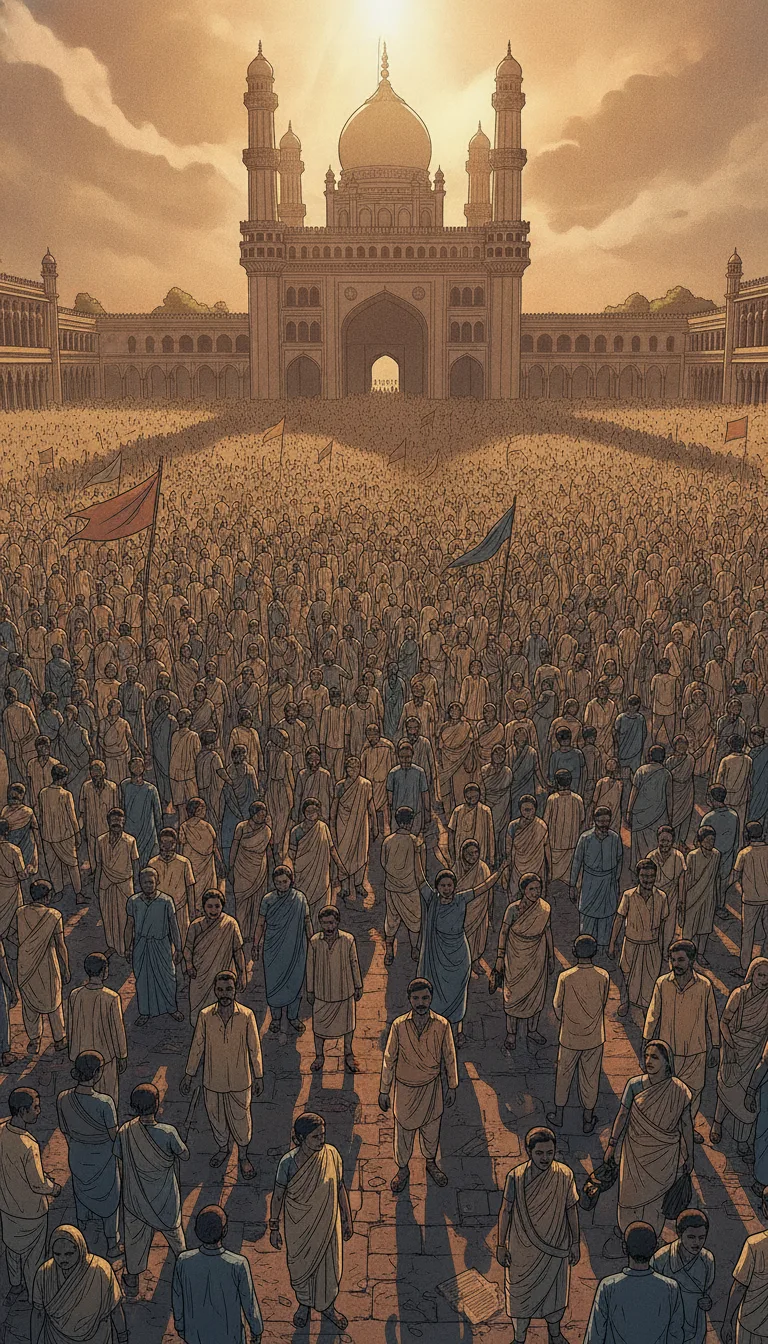
Why This Moment Still Resonates
The fall of Hyderabad was more than a military footnote. It established a precedent: India's territorial integrity would be enforced by force if necessary. The same logic would later shape conflicts over Kashmir, and still echoes in debates about sovereignty across South Asia today.
The Nizam himself lived out his remaining years in Hyderabad under restricted autonomy, dying in 1967. His dynasty's immense wealth became entangled in legal disputes that stretched across continents for decades — a legal case involving funds held in a British bank was only finally resolved in 2019.
Hyderabad's story compresses enormous historical tensions into five September days: the end of feudal power, the birth of a modern nation-state, and the painful question of what happens to those who find themselves on the wrong side of history's momentum. It is a story about pride, miscalculation, and the irreversible speed at which old worlds can disappear.