A Mountain World Under Pressure
To understand why three Swiss valleys joined hands in 1291, you have to understand what life looked like in the Alps before that moment.
The communities of Uri, Schwyz, and Unterwalden occupied some of the most remote terrain in Central Europe — steep valleys, frozen passes, thin farming land. These were not wealthy places. But they held something valuable: geography. The Gotthard Pass, which cuts through the heart of their territory, had recently become the most important trade and military route connecting northern Europe to Italy. Whoever controlled these mountain corridors held real power.
The Habsburg family had noticed. Originally a noble house from what is now northwestern Switzerland, the Habsburgs were expanding aggressively in the late 13th century, absorbing territories, appointing their own administrators, and replacing older local rights with direct feudal control. For the mountain communities, this was not an abstract political shift — it meant foreign bailiffs collecting taxes, settling local disputes by Habsburg rules, and chipping away at customary freedoms the valleys had held for generations.
Some of these communities had previously secured a degree of imperial protection directly from Holy Roman Emperors, keeping them out of the hands of regional lords. When Emperor Rudolf I — himself a Habsburg — died in 1291, that protection became uncertain. The political moment was fragile and urgent.
The Oath on the Meadow
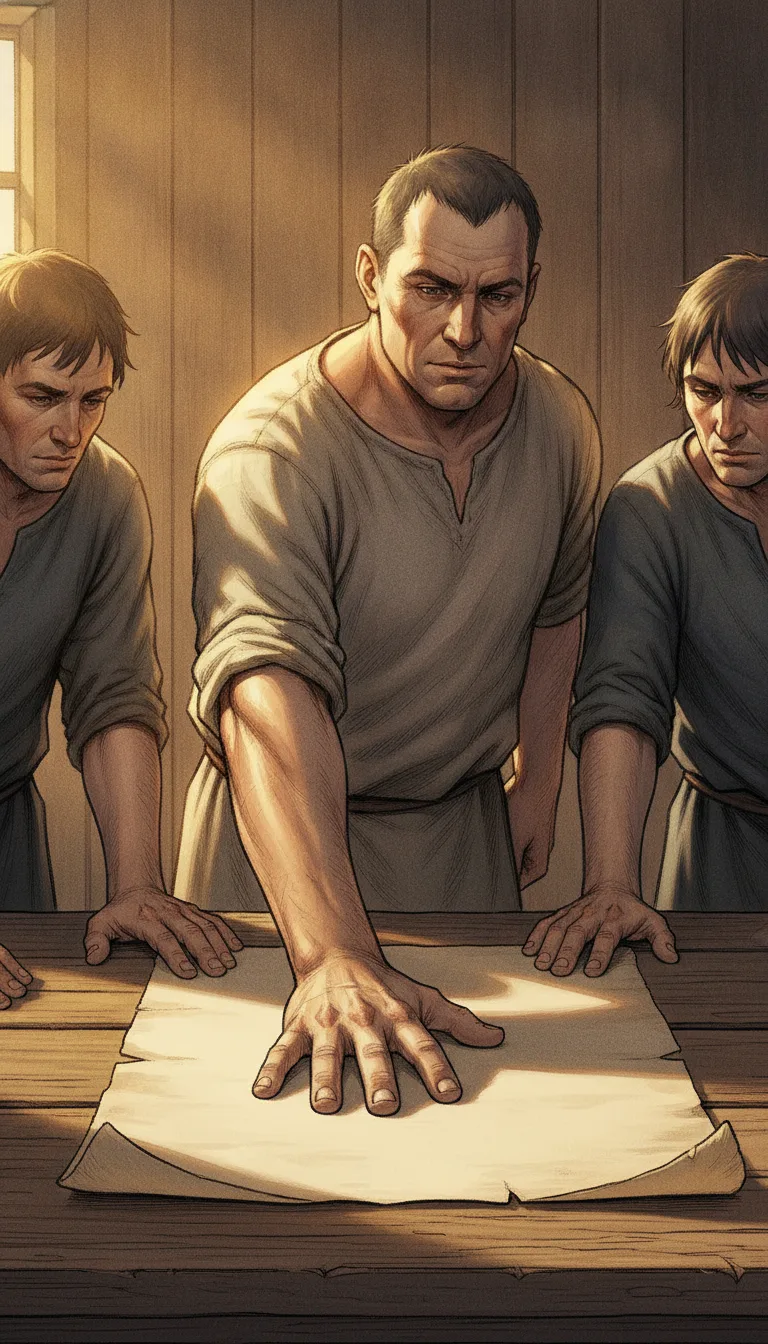
The Federal Charter of August 1291 was not a declaration of independence in the modern sense. It was a mutual defense pact — a sworn agreement among three communities to protect one another from outside interference and to resolve their own disputes internally, without appealing to foreign lords.
The document itself survives. Written in Latin, it is brief and practical rather than grand or idealistic. It speaks of "evil and turbulent times" and commits the signatories to aid one another, refuse external judges imposed on them by force, and maintain peace within their alliance. It is a document written by people managing a real and immediate threat, not philosophers imagining a republic.
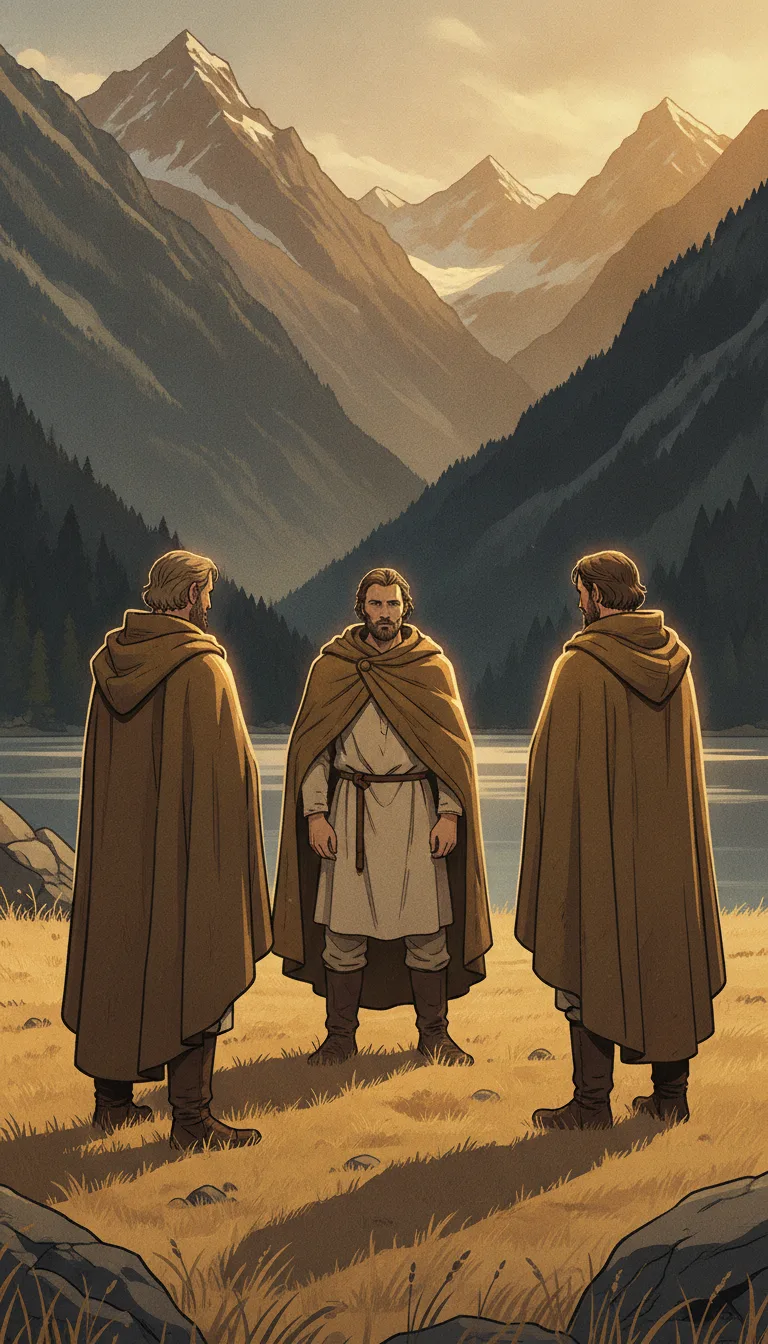
Tradition places the oath at a meadow called Rütli, above Lake Lucerne — a setting so beautiful that it later became a powerful symbol of Swiss national identity. Whether the signing ceremony actually happened there remains historically uncertain, but the meadow has carried the story ever since.
The Battle That Proved It
Words on parchment mean little without enforcement. The test came in 1315 at the Battle of Morgarten.
Duke Leopold I of Habsburg moved against the Swiss confederates with a substantial force of mounted knights — the heavy cavalry that dominated European warfare at the time. The tactical assumption was straightforward: armored knights on horseback would overwhelm mountain peasants.
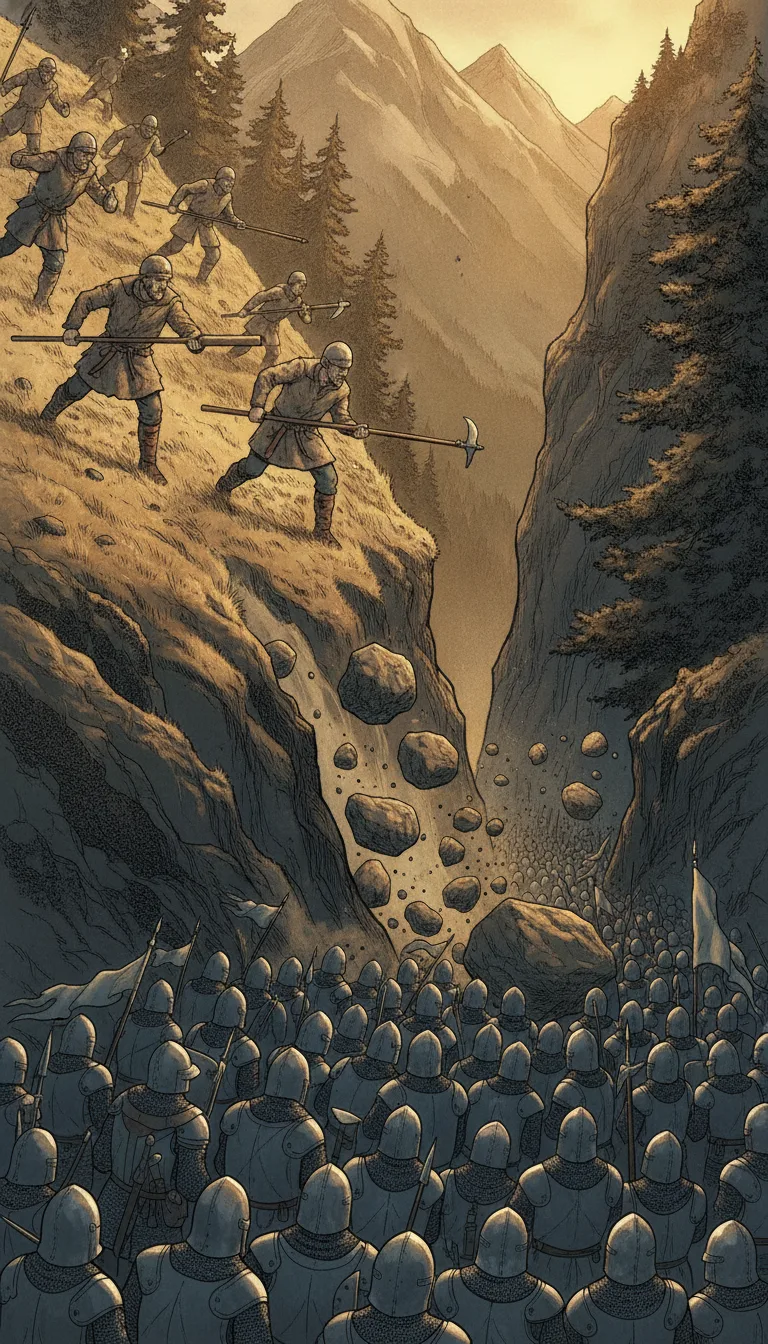
The Swiss did not meet them on flat ground where that logic would have held. Instead, they used the landscape they knew intimately. At a narrow pass near Lake Ägeri, confederate fighters positioned themselves on the slopes above the road and waited. When the Habsburg column entered the defile, the Swiss rolled boulders and logs down onto the tightly packed soldiers below, then descended with halberds — long pole weapons capable of pulling riders from horses or piercing armor.
The knights, unable to maneuver, unable to retreat quickly, and unable to use their cavalry advantage, collapsed into chaos. The defeat was complete and psychologically devastating. A fighting force assembled to end the Swiss experiment had instead proved its viability.

Why This Particular Story Endures
Switzerland in the 14th century was far from the peaceful, neutral, prosperous country it later became. The decades after Morgarten brought more wars, more expansion of the confederacy, and plenty of internal tension between the member communities.
But the 1291 charter established something genuinely unusual for its era: a political arrangement based on collective agreement rather than dynastic inheritance or conquest. New members joined the confederacy over the following century through negotiation and pact, not submission.
That pattern — deliberate, consensus-based, deeply suspicious of centralized authority — shaped Swiss political culture in ways still visible today. Switzerland remains one of the few countries in the world where citizens vote directly on major national decisions multiple times each year.
A document written in urgent, practical Latin by mountain farmers defending their valleys somehow pointed toward a model of government that the modern world would spend centuries trying to build.