A Lab No One Would Be Proud Of
Alexander Fleming was many things — a gifted bacteriologist, a decorated veteran of World War One, a man who had watched soldiers die not from bullets but from infected wounds. He was not, by most accounts, a tidy person.
His laboratory at St. Mary's Hospital in London was famously cluttered. Fleming had a habit of leaving cultures sitting around longer than most scientists would tolerate, waiting to see what might happen. Colleagues found it irritating. As it turned out, the world should be grateful for it.
When Fleming left for a family holiday in Suffolk in August 1928, he stacked his petri dishes in a corner rather than cleaning them immediately. A window may have been left open. The exact path is still debated by historians, but somewhere, a spore of Penicillium notatum — a common bread mold — drifted into the lab and landed on a dish growing Staphylococcus bacteria, a microbe responsible for deadly infections in wounds and surgical patients.
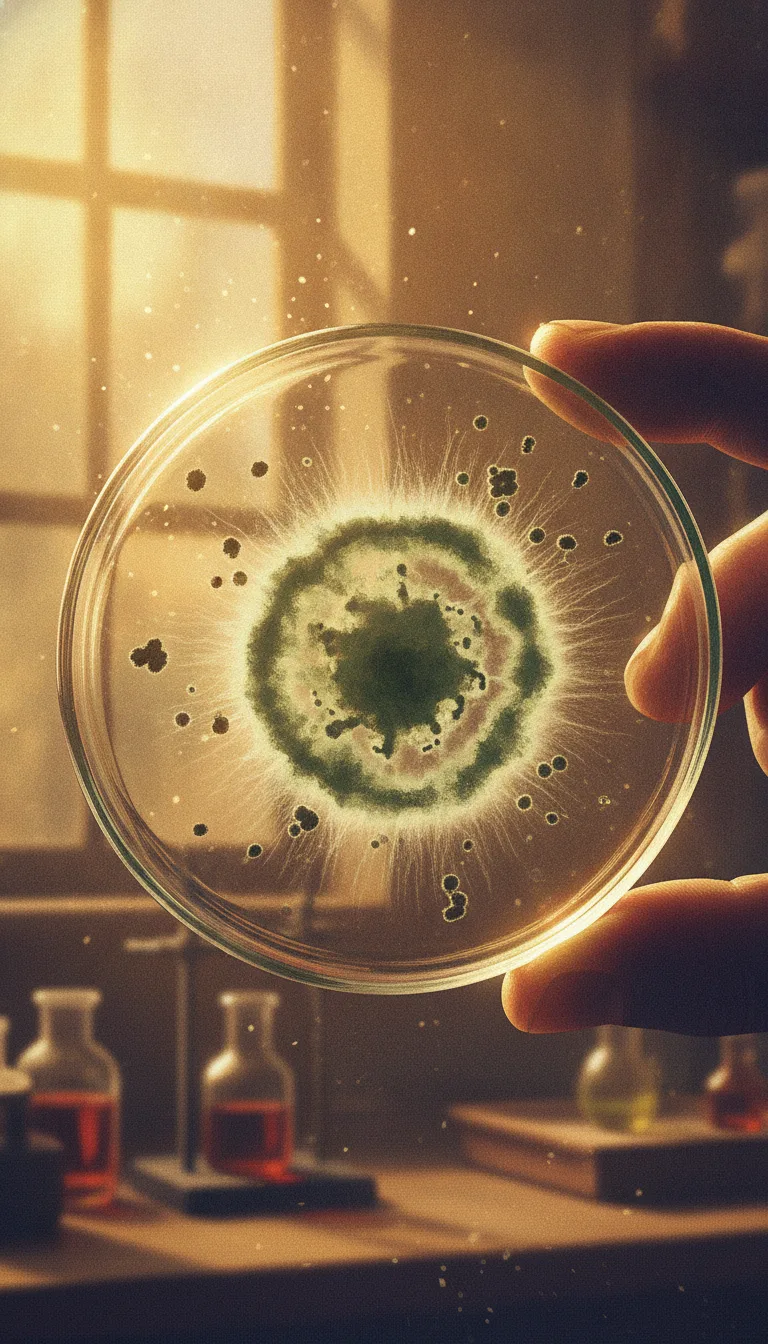
When Fleming returned in early September, most of those dishes were unremarkable. One was not. Around a small colony of mold, there was a clear ring — a zone where the bacteria had simply dissolved. Something the mold was producing was killing them.
The Discovery Almost Nobody Noticed
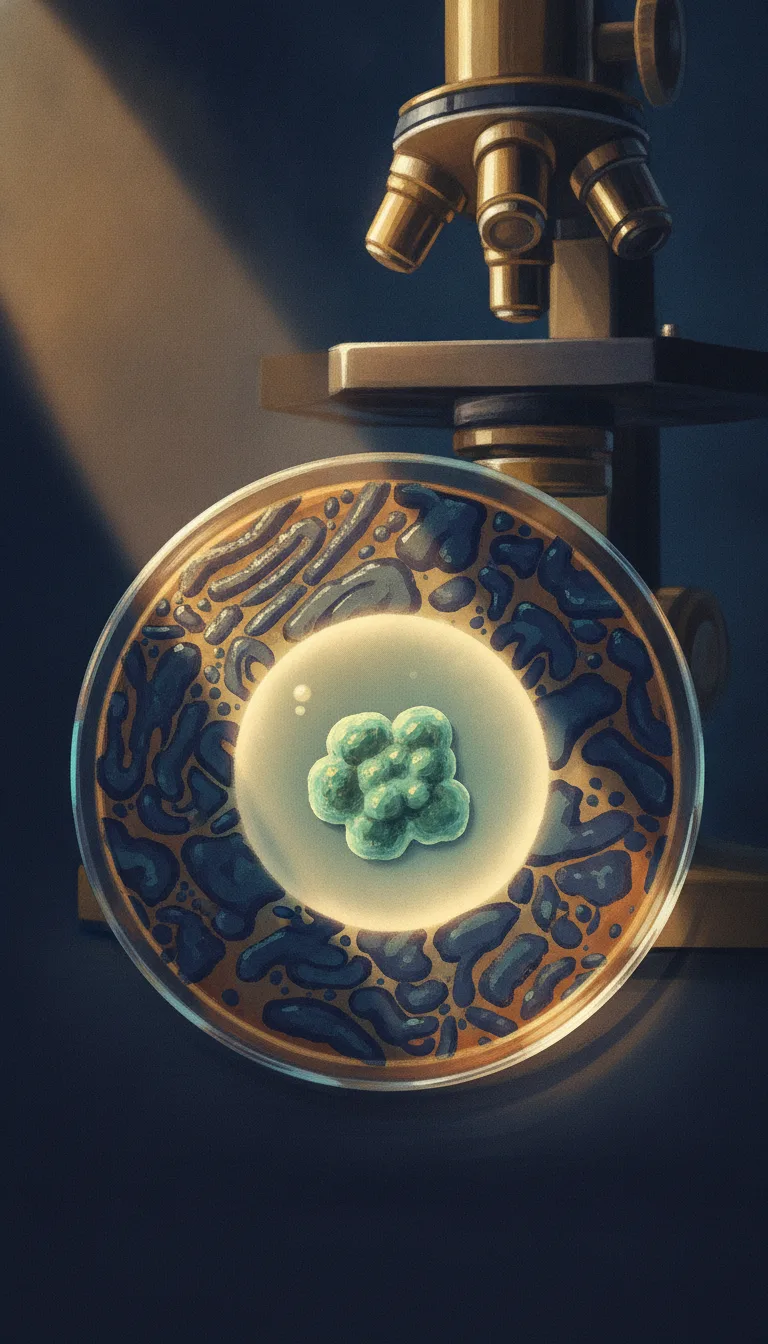
Fleming examined the mold closely, identified it, and conducted a series of experiments. He found that the substance it secreted — which he named penicillin — could kill a remarkable range of harmful bacteria. He published his findings in the British Journal of Experimental Pathology in June 1929.
The scientific community largely ignored it.
This was not as strange as it sounds. The challenge was not identifying that penicillin worked — it was producing a stable, concentrated form of it. Fleming attempted this but lacked the chemistry background to solve the purification problem. Penicillin was chemically unstable, difficult to extract in useful quantities, and seemed to act too slowly in early tests to be considered a practical drug. Fleming moved on to other research, though he kept his mold cultures alive.
For over a decade, penicillin sat in the scientific literature as a curious but impractical footnote.
War Changed Everything
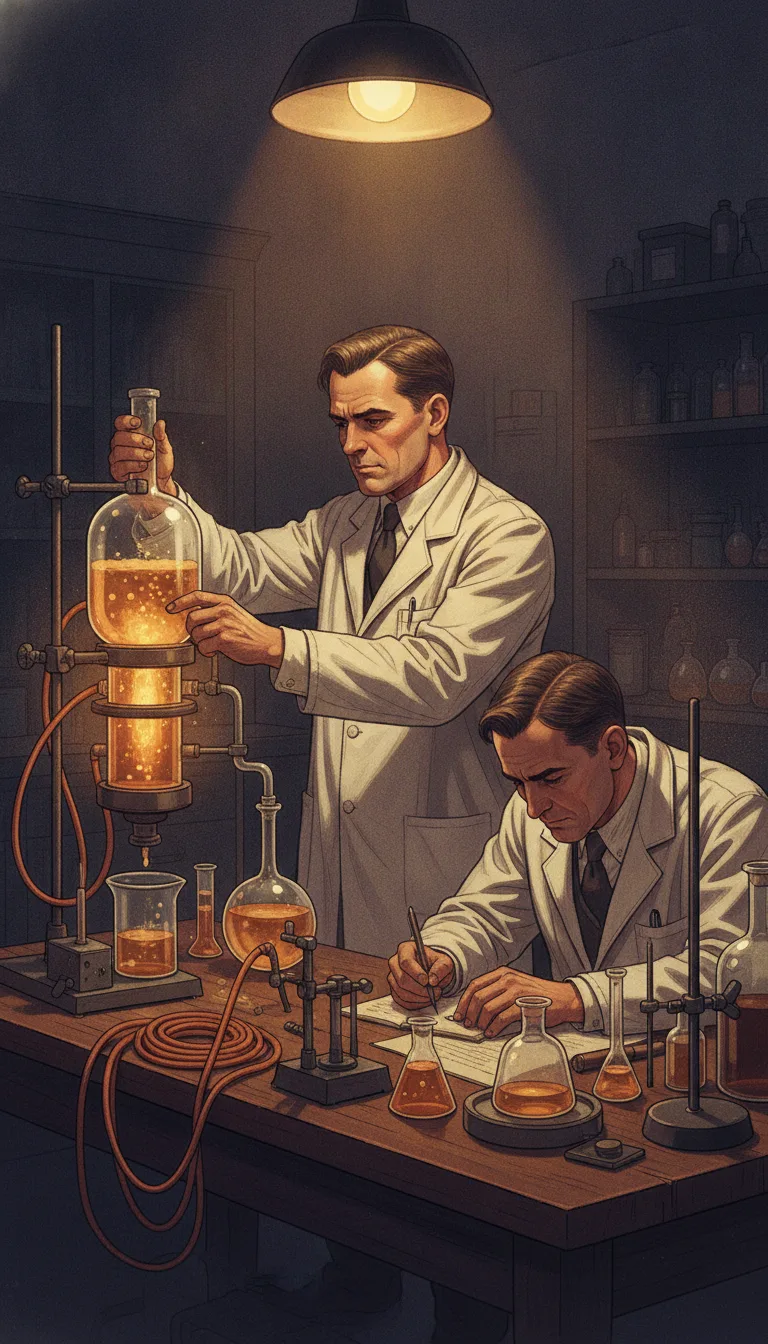
In 1939, with Europe descending into another catastrophic war, two scientists at Oxford University revisited the problem with fresh urgency. Howard Florey, an Australian pharmacologist, and Ernst Boris Chain, a German-Jewish biochemist who had fled Nazi Germany, began working to purify and test penicillin systematically.
By 1940, they had produced enough to test on mice. The results were striking. In 1941, they attempted their first human trial on Albert Alexander, a police constable in Oxford who was dying from a severe infection that had spread from a small scratch to his eyes, face, and lungs. Within 24 hours of receiving penicillin injections, he improved dramatically. The team, desperately short of supply, even recycled the drug from his own urine. When the penicillin ran out, Alexander relapsed and died — but the principle was undeniably proved.
Mass production was the next mountain. Florey flew to the United States to secure industrial support, and American pharmaceutical companies scaled production rapidly. By D-Day in June 1944, there was enough penicillin to treat all Allied casualties. Infection death rates among wounded soldiers fell to historic lows.
Why This Moment Reshaped Human Life
Fleming, Florey, and Chain shared the Nobel Prize in Physiology or Medicine in 1945 — a rare acknowledgment that the discovery and the development were inseparable achievements.
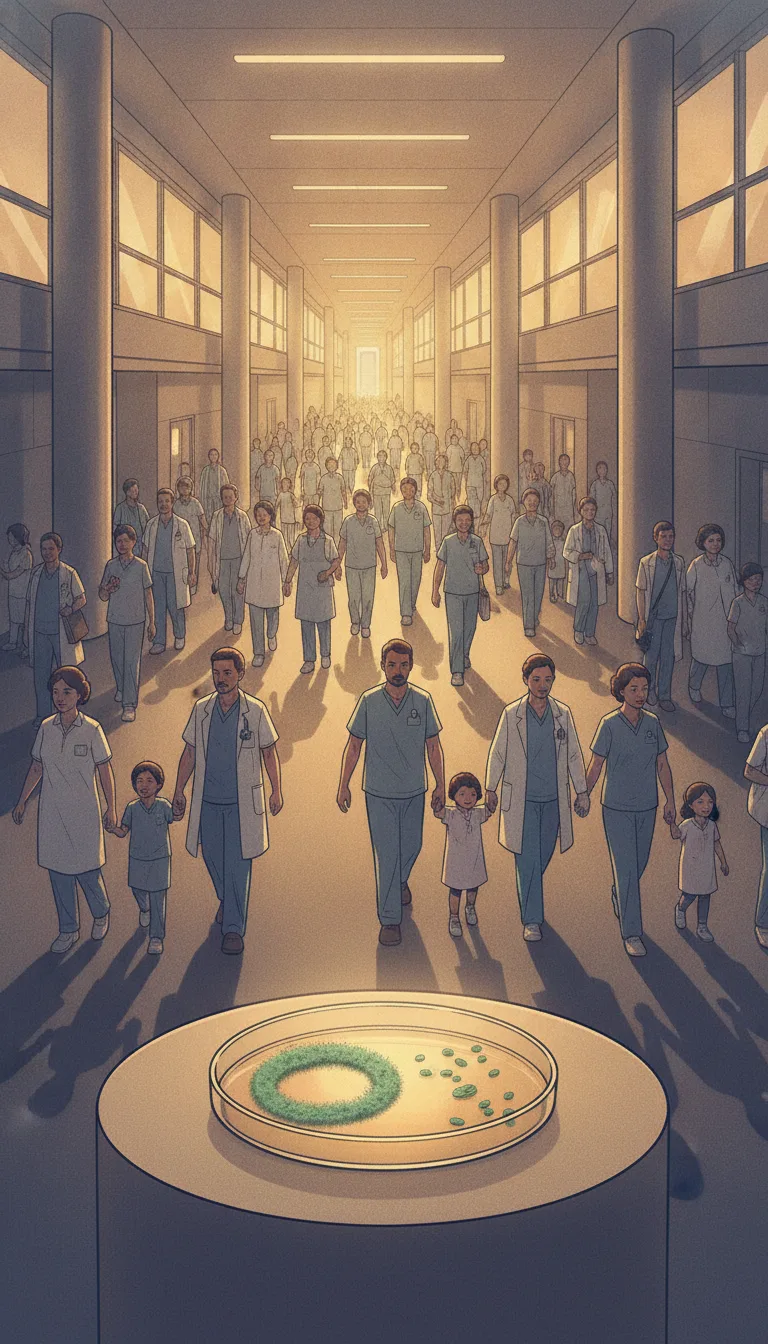
But the significance of penicillin extends far beyond any single war. Before antibiotics, a scratch, a tooth abscess, or a routine childbirth could kill. Hospitals were dangerous places. Surgeons were limited in how much they could risk because post-operative infection was nearly a death sentence for many patients. Penicillin did not just treat disease — it made modern medicine structurally possible.
Today, the story carries a sharp warning as well. Overuse and misuse of antibiotics has driven the rise of resistant bacteria, a growing crisis that researchers now describe as one of the most serious threats to global health in the coming decades.
The mold in Fleming's untidy lab gave humanity an extraordinary gift. Whether we have been wise stewards of it is a question still very much open.