The Woman Behind the Icon
By the summer of 1962, Marilyn Monroe was in a precarious place. She had recently been fired from the unfinished film Something's Got to Give after a series of absences, and her third marriage — to playwright Arthur Miller — had ended in divorce the previous year. The woman the world saw as a radiant, untouchable symbol was privately struggling with depression, dependency on prescription medications, and a deep sense of professional rejection.
What is often lost in the mythology is how hard Monroe was fighting back. She had just completed a triumphant photoshoot for Vogue, negotiated her rehiring to Something's Got to Give, and was planning a comeback. She was 36 years old. She had plans.
Then, on the morning of August 5, 1962, everything stopped.
What the Autopsy Actually Found
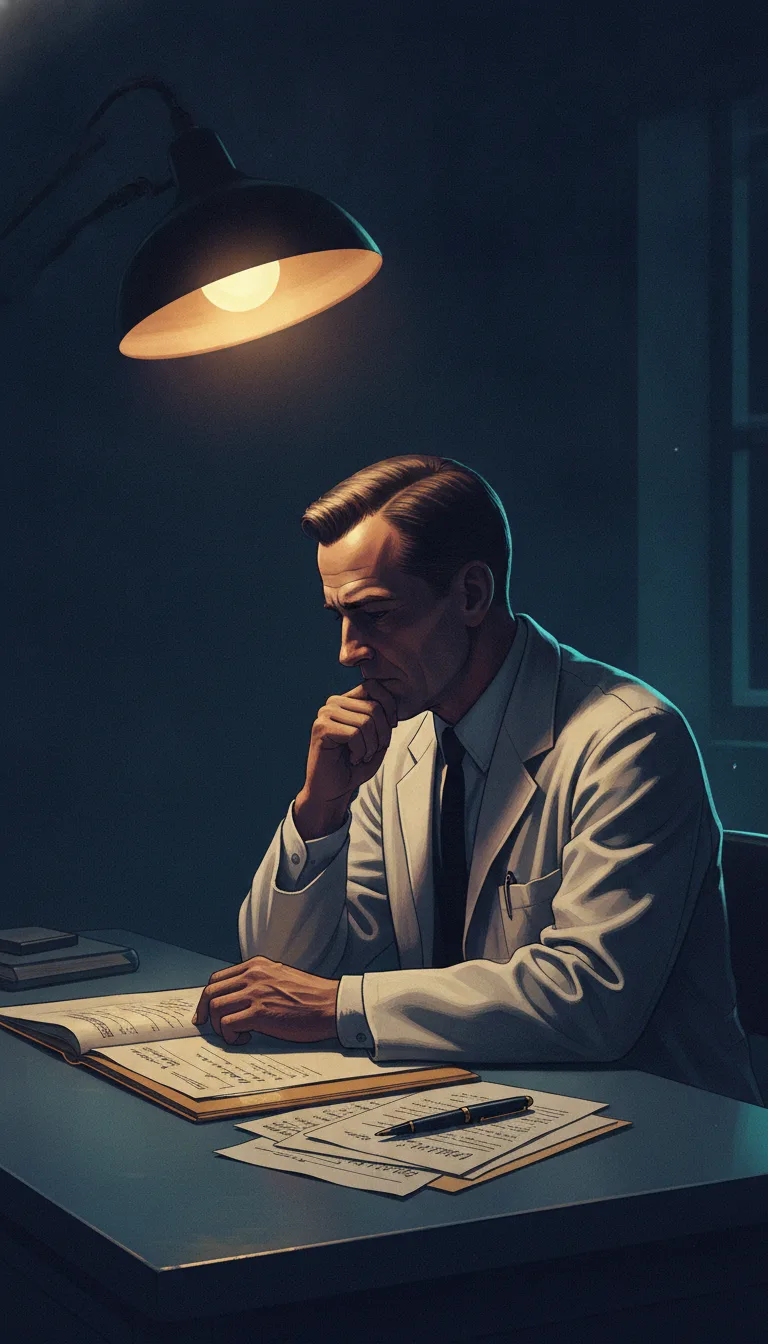
Monroe's death was ruled a "probable suicide" by barbiturate poisoning — specifically chloral hydrate and Nembutal. Coroner Thomas Noguchi, who would later become one of America's most respected forensic pathologists, conducted the examination. His findings were deeply unusual.
The toxicology showed a lethal concentration of drugs in her bloodstream. However, the stomach and intestinal lining showed no significant traces of the pills themselves — no visible residue, no chemical burning that would typically accompany swallowing that volume of medication. For decades, forensic experts and medical professionals have pointed to this discrepancy as significant. If Monroe had swallowed nearly 50 pills orally, the physical evidence should have been consistent with that method.
Noguchi himself later acknowledged that the investigation was incomplete and that additional tissue samples were reportedly lost or destroyed before full analysis. He spent years advocating for a reinvestigation that never came.
The People Around Her Final Hours
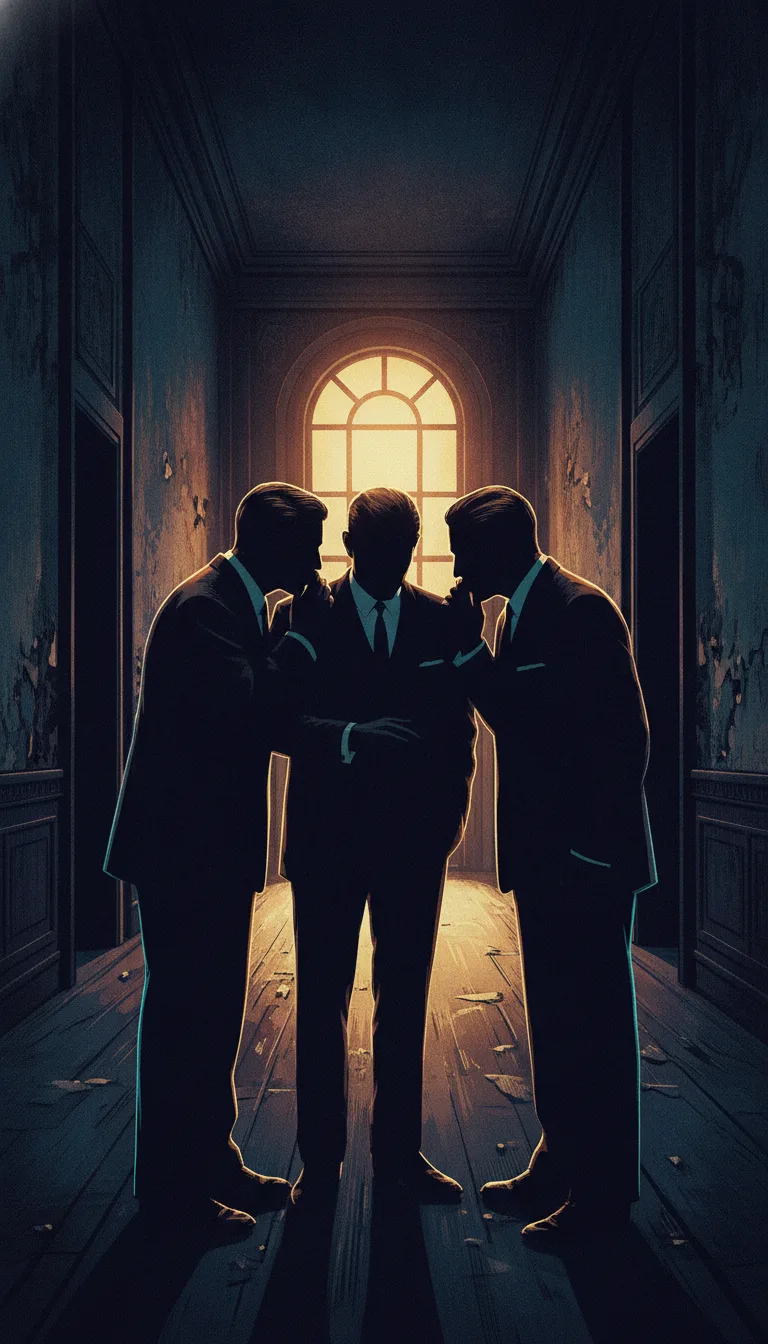
Monroe's connections in her final weeks included some of the most powerful men in America. Her relationships with both President John F. Kennedy and his brother, Attorney General Robert F. Kennedy, were widely known in certain circles, though carefully suppressed in public. Multiple accounts from people close to Monroe suggest that Robert Kennedy visited her in Los Angeles the day she died, though this has never been officially confirmed.
Her telephone records from that evening were never made fully public. Witnesses, including her psychiatrist Dr. Ralph Greenson and housekeeper Eunice Murray, gave accounts that changed significantly over time — including the timeline of when the body was discovered and when authorities were called. Murray, who initially told police she noticed something wrong at midnight, later admitted in a 1985 BBC interview that the hour was "much earlier" than she had stated.
The Los Angeles Police Department's original case files were destroyed, reportedly as part of routine record purging — though the timing, years after mounting public pressure for a review, raised concerns.

Why the Mystery Endured
Part of what makes this case so persistent is not just the gaps in evidence, but the institutional behavior around it. Files were sealed. Testimonies shifted. Powerful people were never formally questioned. In an era before forensic science was as rigorous as it is today, a quick ruling and a closed case was not unusual — especially when the alternative meant investigating the private lives of a sitting president's family.
The House Select Committee on Assassinations briefly considered reopening inquiries into Monroe's death in the late 1970s in connection with its broader investigation into the Kennedys, but ultimately did not pursue it.
Why This Still Matters
Marilyn Monroe's death is not simply a celebrity mystery. It reflects something larger: the way women — particularly famous, complicated, inconvenient women — were handled by institutions that preferred silence over scrutiny. Her mental health struggles were used to quickly explain away questions. Her connections to powerful men were treated as gossip rather than relevant context.
Forensic science, journalism, and public standards of accountability have all changed dramatically since 1962. Whether Monroe's death was a suicide, an accidental overdose, or something more sinister, what is clear is that the investigation was inadequate by any reasonable standard.
She deserved better answers. So does history.