A City That Should Not Have Survived
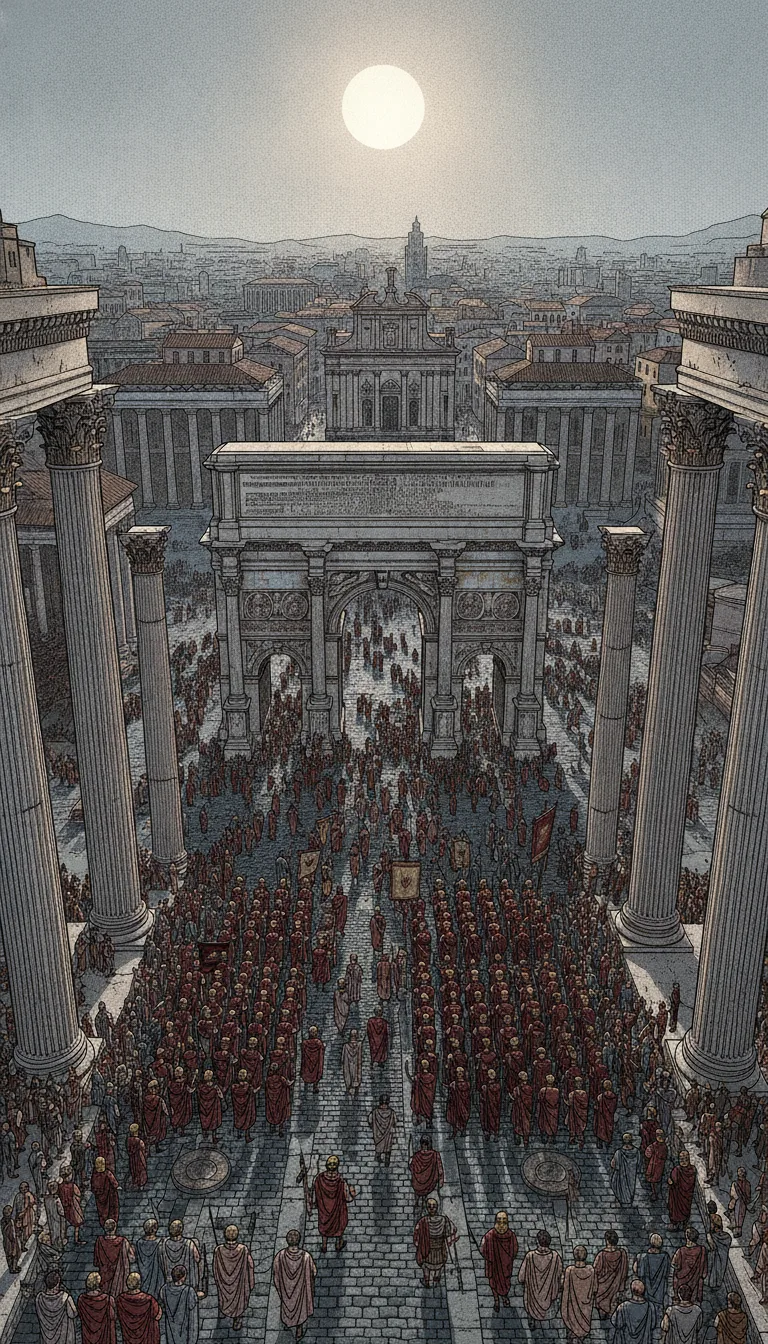
By the time 1453 arrived, Constantinople had already outlasted every reasonable prediction. Founded by Emperor Constantine I in 330 AD on a narrow peninsula where Europe meets Asia, the city was engineered for survival. The sea protected two of its sides. The legendary Theodosian Walls — triple layers of stone stretching nearly seven kilometers — protected the third. For over a thousand years, more than twenty sieges had failed against those walls. Attila the Hun turned back. The Arabs tried twice and retreated. Even the Fourth Crusade, which briefly captured the city in 1204, could not permanently hold it.
The Eastern Roman Empire — the name "Byzantine" was actually invented by later historians; its citizens simply called themselves Romans — had preserved something extraordinary: the full administrative machinery, legal tradition, and cultural memory of classical Rome, while Western Europe fragmented into feudal kingdoms. Constantinople was, for much of the medieval period, the largest and wealthiest city in the Christian world.
But by 1453, that inheritance was crumbling from within.
An Empire Down to Its Last City
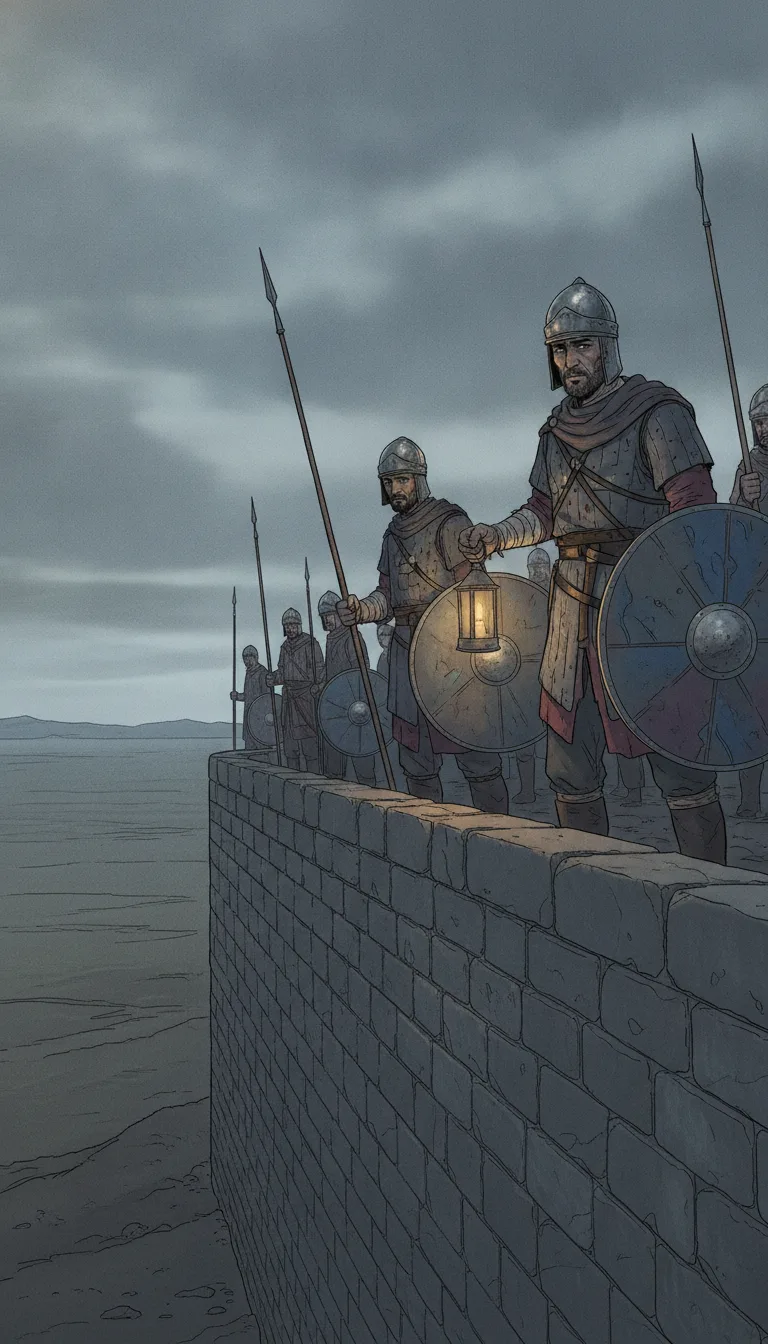
The Byzantine Empire of the fifteenth century was barely an empire at all. Plague, civil wars, and the steady advance of the Ottoman Turks had reduced it to Constantinople itself, a handful of Greek islands, and a small territory in southern Greece. The population of Constantinople had fallen from perhaps 400,000 at its peak to somewhere between 50,000 and 100,000. Entire neighborhoods had been abandoned. Fields grew inside the old city walls.
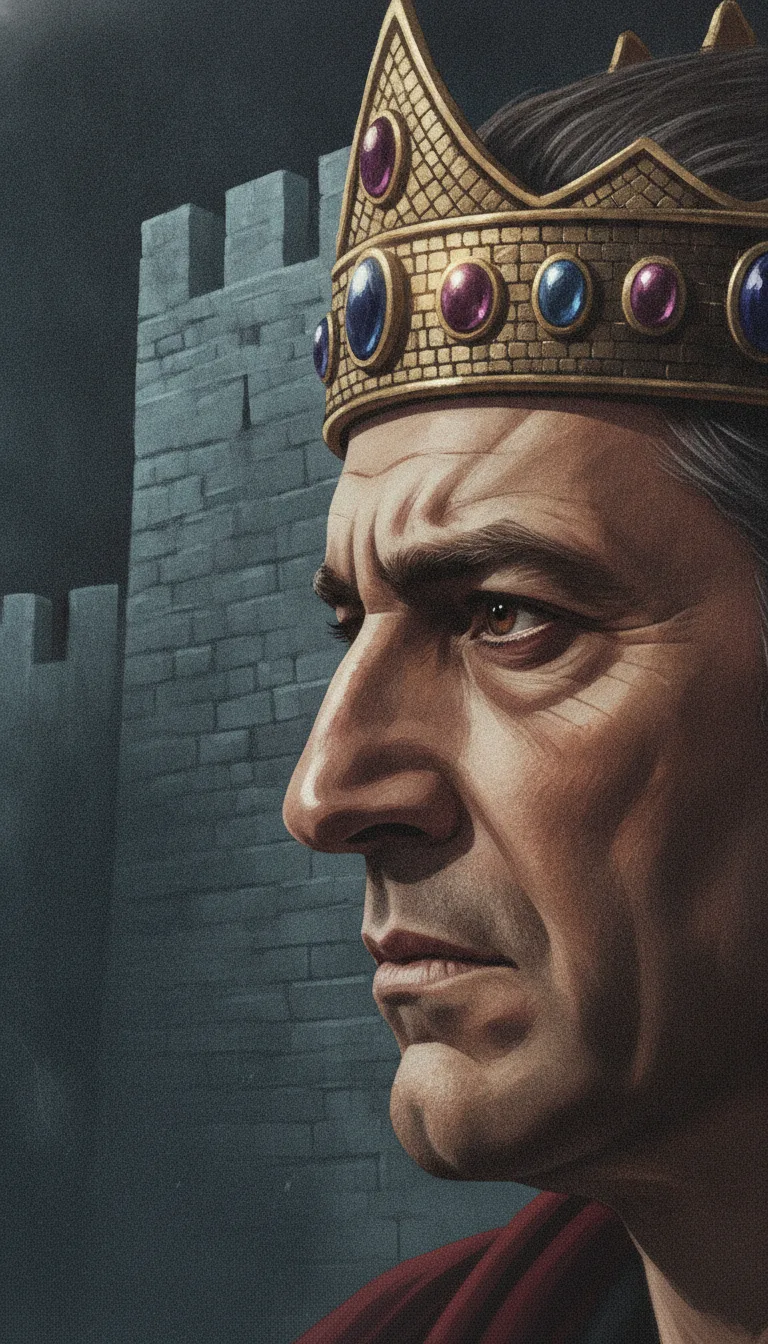
Emperor Constantine XI Palaiologos knew the situation was desperate. He appealed to Western European powers for military help, even agreeing to a controversial union between the Eastern Orthodox and Roman Catholic churches — a move deeply unpopular with his own people. The help never came in any meaningful form. A few hundred Genoese soldiers arrived, led by a skilled commander named Giovanni Giustiniani, but the promised crusade from the West was mostly silence.
Meanwhile, 21-year-old Sultan Mehmed II had inherited an empire hungry for Constantinople. For him, the city was not merely a military target — it was a symbol. The Ottoman sultans considered themselves heirs to Roman power, and taking the ancient capital would announce that claim to the world. Mehmed spent years preparing: commissioning a massive new fortress on the European side of the Bosphorus, gathering an army historians estimate at between 60,000 and 100,000 men, and — crucially — hiring a Hungarian engineer named Urban to build cannons of unprecedented size. One of these, the Great Bombard, could fire stone balls weighing over 500 kilograms. The Theodosian Walls had never faced anything like it.
The Fifty-Three Days
The siege began on April 6, 1453. The defenders, numbering perhaps 7,000 men including civilians and foreign volunteers, performed a remarkable defense against overwhelming odds. Every breach the cannons opened during the day was repaired by hand during the night.
The famous episode of the ships illustrates Mehmed's determination. A massive iron chain stretched across the Golden Horn harbor, blocking the Ottoman fleet from attacking the city's northern walls. Mehmed responded by having approximately 70 ships hauled overland on greased wooden rollers, over a ridge and down into the harbor — bypassing the chain entirely. Witnesses recorded the astonishing sight of warships appearing to sail across land.
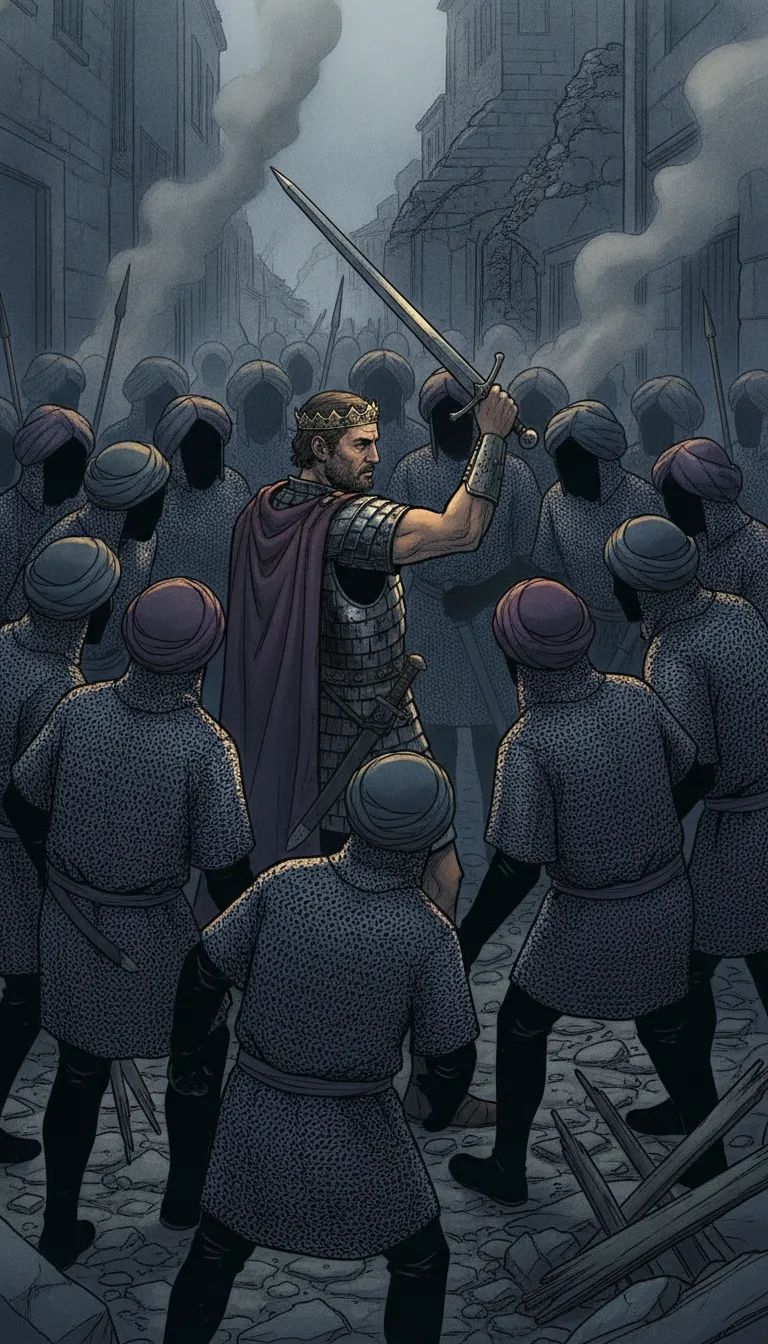
The breakthrough came in the early hours of May 29th. Giustiniani was seriously wounded and carried off the walls — his departure devastating morale at a critical moment. The sultan's elite Janissary infantry poured through a small gate that had been left unlocked during the fighting. Constantine XI, understanding that capture meant a humiliating display of Ottoman triumph, reportedly removed his imperial insignia and charged into the fighting on foot. His body was never definitively identified.
What the Fall Made Possible
The immediate consequences were severe. Three days of sanctioned pillaging followed, as was customary. Centuries of manuscripts, art, and relics were destroyed or dispersed.
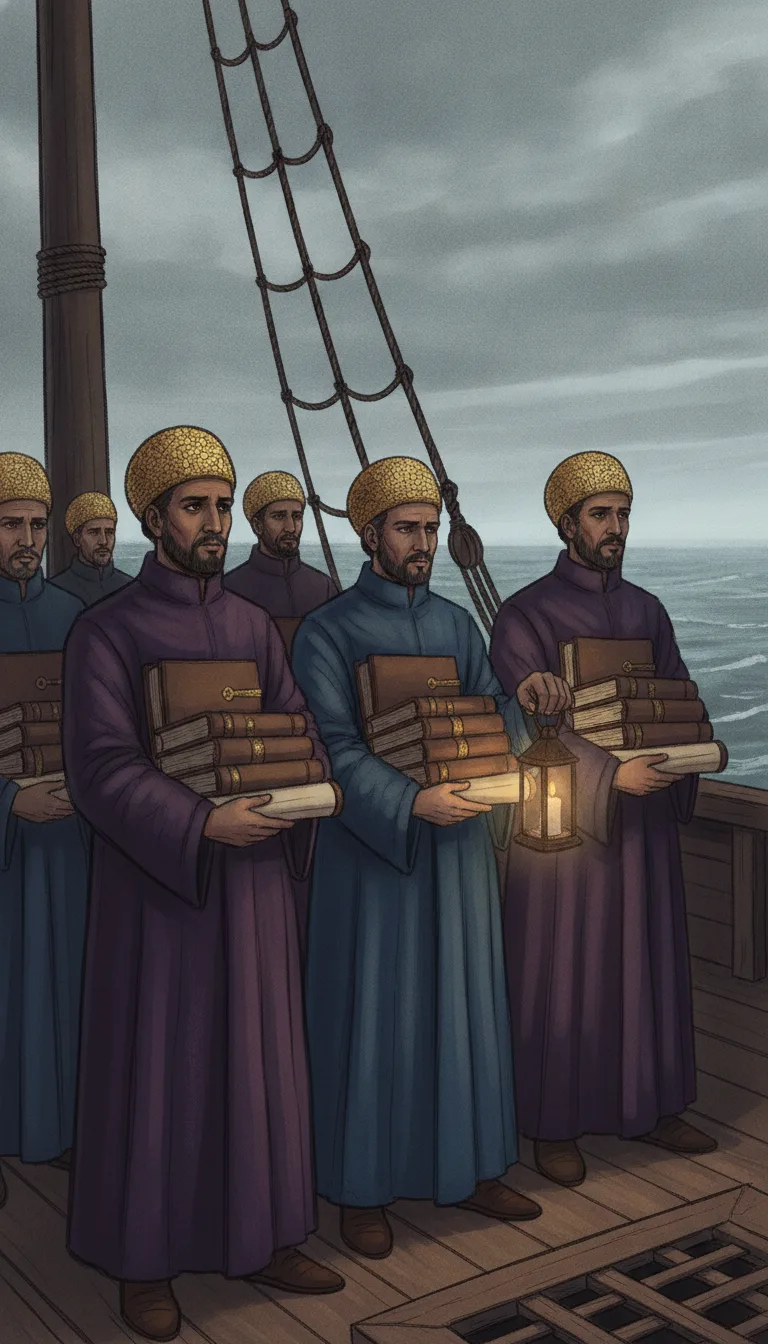
But the longer consequence was different. Greek scholars had been fleeing westward for decades as Byzantine territory shrank, and many more left after 1453, carrying manuscripts of Plato, Aristotle, and other classical authors that Western Europe had largely forgotten. Their arrival in Italian cities — Florence especially — poured fuel onto the Renaissance that was already beginning to burn.
The fall of Constantinople did not just end something. It moved something — a flame carried across the water, lighting a different world.