A Lion Built Over Decades
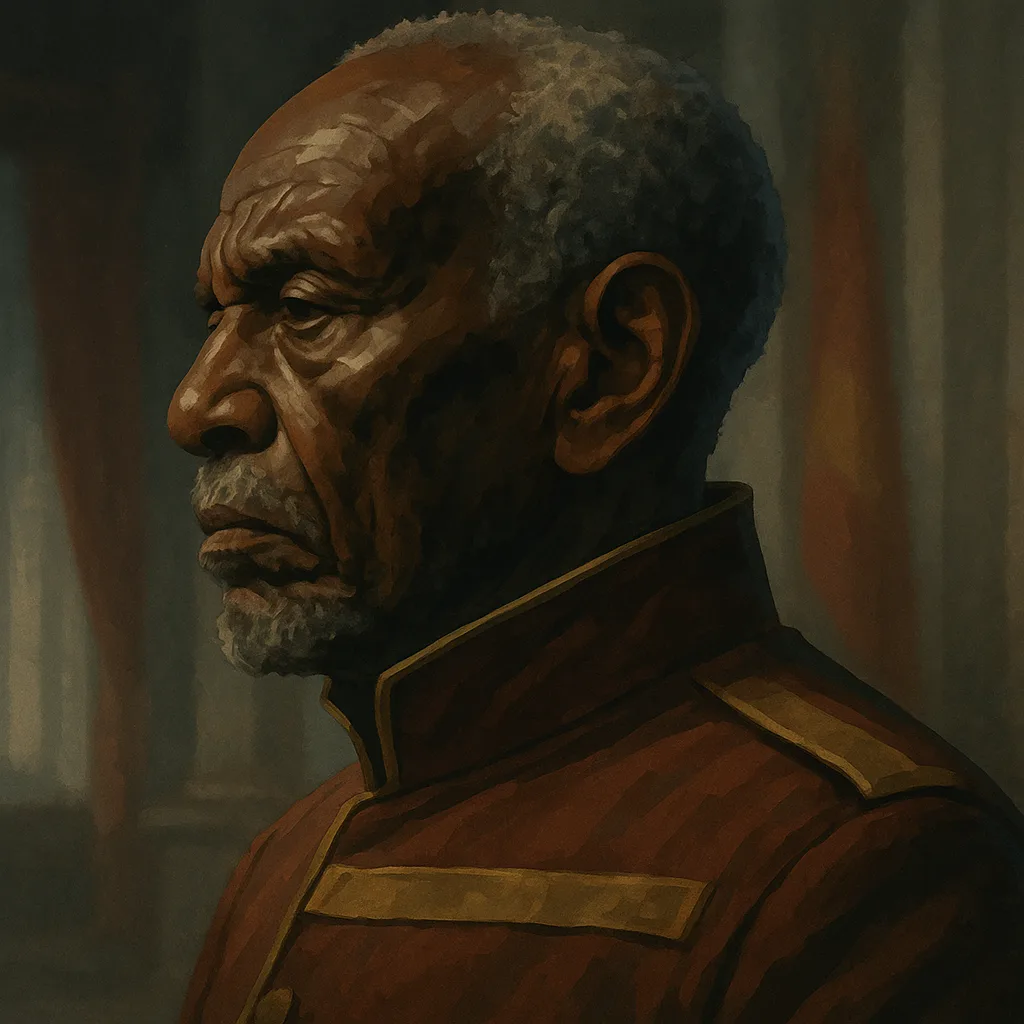
Haile Selassie did not simply inherit power — he engineered it. Born Tafari Makonnen in 1892, he spent years maneuvering through Ethiopia's brutal royal politics before becoming regent in 1916 and finally crowned Emperor in 1930. He modernized Ethiopia cautiously but deliberately: establishing a written constitution, sending students abroad to study, and bringing Ethiopia into the League of Nations. He wanted his country recognized as a legitimate player in a world dominated by European empires.
That ambition was tested almost immediately. When Mussolini's Italy invaded in 1935, Selassie delivered a famous speech to the League of Nations in Geneva, warning that small nations everywhere were watching how the world responded. The world largely looked away. Ethiopia fell. Selassie went into exile in Britain, a humiliated emperor staying in a rented house in Bath. But he returned in 1941 after Allied forces drove the Italians out, and his survival only deepened his legend.
For the next three decades, he remained a giant on the world stage — a founding figure of the African Union, a symbol of African independence at a time when colonialism was finally collapsing. To Rastafarians in Jamaica and beyond, prophecy from the Book of Revelation had pointed directly to him: a king from Africa, descended from Solomon. They called him Jah, the living God. He was aware of this reverence and never formally rejected it, though he remained a devout Ethiopian Orthodox Christian throughout his life.
The Slow Unraveling
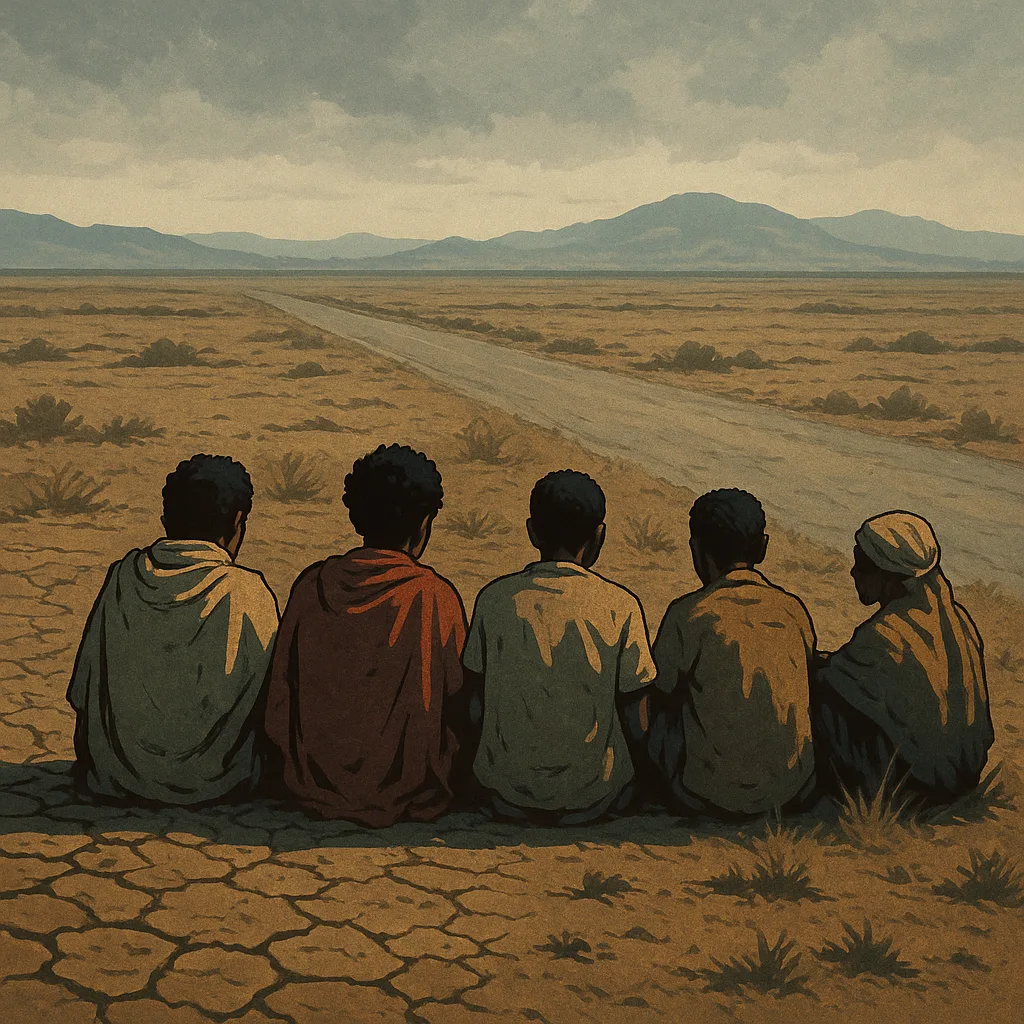
By the early 1970s, the foundations were cracking beneath the throne. Ethiopia's feudal land system left millions of peasants desperately poor while a small aristocracy held enormous wealth. Selassie, now in his eighties, was showing his age — slower, more isolated, increasingly dependent on a court that filtered out bad news and told him what he wanted to hear.
The famine of 1972 to 1974 was catastrophic. It struck hardest in the regions of Wollo and Tigray, eventually killing an estimated 200,000 people. The Ethiopian government initially tried to conceal the scale of the disaster, fearing embarrassment and political instability. Foreign journalists who reached the affected areas found villages emptied by death and displacement. Selassie's government offered almost no meaningful relief response.
Then came the footage. In 1973, British journalist Jonathan Dimbleby produced a documentary called The Unknown Famine, which cut between images of skeletal, dying Ethiopians and scenes of Selassie feeding meat to his dogs and hosting lavish banquets. Whether the juxtaposition was entirely fair as journalism remains debated by historians — some of the editing was deliberately provocative — but the political damage inside Ethiopia was irreversible. The military saw it. Educated Ethiopians saw it. The emperor's divine image fractured publicly and permanently.
The Morning Everything Ended
The Derg — a Coordinating Committee of the Armed Forces — had been steadily dismantling Selassie's government through the summer of 1974, arresting ministers and removing officials one by one. It was a slow-motion coup, carefully calibrated to avoid triggering a royalist backlash. By September, almost everyone around the emperor had already been swept away.
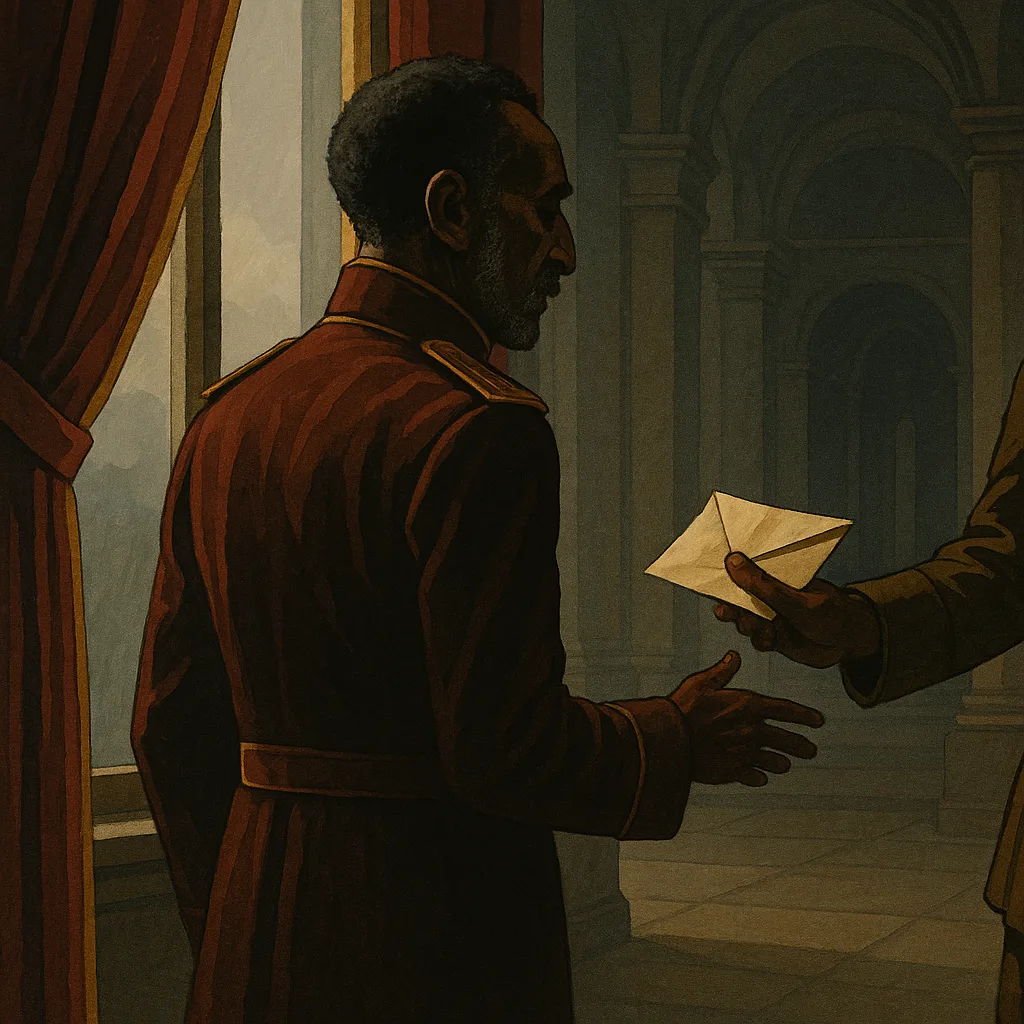
On September 12, a small delegation of soldiers arrived at Jubilee Palace in Addis Ababa. They read aloud a proclamation deposing him. Contemporary accounts describe Selassie listening calmly. He reportedly said something to the effect that if the revolution was for the good of the people, he did not oppose it. Then he was led outside and placed into a Volkswagen Beetle — a deliberately ordinary car, chosen to strip the moment of any remaining imperial dignity.
He was taken to the Fourth Division military headquarters and held there. He never returned to public life. Selassie died on August 27, 1975 — the official explanation was complications following a prostate operation. Many historians and his own family believe he was murdered, possibly smothered, on the orders of Derg leader Mengistu Haile Mariam. His body was found buried secretly beneath a concrete floor inside the palace compound in 1992, after Mengistu's regime had itself been overthrown.
Why This Moment Still Resonates
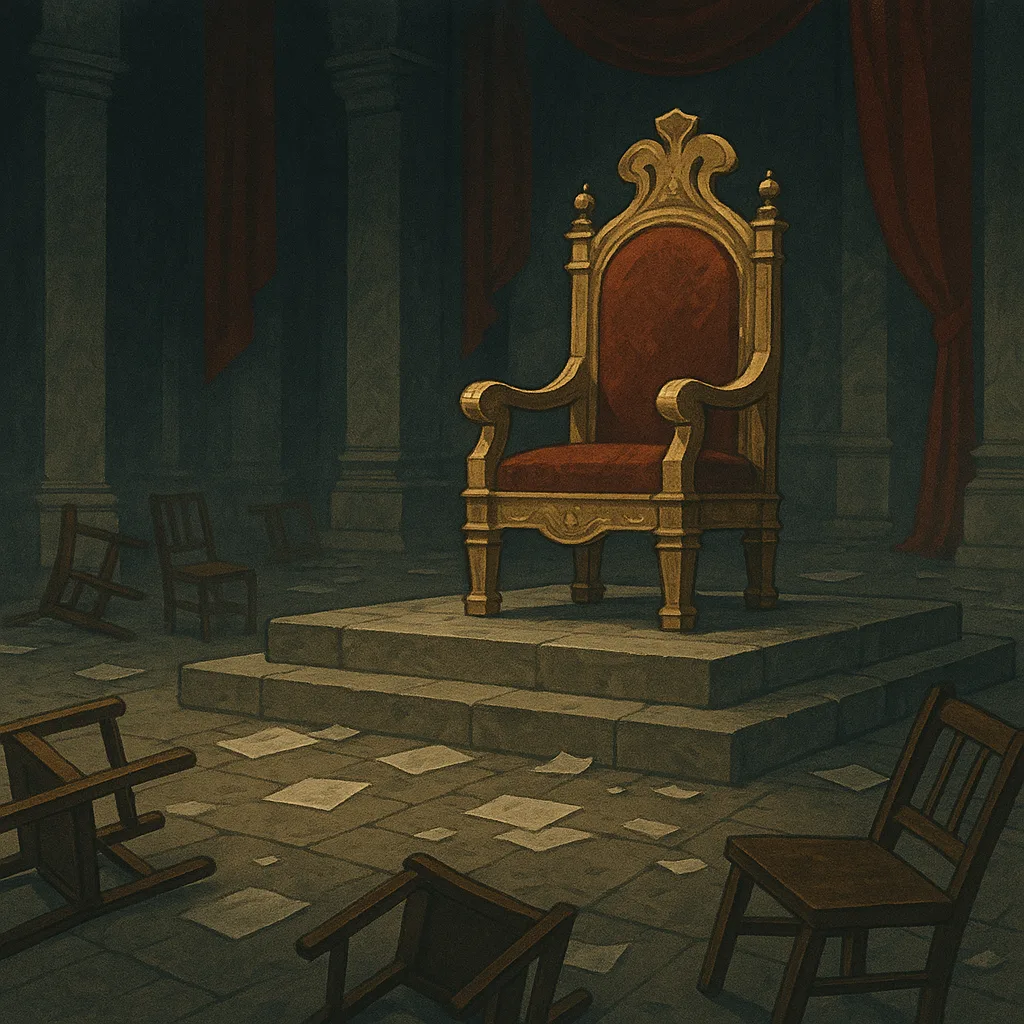
The fall of Haile Selassie is not simply a story about one old man losing power. It marked the violent end of one of the world's oldest continuous monarchies, a line of rulers stretching back — at least in tradition — to the Queen of Sheba. It also opened the door to the Derg's Marxist military dictatorship, which would prove far more brutal than anything Selassie had built, ultimately responsible for another catastrophic famine in 1984 and the deaths of hundreds of thousands more Ethiopians through political terror.
For Rastafarians worldwide, the death of Selassie created a theological crisis that each community has resolved in its own way — many choosing to believe that a man they considered divine could not truly die. His image remains on walls, in music, and in spiritual practice across the Caribbean, Africa, and beyond.
History rarely delivers clean endings. Selassie was genuinely progressive for his time and genuinely failed his people when it mattered most. Both things are true, and that complexity is exactly why his story still demands attention.