The Last Empire Standing
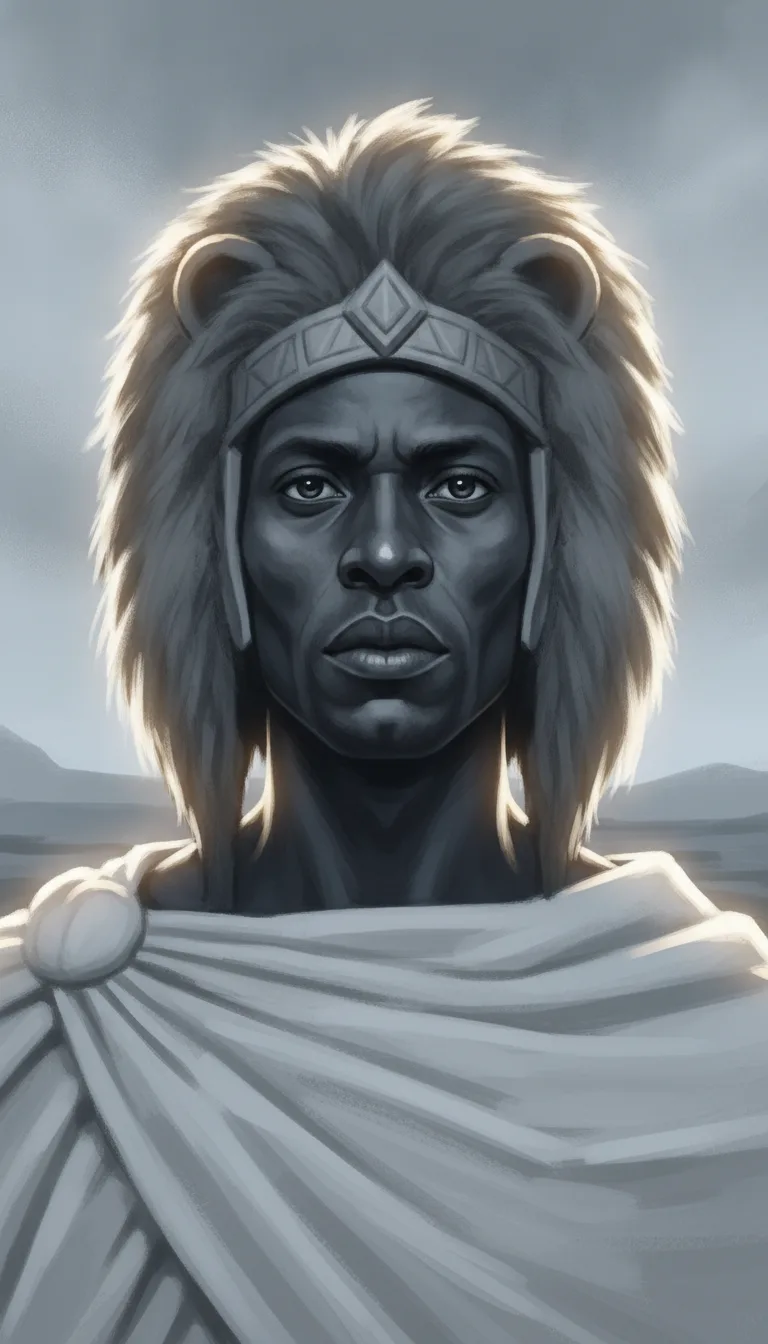
For thousands of years, Ethiopia stood apart. While European powers carved Africa into colonies during the late 19th century, Ethiopia alone fought them off. At the Battle of Adwa in 1896, Emperor Menelik II's forces crushed an invading Italian army — a humiliation Rome never forgot. That defeat planted a seed of revenge that would take four decades to bloom into one of history's most brutal colonial campaigns.
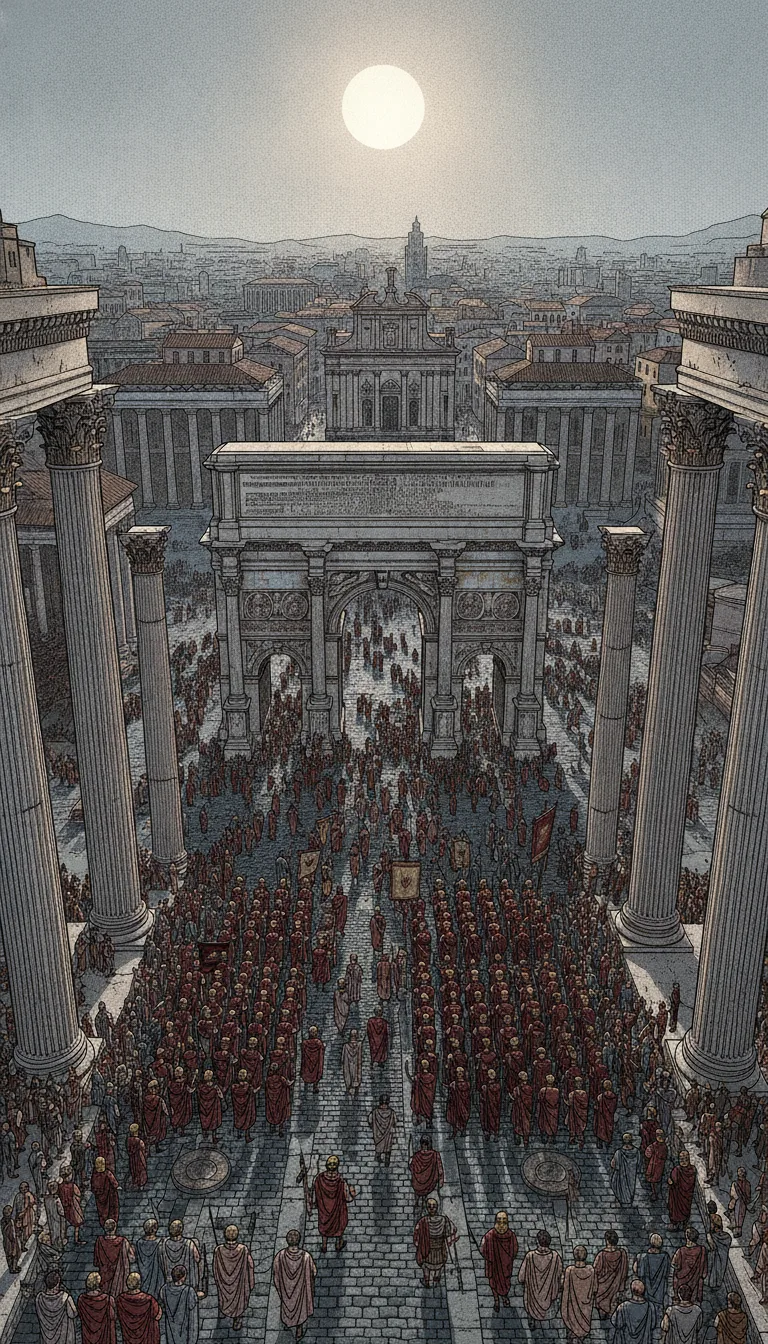
When Benito Mussolini rose to power, he dreamed of a new Roman Empire stretching across Africa. Ethiopia was unfinished business. It was also a calculated target: ancient, proud, and sitting between two existing Italian colonies — Eritrea to the north and Somalia to the east. To Mussolini, conquering Ethiopia was not just territorial ambition. It was a statement about Italian greatness.
An Empire Against an Army
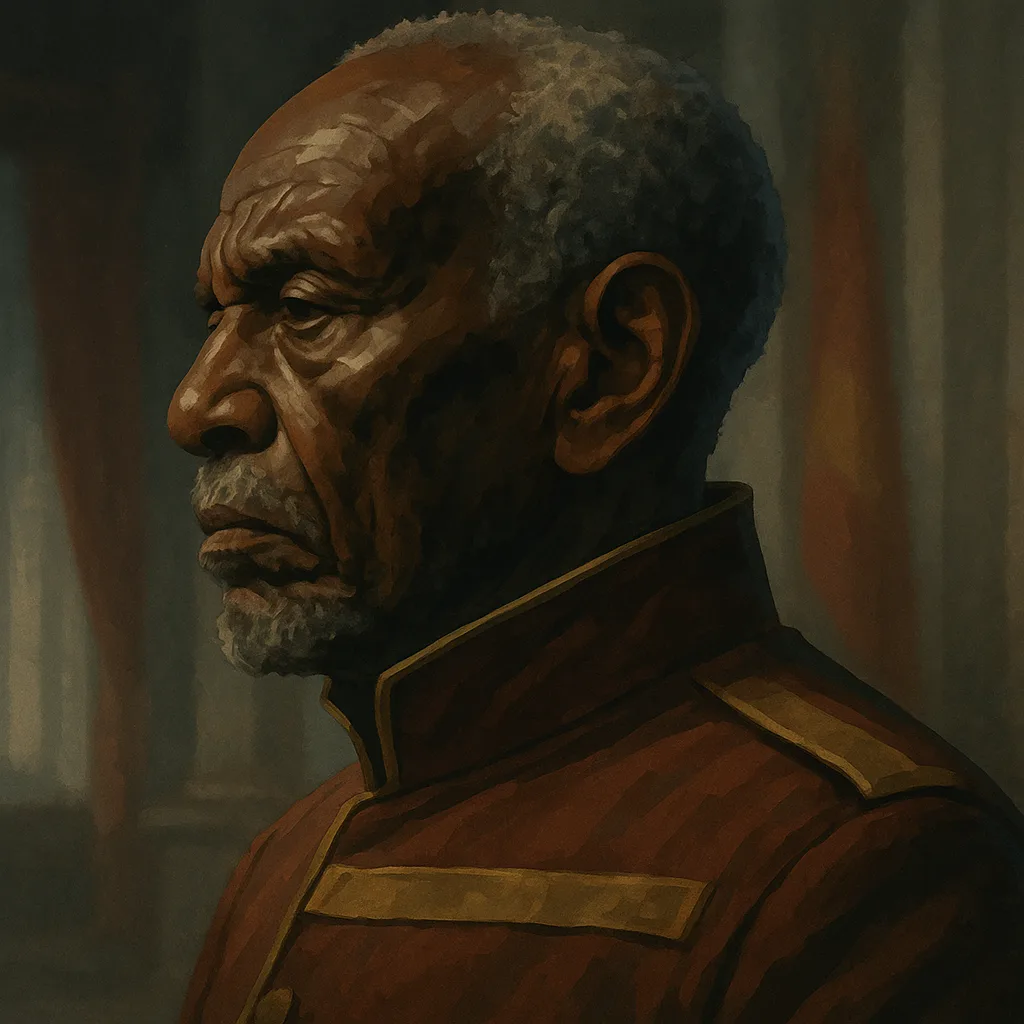
Emperor Haile Selassie inherited a nation with extraordinary history but limited modern weapons. He had spent years attempting to modernize Ethiopia — building schools, drafting a constitution, and bringing the country into the League of Nations in 1923. He understood that diplomacy and international law were Ethiopia's best shields. He was about to discover how thin those shields really were.
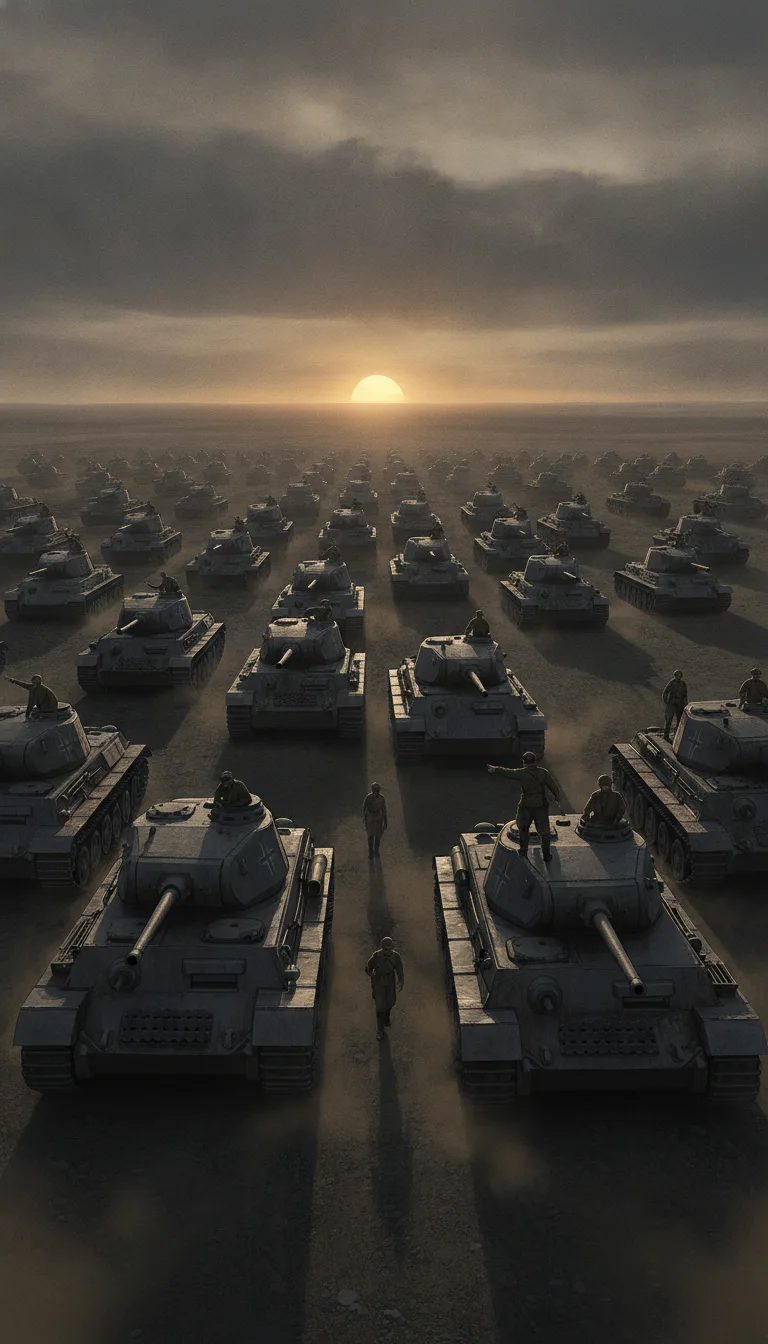
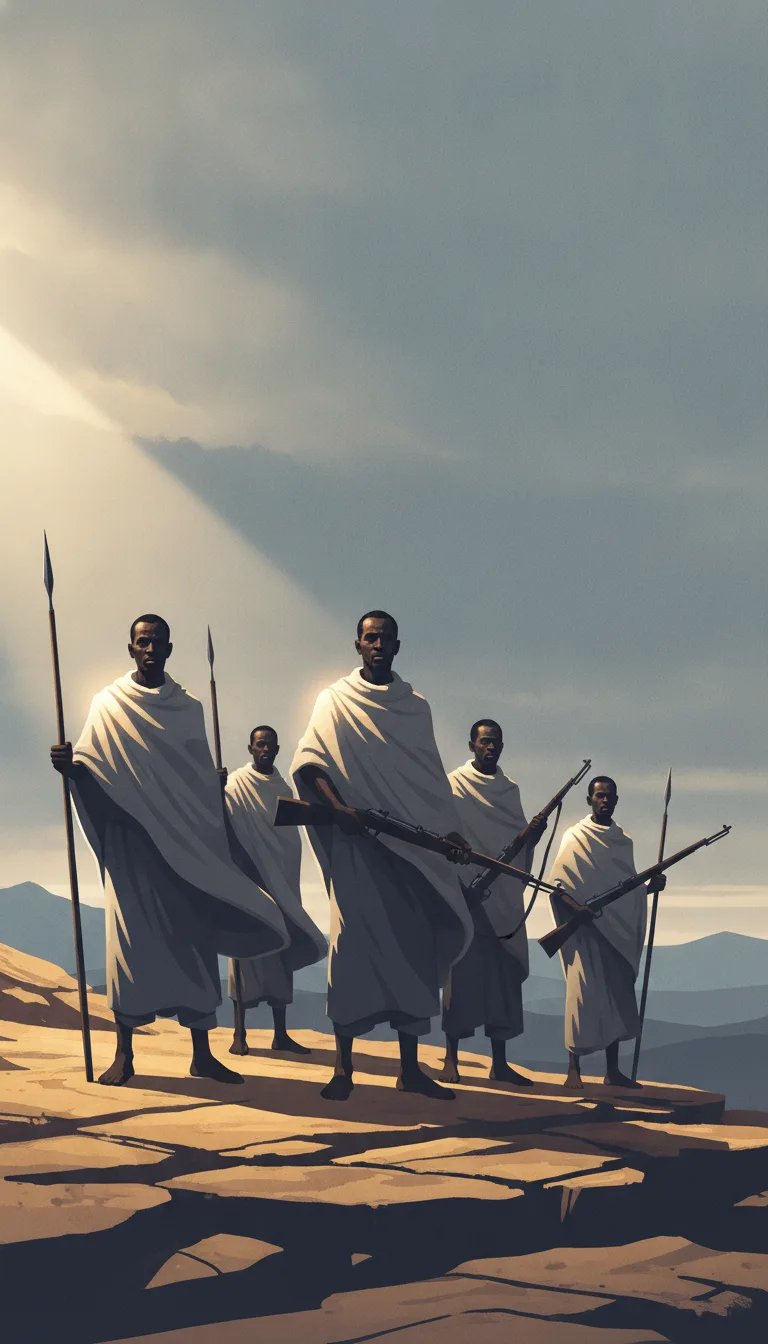
When Italy invaded on October 3, 1935, the military mismatch was staggering. Italian General Pietro Badoglio commanded a modern mechanized force backed by artillery, aircraft, and armored vehicles. Ethiopian warriors, many of them provincial fighters loyal to regional nobles called rases, fought with extraordinary courage but were equipped with weapons ranging from modern rifles to spears and swords. Some units had no shoes.
What followed was not simply a military campaign — it was a war crime conducted on an industrial scale. Italy deployed mustard gas and phosgene bombs across the Ethiopian highlands, violating the 1925 Geneva Protocol that Italy itself had signed. The chemicals burned skin, blinded eyes, and contaminated rivers. Red Cross tents were deliberately bombed. Haile Selassie himself came close to the front lines, a fact that stunned foreign observers. He was not a distant ruler watching from a palace. He stood in the mountains with his soldiers.
The Speech That Echoed Through History
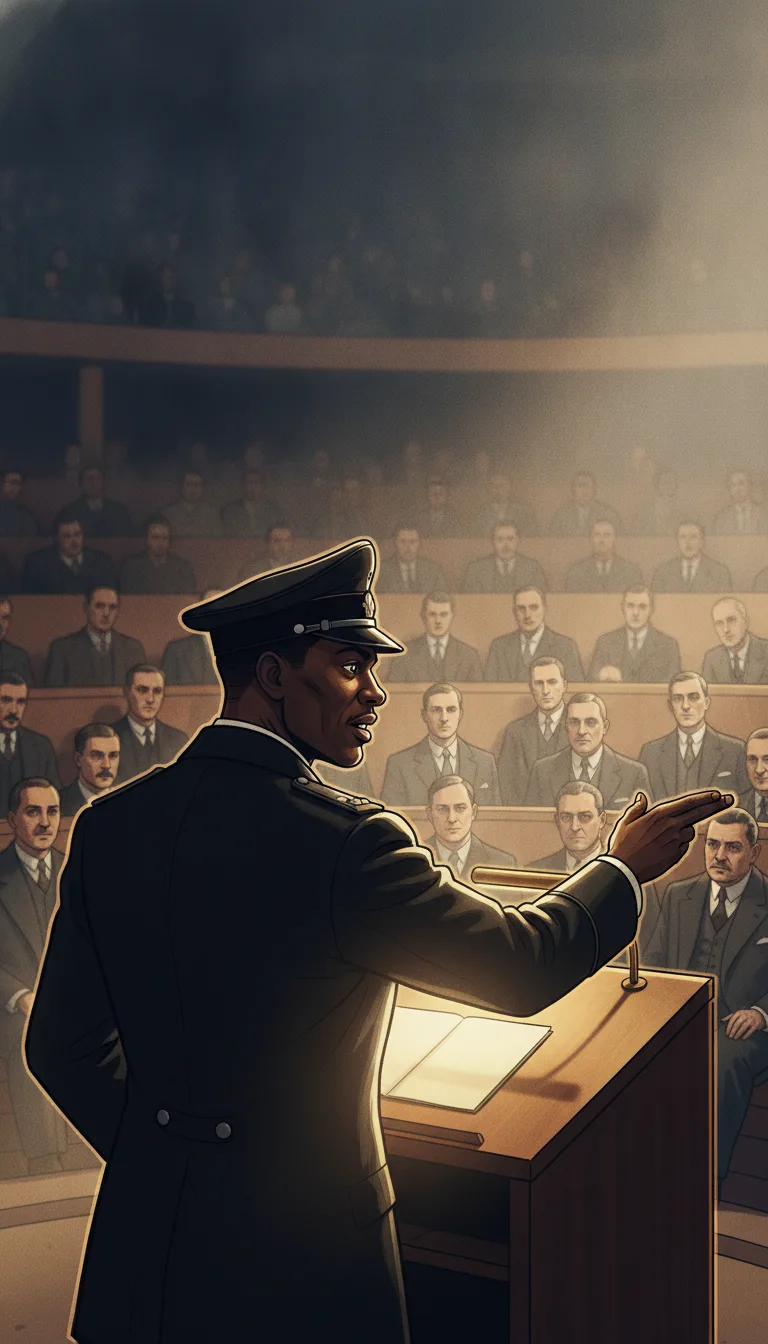
In June 1936, with Italian forces occupying Addis Ababa, Haile Selassie made a journey that few leaders in history have ever had to make. He traveled to Geneva to address the League of Nations — the international body created specifically to prevent this kind of aggression.
The chamber fell into uncomfortable silence when he entered. Many European delegates had already decided to prioritize relations with Mussolini over justice for a distant African kingdom. Some Italian journalists reportedly hissed and whistled to disrupt him. Swiss guards removed them.
Selassie spoke in Amharic, slowly and with dignity. He described the gas attacks. He described children dying in fields. He told the assembled nations that collective security was not a principle you could apply selectively — that if they abandoned Ethiopia today, they were writing the terms of their own future suffering. He was speaking in 1936. Within three years, Europe would be at war.
The League failed him completely. Sanctions imposed on Italy were weak and excluded oil, the one resource that could have genuinely slowed Mussolini's campaign. Britain and France — the dominant powers — feared pushing Italy toward Hitler's Germany. Ethiopia was sacrificed on the altar of European political calculation.
Return and Reckoning
The occupation that followed was brutal. Italy attempted to erase Ethiopian identity through mass executions, the destruction of monasteries, and the killing of educated Ethiopians. An assassination attempt on the Italian viceroy in 1937 triggered a three-day massacre in Addis Ababa in which thousands of civilians were murdered.
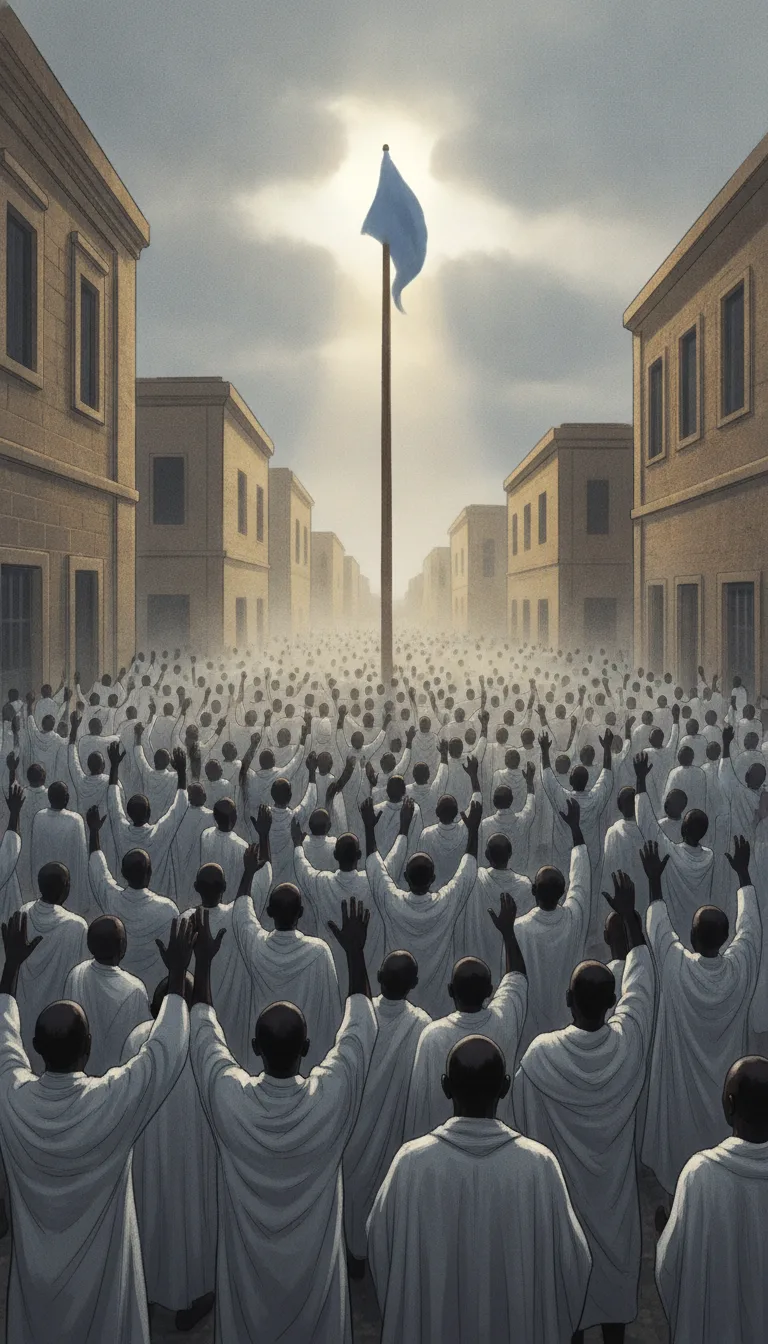
But resistance never stopped. Ethiopian fighters known as Arbegnoch — Patriots — continued guerrilla warfare throughout the occupation. When World War II spread to East Africa, British forces allied with Ethiopian resisters and Haile Selassie returned to his capital on May 5, 1941 — exactly five years after Italian troops had entered it.
He became a founding figure of the African Union's predecessor, a symbol of anti-colonial resistance across the continent, and a spiritual figure to the Rastafari movement worldwide. His failures — and they were real, particularly his feudal governance and slow response to famine later in his reign — belong to a longer, more complicated story.
But in 1936, standing alone before a world that had already decided to look away, he spoke the truth clearly. Sometimes that is all history asks of a person. And sometimes, history remembers.