A World Without Jim Crow
Eugene Jacques Bullard did not run from America by accident. He ran because he understood, even as a child, exactly what America intended for him.
Growing up in Columbus, Georgia, Bullard witnessed racial violence firsthand. His father, William Bullard, was a man of Martinican descent who had told his son stories about France — a country where, he believed, Black men were treated as men. When Eugene was around ten years old, a white mob attacked his father. The boy never forgot it. By the time he was a teenager, he had made his decision: he would find that other world his father had described, or he would die trying.
He made it to Scotland by stowing away on a ship, worked odd jobs across Britain, and eventually crossed the Channel to France. He was barely seventeen. Paris received him in a way Georgia never had.
From the Trenches to the Cockpit
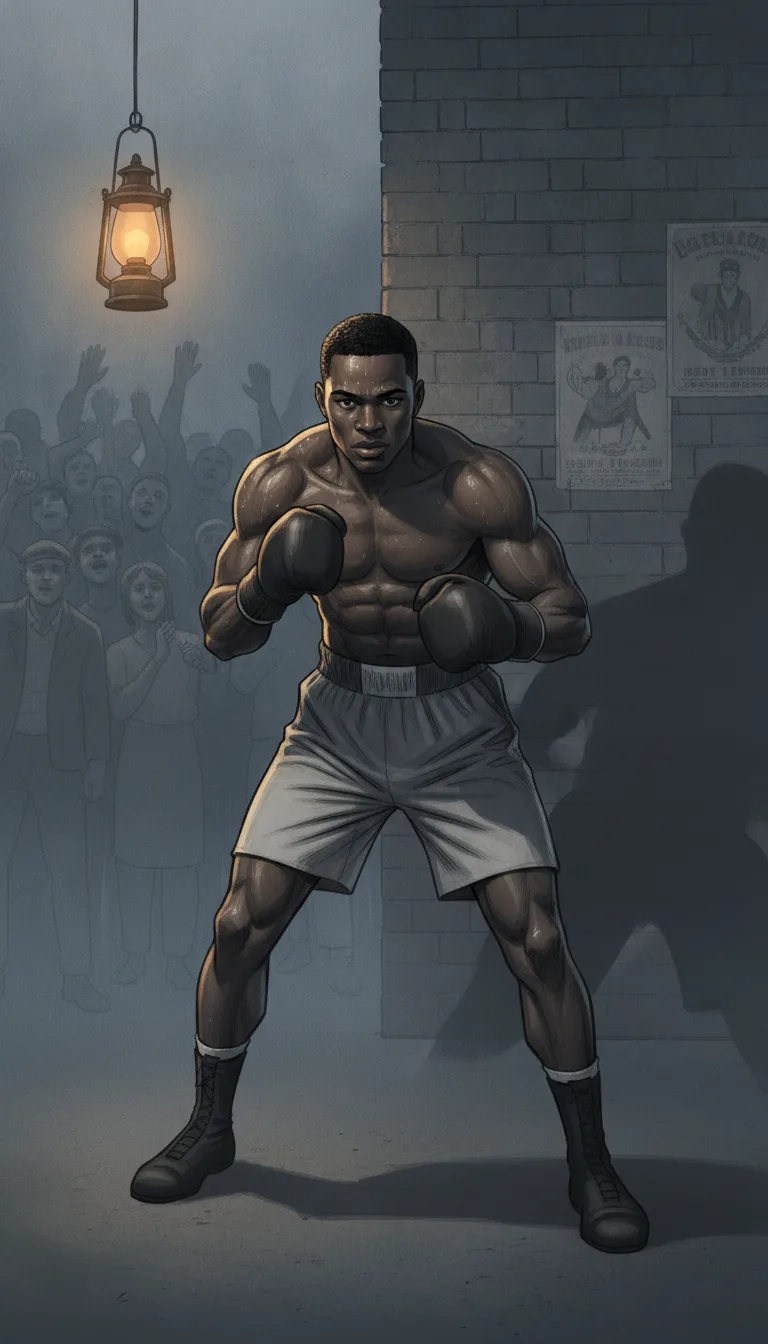
Before Bullard ever saw the sky from a cockpit, he saw war from the mud below it. When World War I broke out, he enlisted in the French Foreign Legion and later transferred to the 170th French Infantry Regiment — a unit so fierce it was nicknamed "the Swallows of Death" by the Germans. He fought at the Battle of the Marne and at the catastrophic Battle of Verdun, one of the deadliest engagements in human history. He was wounded. He kept fighting.
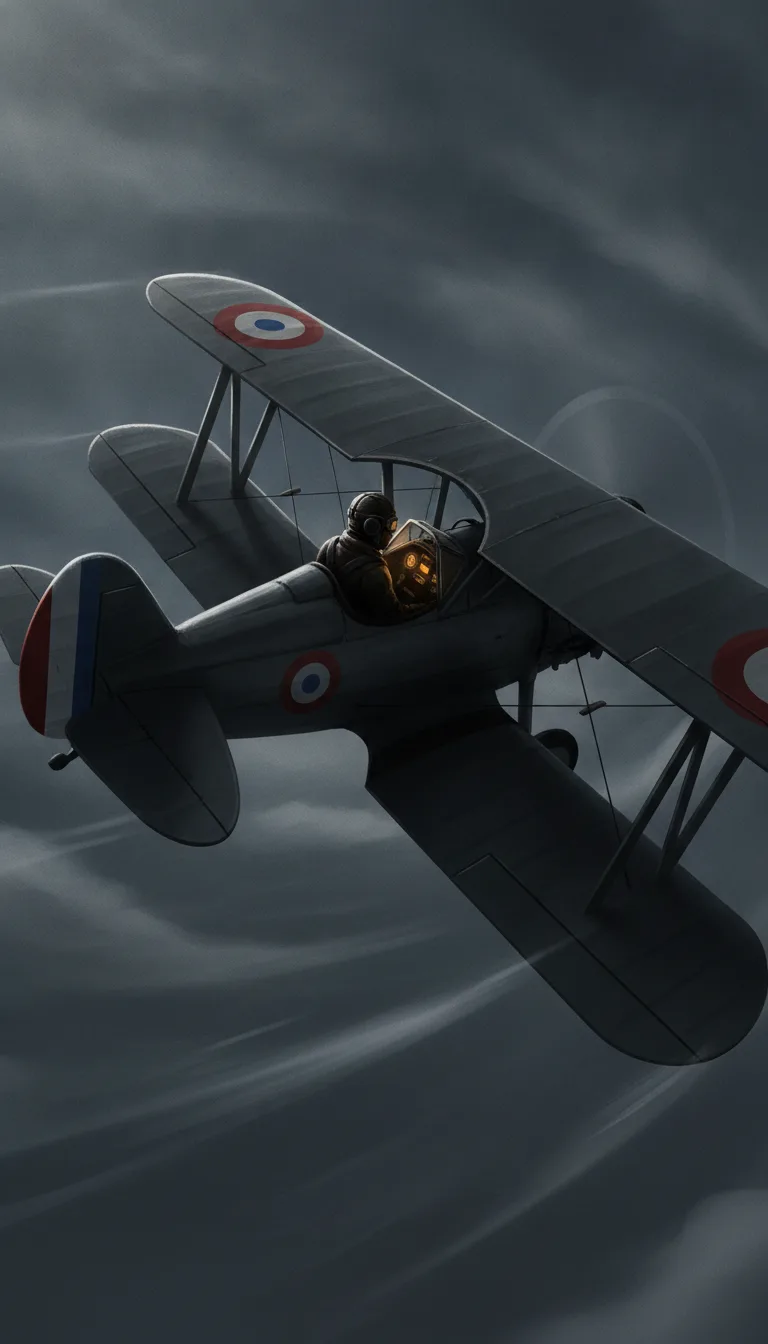
After recovering, a friend made him a bet: he could never learn to fly. Bullard took the bet seriously. He applied to the French flying school at Cazes, qualified, and earned his pilot's license in May 1917. He was then assigned to the Lafayette Flying Corps — a celebrated unit of volunteer American pilots flying for France. He flew at least two confirmed combat missions. The French decorated him with the Croix de Guerre, one of the country's highest military honors. He had also received the Médaille Militaire earlier for his infantry service. He was, by any measure, a decorated combat veteran.
Then the United States entered the war.
Refused by His Own Country
When America joined the conflict in 1917, Bullard applied to transfer into the US Air Service. The application went nowhere. The official reason given was a vague claim of disciplinary issues — disputed by the historical record and almost certainly a cover for something simpler: the US military did not accept Black combat pilots. The Army Air Service would remain segregated. It would take another world war and enormous political pressure before the Tuskegee Airmen finally broke that barrier in the 1940s.
Bullard was quietly removed from flight duties by the French as well, almost certainly under American pressure. He returned to infantry service, finished the war on the ground, and stayed in Paris.
The Life He Built in Exile
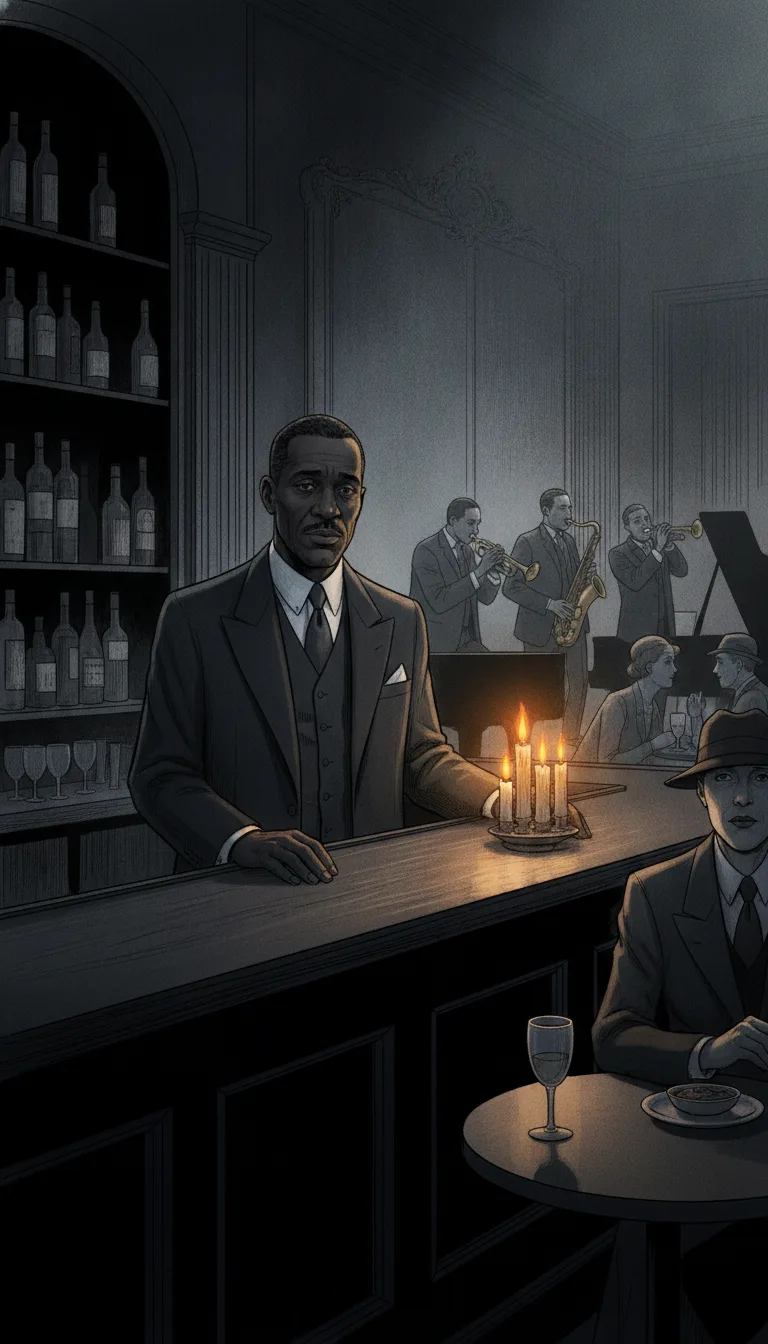
After the armistice, Bullard built a remarkable life in the city that had accepted him. He managed and performed at Le Grand Duc, a popular Montmartre jazz club that attracted luminaries like Langston Hughes and Ada "Bricktop" Smith. He became a fixture of the vibrant African American expatriate scene in 1920s Paris — a community of artists, musicians, and writers who had made the same calculation Bullard had: Europe offered freedoms that America withheld.
He also worked, in the late 1930s, as an informal intelligence source for French authorities, using his nightclub contacts to gather information on Nazi sympathizers visiting Paris. When Germany invaded France in 1940, he fought again — this time at Orleans, where he was seriously wounded.
He eventually returned to America, working as an elevator operator in Rockefeller Center. Almost no one around him knew who he was.
Why This Erasure Matters
In 1954, France named Bullard one of the torchbearers who rekindled the eternal flame at the Arc de Triomphe. The French had not forgotten. In the United States, he remained almost completely unknown until after his death in 1961.
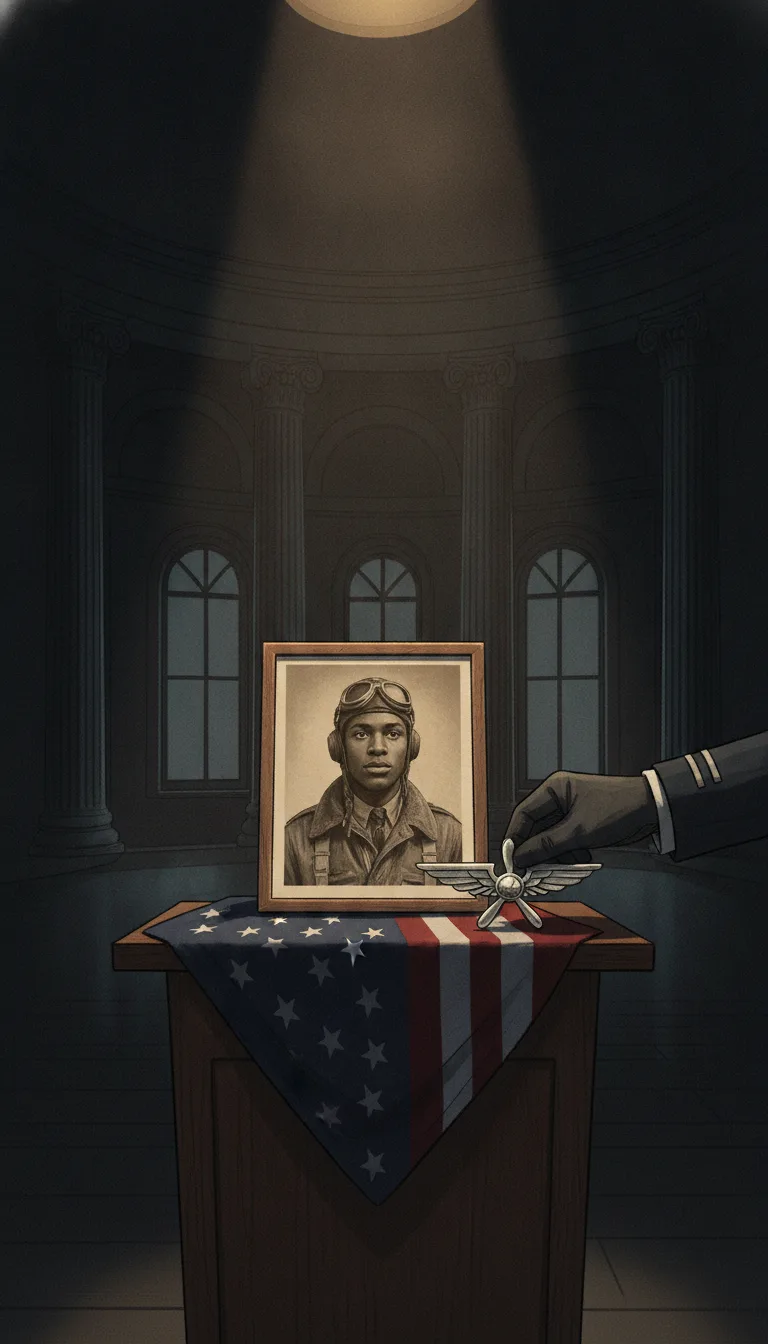
The US Air Force finally granted him a posthumous commission as Second Lieutenant in 1994 — thirty-three years after he died.
Eugene Bullard's story was not lost through carelessness. It was actively buried because acknowledging it would have contradicted a comfortable lie: that Black Americans were not ready, not capable, not fit to serve as equals. His life was proof that they were. That is precisely why so few people were allowed to know it.