The Last Man to Do the Impossible
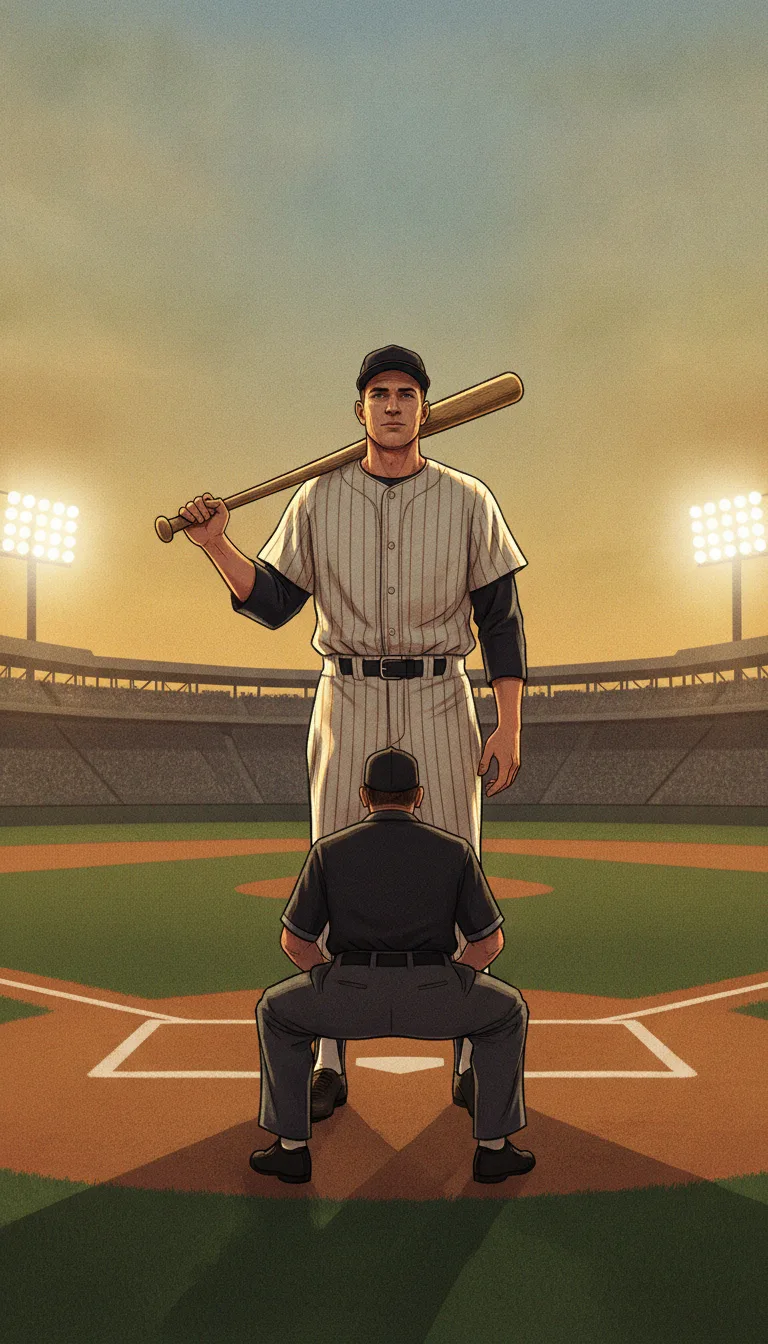
On September 28, 1941, Ted Williams walked to the plate in Philadelphia knowing exactly where he stood. His batting average was precisely .400 — a number so round it felt almost like a dare from the universe. One bad day, a handful of weak grounders, and the achievement would slip below that threshold into ordinary history. His manager, Joe Cronin, offered him a way out: sit down, rest, and let the number stand. Williams looked at him and said no.
What followed across two games against the Athletics was one of the most defiant performances in American sports history. He went six for eight, finishing at .406. He didn't coast to that number. He sprinted.
Why .400 Mattered So Much
Batting average is one of baseball's oldest measurements — a simple ratio of hits to official at-bats. Hitting .300 makes you a solid player. Hitting .350 in a season makes you exceptional. Hitting .400 means you reached base safely on four out of every ten attempts against the best pitchers in the world, for an entire season of over 150 games.
In the early decades of baseball, the .400 mark was rare but not mythological. Ty Cobb did it three times. Rogers Hornsby hit .424 in 1924, the highest single-season average in modern baseball history. But as the game evolved — pitching became more specialized, fielding improved, night games added exhaustion, travel schedules grew brutal — the averages drifted downward across the league. By the late 1930s, .400 had become something that once happened, rather than something that could.
Williams arrived at the 1941 season as a 22-year-old already considered one of the purest hitters the game had ever seen. He studied pitching with something close to scientific obsession. He talked about the strike zone the way engineers talk about tolerances. He famously claimed he could see the ball hit his bat. Whether or not that was literally true, the results suggested he saw something most hitters never did.

The Season Itself
The 1941 season unfolded against a darkening world. Europe had been at war for two years. American involvement felt increasingly inevitable. Yet baseball carried on, and Williams carried on within it, building his average steadily through spring and summer.
He wasn't the only extraordinary story that season — Joe DiMaggio's 56-game hitting streak ran simultaneously, capturing enormous national attention. In some ways, Williams's achievement was overshadowed in real time. DiMaggio won the American League MVP award that year, despite Williams's historic numbers. It was a decision that stung Williams for years, though he rarely spoke of it bitterly in public.
Five Seasons Lost to War
Two months after that final doubleheader, Japan attacked Pearl Harbor. Williams, who held a pilot's license before most Americans had ever been near a cockpit, enlisted in the Navy. He spent most of 1943, 1944, and 1945 as a flight instructor, never seeing combat in World War II — but he would get his chance to serve in the air later.
When the Korean War began, Williams was called back. He was 33 years old and already a baseball legend. He flew 39 combat missions as a Marine pilot, often alongside future astronaut John Glenn. His plane was hit by enemy fire on at least one mission. He landed it safely with a damaged aircraft. He did not consider this remarkable. He considered it his duty.
In total, Williams missed what could reasonably be estimated as 700 or more major league games across his two periods of military service. The career home run projections that result from adding those seasons back are staggering — numbers that would place him in entirely different historical company.
Why Nobody Has Done It Since
Generations of great hitters have chased .400 without reaching it. Tony Gwynn hit .394 in the strike-shortened 1994 season — the closest anyone has come. George Brett flirted with the mark late into the 1980 season before finishing at .390. Analytics, defensive shifting, pitch velocity, and the sheer depth of modern pitching staffs have made the feat arguably harder than it has ever been.
Williams once said that hitting a baseball was the single most difficult skill in professional sport. He said it matter-of-factly, not as boasting. The evidence of the eight decades since that September afternoon in Philadelphia suggests he was probably right.