The Man Behind the Cockpit
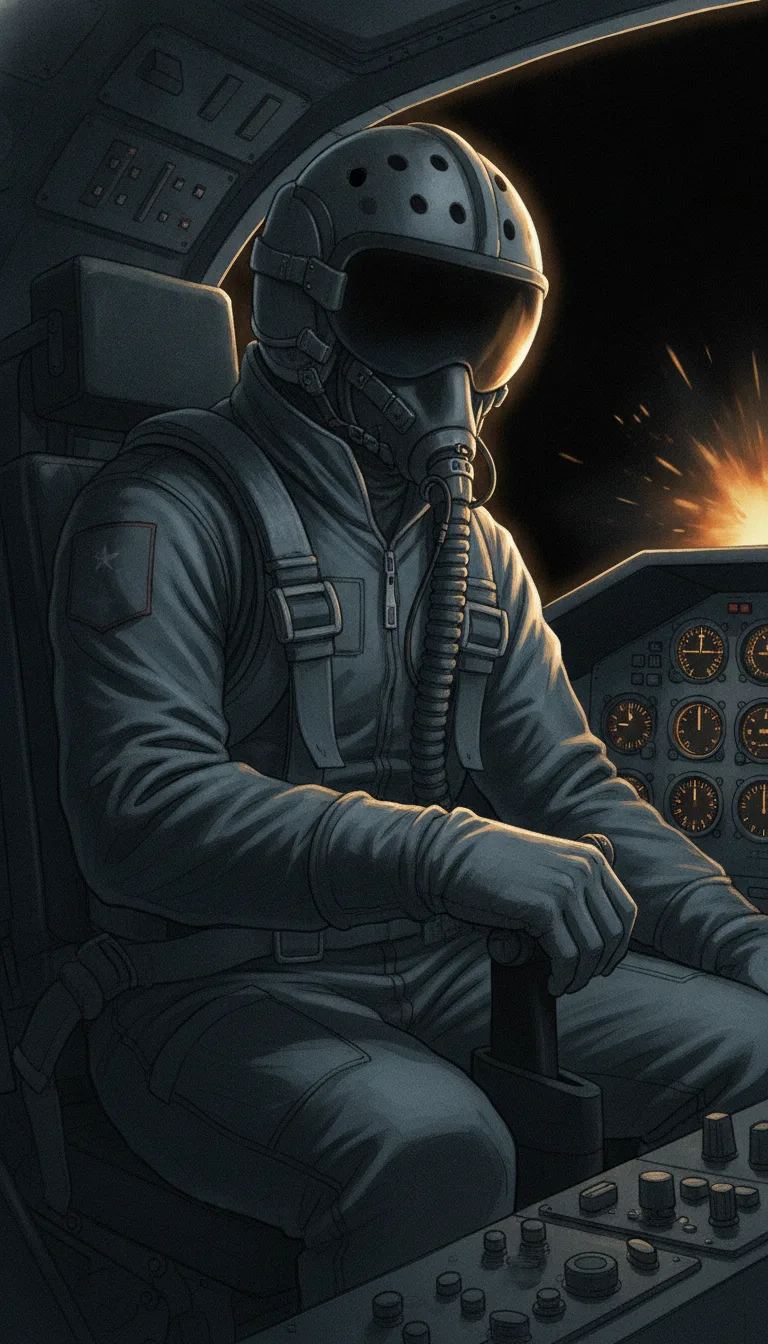
Viktor Belenko was not a desperate or troubled soldier. By every measure, he was a success story of the Soviet system. Born in 1947, he had trained hard, risen through the ranks, and earned a coveted position flying the MiG-25 — a jet so fast and so secretive that NATO had spent years nervously guessing what it could do. Belenko was stationed at Chuguyevka air base in the Soviet Far East, just a few hundred miles from Japan.
But beneath the uniform, Belenko was deeply disillusioned. He had watched the gap between Soviet propaganda and Soviet reality grow impossible to ignore. Pilots drank heavily. Equipment was poorly maintained. The food was bad, the housing was worse, and the promised rewards of a loyal military career felt hollow. He had been quietly planning his escape for months, studying maps, calculating fuel ranges, and waiting for the right moment.
The Flight That Changed Everything
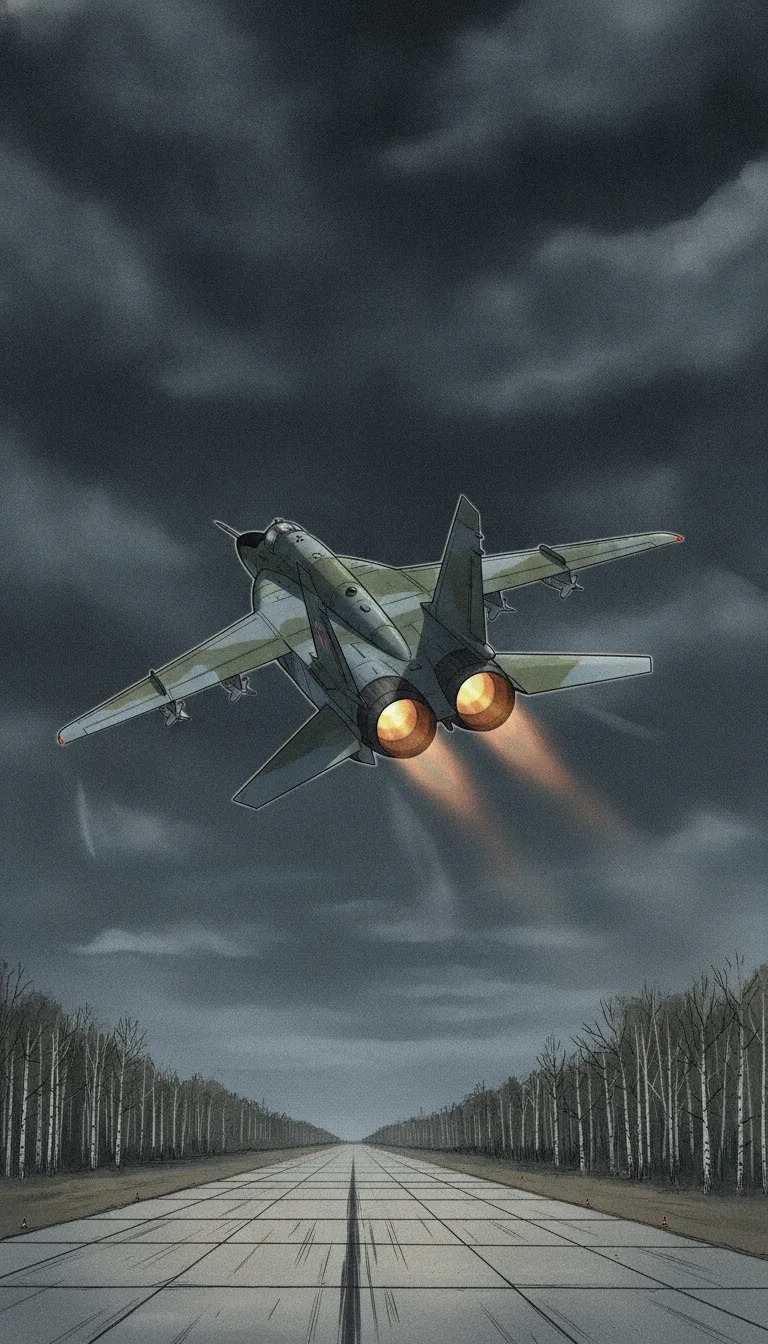
On the morning of September 6th, 1976, Belenko climbed into his MiG-25 Foxbat for what appeared to be a routine training exercise. Once airborne, he descended sharply to avoid Soviet radar — a maneuver that required nerve and precision — and turned east toward Japan. He flew so low that ground radar lost him almost immediately.
The MiG-25 was built for speed and altitude, not for economical low-level flying. By the time Belenko spotted the Japanese coast, his fuel was critically low. Hakodate Airport, a small civilian facility on the northern island of Hokkaido, was the closest option. He landed there without permission, scattering terrified passengers and airport workers on the tarmac. His jet rolled to a stop with almost nothing left in the tanks. A few more minutes in the air and the story ends very differently.
What the Jet Revealed
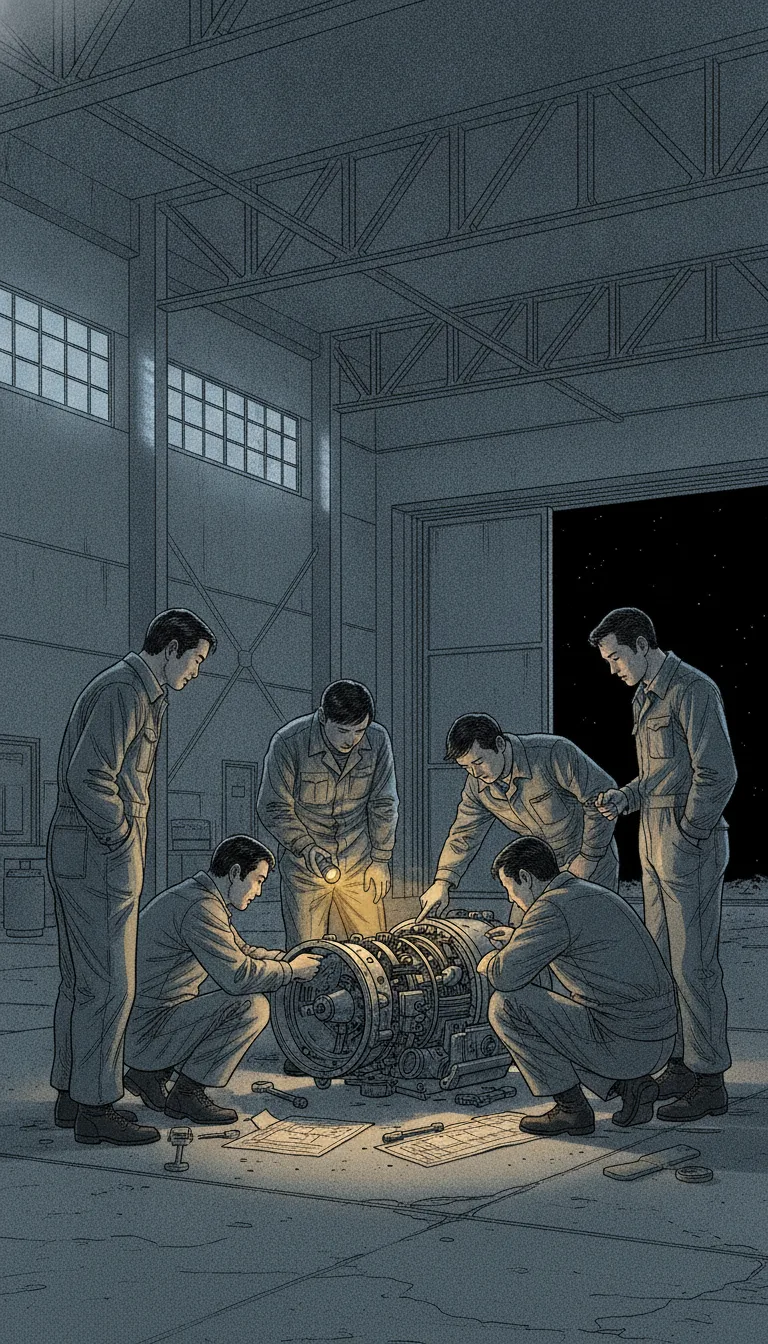
The diplomatic storm was immediate. Moscow demanded the aircraft and its pilot returned at once. Japan, caught between an angry superpower and a valuable intelligence opportunity, made a careful choice. Belenko was granted asylum. The jet was handed over to American and Japanese intelligence analysts, who spent two months taking it completely apart.
What they found was both impressive and revealing. The MiG-25 was genuinely fast — capable of reaching Mach 2.8 — but its technology told a different story than the one Western analysts had feared. The aircraft used large vacuum tubes rather than transistors in its electronics, a far older technology than expected. Its radar was powerful but crude, designed to overwhelm rather than to be precise. The airframe was made largely of steel rather than lightweight titanium, which explained both its weight and its limited maneuverability.
For years, NATO planners had believed the MiG-25 represented a terrifying leap in Soviet aerospace capability. Belenko's defection proved it was a specialized interceptor — exceptional in a narrow role, but not the all-purpose super-fighter the West had imagined. The intelligence findings directly shaped American aircraft development throughout the late Cold War.
True to their word, the Soviets eventually received their jet back — disassembled, in crates, after every secret had been extracted. The bill for storage and handling was included.

A New Life, A Lasting Legacy
Belenko was resettled in the United States, given citizenship, and reportedly worked for years as a consultant to the American aerospace and defense community. He gave extensive debriefings that offered rare, ground-level insight into Soviet military culture, pilot training, and the internal morale of the Red Air Force. His account of everyday life in the Soviet armed forces — the alcoholism, the corruption, the crumbling infrastructure — contradicted the image of a disciplined, unified military machine that Moscow carefully projected.
His story was later told in the book MiG Pilot, written by journalist John Barron and published in 1980, which brought his defection to a wide public audience for the first time.
Why It Still Matters
Belenko's defection was not simply a dramatic escape story. It was a moment when one man's personal disillusionment produced one of the most significant intelligence coups of the entire Cold War. It changed how the West understood Soviet military power, influenced a generation of aircraft design, and reminded the world that even the most carefully guarded systems depend, in the end, on the loyalty of the people inside them.
Sometimes the most important secrets travel at low altitude, just below the radar.