A Country Built on Silence
To understand why September 7, 1986 mattered, you first need to understand what apartheid actually meant in daily life.
Apartheid — the Afrikaans word for "separateness" — was not simply racial prejudice. It was a legal architecture, brick by brick, designed to control every aspect of Black South African existence. The Population Registration Act sorted people by race at birth. The Group Areas Act told them where they could live. The Pass Laws told them where they could move. Violation meant arrest. Resistance meant prison, exile, or worse.
Black church leaders were not immune. The government banned organisations, seized passports, and monitored sermons. When voices grew too loud, they disappeared. Steve Biko was killed in police custody in 1977. Nelson Mandela had already been locked on Robben Island for over two decades. The message from Pretoria was consistent and brutal: know your place.
Into this world, Desmond Mpilo Tutu refused to stay quiet.
The Man Before the Mitre
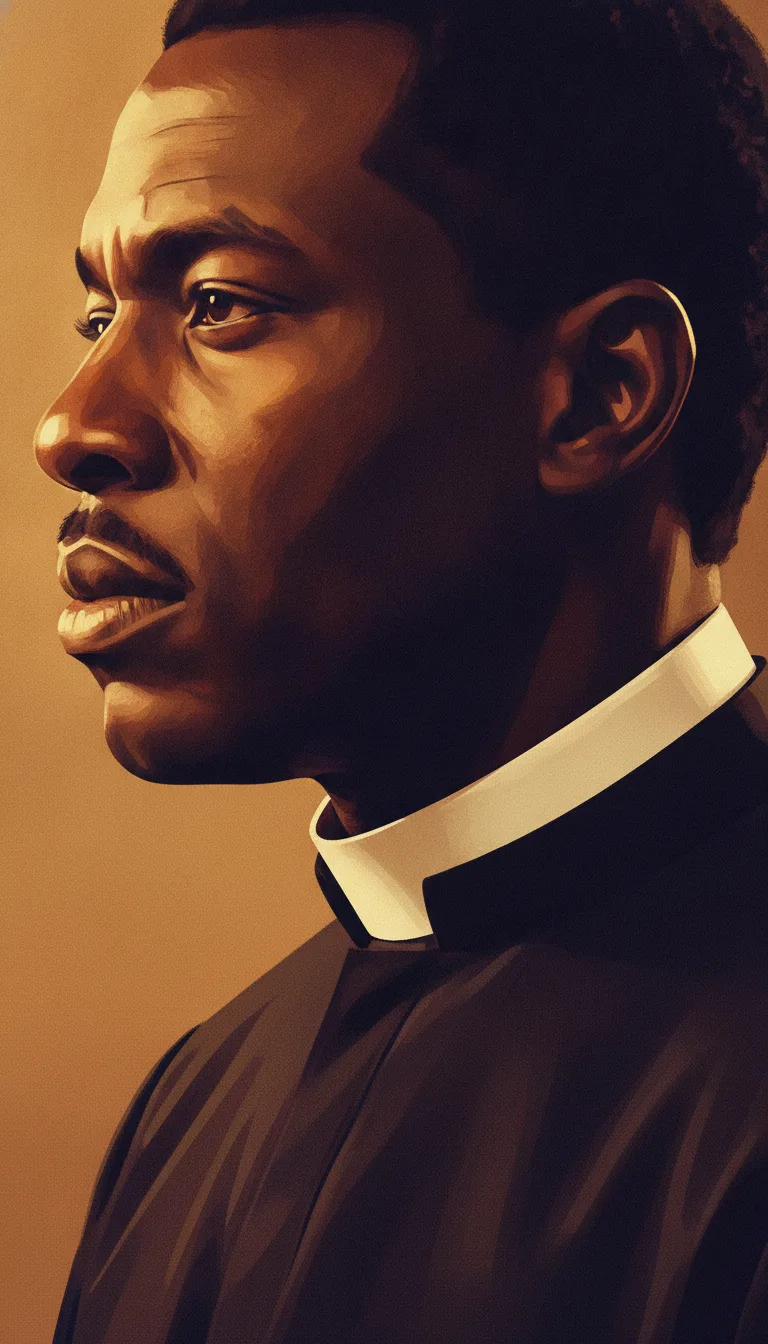
Tutu was born in 1931 in Klerksdorp, a mining town in the western Transvaal. His father was a schoolteacher. His mother worked as a domestic servant. He trained as a teacher himself before deciding that apartheid's Bantu Education system — deliberately designed to limit Black intellectual development — was something he could not serve. He turned instead to the church.
Ordained as an Anglican priest in 1960, he studied theology in London and returned home changed — exposed to a world where Black men led institutions, spoke at lecterns, and were treated as full human beings. That vision never left him.
Through the 1970s and early 1980s, he accumulated roles and influence: Bishop of Lesotho, Secretary General of the South African Council of Churches, Bishop of Johannesburg. At each position, he did the same thing — used the church's moral authority as a shield and a weapon. He called for international economic sanctions against South Africa, a position that infuriated Pretoria and made him a target. The government confiscated his passport more than once. They investigated his council's finances. They tried, repeatedly, to discredit him.
None of it worked. In 1984, the Nobel Committee awarded him the Peace Prize. The regime that had tried to silence him had inadvertently handed him the world's most visible microphone.
The Weight of September 7
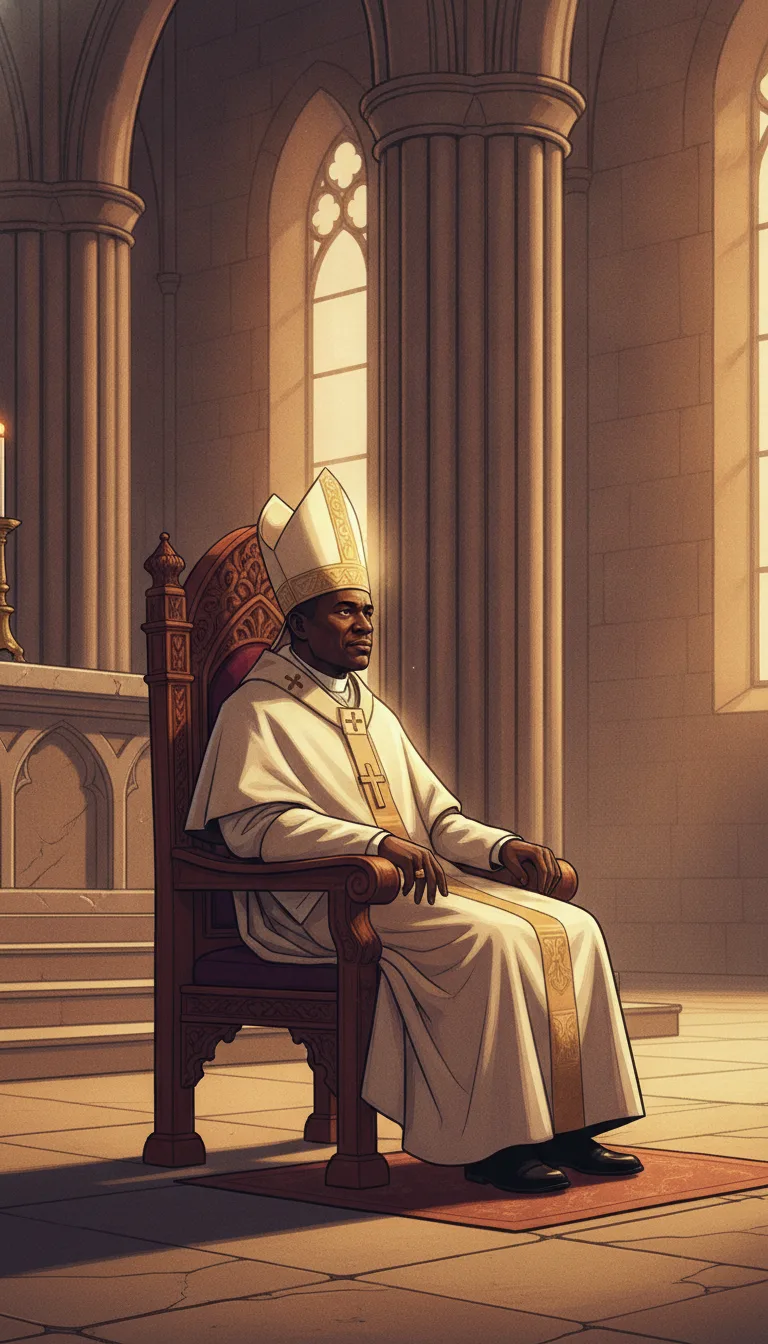
When Tutu was enthroned as Archbishop of Cape Town on September 7, 1986, the ceremony carried layers of meaning that went far beyond church hierarchy.
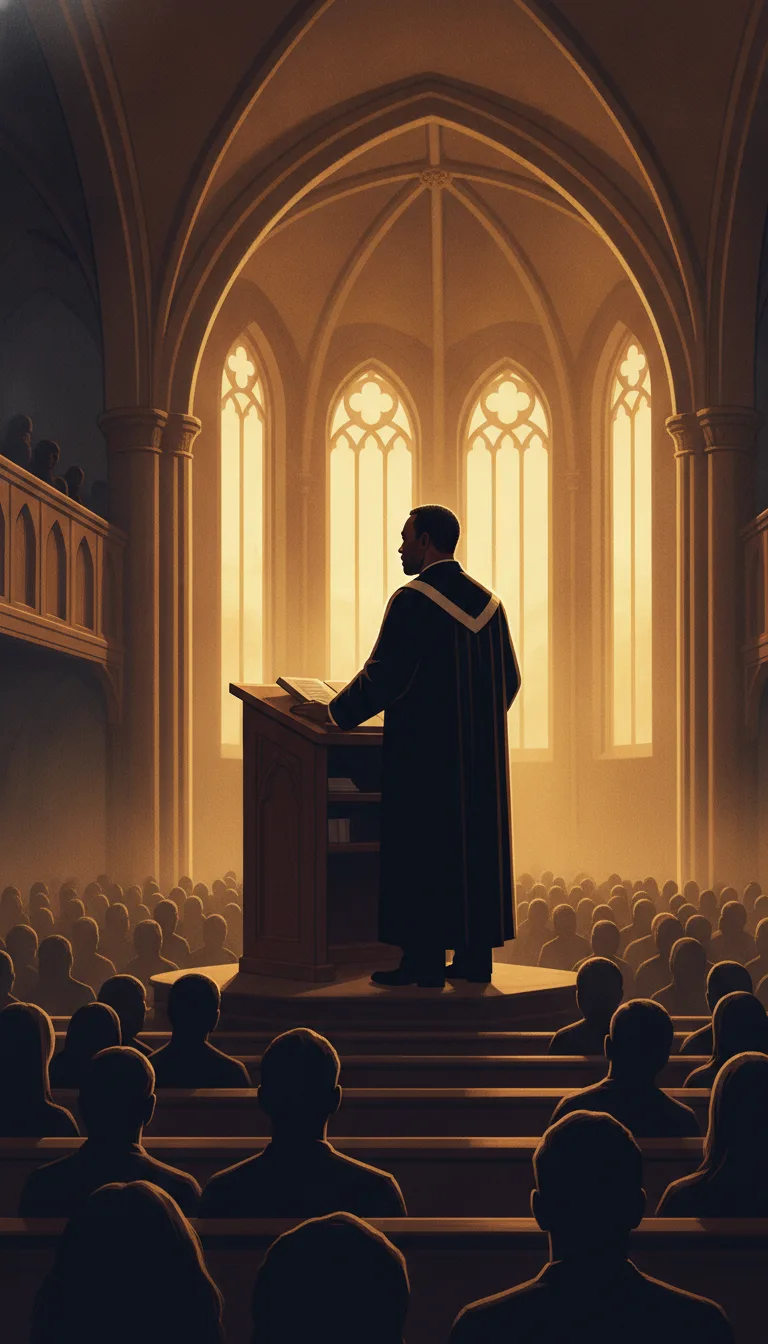
Cape Town's St. George's Cathedral was itself a site of resistance. Its Gothic walls had sheltered anti-apartheid gatherings when public meetings were banned. The Archbishop's throne — the cathedra — represented institutional authority the government could not legally touch. A church appointment was one of the few appointments apartheid could not veto.
Tutu became not just the first Black Archbishop of Cape Town, but the head of the Anglican Church in all of southern Africa. In a society where nearly every public institution reflected white minority control, this was a genuine rupture. He wore the vestments of an office that colonial society had assumed would always belong to someone who looked different from him.
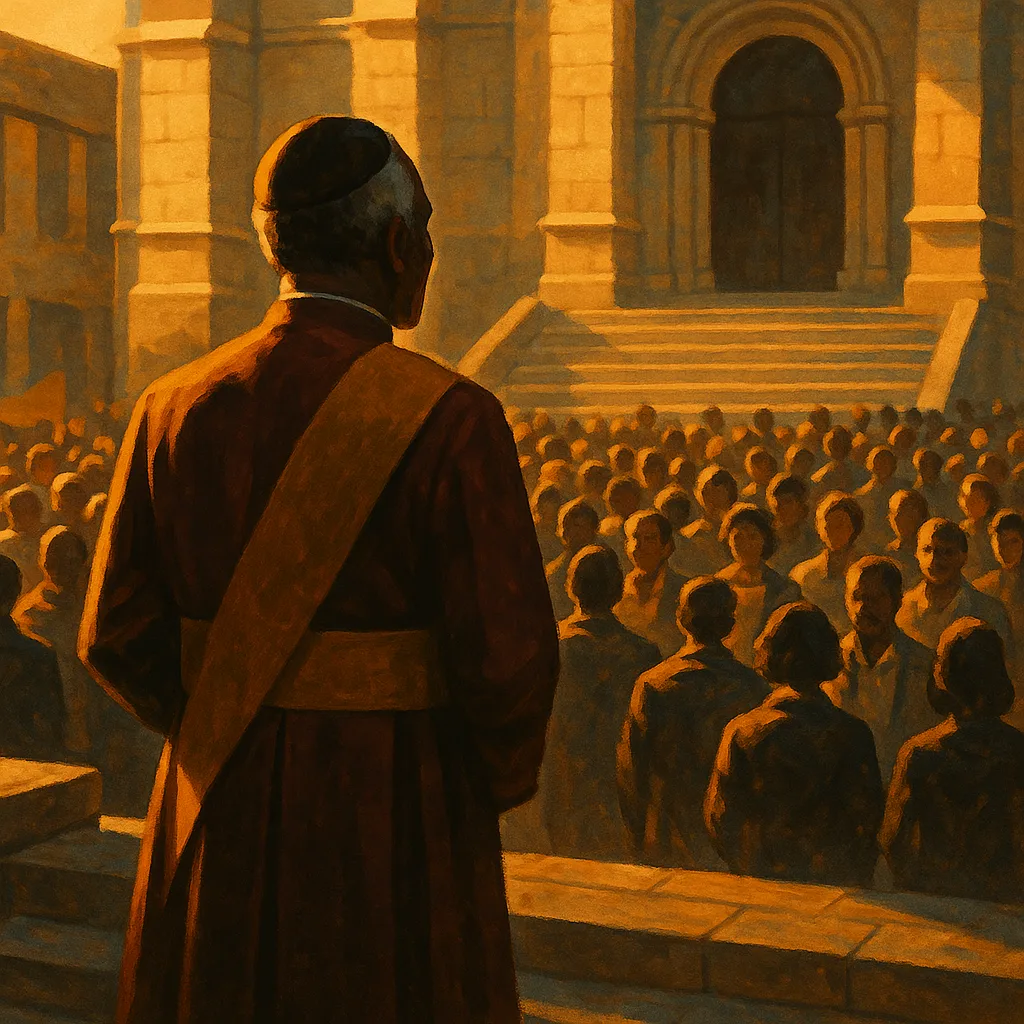
And he used it immediately. The cathedral became a gathering point. When police fired tear gas and water cannons at protesters outside in 1989, Tutu led a march of 30,000 people through Cape Town's streets in defiance — one of the largest legal protests the city had seen in years.
Why It Still Matters
Apartheid formally ended in 1994. Tutu went on to chair South Africa's Truth and Reconciliation Commission — perhaps the most demanding moral task given to any single individual in the post-Cold War world. He spent years listening to testimony from both victims and perpetrators, insisting that acknowledgment, not vengeance, was the path forward.
He died on December 26, 2021, at age 90.
What his 1986 installation demonstrated was something regimes consistently underestimate: that institutions have power, and that when the wrong person — by the regime's definition — occupies a legitimate institution, the ideology built around exclusion begins to crack.
They could jail politicians. They could ban organisations. They could not un-Archbishop Desmond Tutu.