A Mind Built for Boundaries
Kathryn Sullivan was never interested in staying within easy reach. Growing up in Palos Verdes, California, she devoured maps and atlases the way other children read comic books — not as decorations, but as invitations. Every coastline, mountain range, and ocean trench was a question worth answering. That curiosity eventually carried her to two of the most extreme places a human being can go.
She studied languages at UC Santa Cruz before turning toward the earth sciences, earning her PhD in geology from Dalhousie University in Canada in 1978. Her research focused on marine geology — the structure of the ocean floor. She was already someone who thought in terms of deep time and hidden places. Space, when the opportunity arrived, was simply another frontier her mind was ready for.
The Door That Finally Opened
For most of NASA's early history, the astronaut corps was effectively closed to women. The original Mercury program had quietly tested female pilots in the early 1960s — a group history now calls the Mercury 13 — but none were selected. The official reasoning involved military jet experience, which women were barred from at the time. The real reasons ran deeper.
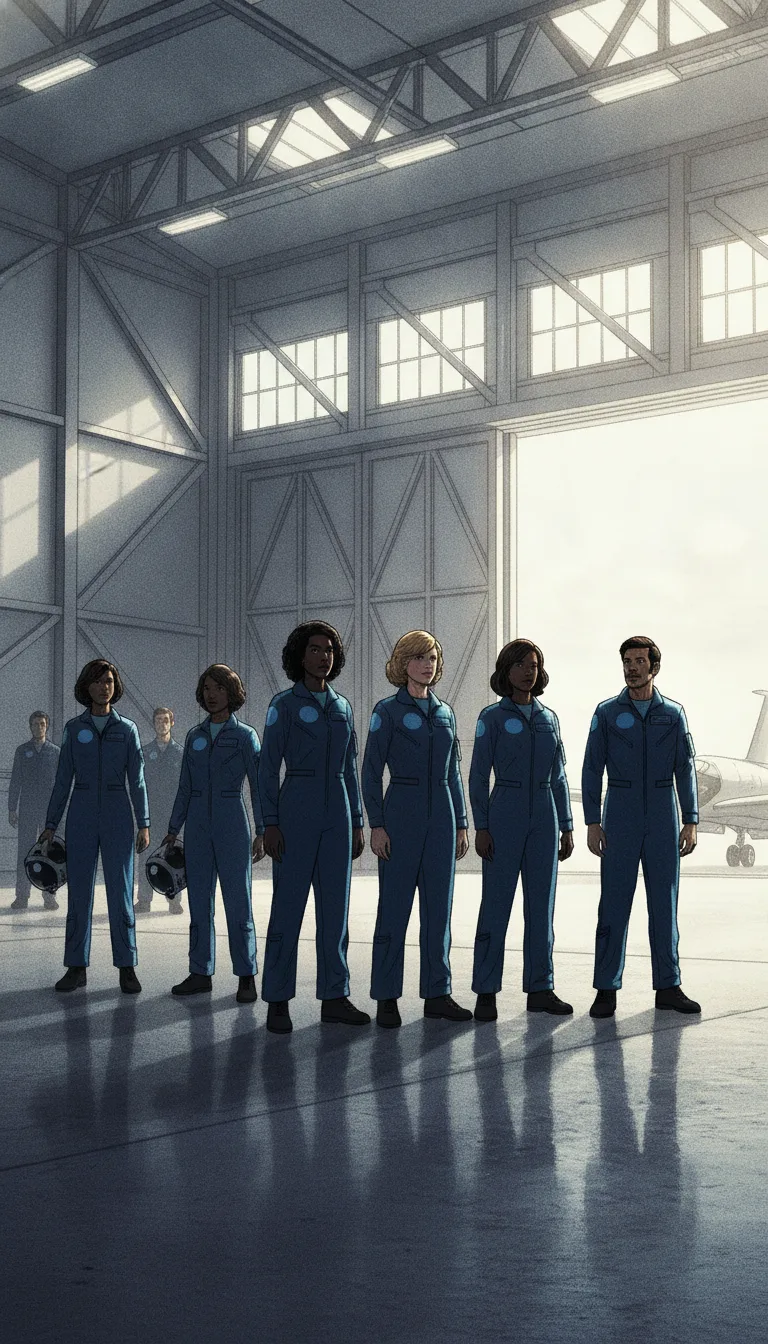
By 1978, the social landscape had shifted enough that NASA issued a genuinely open call. That year's class, known as the Thirty-Five New Guys (a nickname that aged poorly), included six women for the first time. Sullivan was among them, alongside Sally Ride, Anna Fisher, Shannon Lucid, Judith Resnik, and Margaret Rhea Seddon. They were not tokens — they were scientists, engineers, and pilots selected on merit in a newly competitive pool.
Sullivan trained for years before her first mission. When she flew aboard Space Shuttle Challenger on STS-41-G in October 1984, the crew was already making history: mission specialist Sally Ride was making her second spaceflight, making it the first American crew to include two women simultaneously.
Eight Minutes That Rewrote the Record Books
On October 11, 1984, Sullivan and fellow astronaut David Leestma floated outside the shuttle to demonstrate the in-orbit refueling of satellites — a procedure NASA hoped would make the aging satellite fleet more sustainable. The spacewalk lasted just under three and a half hours.
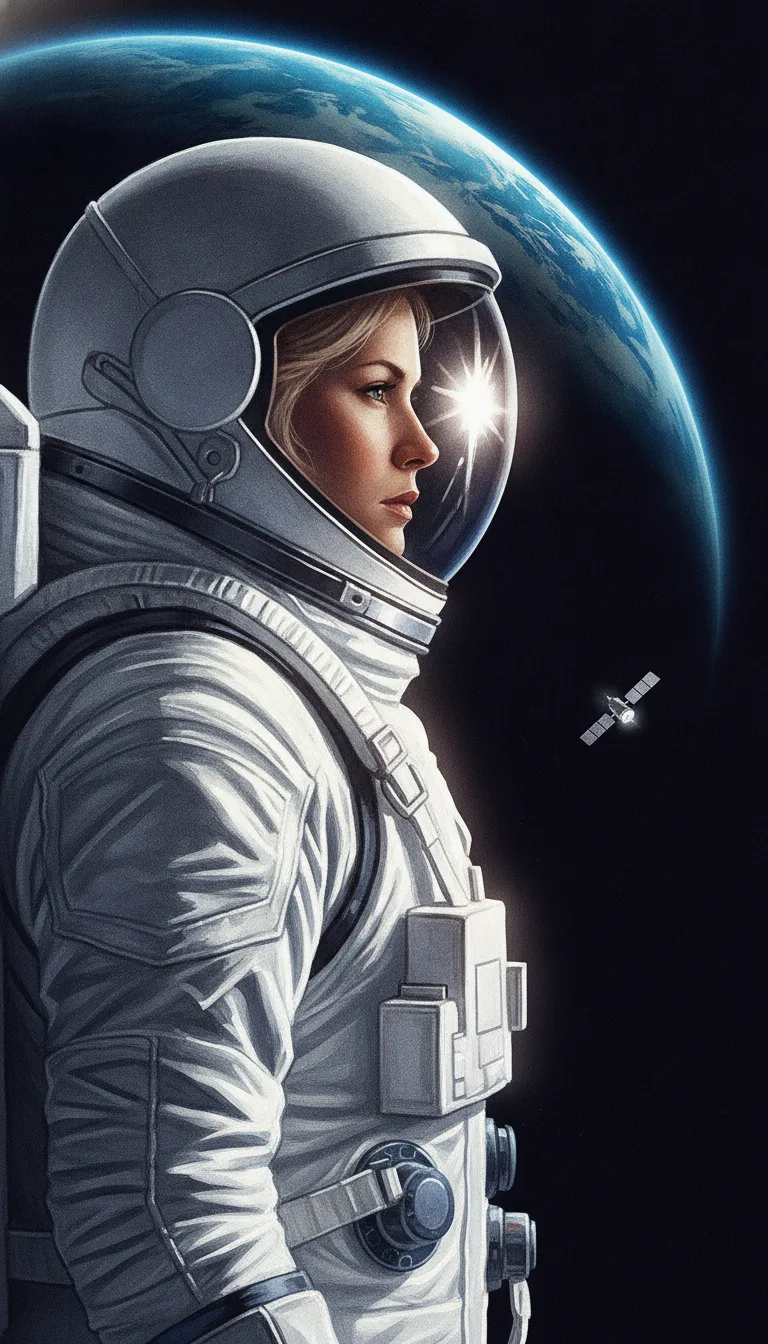
For Sullivan, the technical objective was almost secondary to the physical reality of what she was doing. She was 225 miles above Earth, moving at 17,500 miles per hour, secured to a spacecraft by nothing but a tether and a spacesuit. She described looking down at the planet — whole, curved, breathing with weather systems — as something that permanently rewired how she understood her place in the world. She became the first American woman to perform a spacewalk. Soviet cosmonaut Svetlana Savitskaya had done so just three months earlier, in July 1984, making Sullivan the second woman in history to achieve it.
What She Did With the Decades Between
Sullivan's career after NASA was as restless as her career before it. She served as NOAA's chief scientist, worked in government science policy, and eventually became administrator of NOAA itself from 2014 to 2017 — one of the most senior science roles in the United States government. Her focus on oceans never dimmed. If anything, the geology training and the astronaut's perspective on a fragile, water-covered planet made her more committed to understanding what lies beneath.
Into the Deepest Dark
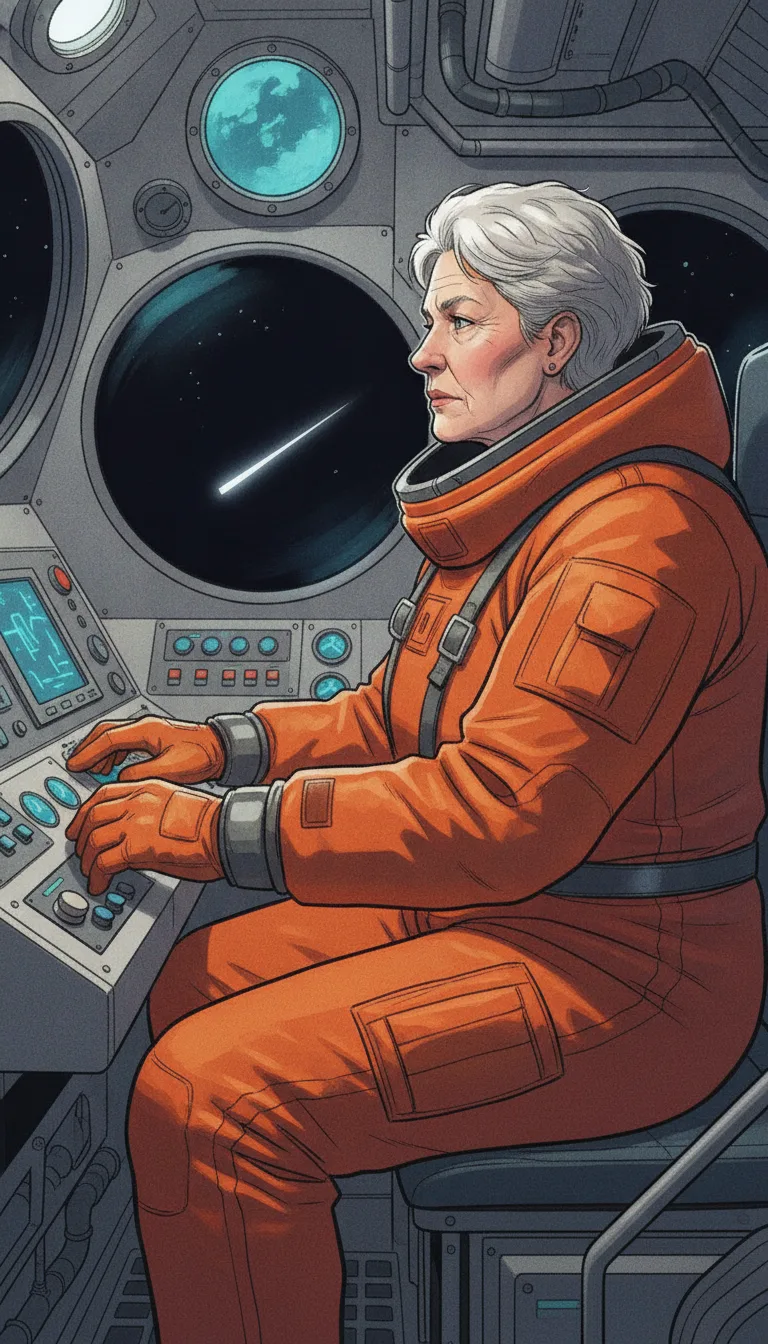
In June 2020, at age 68, Sullivan descended to Challenger Deep — the lowest known point on Earth's surface, located in the Mariana Trench in the western Pacific Ocean. At approximately 35,810 feet below sea level, it sits deeper than Mount Everest is tall. She traveled aboard a submersible operated by the private expedition company EYOS, becoming the first woman in history to reach that depth.
Hours after surfacing, she spoke by phone with the crew of the International Space Station — an extraordinary moment connecting the two extremes she had personally touched.
Why It Matters Beyond the Records
It would be easy to reduce Sullivan's story to a list of firsts. But the more honest reading is about what sustained curiosity looks like across a lifetime. She did not stop at the spacewalk. She did not retire on her legacy. She kept asking where the unexplored places were and then went to them.
In an era when the word explorer can feel like marketing, Sullivan's biography is a reminder of what it actually requires: decades of disciplined preparation, a tolerance for genuine risk, and a refusal to mistake achievement for arrival.