The Man Before Ringo
Before there was Ringo Starr, there was Pete Best. And before Pete Best, the Beatles were a band still searching for a heartbeat.
When John Lennon, Paul McCartney, and George Harrison needed a permanent drummer in 1960, they were preparing for a grueling run of performances in Hamburg, Germany — a city known for its rough, late-night music clubs where bands played for hours at a stretch, sometimes until dawn. They needed someone reliable, and fast. Pete Best, the quiet and handsome son of a Liverpool club owner, auditioned and got the job. He was 18 years old.
What followed was one of the most important apprenticeships in rock history. The Hamburg years were brutal and formative. The Beatles played marathon sets — sometimes five or six hours a night — in crowded, smoky clubs like the Kaiserkeller and the Star-Club. This relentless schedule forged them into an exceptionally tight live band. Pete was there for all of it. He played through exhaustion, noise, and chaos alongside the others, night after night.
Liverpool's Favourite Beatle
Back in Liverpool, Pete Best had something unusual: he was a local heartthrob. At the Cavern Club, where the Beatles became a phenomenon before the rest of the world caught on, Pete attracted devoted fans — sometimes the loudest in the room. His brooding, silent stage presence created a kind of mystique. He rarely smiled on stage, which only seemed to deepen the fascination.
Paul, John, and George were charming and gregarious. Pete was different — quieter, more reserved. Paradoxically, this made him enormously popular with a certain segment of Beatles fans, particularly young women who attended Cavern shows repeatedly just to watch him play.
A Phone Call That Changed Everything
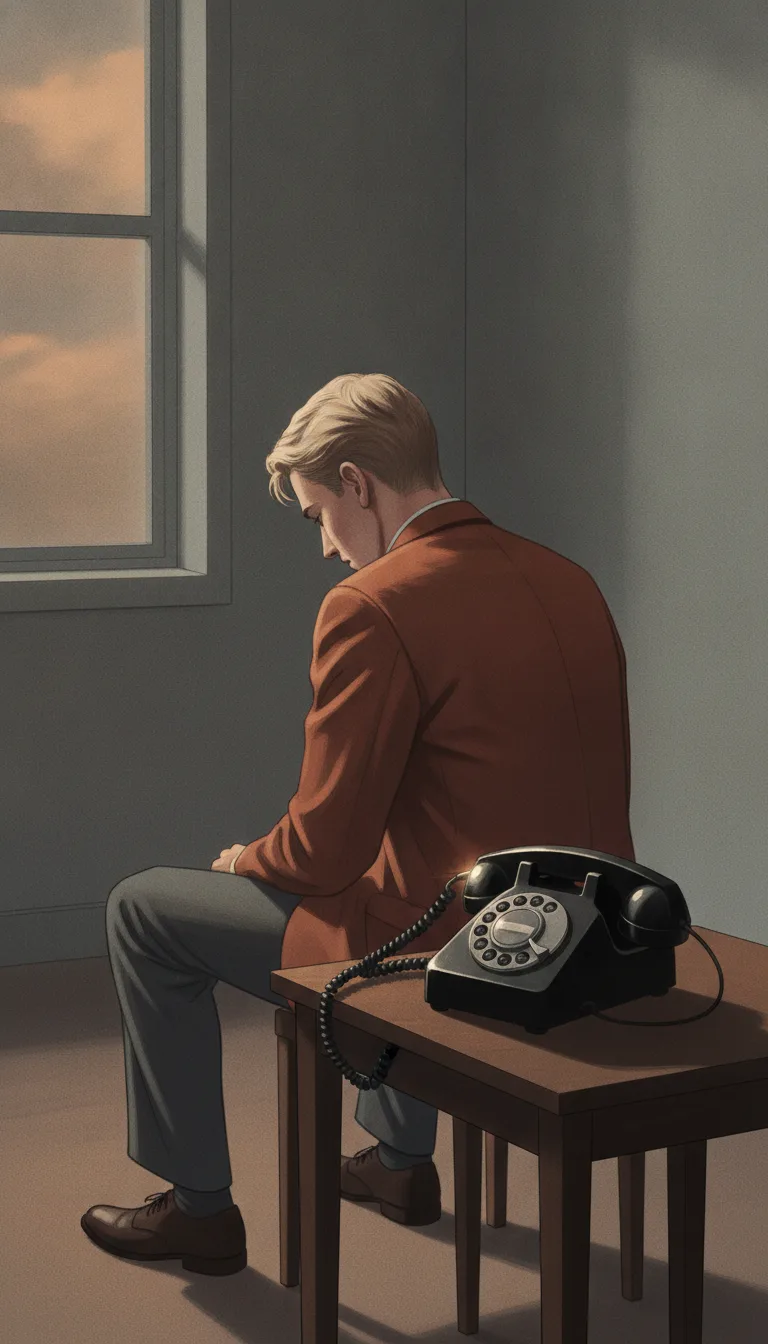
In August 1962, the Beatles were on the edge of a breakthrough. Producer George Martin had signed them to EMI's Parlophone label, and recording sessions were beginning. It was at this moment that manager Brian Epstein summoned Pete to his office and told him, plainly, that he was out of the band.
No detailed explanation was offered. Pete was given no warning, no farewell show, no proper goodbye from his bandmates. John, Paul, and George did not call him themselves. The exact reasons have been discussed and debated for decades. George Martin had expressed reservations about Pete's drumming during early studio sessions, suggesting he lacked the precision needed for recording. There were also suggestions — never fully confirmed — of internal tensions within the group. Whatever the combination of factors, the decision was made, and it was delivered coldly.
Ringo Starr, who had already earned a strong reputation drumming for Rory Storm and the Hurricanes, was invited to join. Within weeks, the Beatles recorded Love Me Do. Within months, Britain was in the grip of Beatlemania. Within a year, they had conquered America.

The Long Shadow
The years that followed were deeply painful for Pete Best. While his former bandmates appeared on television sets around the world, Pete struggled with depression and, by his own account, came close to taking his own life. He worked ordinary jobs — at one point as a civil servant in a Liverpool unemployment office — while the four men he had played alongside became the most famous musicians in history.
There were small ironies. Early Beatles recordings that featured Pete drumming were released over the years, meaning his playing exists permanently in the historical record. He did eventually receive some financial recognition when Anthology recordings were released in the 1990s, which included tracks from his era.
More importantly, Pete found a life. He married, raised a family, and eventually formed his own band, performing for appreciative audiences who came specifically to see him. In interviews across the decades, he has spoken with surprising thoughtfulness about his experience — acknowledging the pain while refusing to let bitterness define him.
Why This Story Endures
Pete Best's story resonates because it sits at the collision of ordinary human experience and extraordinary historical circumstance. He did nothing wrong. He worked hard, showed up, and contributed to something that became genuinely world-changing. Then, through a combination of timing, internal politics, and professional judgment calls, he was removed — days before the reward arrived.
It is a story about how history moves: sometimes ruthlessly, sometimes arbitrarily, always forward. And it raises a question worth sitting with — how many other Pete Bests are there, standing just outside the frame of the photograph that everyone remembers?