The World Before the Battle
By 216 BC, Rome had already survived two years of humiliation. Hannibal Barca, the Carthaginian general from North Africa, had done the unthinkable — he had marched an army of roughly 40,000 soldiers and war elephants over the Alps in winter, descending into Italy from a direction Rome never expected. He had already crushed Roman forces at the Trebia River in 218 BC and at Lake Trasimene in 217 BC, where he ambushed an entire Roman army in thick morning fog, killing around 15,000 men.
Rome was shaken. The Senate appointed a dictator — Quintus Fabius Maximus — who refused to fight Hannibal directly. His strategy was simple: shadow the Carthaginian army, cut off its supplies, and wait. Romans nicknamed him Cunctator, meaning "the Delayer." Many considered it cowardly. The people were furious. They wanted blood, not patience.
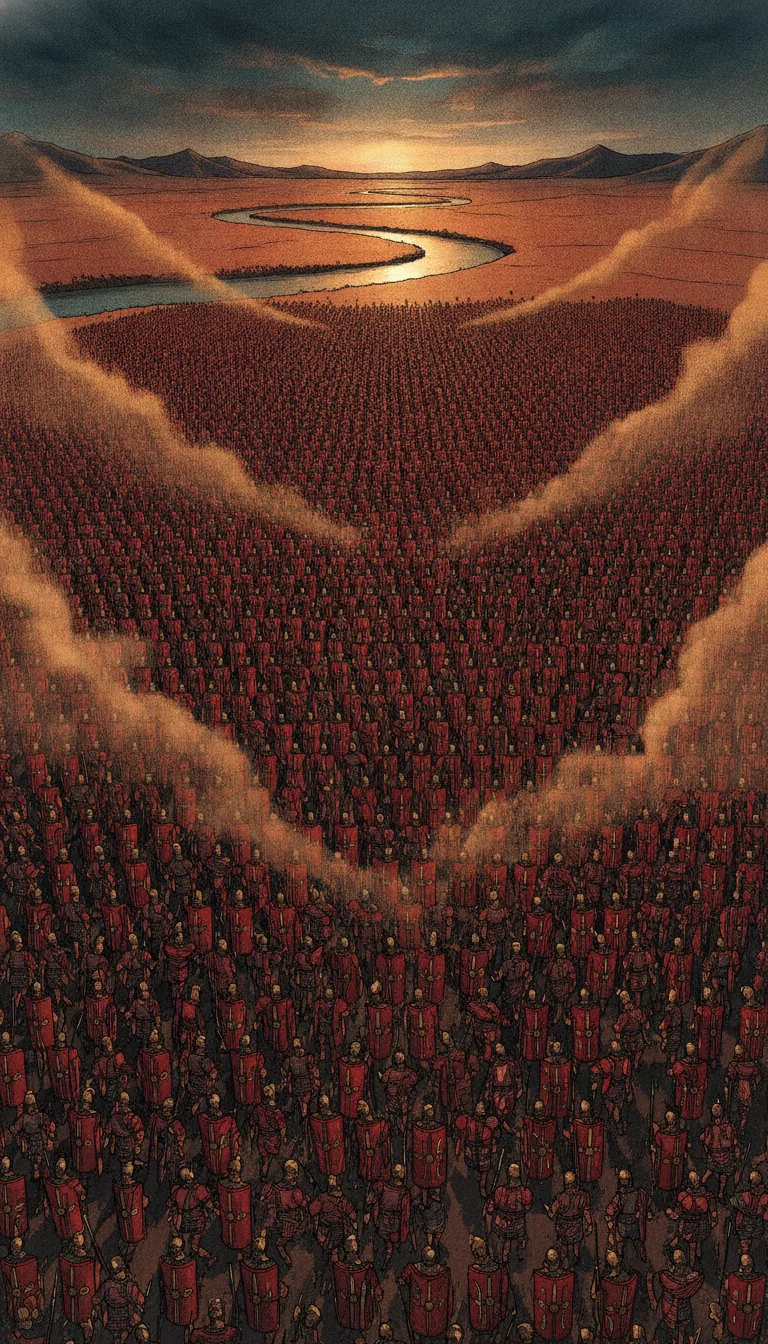
So in 216 BC, Rome made a decision driven as much by pride as by strategy. They assembled the largest army in their history — approximately 86,000 soldiers — under two consuls who rotated command daily: Lucius Aemilius Paullus and Gaius Terentius Varro. The plan was overwhelming force. The plan was to end this.
The Genius of the Formation
Hannibal understood something that his enemies did not: numbers alone do not win battles. Positioning does.
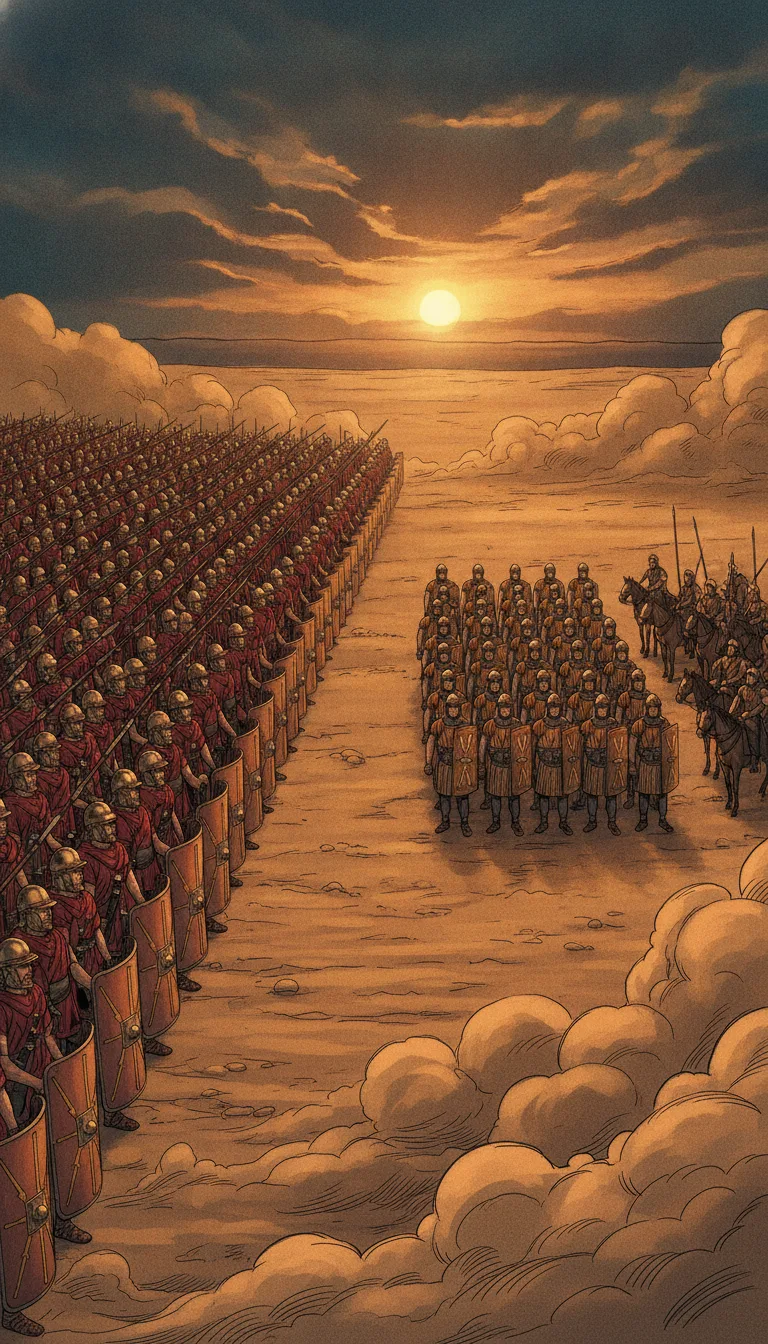
He placed his least experienced troops — Gauls and Spaniards — at the center of his line, deliberately pushing them slightly forward in a convex curve toward the Romans. His strongest, most disciplined African infantry he placed on both flanks. His cavalry anchored the far edges.
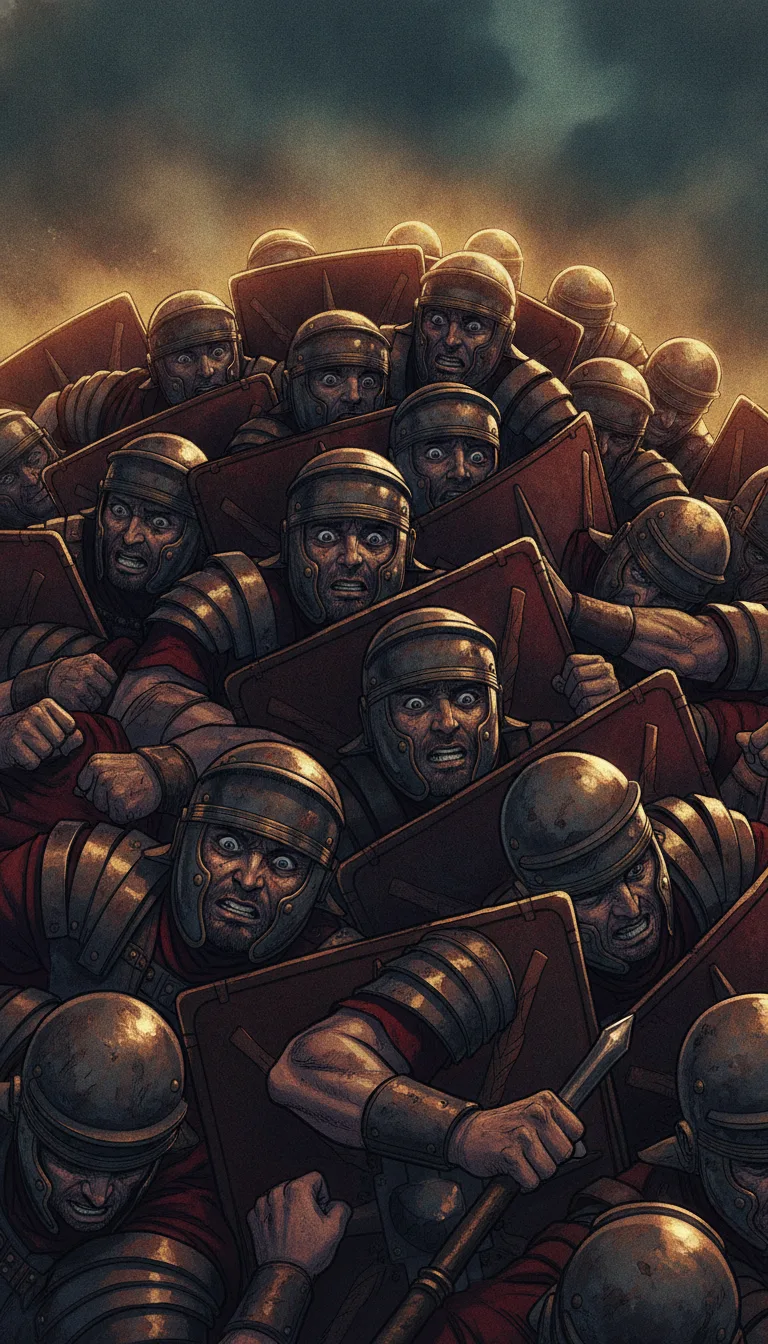
When the Roman legions charged, they did exactly what Hannibal predicted. They smashed into that soft center. The Gauls and Spaniards gave ground slowly, bending backward under Roman pressure. To the Romans, this felt like victory — the enemy was retreating. They pushed harder. They crowded inward, packing tighter and tighter as the curve collapsed into a crescent and then into a pocket.
At that precise moment, Hannibal's African flanks wheeled inward on both sides. His cavalry, having defeated the Roman horsemen on the wings, swept around to seal the rear. The Romans were now completely surrounded — not just on two sides, but on every side.
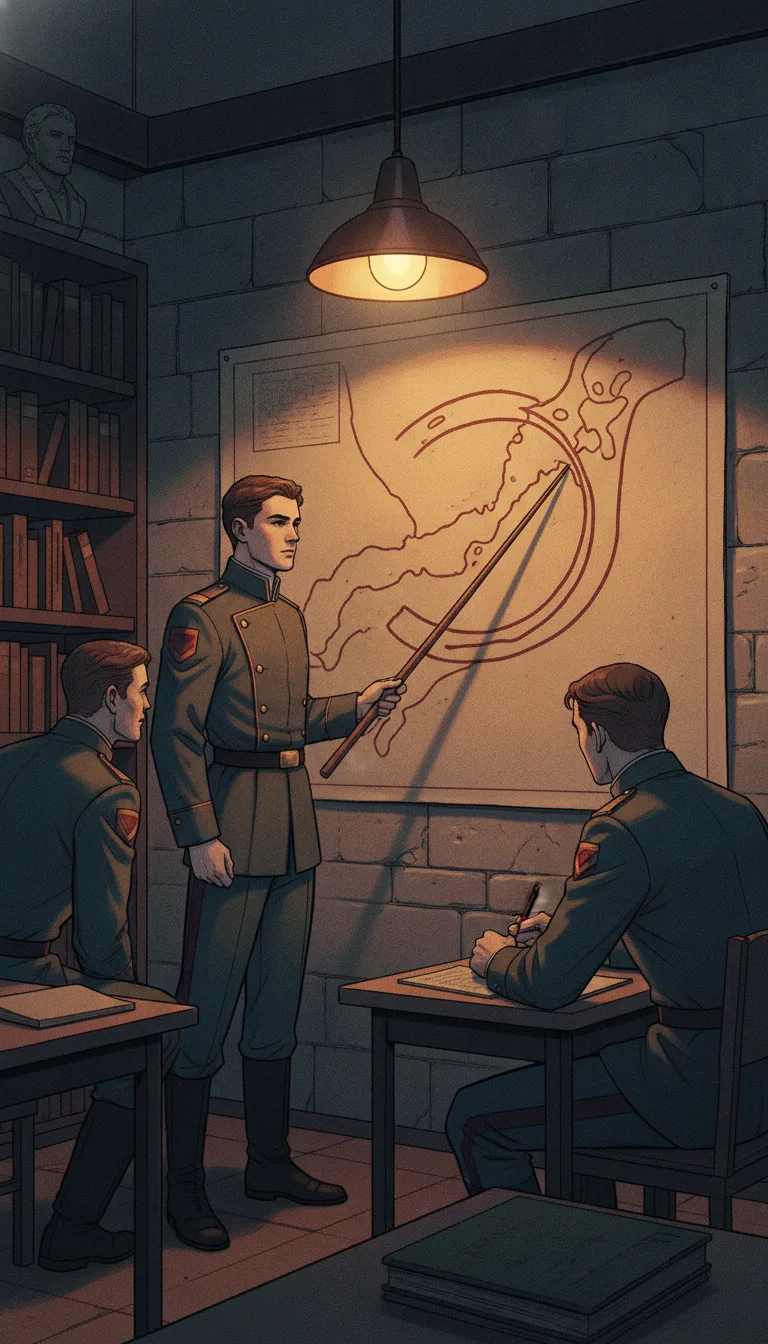
This is called a double envelopment, and it is considered one of the most perfectly executed tactical maneuvers in military history. Military academies still study it today.
What the Numbers Actually Mean
Approximately 47,500 to 70,000 Romans died that single afternoon — historians debate the precise figure, but even the most conservative estimates are staggering. Among the dead was the consul Aemilius Paullus himself, who refused to flee. Eighty senators died at Cannae. An estimated 3,500 Romans were captured.
To understand the scale: Rome lost more men in one day than the United States lost in the entire Vietnam War.
The survivors who staggered back to Rome brought a city to its knees. The Senate banned public mourning — not out of cruelty, but because they feared panic and collapse. Women were forbidden from wailing in the streets. Rome needed to hold itself together.
Why Rome Did Not Fall
What followed Cannae is, in some ways, more remarkable than the battle itself. Rome refused to negotiate. Hannibal sent an envoy offering peace terms and the return of prisoners for ransom. The Senate refused both. They would not pay ransoms for soldiers who had surrendered. They would not discuss peace.
This stubbornness — call it pride, call it extraordinary political will — ultimately decided the war. Hannibal had no siege equipment to take walled cities, and crucially, Carthage never sent him the reinforcements he needed. He spent the next decade winning battles across Italy while Rome rebuilt its armies, cut off his supply lines, and eventually took the war to Carthage's home territory in North Africa.
Hannibal was never defeated in Italy. He simply ran out of time and support.
Why Cannae Still Matters
The Battle of Cannae did not just shape Roman history — it shaped all of Western military thinking. Every general who has attempted a double envelopment since 216 BC has been consciously or unconsciously following Hannibal's blueprint. Germany's Schlieffen Plan before World War I was explicitly modeled on Cannae.
The deeper lesson, though, is about Rome itself. A city that lost 70,000 men in an afternoon and still refused to surrender tells you something important about what made Rome Rome. Cannae nearly broke them. But what came after it built an empire.