A War Built on Miscalculation
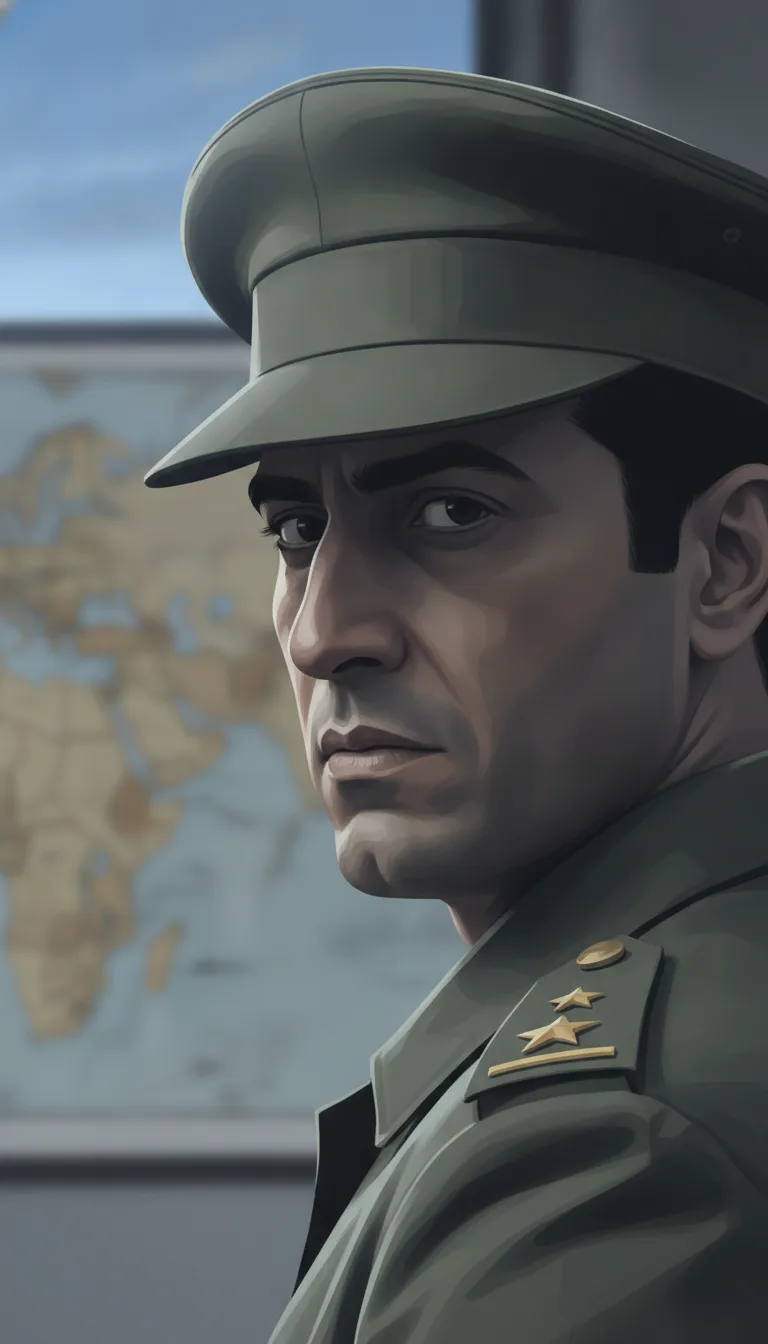
By the summer of 1980, Saddam Hussein believed he was looking at a perfect opportunity. Iran's Islamic Revolution of 1979 had dismantled the old military structure. The Shah's American-trained officer corps had been purged, imprisoned, or executed. The country was diplomatically isolated, cut off from Western weapons and spare parts after the hostage crisis at the US Embassy in Tehran. To Saddam, Iran looked like a house with no foundation — one hard push and it would fall.
There were also specific territorial grievances to settle. For years, Iraq had disputed the Shatt al-Arab waterway, a river forming part of the border between the two countries that both nations considered vital. A 1975 agreement had forced Iraq to share control of it with Iran. Saddam had signed that deal under pressure. He wanted it back. He also had his eye on Khuzestan, Iran's oil-rich southwestern province, home to a large Arab-speaking population. He imagined its people might welcome Iraqi forces as liberators.
On September 22, 1980, he acted on all of it.
The Invasion and Its Immediate Failure
Iraqi aircraft struck ten Iranian airbases in a coordinated strike clearly modeled on Israel's famous 1967 preemptive attack. It did not achieve the same result. Iran's air force, though weakened, survived. Iraqi ground forces crossed the border in multiple directions, advancing into Khuzestan with tanks and artillery. Early gains were real — the city of Khorramshahr fell after vicious street-by-street fighting that earned it the nickname "City of Blood." But the swift collapse Saddam had predicted never came.
What happened instead was something that surprised almost every outside observer. Iran mobilized with remarkable speed and emotion. The revolutionary government called on citizens to defend their homeland, and hundreds of thousands responded — not just regular soldiers, but volunteers organized through the Revolutionary Guards and a paramilitary force called the Basij. Many were very young, some barely teenagers. They were sent to the front with limited training but enormous conviction.
By late 1981 and into 1982, Iran had stabilized the front and begun pushing Iraq back. Khorramshahr was recaptured in May 1982 after one of the war's most intense battles. Iraq, suddenly on the defensive, proposed a ceasefire. Iran rejected it. The revolution's leaders, particularly Ayatollah Khomeini, saw an opportunity to push further — not just to defend Iran, but potentially to topple Saddam himself and spread the Islamic Revolution into Iraq.
Eight Years of Attrition
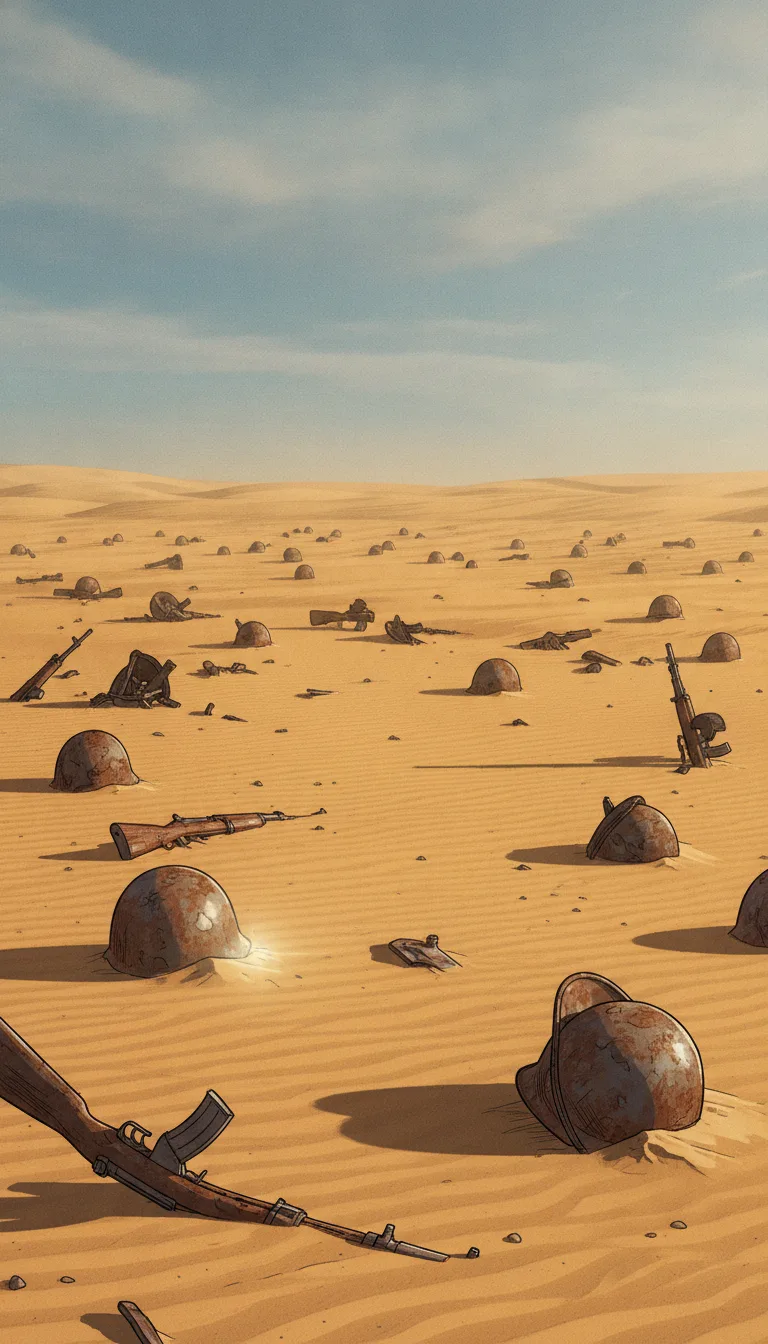
What followed was among the most brutal conflicts of the twentieth century's second half. The war settled into patterns that recalled the First World War — trenches, mass infantry assaults, artillery barrages lasting for days. Iran used human wave tactics, sometimes sending waves of fighters, including child soldiers, across minefields. Iraq responded with chemical weapons, including mustard gas and nerve agents, used against both Iranian soldiers and — in one of history's most documented war crimes — against Kurdish civilians in the town of Halabja in 1988, killing thousands.
Outside powers had their own interests at stake. The United States, fearing Iranian influence, quietly supported Iraq with intelligence and helped ensure Saddam had access to the weapons he needed. The Soviet Union supplied Iraq as well. Gulf Arab states, alarmed by the prospect of Iranian revolutionary ideology spreading to their own Shia populations, funded Baghdad with billions of dollars. Iran purchased weapons through shadow networks wherever it could find them, including, notoriously, a secret American arms deal that later exploded into the Iran-Contra scandal.
What the War Left Behind
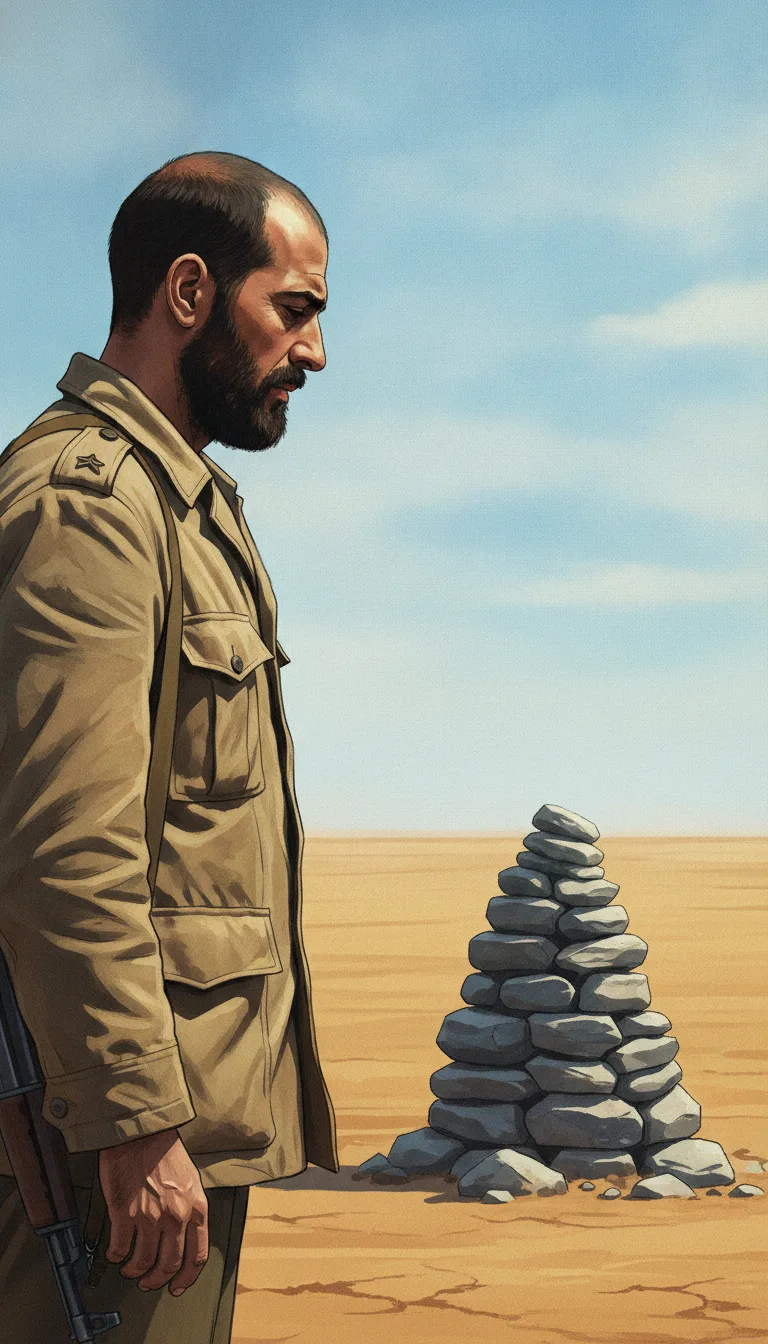
The ceasefire came in August 1988, accepted by Khomeini with words he described as "more deadly than taking poison." UN Resolution 598 ended the fighting. The border returned to where it had been in September 1980. Neither side had achieved anything it had set out to win.
The human cost was staggering. Estimates of the dead range from 500,000 to over one million, with millions more wounded, displaced, or permanently scarred. Iran's economy was shattered. Iraq emerged with a massive debt and a militarized society that Saddam would push, just two years later, into another catastrophic invasion — this time of Kuwait.
The Iran-Iraq War is sometimes called the "Forgotten War" in the West. It should not be. It shaped modern Iraq, modern Iran, and the entire landscape of Middle Eastern politics in ways that reverberate to this day.