A World on the Edge
In 490 BC, the Persian Empire was the largest the world had ever seen. It stretched from modern-day Iran across Central Asia, through Egypt, and into the edges of Europe. Dozens of peoples, languages, and cultures had already been absorbed into its machinery of power. When the Persian King Darius I turned his attention westward toward the small, fractious city-states of Greece, most observers would have considered the outcome obvious.
Athens was a young democracy — barely twenty years old at the time. The idea that ordinary citizens could govern themselves was radical, almost offensive to the imperial logic of Persia. When Athens made the mistake of supporting a rebellion against Persian rule in nearby Ionia, Darius took it personally. He reportedly instructed a servant to whisper the words "Remember the Athenians" to him three times at every meal. He did not forget.
The Road to Marathon
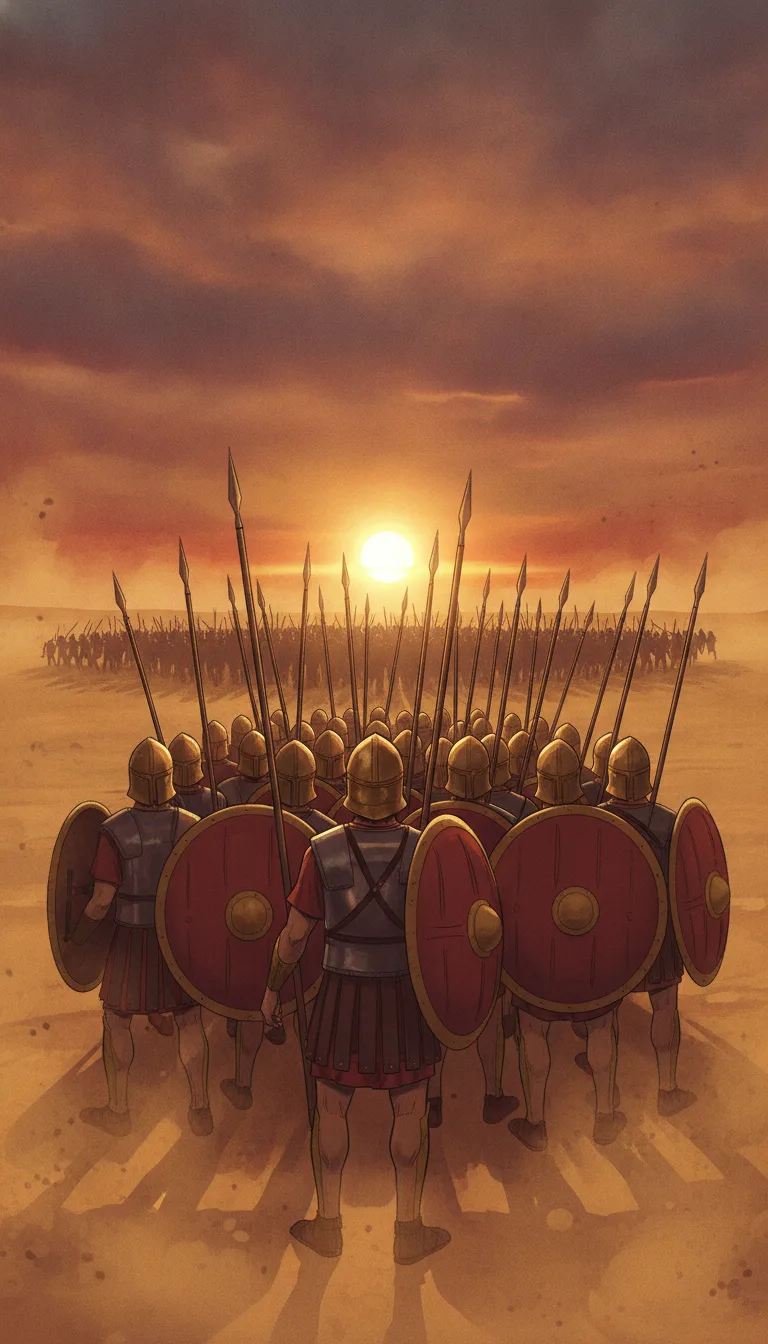
The Persian force that landed on the Greek coast in late summer 490 BC was enormous by ancient standards. Modern historians debate the exact numbers — ancient sources dramatically inflated Persian troop counts — but a realistic estimate places the Persian army somewhere between 20,000 and 60,000 soldiers, a force designed not just to win a battle but to send an unmistakable message.
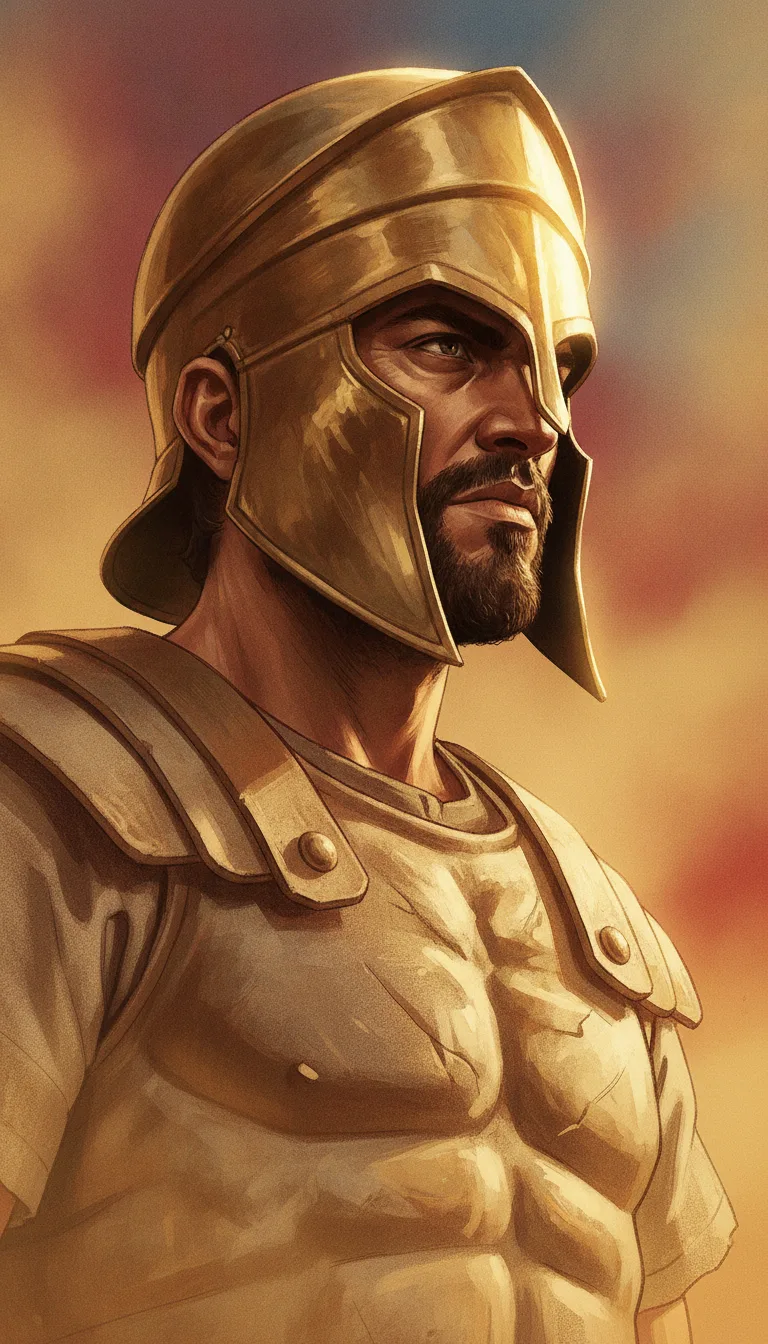
Athens dispatched a runner named Pheidippides on a mission that would become legendary: a 240-kilometer run to Sparta begging for military support. Sparta had a reasonable excuse — a religious festival prevented them from marching immediately — but the practical effect was the same. Athens would face Persia largely alone. The small city of Plataea sent roughly 1,000 men in solidarity, one of the more overlooked acts of courage in ancient history. And so a combined Greek force of perhaps 10,000 hoplite soldiers gathered on the plain of Marathon, staring across at a professional imperial army that had never been defeated in open battle.
The Genius of Miltiades
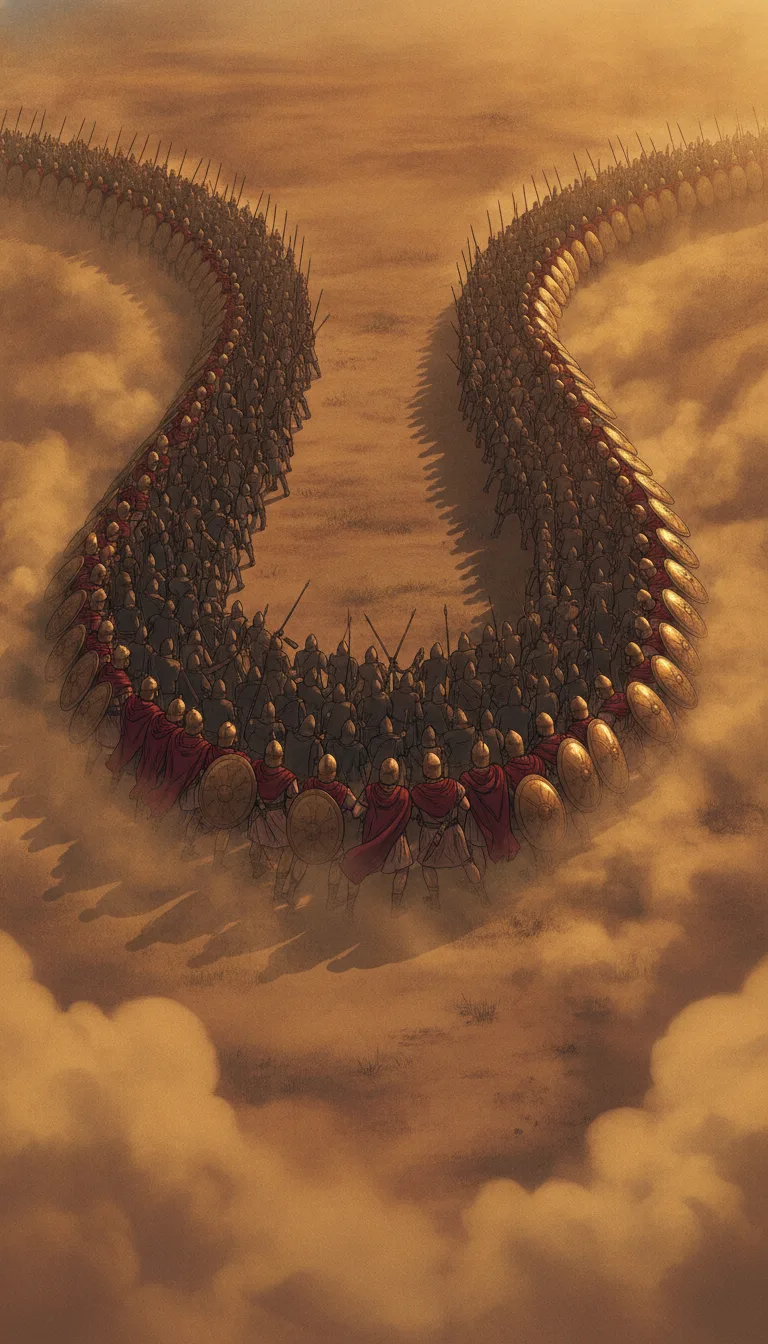
The Athenian general Miltiades had actually served within the Persian Empire before defecting. He understood Persian tactics in a way few Greeks could. The Persians typically relied on a strong center — elite infantry and archers — while expecting their flanks to hold. Miltiades designed a formation that deliberately inverted this logic.
He weakened the Greek center and strengthened the two flanks. Then came the order that stunned every Persian commander watching: the Greeks charged. At a run. Across open ground. In full armor.
Running reduced the time Greek soldiers spent exposed to Persian arrow fire, which had devastated previous enemies. When the Greek center was pushed back as planned, the strengthened flanks crashed inward, encircling a large portion of the Persian force. What had looked like a retreat became a trap. The Persian army, so accustomed to enemies breaking before them, found itself surrounded and fractured.
The Aftermath and the Legend
The Persians lost somewhere between 6,000 and 7,000 men. The Greeks lost fewer than 200. By any measure, it was a catastrophic Persian defeat.
The story that a soldier ran from Marathon to Athens to announce the victory — and then collapsed and died — is almost certainly a later invention, a dramatic story that fused with the memory of Pheidippides' earlier run to Sparta. But the legend endured powerfully enough to inspire the modern marathon race, introduced at the 1896 Athens Olympics and now run by millions of people every year.
Darius died before he could launch a second invasion. His son Xerxes eventually did invade a decade later, in 480 BC, with a far larger force — and Greece still survived, at Thermopylae, Salamis, and Plataea. But Marathon was the first proof that Persia could bleed.
Why It Still Matters
History rarely moves in straight, clean lines, and it is always worth resisting the temptation to call any single event inevitable. But the survival of Athens after Marathon allowed that young democracy to grow — to produce Socrates, Plato, Aristotle, the Parthenon, the concept of political debate, theater, and the foundational texts of Western thought.
Had Persia absorbed Athens in 490 BC, none of that was guaranteed. The ideas incubating in that city were fragile, new, and entirely dependent on the city's survival.
Ten thousand men chose to run toward the thing they feared. The ideas they were unknowingly protecting have now outlasted every empire that threatened them.