A Mind That Arrived with Nothing
When Nikola Tesla stepped off a ship in New York City in June 1884, he carried a letter of recommendation, a few personal belongings, and almost no money. He had crossed the Atlantic from Europe with enormous ambitions and a head full of ideas that most people at the time could not even begin to understand.
Born in 1856 in Smiljan, a village in what is now Croatia, Tesla showed extraordinary mental abilities from childhood. He could memorize entire books, perform complex calculations in his head, and visualize mechanical objects in three dimensions before building them. He studied physics and engineering in Austria and later worked for telephone companies in Budapest and Paris. By the time he reached America, he already had a clear vision of a new kind of electrical system — one that could transmit power across vast distances far more efficiently than anything then in existence.
That vision would change civilization. But it would not make him rich.
The Promise That Was Never Kept
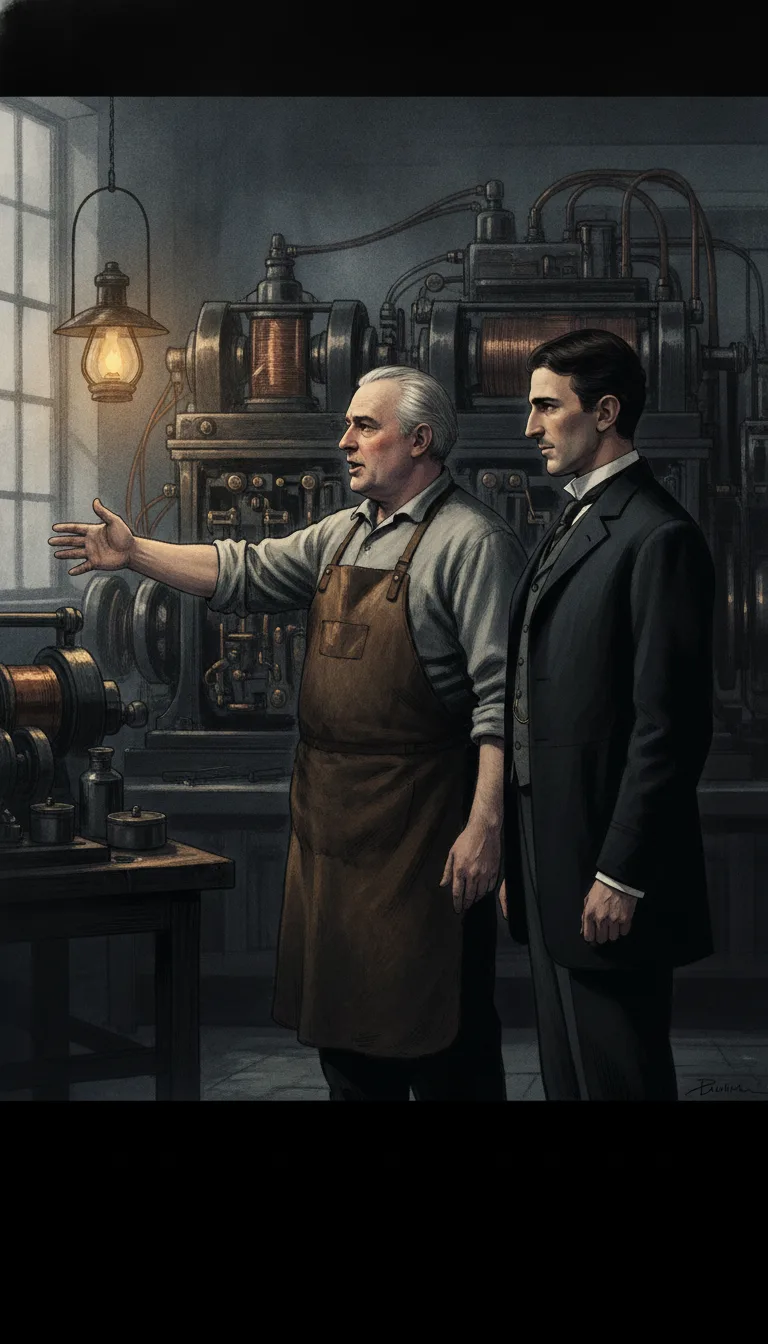
Thomas Edison was already a famous man when Tesla walked into his laboratory in Manhattan. Edison's company dominated the young electrical industry, and his direct current (DC) system powered the lights and motors of American cities. The problem was that DC had serious limitations. It lost power rapidly over long distances, which meant cities needed generating stations every few blocks.
Tesla went to work for Edison and quickly proved indispensable. According to Tesla's own account — which historians have widely accepted as credible — Edison offered him a substantial financial reward to overhaul and improve his DC generators and systems. Tesla spent months solving complex engineering problems that had frustrated Edison's other employees. When he asked for his payment, Edison reportedly dismissed the promise as a joke, telling Tesla he simply did not understand American humor.
Whether Edison truly made a formal promise or whether Tesla misunderstood the terms, the outcome was the same: Tesla received nothing extra and resigned. The episode was not merely a personal insult. It marked the beginning of one of the most consequential rivalries in the history of technology.
The War of Currents
Tesla did not simply walk away defeated. He founded his own laboratory and developed his alternating current (AC) system — a fundamentally different approach to electricity that could travel hundreds of miles without significant power loss. He partnered with the industrialist George Westinghouse, who recognized the commercial potential immediately.
Edison responded aggressively. He launched a public campaign to convince the American public that AC electricity was lethally dangerous. His team famously electrocuted animals — including, in 1903, a circus elephant named Topsy — using AC current to dramatize the danger. It was a deliberate disinformation campaign driven by business interests rather than scientific honesty.
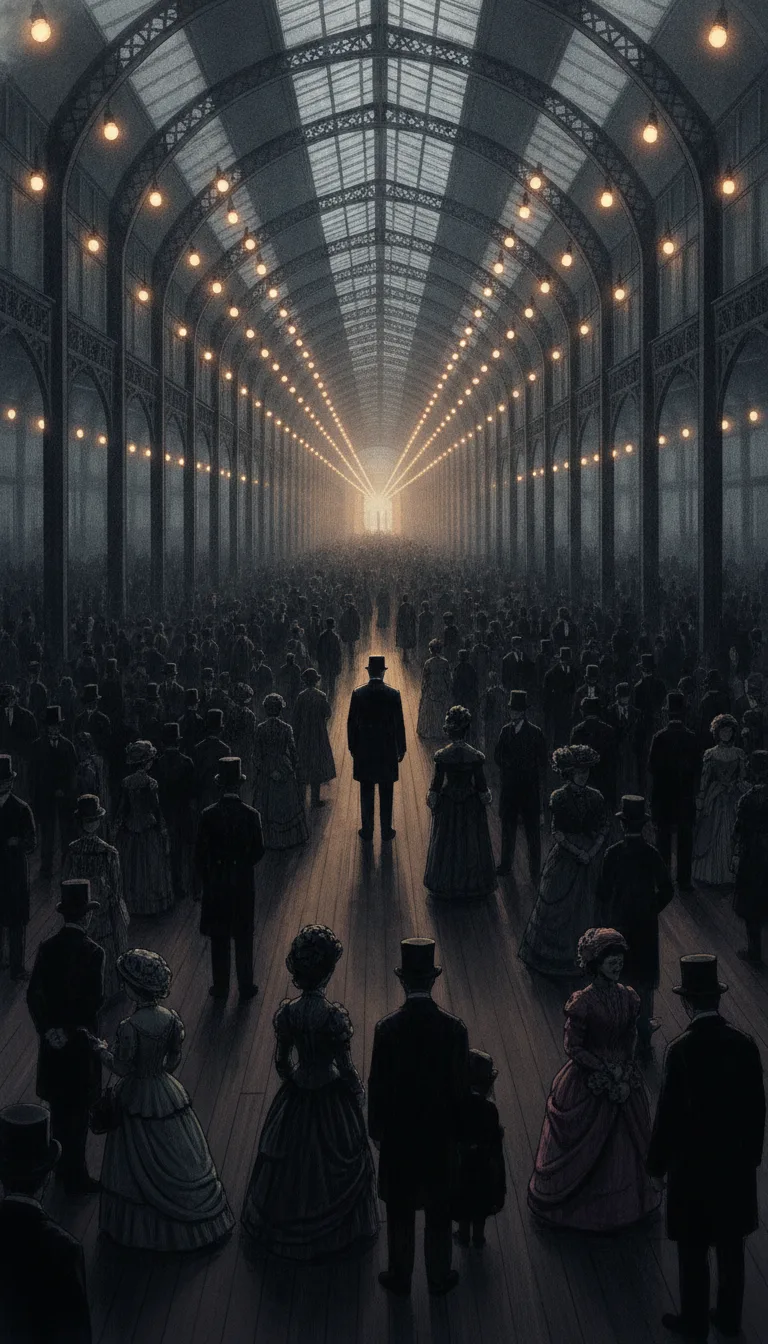
The decisive moment came at the 1893 World's Columbian Exposition in Chicago, where Tesla and Westinghouse won the contract to illuminate the entire fairground using AC power. Nearly 27 million visitors witnessed electric light on a scale never seen before. Two years later, Tesla's AC generators at Niagara Falls began transmitting power across the region. The future of electricity was settled. The world runs on AC to this day.
The Lonely Decades
Victory in the technical argument did not translate into lasting prosperity for Tesla. His later years were defined by increasingly ambitious — and expensive — projects. His most audacious dream was a global wireless transmission tower called Wardenclyffe, designed to send both information and electricity freely around the world. His primary financier, J.P. Morgan, withdrew funding when it became clear the system could not easily be monetized. The unfinished tower was demolished in 1917.
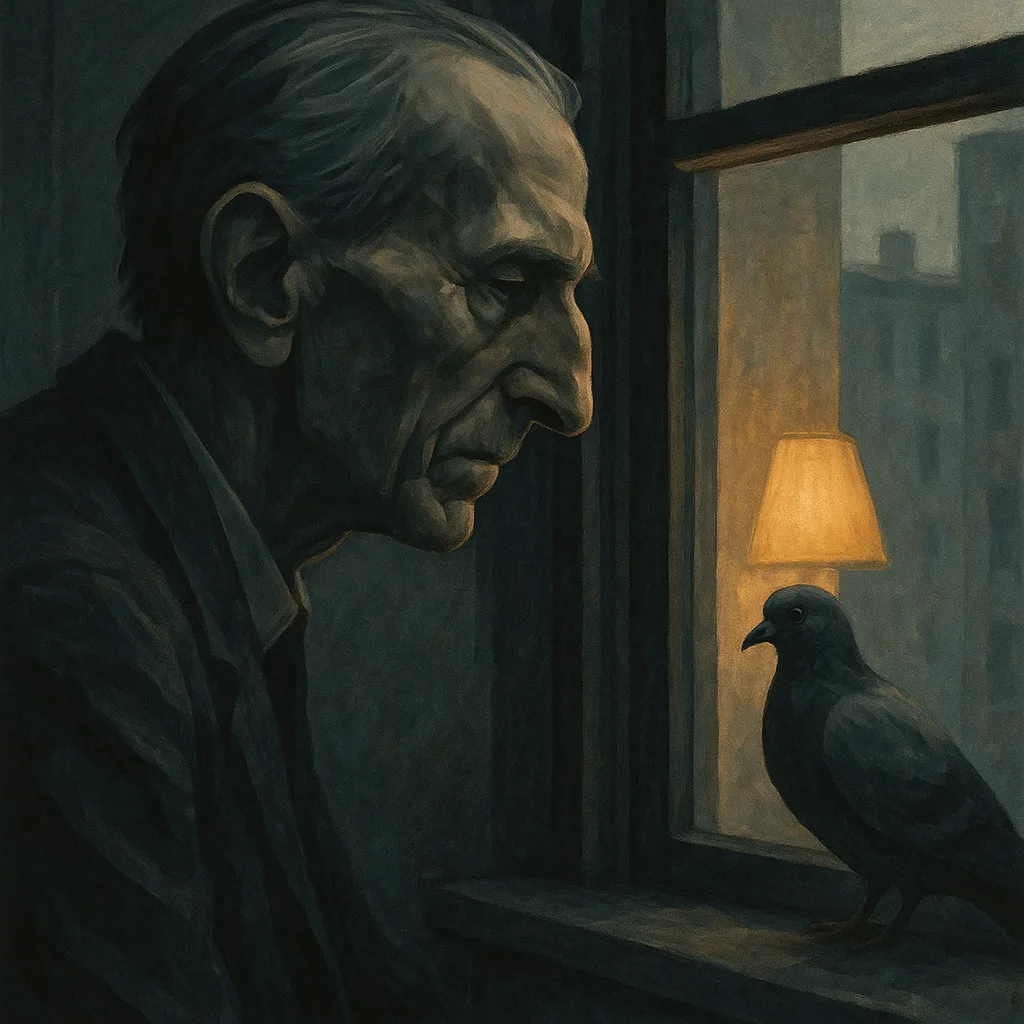
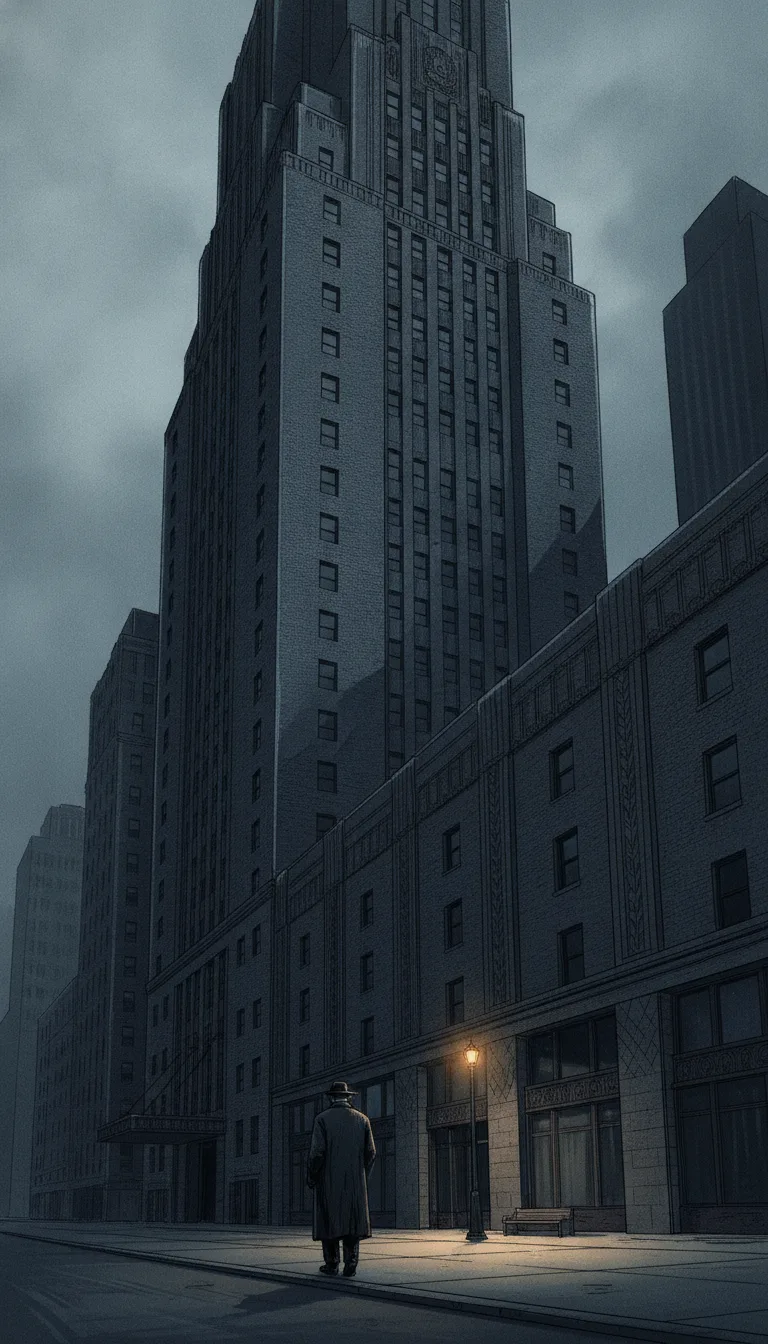
Tesla spent his final years in a series of New York hotels, living largely on credit, feeding pigeons in Bryant Park, and occasionally giving interviews in which he described inventions that were decades ahead of his time. He became an eccentric figure, both celebrated and dismissed.
He died on January 7, 1943, in Room 3327 of the New Yorker Hotel. He was found by a maid two days after his death. He was 86 years old.
Why the Debt Is Still Unpaid
Tesla held over 300 patents during his lifetime. The AC motor, the transformer, the radio frequency oscillator — the fingerprints of his work are everywhere in modern life. Yet for most of the twentieth century, his name appeared in almost no mainstream history textbooks.
In 2003, a group of engineers named their electric car company after him. It was a fitting tribute — and also a reminder of how long it took the world to say his name properly.