An Empire That Outlived Its Own Foundations
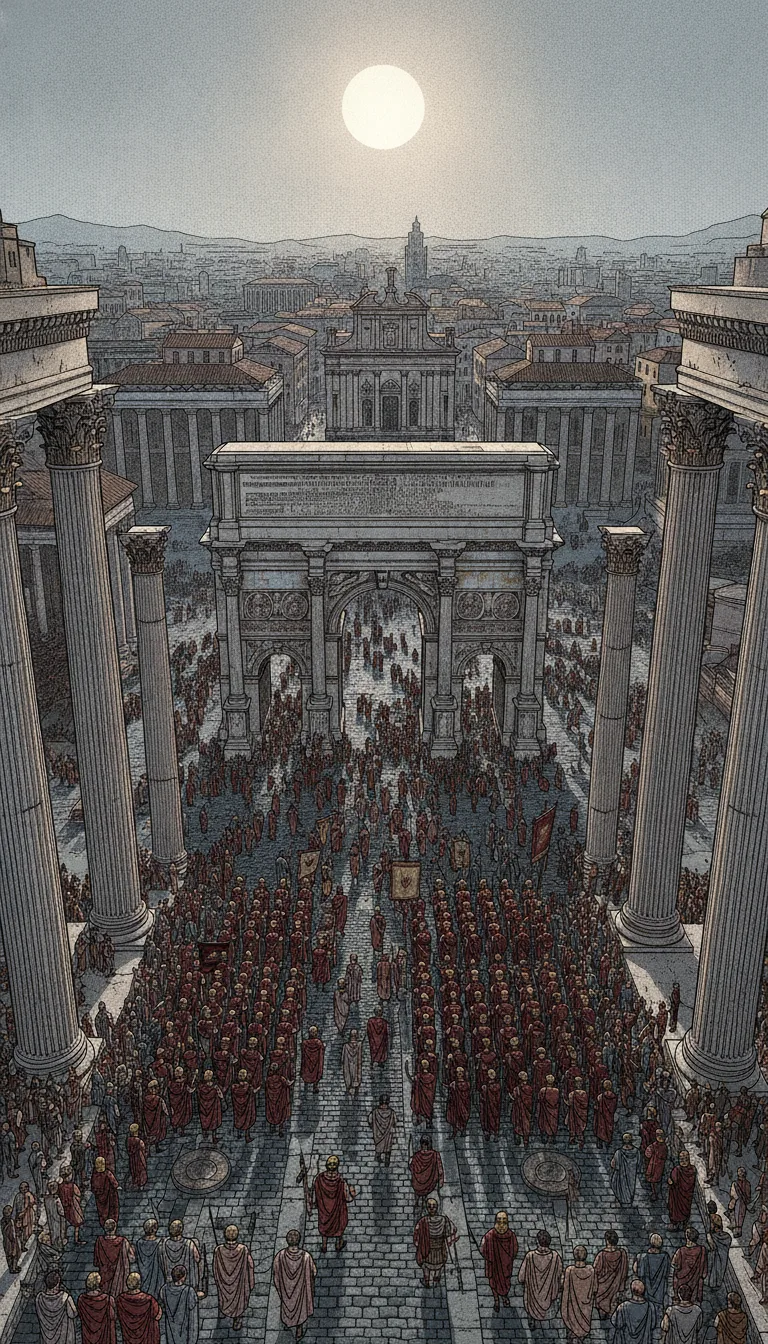
When historians debate the fall of Rome, they often focus on the dramatic final moments — the Gothic armies at the gates, the sack of the city in 410 AD, the quiet removal of the last emperor in 476. But those moments were symptoms, not causes. The real story begins centuries earlier, inside the empire itself, where the structures that made Rome great slowly turned against it.
At its peak, Rome was not simply a military power. It was a system — a vast, interconnected machine of law, trade, administration, and shared identity. Roman citizenship, extended to virtually all free men in the empire by 212 AD, was a source of genuine pride and cohesion. A merchant in North Africa and a soldier on the Rhine frontier both called themselves Roman. That shared identity was Rome's invisible glue. When it began to dissolve, no army could replace it.
The Century That Broke the Machine
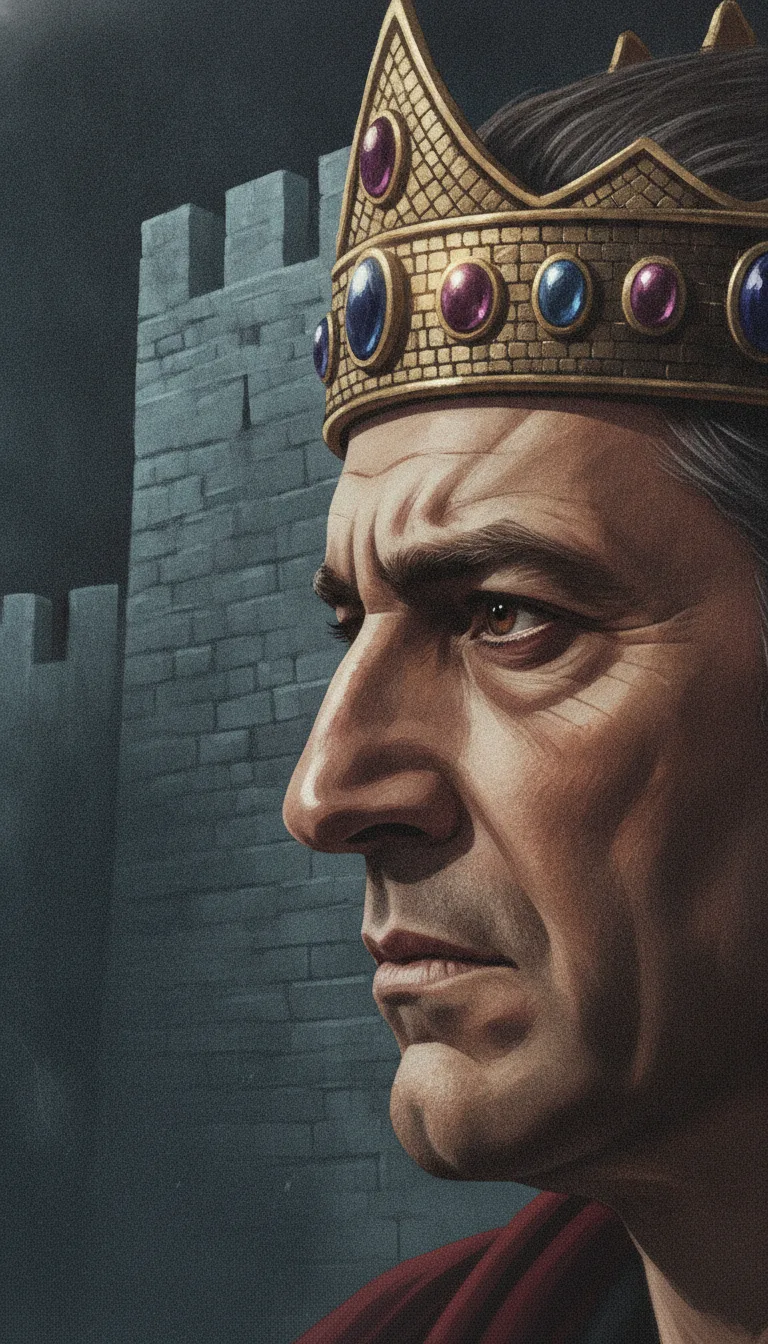
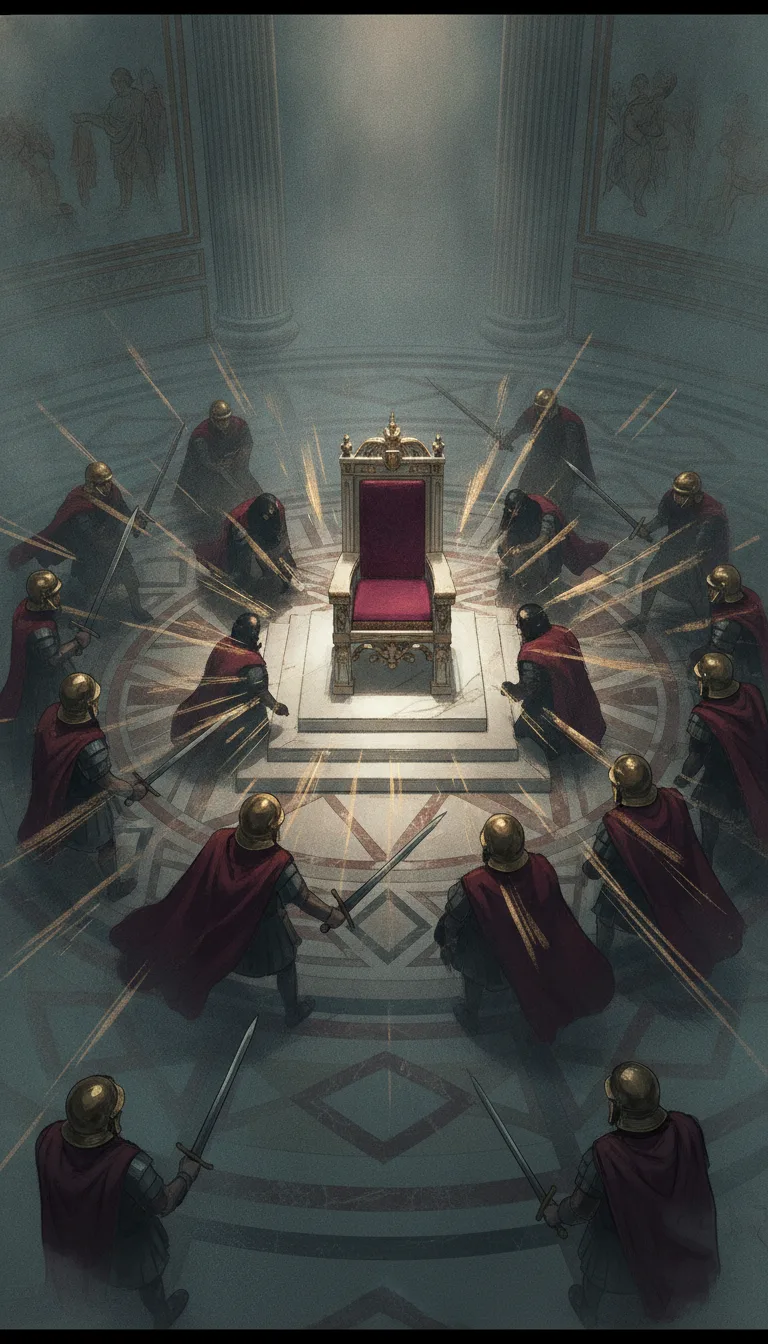
The third century AD is sometimes called the Crisis of the Third Century, and the name barely does it justice. Between 235 and 284 AD — just 49 years — Rome cycled through roughly 26 emperors. Most died violently. Generals seized power, held it briefly, and were murdered by their own troops or rivals. Meanwhile, plague swept through the provinces repeatedly, killing millions and collapsing tax revenues. Trade routes that had carried goods from Britain to Mesopotamia began to fracture.
To pay its armies, Rome debased its currency — reducing the silver content in coins to almost nothing. This triggered inflation that made commerce unpredictable and savings worthless. Ordinary Romans, who had once trusted in the stability of imperial currency, found themselves trading in goods rather than money. The sophisticated economic network Rome had built over centuries began reverting to something far more primitive.
The Mercenary Trap
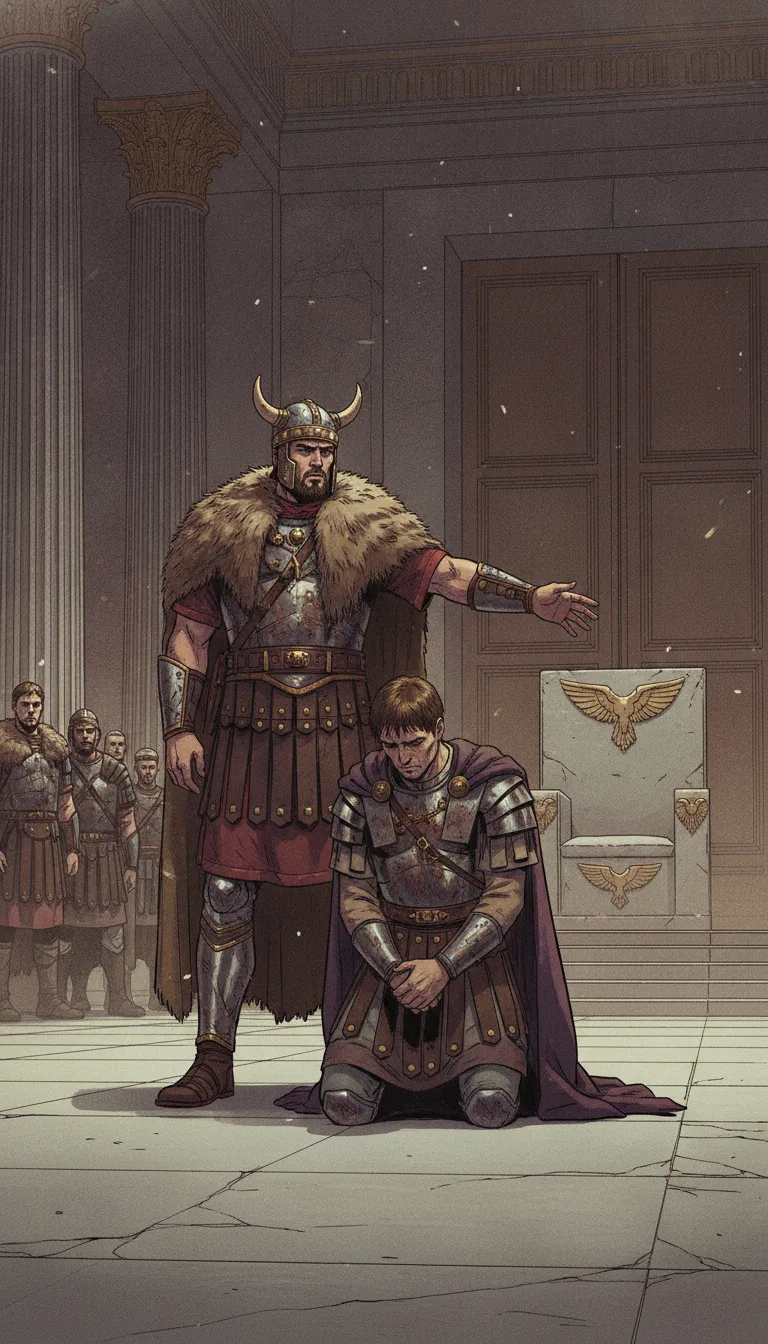
One of Rome's most consequential decisions was also one of its most understandable. As Roman-born soldiers became harder to recruit and more expensive to keep loyal, emperors increasingly turned to Germanic peoples — Visigoths, Vandals, Franks — to fill the ranks. These foederati, or federated troops, fought under Roman command but retained their own leaders, languages, and loyalties.
This was not reckless ignorance. It was pragmatic desperation. And for a time, it worked. Many Germanic commanders became genuinely invested in Roman military success. Stilicho, the half-Vandal general who served Emperor Honorius, was arguably the last great defender of the Western Empire — a man more Roman in outlook than many Roman aristocrats of his time.
But the system created a structural weakness that proved fatal. When the empire could no longer pay, feed, or respect these warriors, loyalty evaporated quickly. The men holding the borders were the same men who could walk through them.
What 476 AD Actually Looked Like
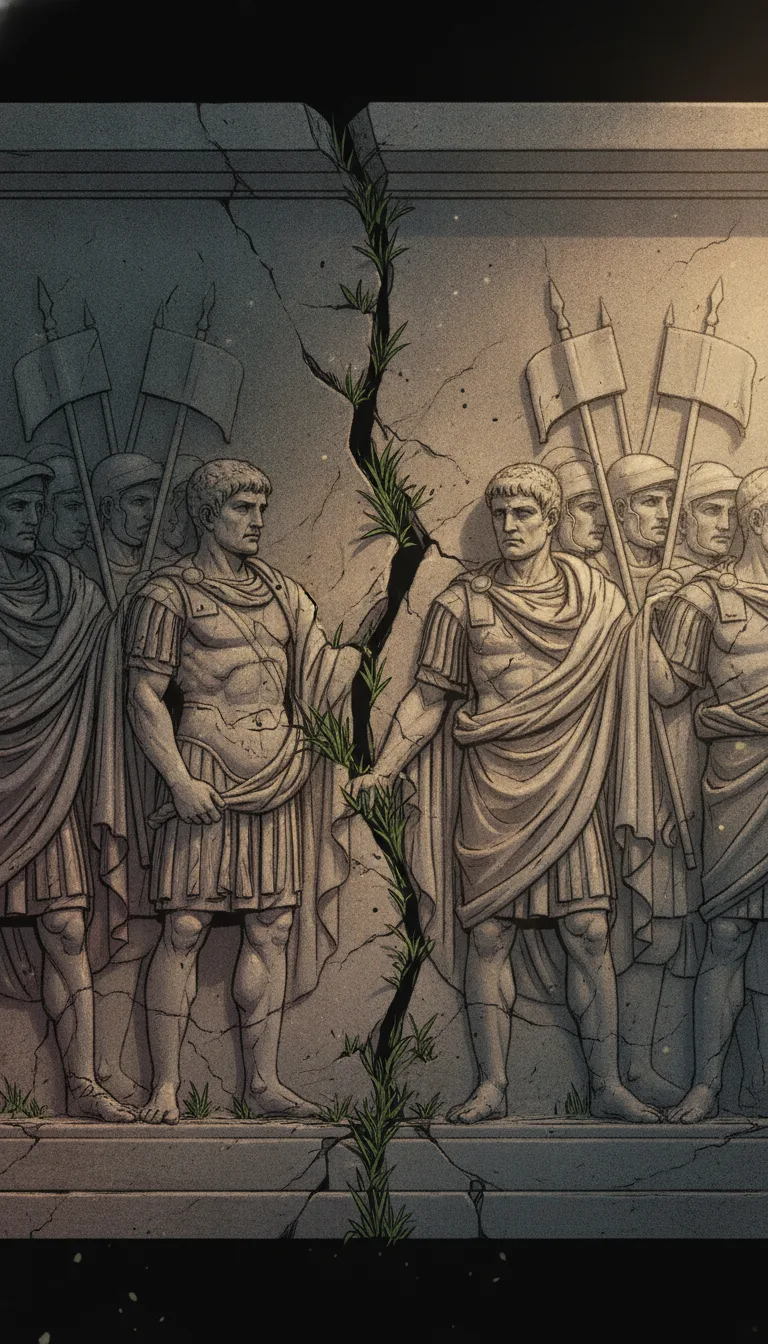
The traditional "end date" of the Western Roman Empire — 476 AD — deserves more nuance than it usually receives. On that year, a Germanic chieftain named Odoacer deposed the emperor Romulus Augustulus. Crucially, Romulus was a teenager, placed on the throne by his own father, a military strongman. He controlled almost nothing. Odoacer did not burn Rome or declare victory over a great civilization. He simply sent the imperial insignia to Constantinople and declared that the West no longer needed a separate emperor.
In many ways, the Eastern Roman Empire — which we call Byzantium — simply shrugged. The West had become ungovernable. Constantinople carried on for another thousand years.
Why This Still Matters
Rome's fall is not a story about barbarians. It is a story about what happens when institutions are hollowed out from within — when legitimacy is replaced by force, when currency becomes meaningless, when the people asked to defend a system no longer believe it deserves defending.
These patterns are not unique to ancient history. Historians like Edward Gibbon, Bryan Ward-Perkins, and Peter Heather have spent careers arguing about the precise weight of each factor. But they largely agree on this: Rome did not fall in a day, or even a decade. It was a slow unraveling — of trust, of competence, of shared purpose.
The final silence of 476 AD was not a sudden catastrophe. It was the last breath of something that had been dying for two hundred years. Understanding how Rome fell may be more useful than knowing when — because the warning signs were visible long before anyone chose to read them.