The Night That Changed Everything
The summer of 1996 felt electric. Atlanta had become the center of the world, hosting the Centennial Olympic Games — a celebration marking 100 years of the modern Olympic movement. More than 10,000 athletes from 197 nations had gathered. The Cold War was over. The mood was optimistic. For a few weeks, sport felt like proof that humanity could come together.
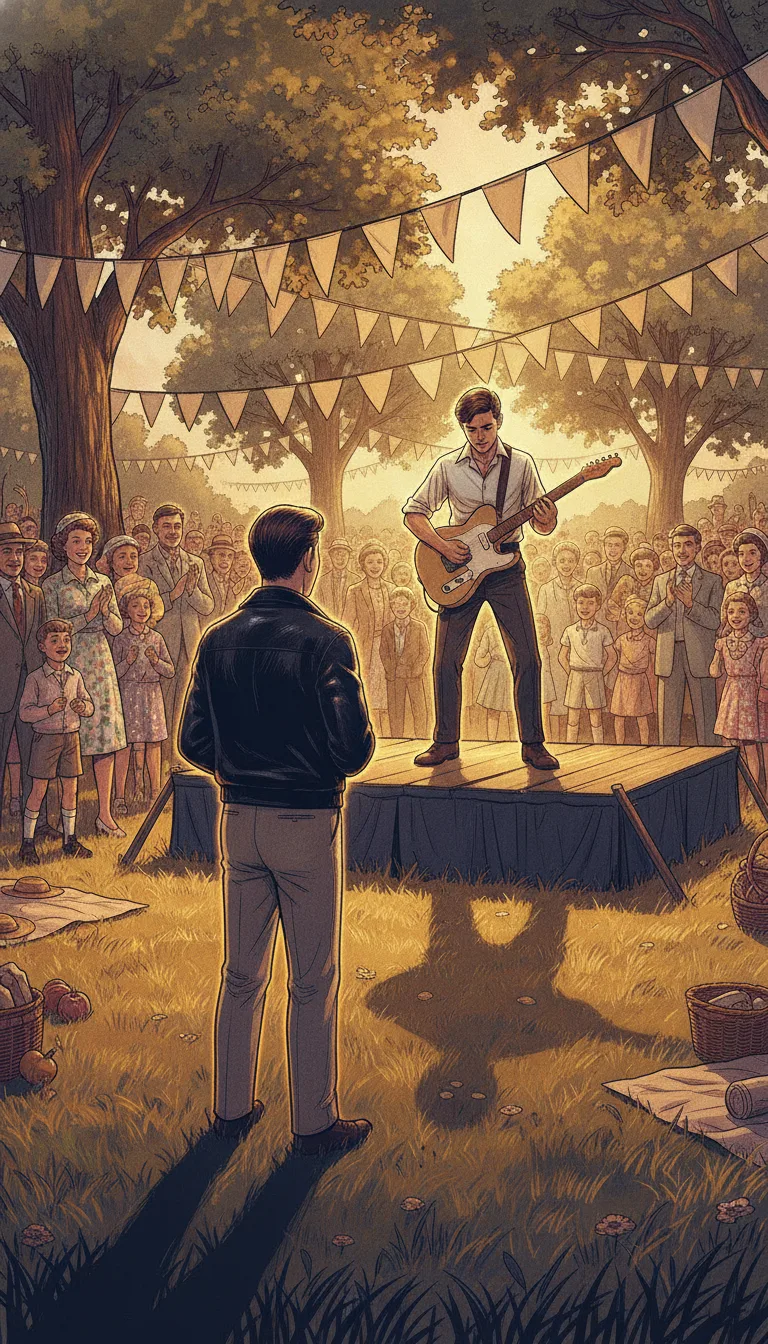
Centennial Olympic Park was the beating heart of it all. It was a free public space, open to anyone — families, tourists, volunteers, and vendors mixing together under the Georgia heat, watching concerts and giant screens showing the Games. On the night of July 27th, a packed crowd had gathered to hear a band play. Thousands of people stood close together, many of them completely unaware that a pipe bomb sat underneath a bench just meters away.

The Man Who Noticed
Richard Jewell was 33 years old, working as a private security guard for AT&T at the park. He was a large, quiet man who had dreamed his whole life of working in law enforcement. Friends described him as someone who took his job extremely seriously — sometimes, critics would later suggest, too seriously. That night, however, that seriousness mattered enormously.
Jewell spotted a green military-style backpack sitting abandoned beneath a bench near the concert stage. He alerted law enforcement and, critically, began moving people away from the area before officers could fully assess the threat. The bomb disposal unit had not yet arrived when the device detonated at 1:20 a.m. The blast killed one person directly — Alice Hawthorne, a 44-year-old mother who had brought her daughter to experience the Olympics. A Turkish cameraman, Melih Uzunyol, suffered a fatal heart attack while running to cover the scene. More than 100 others were injured.
The consensus among investigators was stark: without Jewell's intervention, the death toll would have been far higher. He had done exactly what a good security guard should do.

From Hero to Suspect
The congratulations lasted exactly three days.
On July 30th, The Atlanta Journal-Constitution published a story reporting that the FBI was investigating Jewell as a suspect. The sourcing was vague, but the damage was immediate and total. Within hours, every major television network was outside his mother's apartment, where he lived. Cameras rolled around the clock. Helicopters hovered overhead. His name, his face, and a particular psychological profile — the "lone wolf" security guard who plants a bomb so he can heroically discover it — were repeated endlessly across the country.
The FBI's theory was not absurd on its surface. Law enforcement had seen similar patterns before. But the bureau made a catastrophic error: it allowed Jewell's name to become public before building anything close to a solid case. The leak to the media was never officially acknowledged, but its consequences were undeniable. Jewell went from hero to presumed killer in a single news cycle.
For 88 days, he lived under the weight of that suspicion. He was followed, photographed, and dissected. Comedians made jokes about him. His private life was exposed and analyzed. He was never charged with anything.

The Real Bomber
In 1998, a man named Eric Robert Rudolph detonated a bomb at a women's clinic in Birmingham, Alabama. Investigators connected him to a series of bombings dating back to 1996 — including the attack in Centennial Olympic Park. Rudolph was a Christian extremist who opposed abortion and what he saw as the promotion of homosexuality by the international community at the Games. He evaded capture for five years, hiding in the forests of North Carolina, before being arrested in 2003. He was sentenced to multiple life terms without parole.
What Was Lost and What Was Restored
Richard Jewell spent the rest of his life trying to reclaim his reputation. He successfully sued several media organizations, including NBC News and The Atlanta Journal-Constitution, reaching settlements that were never fully disclosed. He worked as a police officer in small Georgia towns — finally living his professional dream, though under a shadow he had not earned.
He died in 2007 at the age of 44, from complications related to diabetes and heart disease. He never fully escaped the association with the bombing.
His story became a landmark case in the dangers of trial by media and the responsibility that comes with both government leaks and journalistic choices. A 2019 film directed by Clint Eastwood brought his story to a new generation.
Richard Jewell saved lives with good instincts and courage. History — slowly, imperfectly — gave him the recognition he deserved. It simply came too late for him to fully enjoy it.