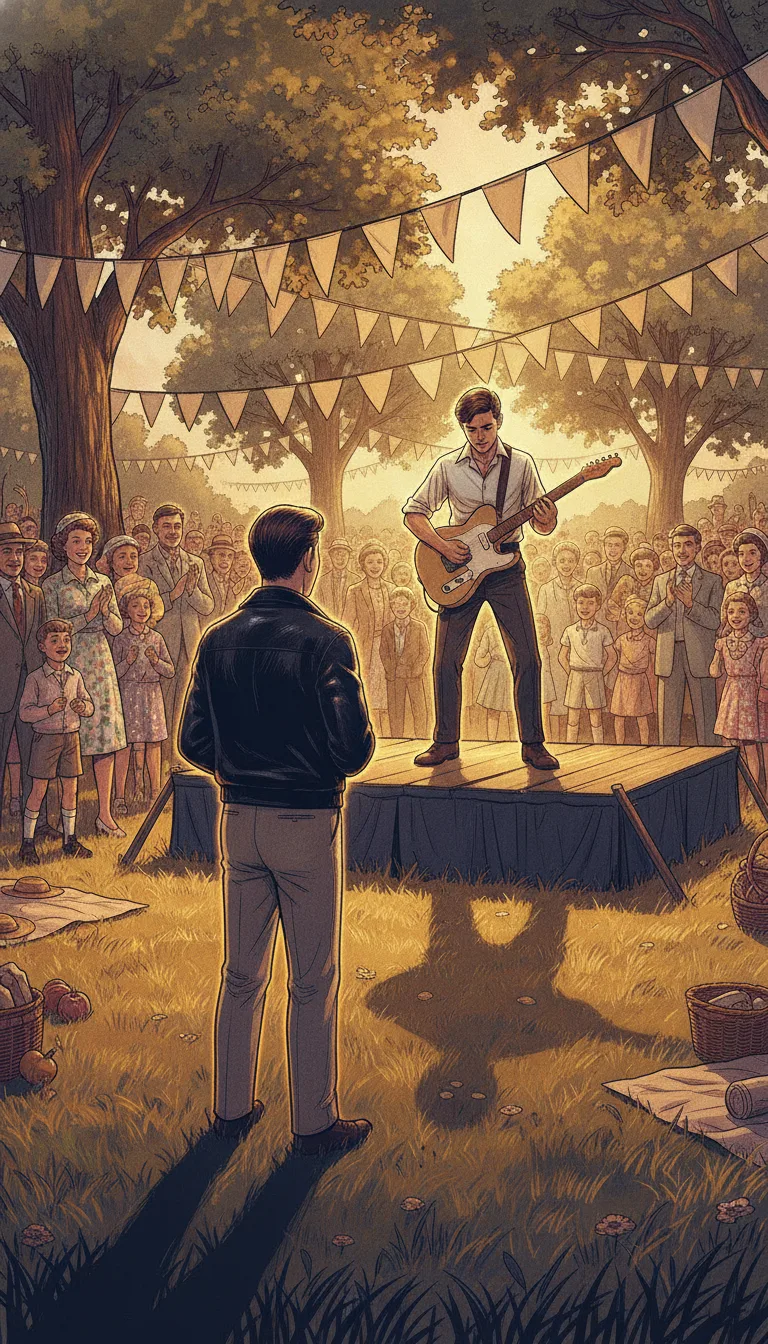
The Most Famous Man Who Didn't Want to Be Famous
When Neil Armstrong returned from the Moon in August 1969, the world expected a hero who would embrace his legend. What humanity got instead was something far more complicated — and far more human. Armstrong spent the decades after Apollo 11 doing something almost unthinkable for a man of his stature: he deliberately stepped back from the spotlight and chose ordinary life over celebrity.
Understanding why requires knowing who Armstrong actually was before he ever left Earth.
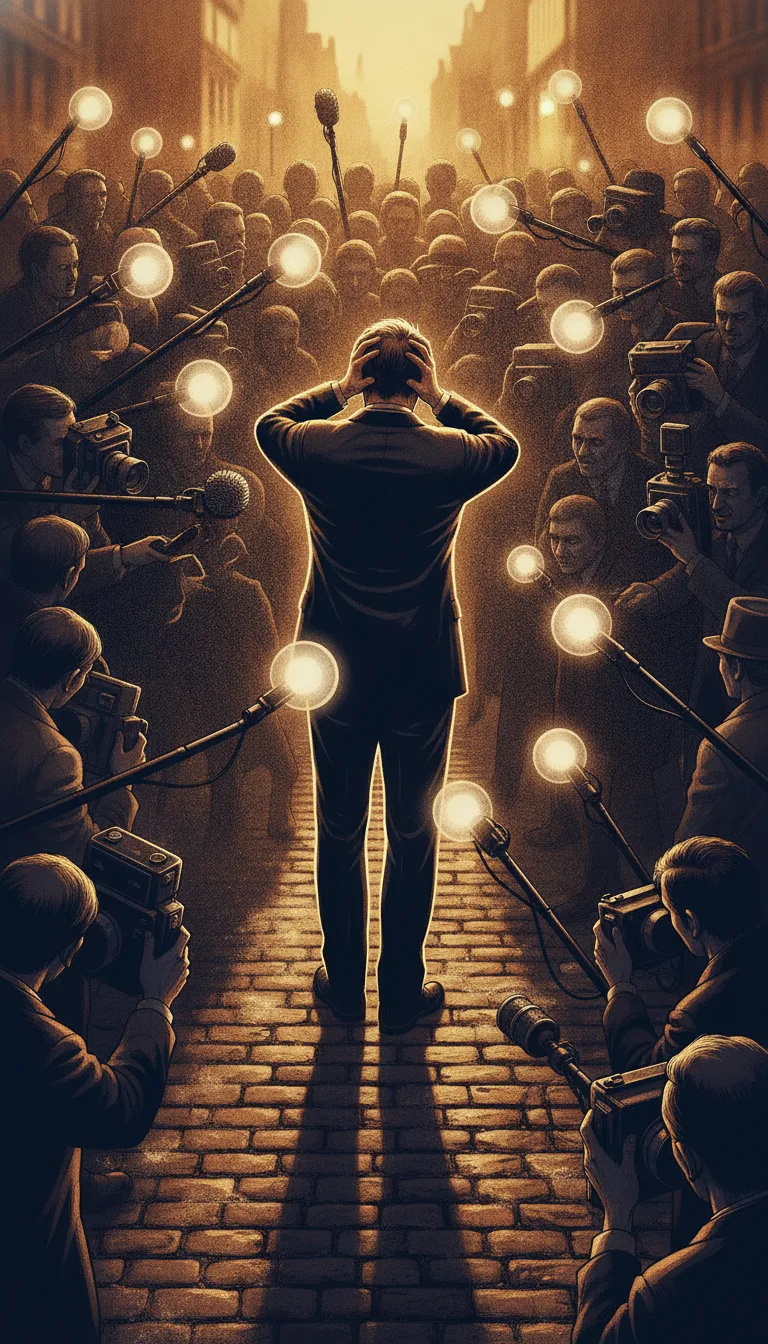
A Quiet Man in a Loud World
Armstrong grew up in Wapakoneta, a small town in rural Ohio. He was, by every account from childhood friends and colleagues, deeply introverted. He earned his student pilot's license at 16 — before he could legally drive a car — but he didn't pursue flying to become famous. He pursued it because flight genuinely fascinated him as an engineering problem, as a challenge of physics and human skill.
At NASA, Armstrong was respected as one of the most technically gifted pilots in the astronaut corps. He had survived a terrifying incident in 1966 during the Gemini 8 mission, when his spacecraft began spinning violently out of control. He regained command through precise, calm action. His colleagues described him as someone who processed problems quietly and solved them with unusual clarity. He was not cold — he was controlled. There is a difference.
When he was selected to be the first human to step onto the Moon, the decision was largely administrative and logistical. Commander of the mission goes first. Armstrong himself downplayed any personal significance in the choice. That instinct — to deflect credit, to see himself as a representative rather than a protagonist — would define the rest of his life.

After the Moon: The Deliberate Disappearance
The Apollo 11 crew completed a 38-country world tour after their return, and Armstrong endured rather than enjoyed it. He resigned from NASA in 1971 and took a teaching position at the University of Cincinnati, where he taught aerospace engineering for eight years. He chose education — a profession built on giving knowledge away — over lecture circuits and corporate endorsements.
In 1979, he moved to a farm in Lebanon, Ohio, and largely withdrew from public life. This was not a breakdown or a crisis. It was a considered decision by a man who genuinely believed the Moon landing was a collective human achievement, not a personal trophy. He reportedly found it uncomfortable that he, specifically, received so much attention when thousands of engineers, scientists, and support staff had made Apollo 11 possible.
The autograph issue became well known within collector circles. When Armstrong discovered that signed items were being resold for significant profit, he stopped signing almost entirely. He felt his signature was being treated as a commodity, which conflicted directly with his belief that the mission belonged to everyone. He even resigned from the Boy Scouts of America board after his image was used in a fundraising campaign without his knowledge.

The Rare Moments He Did Speak
Armstrong was not entirely silent. He gave occasional interviews when the subject was engineering, history, or space policy — topics where he felt he had something genuinely useful to contribute. In a rare 2005 interview with CBS's 60 Minutes, he spoke thoughtfully about the Moon landing, about the risks they accepted, and about his concern that NASA had lost momentum in the decades since Apollo.
He also remained quietly connected to the space community. He testified before Congress several times on the future of human spaceflight, and he was openly critical when the Space Shuttle Columbia was lost in 2003, calling for serious safety reforms. He was not disengaged from the world — he was selective about where he placed his voice.
Why His Choice Still Matters
Neil Armstrong died in August 2012 following complications from heart surgery. He was 82. His family released a statement that ended with a quiet request: when you see a clear night and a full moon, think of Neil Armstrong, and wink.
In an era when fame is actively pursued and carefully curated, Armstrong's life offers a different proposition. He had more recognition than almost any human in history, and he treated it as a responsibility to carry carefully rather than a reward to enjoy. He believed the story of Apollo 11 was about humanity's capability — not about one man's footprint.
That belief took genuine conviction to maintain for forty years. It turns out that walking on the Moon may have been the easier part.