A Hero from Another Age
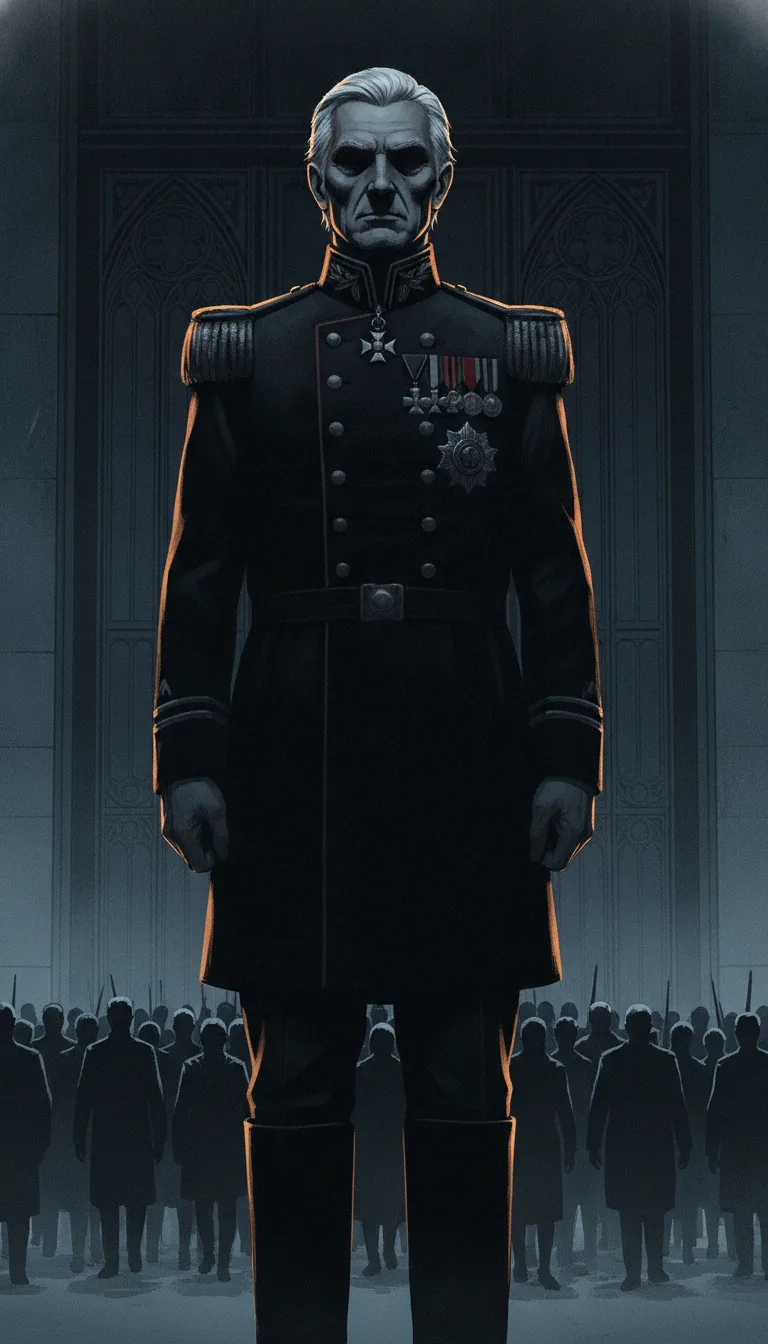
Paul von Hindenburg belonged to a world that no longer existed. Born in 1847 into a Prussian military family, he had fought in the Franco-Prussian War, risen through the rigid hierarchies of the Kaiser's army, and retired quietly in 1911. Then the First World War pulled him back. His crushing victory over Russia at the Battle of Tannenberg in 1914 transformed him into something rare in modern politics: a figure of almost mythological status. Ordinary Germans kept his portrait on their walls. His face appeared on medallions. Children were named after him.
By the time the Weimar Republic elected him President in 1925, Hindenburg was 77 years old and deeply uncomfortable in a democracy he had never fully believed in. He was a monarchist at heart, a product of imperial discipline and aristocratic duty. The messy, fragile parliamentary system of the Weimar Republic struck him as undignified — but he served it anyway, because duty demanded it.
A Nation Coming Apart
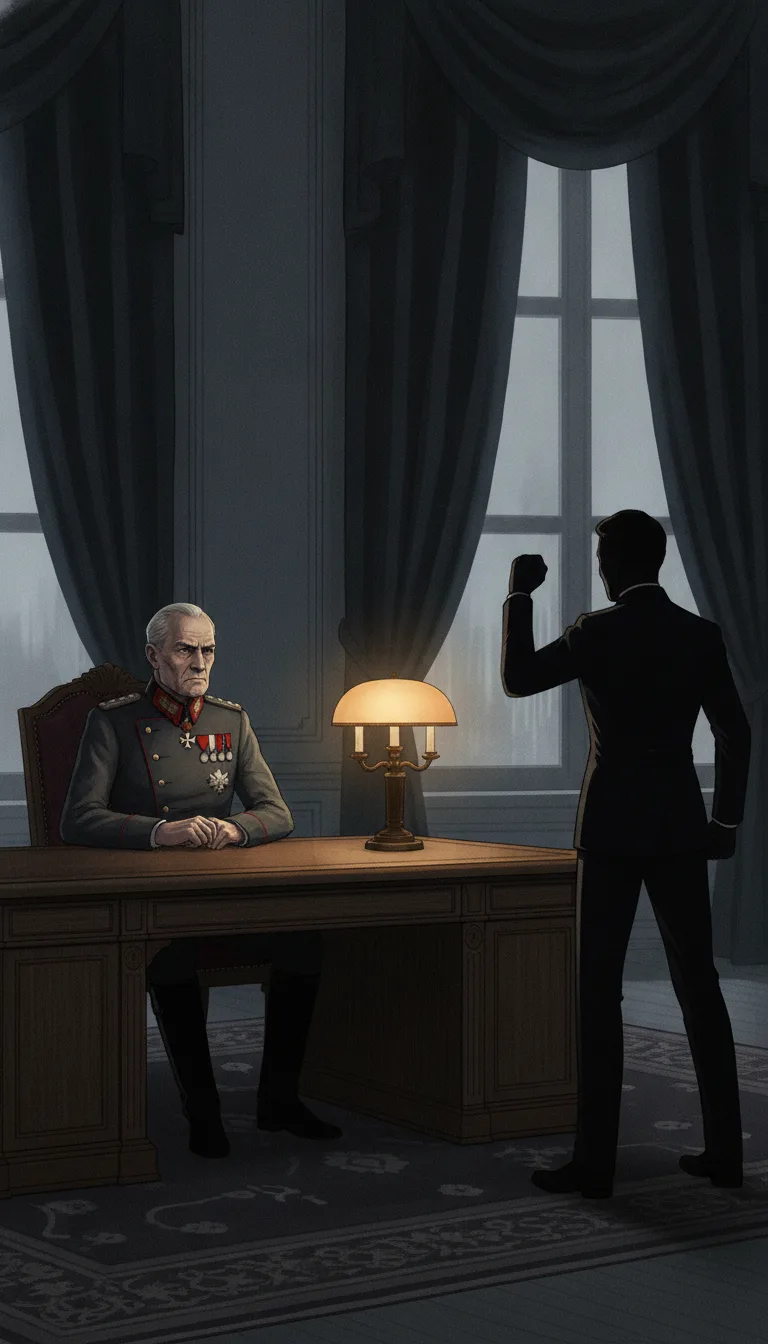
To understand January 1933, you have to understand just how desperate Germany had become. The Great Depression had arrived with devastating force. By 1932, over six million Germans were unemployed — roughly one in three workers. Families queued for bread. The streets of Berlin and Hamburg were full of men in threadbare coats with nowhere to go. Communists and fascists fought each other in literal street battles.
Into this chaos stepped Adolf Hitler, leading the National Socialist German Workers' Party. He was loud, radical, and electric in front of crowds. The Nazi Party had surged from the fringes to become the largest single party in the Reichstag by July 1932. Hitler demanded the chancellorship — the head of government — as his price for cooperation.
Hindenburg found Hitler personally repellent. The old field marshal was the embodiment of the Prussian aristocratic tradition; Hitler was an Austrian-born, lowborn demagogue with no military rank beyond corporal. After one meeting, Hindenburg reportedly said he might appoint Hitler as a postmaster — so he could at least lick stamps with his own face on them. He refused Hitler's demand for the chancellorship twice, in August and November of 1932.
The Whisper Campaign
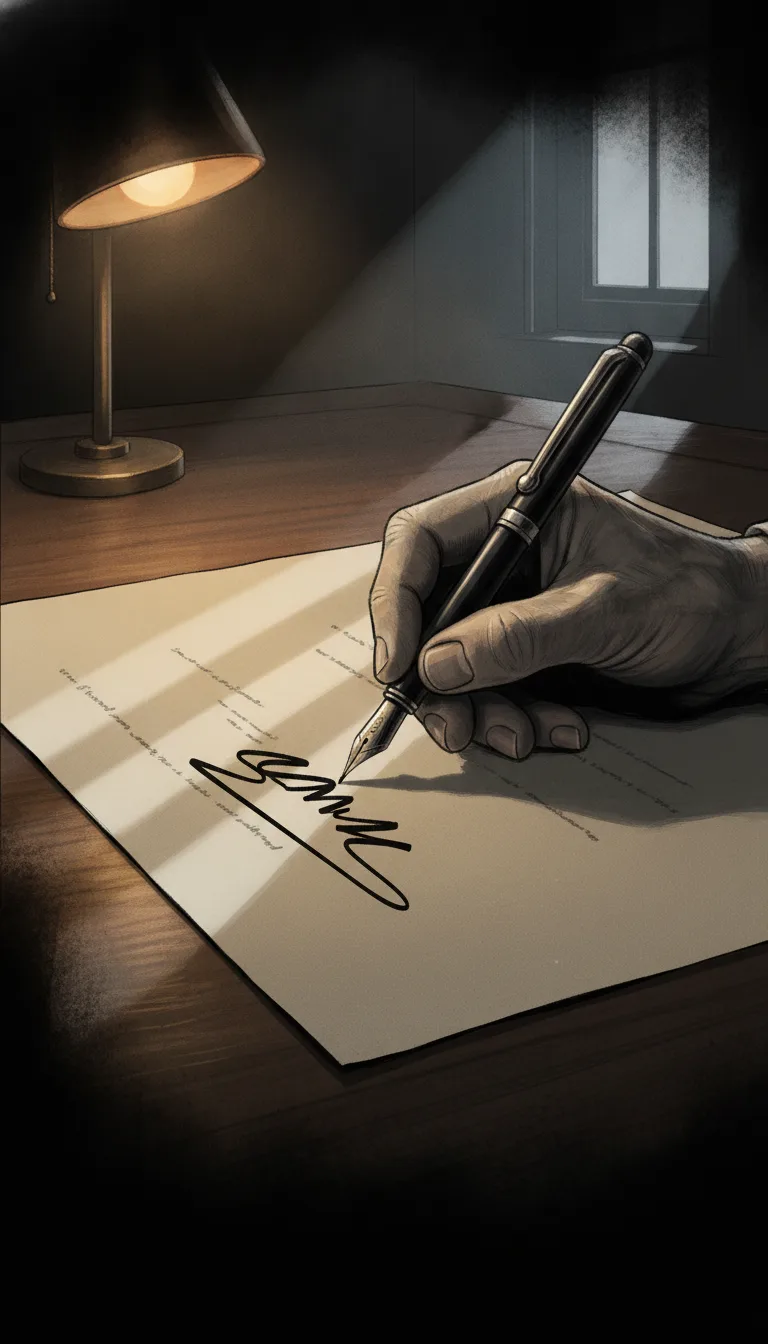
What changed? Not Hitler. Not Hindenburg's instincts. What changed was the pressure applied by the men around the old president — men who believed they were clever enough to use Hitler without being consumed by him.
Franz von Papen, a former chancellor with enormous self-confidence and poor judgment, was perhaps the most influential voice. He argued that Hitler could be brought into a conservative-led government, handed a ceremonial role, and kept under control by experienced men. Papen famously boasted that he had Hitler in his pocket. Other industrialists and conservative politicians convinced themselves of similar fantasies. They saw Hitler as a useful tool for crushing the left — and imagined the tool would stay still once they were done with it.
Hindenburg was old, increasingly frail, and reliant on advisors he trusted. His son Oskar was also lobbied intensively. The pressure worked. On January 30, 1933, Hindenburg appointed Adolf Hitler as Chancellor of Germany.
What Came After
Hitler spent the next eighteen months systematically dismantling every constraint that Papen and the conservatives had imagined would hold him. The Reichstag Fire in February 1933 provided the pretext for emergency powers. The Enabling Act in March gave Hitler the legal authority to govern without parliament. By the summer of 1934, political opponents were being murdered during the Night of the Long Knives. When Hindenburg died in August 1934, Hitler immediately merged the offices of President and Chancellor, becoming absolute ruler.
Papen survived, shaken. Most of those who thought they could control Hitler did not fare nearly as well.
Why This Moment Still Matters
Hindenburg's decision is one of history's most studied examples of catastrophic miscalculation. He was not a monster — he was an exhausted, aging man who had genuinely resisted Hitler twice and then yielded to bad advice. That is precisely what makes it so haunting.
Democratic institutions rarely collapse through a single dramatic betrayal. They collapse gradually, through small surrenders and misplaced confidence — through people who tell themselves that dangerous men can be managed, contained, and controlled.
Hindenburg believed he was making a political compromise. He was signing the opening chapter of the deadliest conflict in human history.