A Boy Who Practiced on Borrowed Courts
Arthur Ashe was born in Richmond, Virginia in 1943, into a city that had written inequality into its laws. The public tennis courts near his home were for white players only. Yet tennis, of all sports, became his obsession.
His early years were shaped by Dr. Walter Johnson, a Black physician who had previously mentored Althea Gibson — the first Black player to win a Grand Slam. Johnson recognized Ashe's talent and quietly, deliberately, prepared him for a world that would not easily accept him. He taught Ashe not just technique, but composure. How to win without giving opponents an excuse to dismiss him. How to compete in spaces where his presence alone was considered a provocation.
Ashe earned a scholarship to UCLA and became the first Black player selected for the US Davis Cup team in 1963. In 1968, he won the inaugural US Open as an amateur — becoming the first Black man to win that title. He did this while serving as an officer in the US Army, which technically prevented him from accepting prize money. He was, in almost every sense, operating under a separate set of rules from his peers.
The South Africa Refusal — and the Fight Back
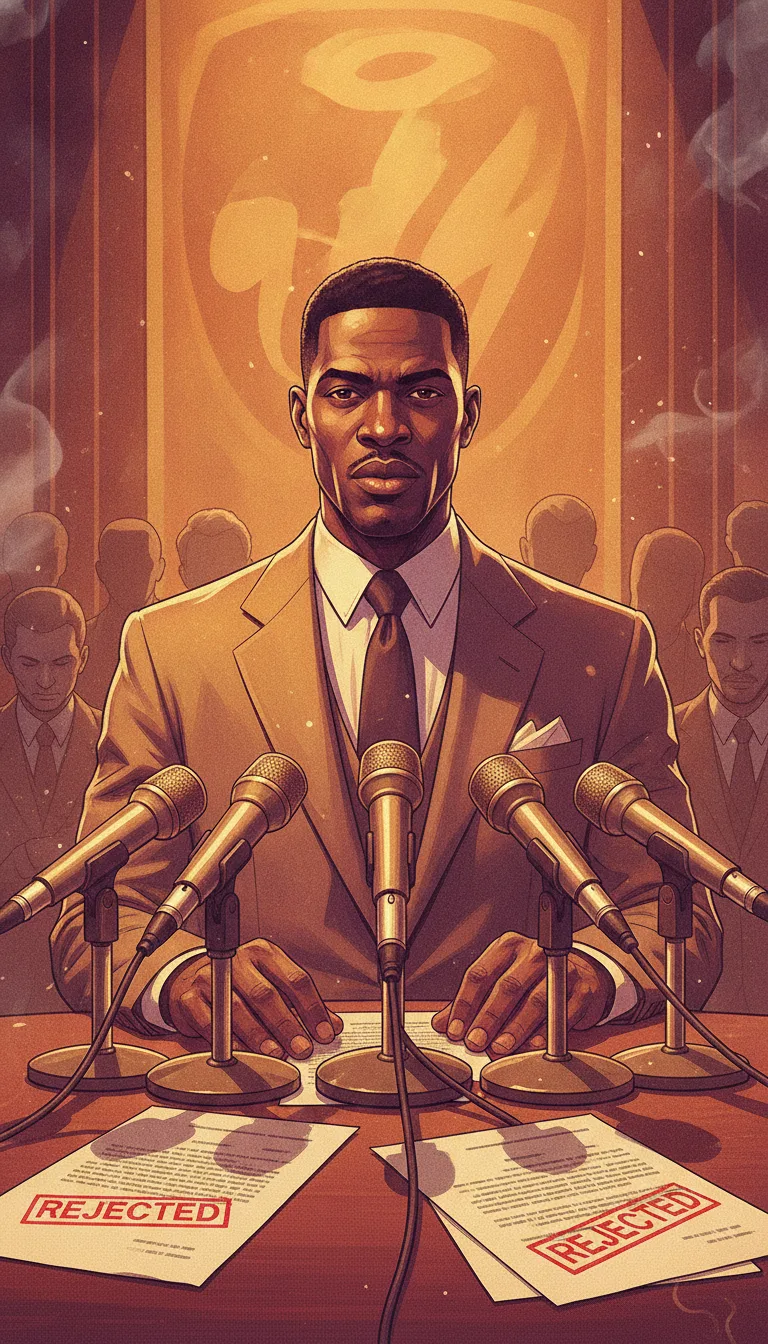
One of the least-told chapters of Ashe's life concerns South Africa under apartheid. Ashe applied for a visa to compete in the South African Open in 1969 and 1970. Both times, the government refused him — explicitly because of his race. Where many athletes might have quietly moved on, Ashe turned it into an international campaign.
He lobbied to have South Africa expelled from the International Lawn Tennis Federation, and eventually succeeded. South Africa was banned from international competition. Ashe did finally visit the country in 1973, using his presence there not as an endorsement of the regime, but as a deliberate act — meeting Black South African players, shining a light on their conditions, and making the segregated tennis establishment uncomfortable. He met a young player named Peter Lamb, helped support Black tennis programs, and later became one of the most vocal American athletes speaking out against apartheid. In 1985, he was arrested while protesting outside the South African Embassy in Washington.
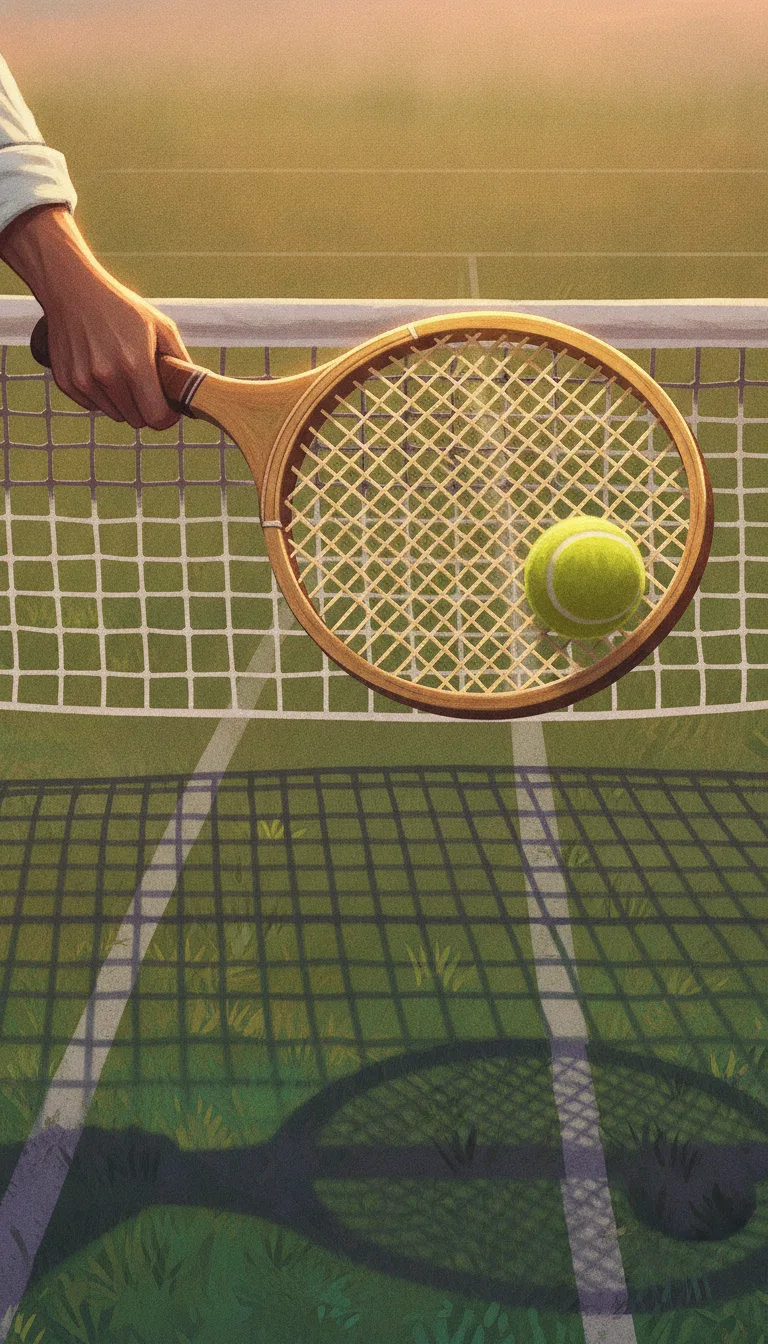
The Wimbledon Final — More Chess Than Tennis
By 1975, Ashe had already achieved historic firsts, but Jimmy Connors stood between him and Wimbledon. Connors was 22, ferocious, and ranked number one in the world. He played with raw power — flat, hard groundstrokes that overwhelmed opponents. He had beaten Ashe in straight sets before. Almost no one expected a different result.
What happened instead was a masterclass in tactical intelligence. Ashe spent nights before the final studying Connors, identifying patterns and vulnerabilities. He decided to do the opposite of what Connors wanted: instead of trading pace, he would take pace away. Soft, high, looping shots to Connors's two-handed backhand. Sliced low balls to make him bend. Wide angles to pull him off court. The strategy confused and frustrated Connors, who could not reset his game. Ashe won 6–1, 6–1, 5–7, 6–4.
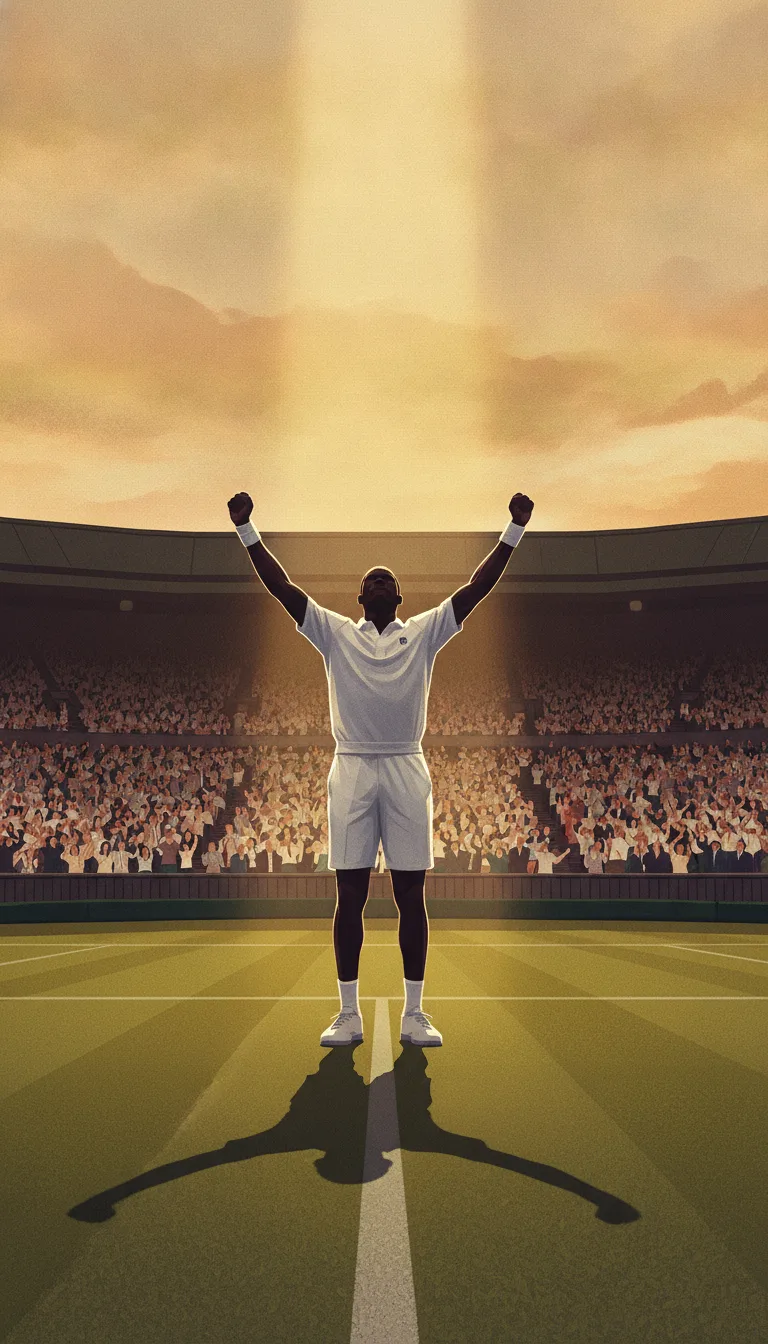
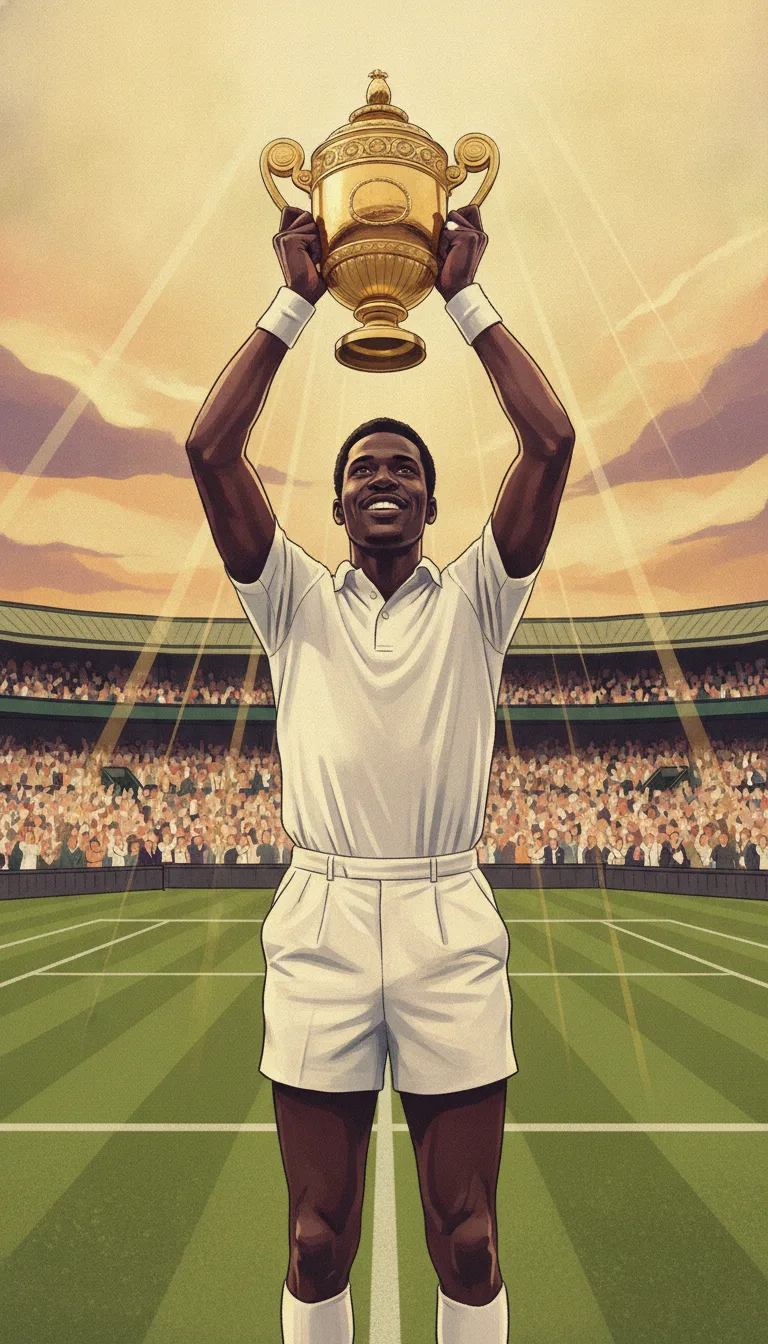
At 31, Arthur Ashe became the first — and still the only — Black man to win the Wimbledon singles title.
What Came After
Ashe's life after 1975 was defined by the same courage he showed on the court. He had a heart attack in 1979 and was forced to retire from professional tennis. During heart surgery, he received a blood transfusion that was infected with HIV. He was diagnosed in 1988.
He kept the diagnosis private at first, before being forced to disclose it publicly in 1992 when a newspaper threatened to publish the story. He responded with extraordinary dignity — not with anger, but with purpose. He founded the Arthur Ashe Foundation for the Defeat of AIDS and continued speaking publicly until his death in February 1993, at 49 years old.
The United States Tennis Association named its main stadium at the US Open — the largest tennis stadium in the world — after him. A bronze statue stands in Richmond, Virginia, on the same boulevard that once honored Confederate generals.
Arthur Ashe didn't just break barriers in tennis. He demonstrated, repeatedly, that how you carry yourself in an unjust world is itself a form of power.