The Man Who Believed He Could Not Lose
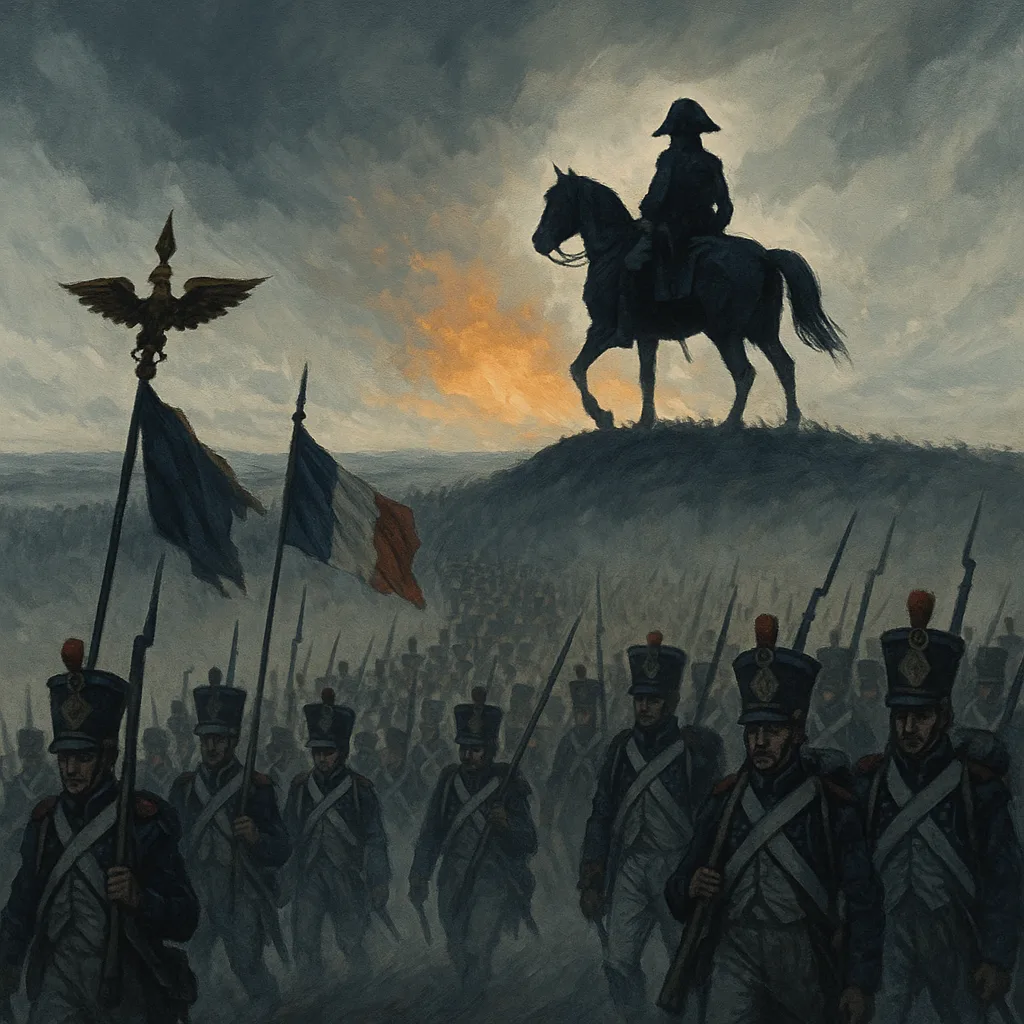
By 1812, Napoleon Bonaparte had reshaped Europe through sheer military genius. He had crushed Austria, humiliated Prussia, and forced almost every major European power to the negotiating table on his terms. His Grande Armée was the most battle-hardened force on the continent. Soldiers who had marched with him from Egypt to Spain believed, with genuine conviction, that their emperor was unbeatable.
That belief was not irrational. It was built on fifteen years of evidence.
But belief in one's own invincibility is also a kind of blindness. And in the summer of 1812, that blindness walked Napoleon straight into the largest military disaster of his career.
Why Russia? Why Now?
The invasion had political roots that ran years deep. Napoleon and Tsar Alexander I had signed the Treaty of Tilsit in 1807, creating an uneasy alliance. A central condition was that Russia would participate in the Continental System — Napoleon's economic blockade designed to strangle Britain by cutting off its European trade.
Russia never fully committed. Its economy depended on selling grain and raw materials to Britain. By 1810, Alexander had quietly abandoned the blockade. To Napoleon, this was a betrayal he could not ignore. If the Continental System crumbled, his long strategy for defeating Britain crumbled with it.
He also misread the political moment badly. He believed a swift, decisive campaign — one or two massive battlefield victories — would force Russia back into line. He had done it before. He expected to do it again.
A War Russia Refused to Fight
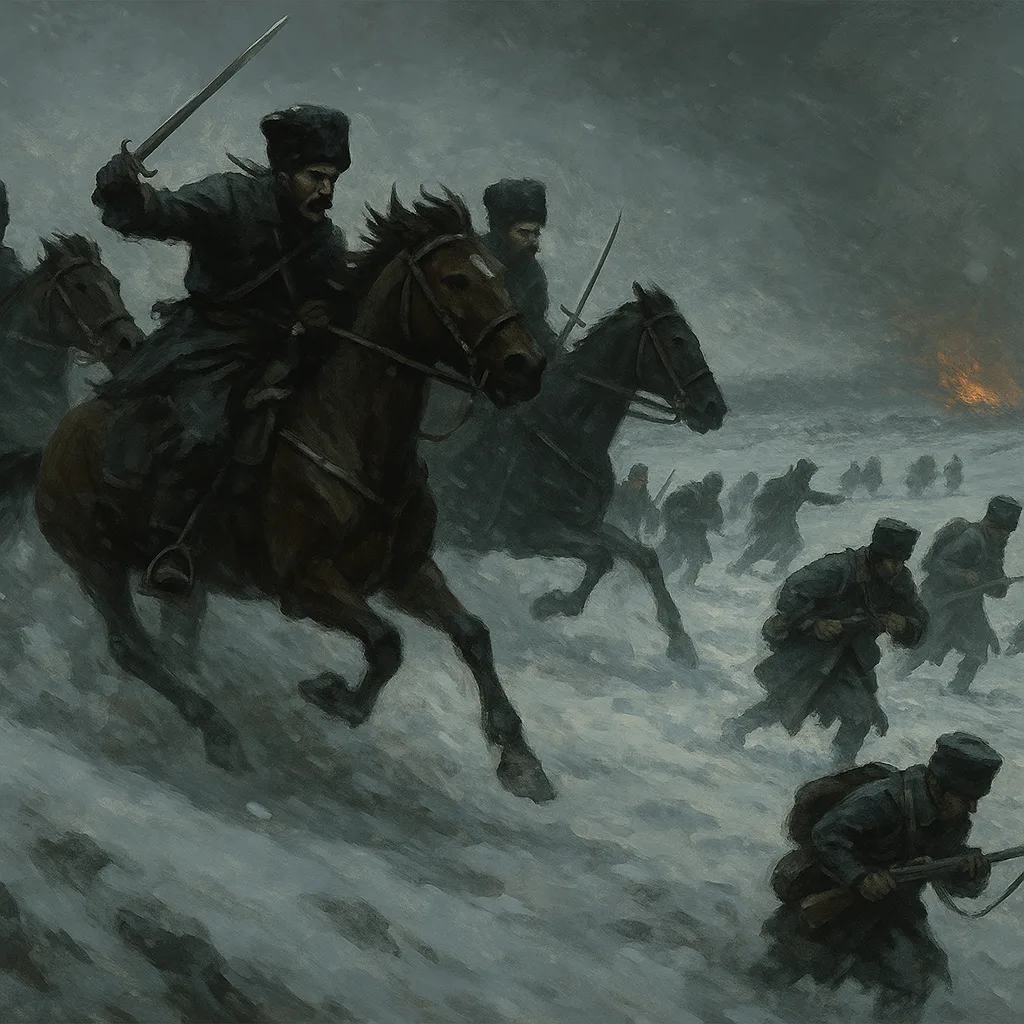
The Russian military commander Mikhail Kutuzov understood something Napoleon did not: you do not have to defeat Napoleon on the battlefield to defeat Napoleon. You simply have to deny him a battlefield.
Russian forces retreated continuously, drawing the Grande Armée deeper into hostile territory. When French forces neared populated areas, Russians implemented a devastating scorched-earth policy — burning crops, destroying supply depots, and in some cases setting fire to their own towns rather than leave resources for the invaders.
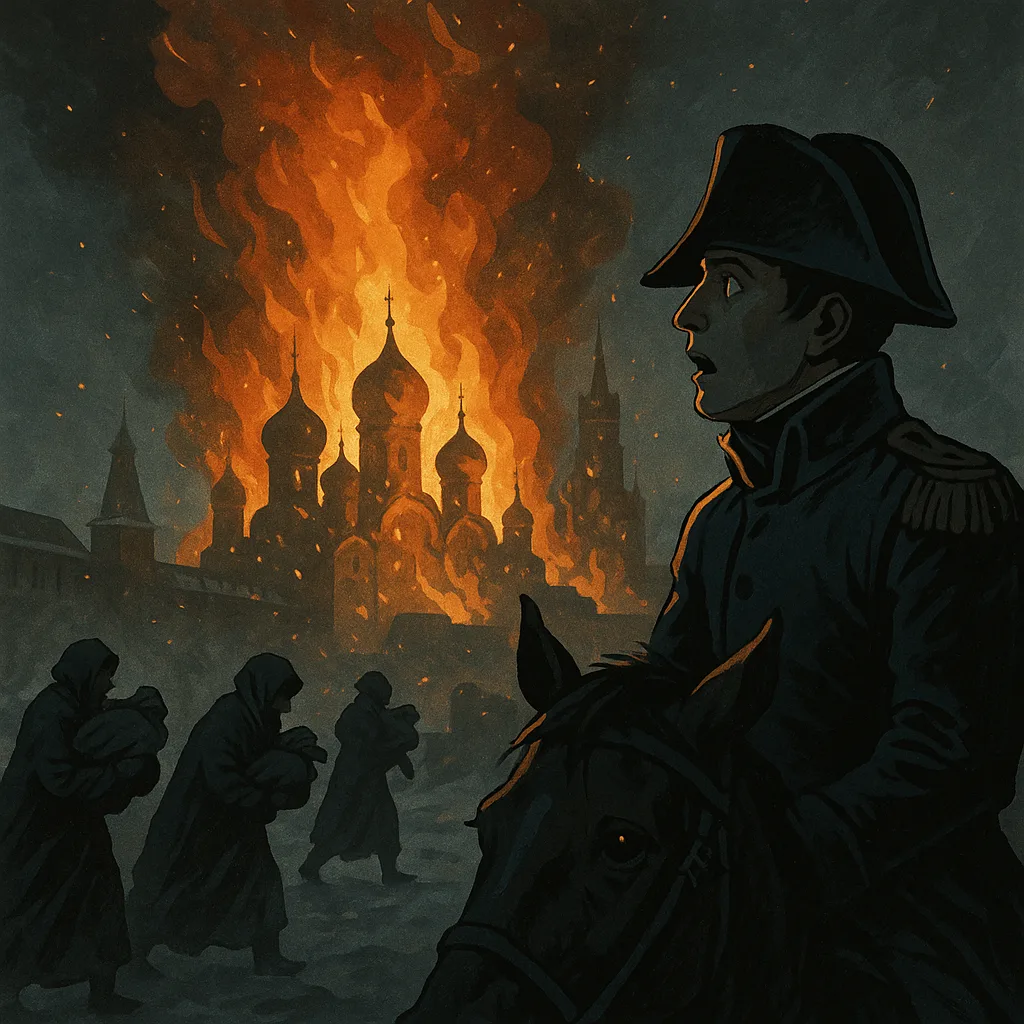
The most dramatic example was Moscow itself. When Napoleon entered the city on September 14, 1812, expecting the symbolic prize of Russia's ancient capital to trigger surrender, he found it largely evacuated and on fire. Residents and Russian forces had torched significant portions of the city before leaving. Napoleon famously waited five weeks inside a burning, emptied city for a peace offer that never arrived.
The Human Cost of the Retreat
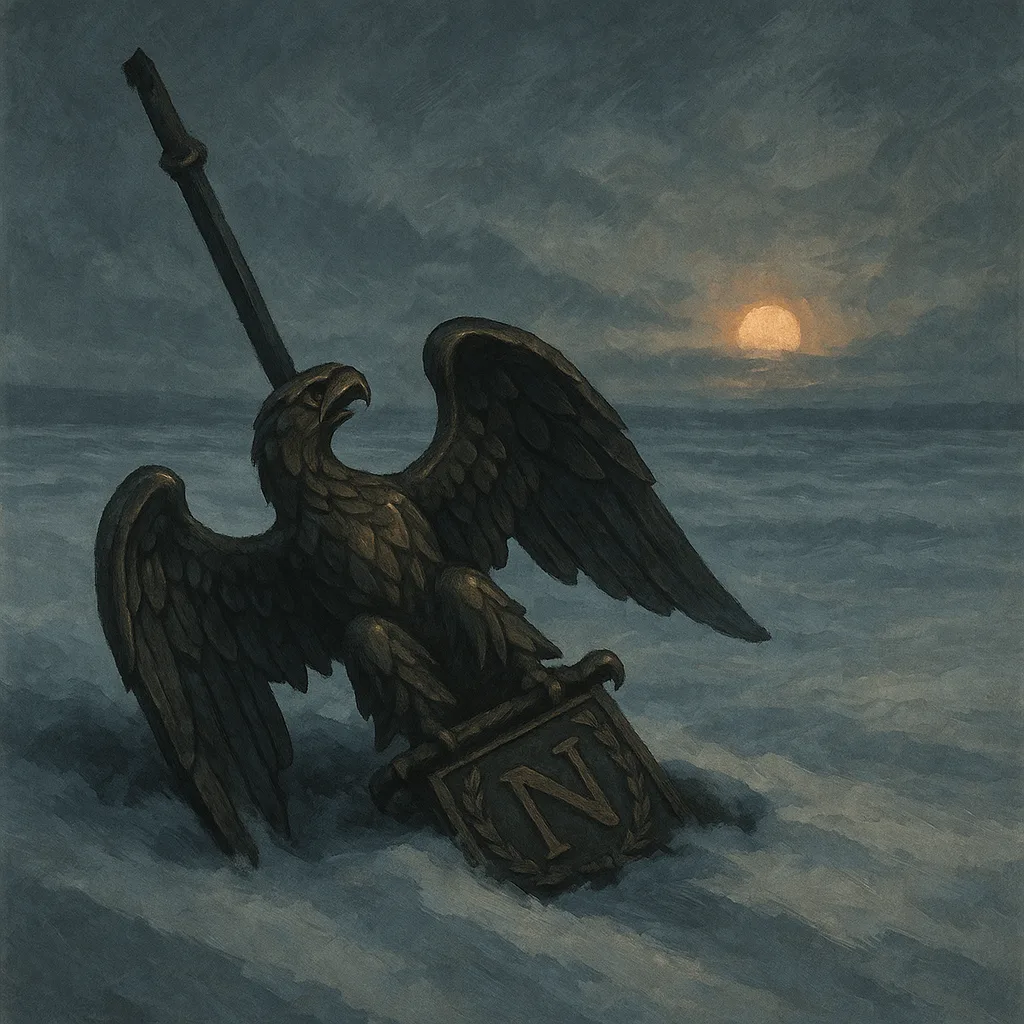
When Napoleon finally ordered the retreat in October 1812, the suffering that followed was almost incomprehensible.
The Grande Armée had not prepared for a Russian winter. Soldiers lacked adequate cold-weather clothing, horses were dying from exhaustion and starvation, and supply lines had collapsed entirely. Temperatures dropped savagely — sometimes reaching minus thirty degrees Celsius. Men froze to death in their sleep. Frostbite claimed fingers, toes, and feet. Soldiers burned their own regimental flags rather than let them be captured, a deeply symbolic act that spoke to the psychological collapse of the army.
Russian Cossack cavalry harassed the retreating columns relentlessly, attacking stragglers and cutting off isolated units. The crossing of the Berezina River in late November became one of history's most harrowing military episodes, with thousands drowning or dying under artillery fire while engineers built makeshift bridges under fire to save what remained of the army.
Of the roughly 600,000 men who had entered Russia, military historians estimate that somewhere between 380,000 and 400,000 died — through combat, cold, disease, and starvation. Tens of thousands more were captured.
Why This Moment Changed Everything
The consequences extended far beyond a single lost campaign.
The myth of Napoleonic invincibility had been the glue holding his empire together. Subject nations tolerated French dominance partly because defying Napoleon had seemed futile. Once Russia exposed his limits, that calculation changed everywhere simultaneously.
Prussia, which had been a reluctant French ally, switched sides within months. Austria followed. The Sixth Coalition that ultimately defeated Napoleon at the Battle of Leipzig in 1813 — and ended his rule permanently — was made possible directly by what Russia had demonstrated: that the empire had edges, and those edges could bleed.
Napoleon himself would return from exile for the famous Hundred Days in 1815, but the coalition that had crystallized after 1812 crushed that revival at Waterloo.
Russia had not just survived. It had handed the rest of Europe the psychological permission to fight back.