A City Divided, A Man Who Crossed
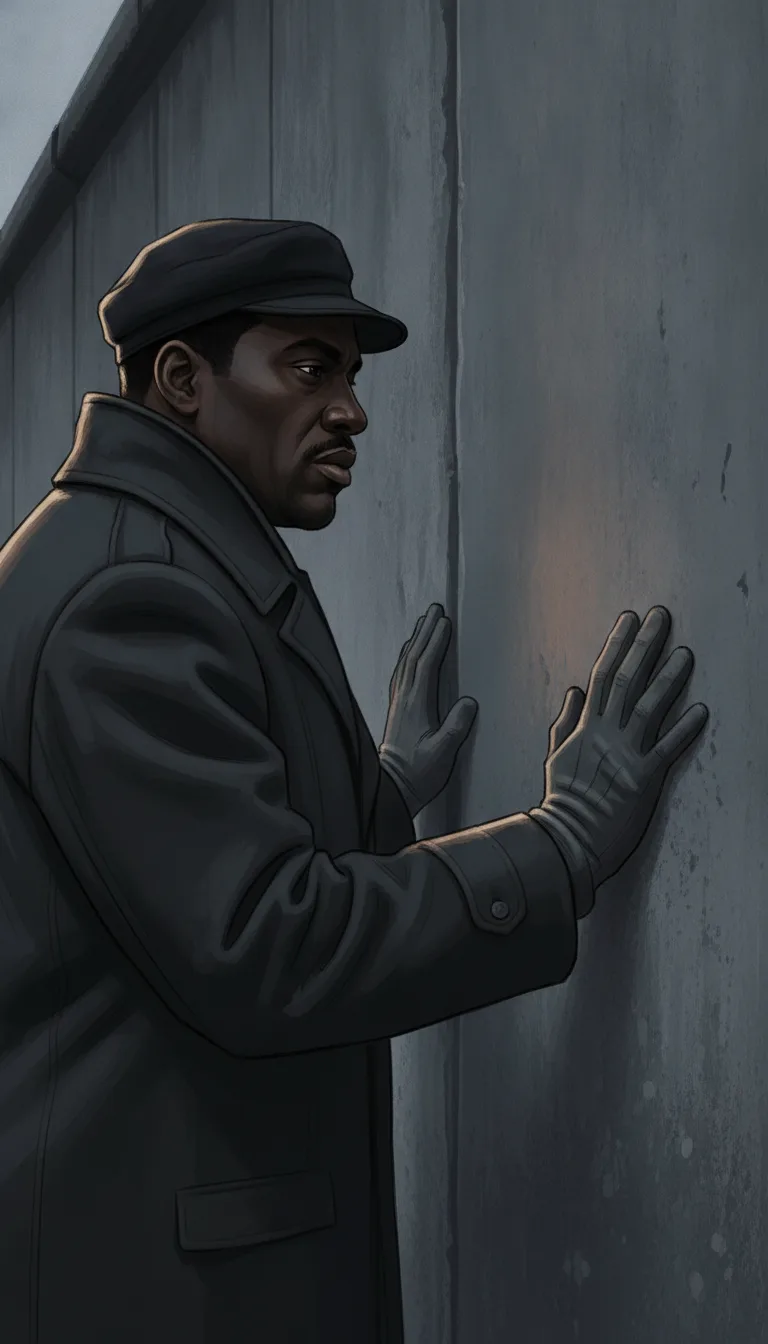
By September 1964, the Berlin Wall had stood for three years. Families were separated by concrete and barbed wire. East Germans who tried to cross risked being shot. The city had become the most visible symbol of the Cold War's human cost — not an abstract conflict between superpowers, but a physical scar running through neighborhoods, streets, and lives.
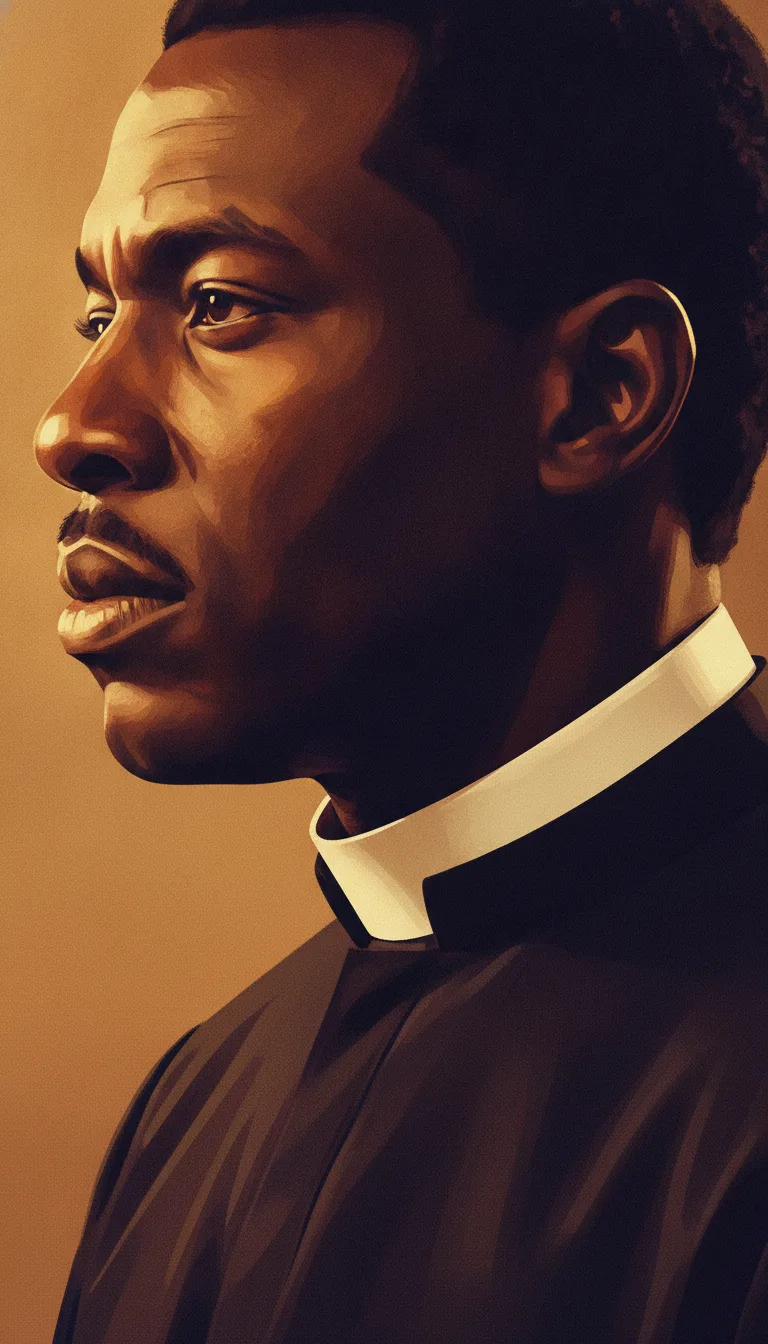
Into this charged atmosphere came Martin Luther King Jr., fresh from leading the March on Washington and just weeks before he would receive the Nobel Peace Prize in Oslo. He was thirty-five years old, already one of the most recognized figures on earth, and he carried with him a message that West Berliners were desperate to hear: that the struggle for freedom was not American property. It belonged to everyone trapped behind any wall.
The Wall He Had to Cross First
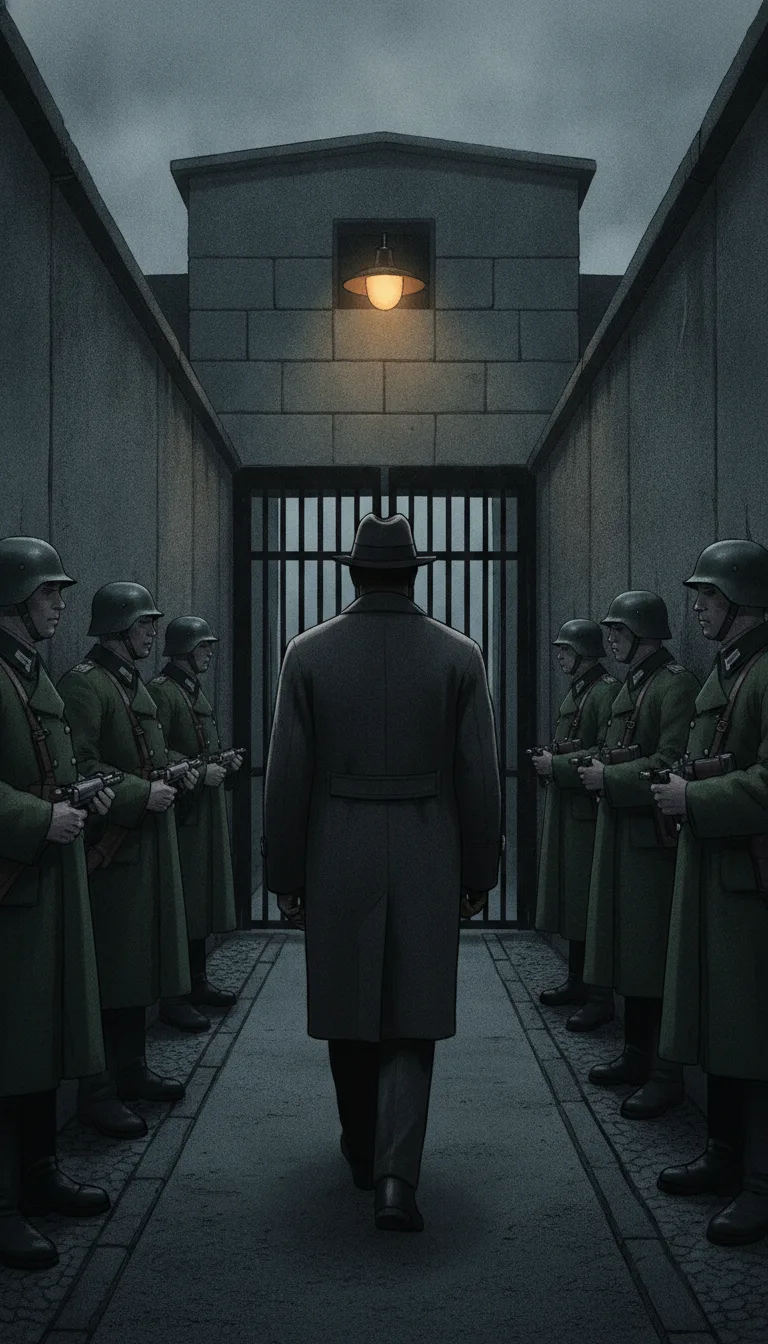
What most accounts leave out is the particular tension surrounding King's transit through East Berlin. To reach West Berlin from the West, travelers had to pass through East German checkpoints — a humiliating and sometimes dangerous process. King made the crossing, and East German authorities, deeply uncomfortable with his presence and his message, refused to allow him any public platform on their side. They had no interest in an internationally celebrated preacher speaking about freedom and justice to their citizens.
This refusal was itself telling. The East German government recognized, even if it never said so directly, that King's message was not geographically limited to American racism. A man who argued that no human being should be caged by systems of power was dangerous to any government that depended on exactly that.
Twenty Thousand People Under the Open Sky
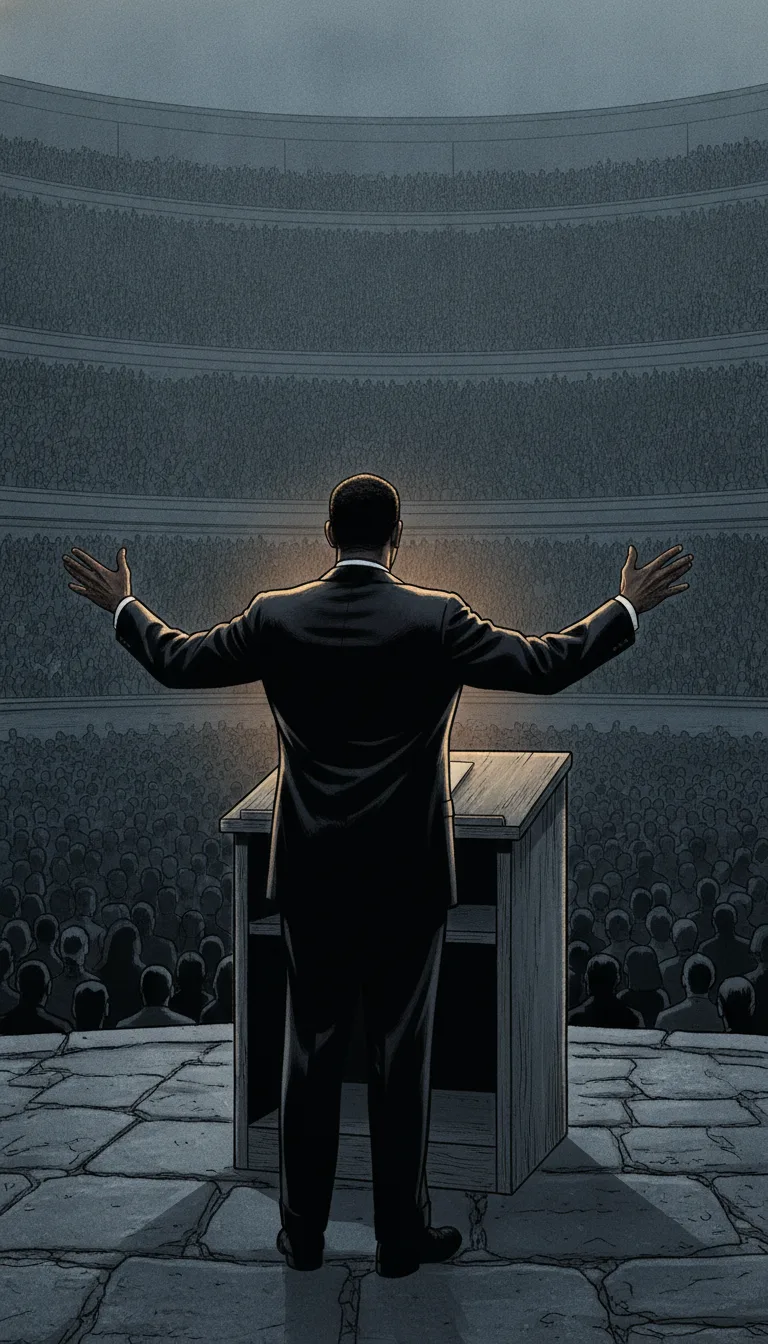
West Berlin responded by offering King the Waldbühne — a magnificent open-air amphitheater built into a hillside, originally constructed for the 1936 Olympic Games. On September 13, 1964, approximately twenty thousand West Berliners filled it to hear him speak.
Think about what that crowd represented. These were people who woke up every morning in a city surrounded on all sides by a hostile state. They lived with the Wall as a daily psychological reality. Many had family members they could no longer visit. Some had watched the Wall go up in August 1961 and simply never recovered from the shock of it. They came to the Waldbühne not just for a speech, but for something harder to name — solidarity, perhaps, or the reassurance that the outside world had not forgotten them.
King did not disappoint. He drew a direct line between the injustice he fought in Alabama and Georgia and the injustice embodied by the Wall itself. His core argument was simple and profound: freedom cannot be divided. You cannot be truly free while your neighbor is imprisoned. A wall anywhere diminishes everyone everywhere. For a crowd that had spent three years feeling isolated and overlooked by a world preoccupied with other crises, this was an extraordinary thing to hear from an extraordinary man.
Why History Quietly Forgot It
The speech received limited coverage at the time and has been largely absent from mainstream histories of the Civil Rights Movement ever since. Several reasons help explain this silence.
King's international engagements were sometimes seen by American civil rights organizations as distractions from the domestic struggle. His trip to Europe came at a moment of intense pressure at home — the Civil Rights Act had only just passed that summer. There was also a Cold War dimension: American authorities were not always comfortable with King framing the freedom struggle as a global phenomenon that implicitly criticized Western allies as well as Soviet adversaries.
The East German government certainly had no interest in preserving the memory of a man who had crossed their checkpoint and told the West that walls were monuments to failure.
Why It Matters Now
Sixty years later, the Berlin Wall is gone, but the speech carries fresh relevance. King was articulating something that transcends any single era: that the instinct to separate, contain, and exclude human beings is a shared enemy, and that the people who fight it in one place are, whether they know it or not, fighting it everywhere.
A crowd of twenty thousand Europeans understood this from an American preacher on a warm September evening in 1964. That understanding deserved to be remembered long before now.