A Colony Built on Sugar and Suffering
When British forces captured Jamaica from Spain in 1655, they inherited an island already shaped by violence. The Spanish had nearly wiped out the indigenous Taíno people within decades of Columbus's arrival in 1494. The British continued where the Spanish left off — but on an industrial scale.
Jamaica became one of the most profitable colonies in the entire British Empire, not because of its land, but because of the people forcibly brought to work it. By the late 18th century, enslaved Africans outnumbered white colonists by nearly ten to one. The sugar that sweetened British tea came at an almost unimaginable human cost. Plantations like those in the parishes of Westmoreland and St. Elizabeth were, in the words of historians, closer to labor camps than farms. Mortality rates were so high that planters continuously imported new enslaved people simply to maintain their workforce.
The Emancipation Act of 1833 officially ended slavery, but freedom arrived slowly and incompletely. A cruel "apprenticeship" system forced formerly enslaved people to continue working for their enslavers for up to six more years. Full emancipation only came in 1838 — and even then, it was the plantation owners, not the enslaved, who received financial compensation from the British government. That debt, remarkably, was not fully repaid by British taxpayers until 2015.
The Men Who Demanded More
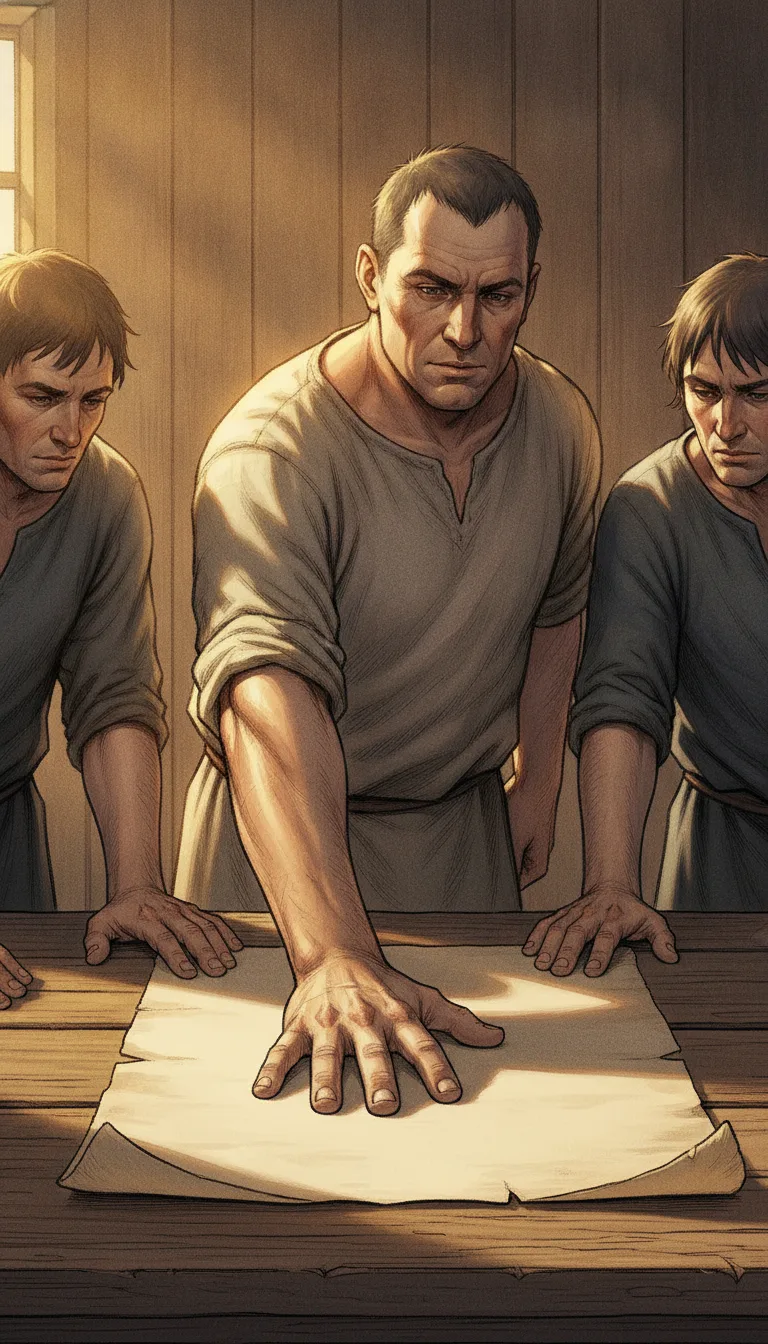
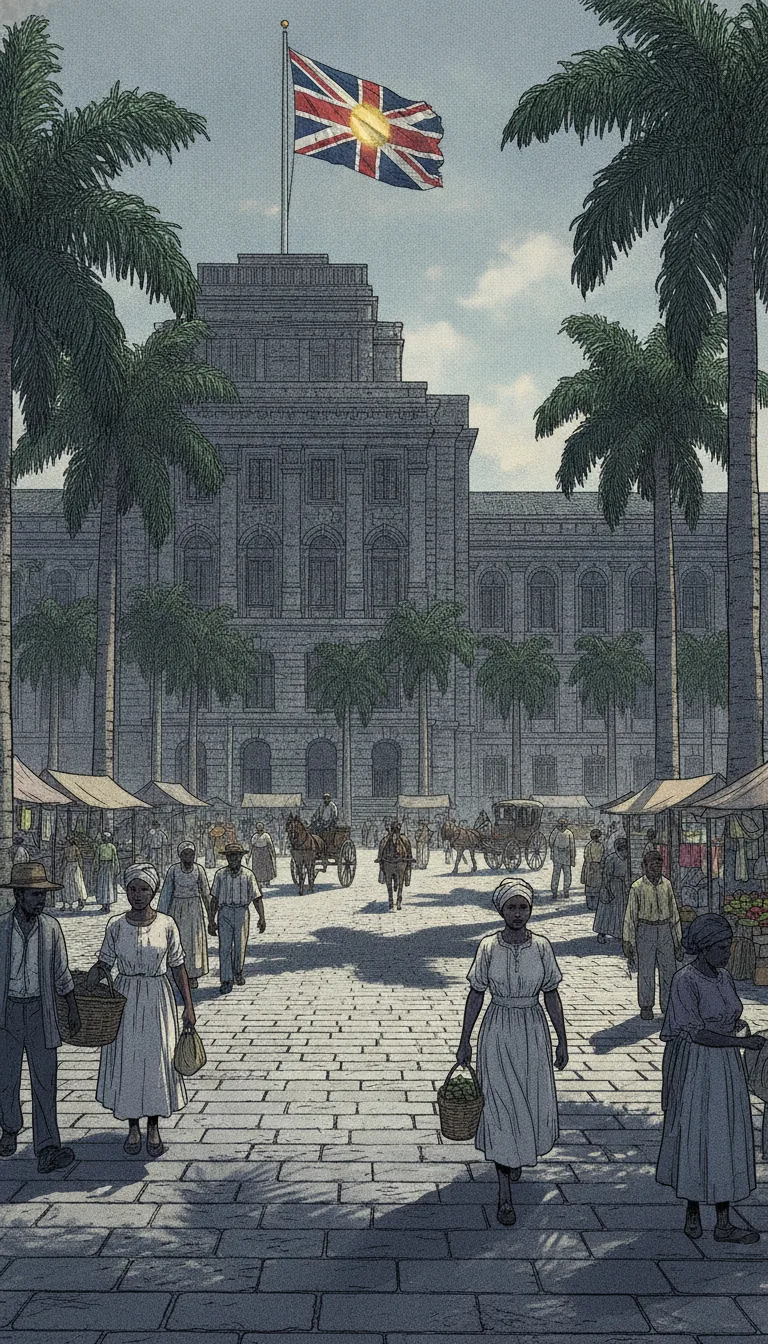
For over a century after emancipation, Jamaica remained firmly under British colonial administration. Most Jamaicans had no real political voice, limited economic opportunity, and little control over their own lives. That began to change in the 1930s, when two remarkable men — and fierce rivals — started pulling in the same direction.
Norman Washington Manley was a Oxford-educated lawyer and intellectual who founded the People's National Party in 1938. He believed in democratic socialism and saw Jamaican self-governance as a moral and political necessity. Alexander Bustamante, his cousin, took a different path. A charismatic labor organizer, Bustamante built his power among the working class — dockworkers, cane cutters, ordinary people — and founded the Jamaica Labour Party. The two men disagreed sharply on economics and strategy, but both agreed that British rule had to end.
Their campaigns, their strikes, their speeches, and their organizing slowly forced Britain's hand. The colonial government actually imprisoned Bustamante during World War II, fearing his influence — which only increased his popularity.
The Vote That Decided Everything
Jamaica had spent the 1950s as part of the West Indies Federation, a British-designed political union of Caribbean territories intended to ease the transition away from direct colonial rule. It was, at best, an awkward experiment. Many Jamaicans felt the federation benefited smaller islands more than Jamaica, which was the largest and most populous member.
In September 1961, Norman Manley put the question directly to the Jamaican people in a referendum: should Jamaica remain in the federation, or pursue independence alone? The result was clear — 54% voted to leave. Within months, the federation collapsed entirely. Jamaica would go its own way.
Elections followed in April 1962. Bustamante's party won, meaning it was his government — not Manley's — that would lead Jamaica into independence. History, with its dry sense of humor, handed the finish line to the man who hadn't organized the final race.
One Midnight, One Nation
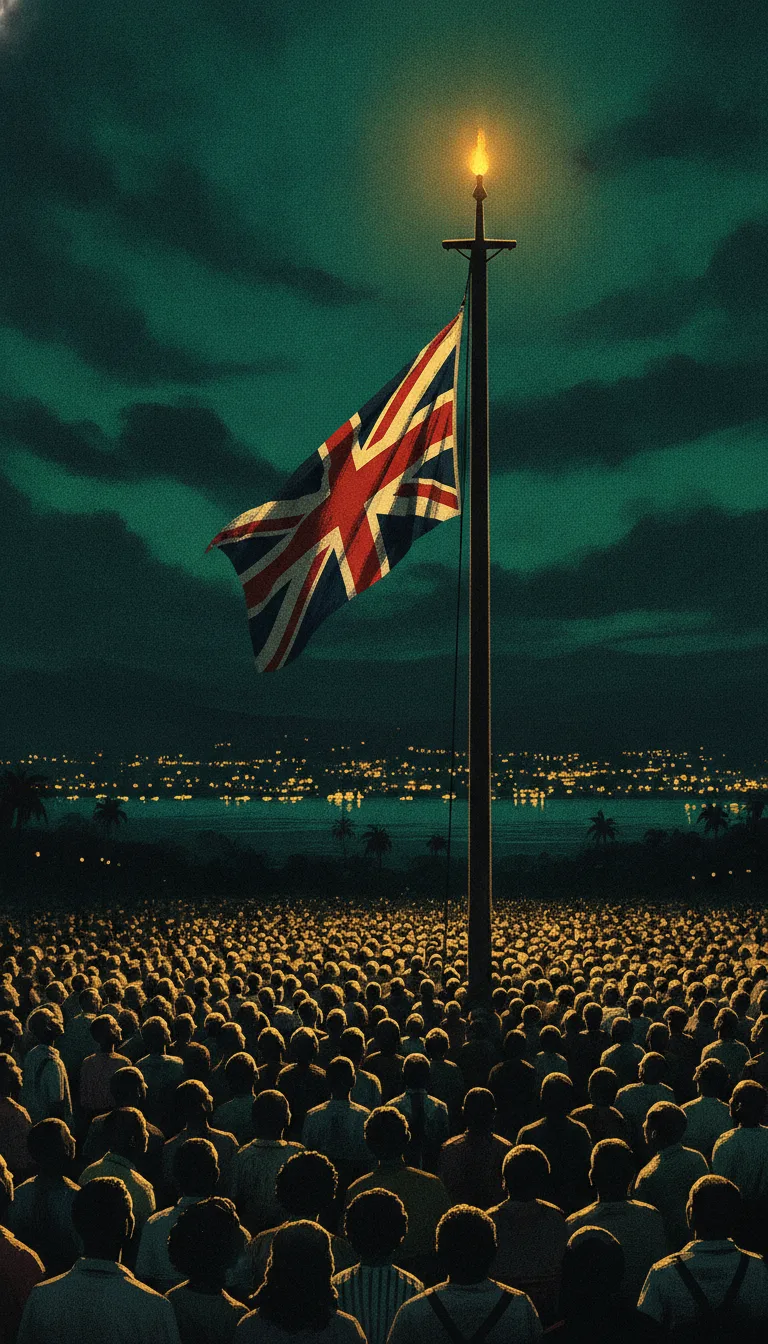
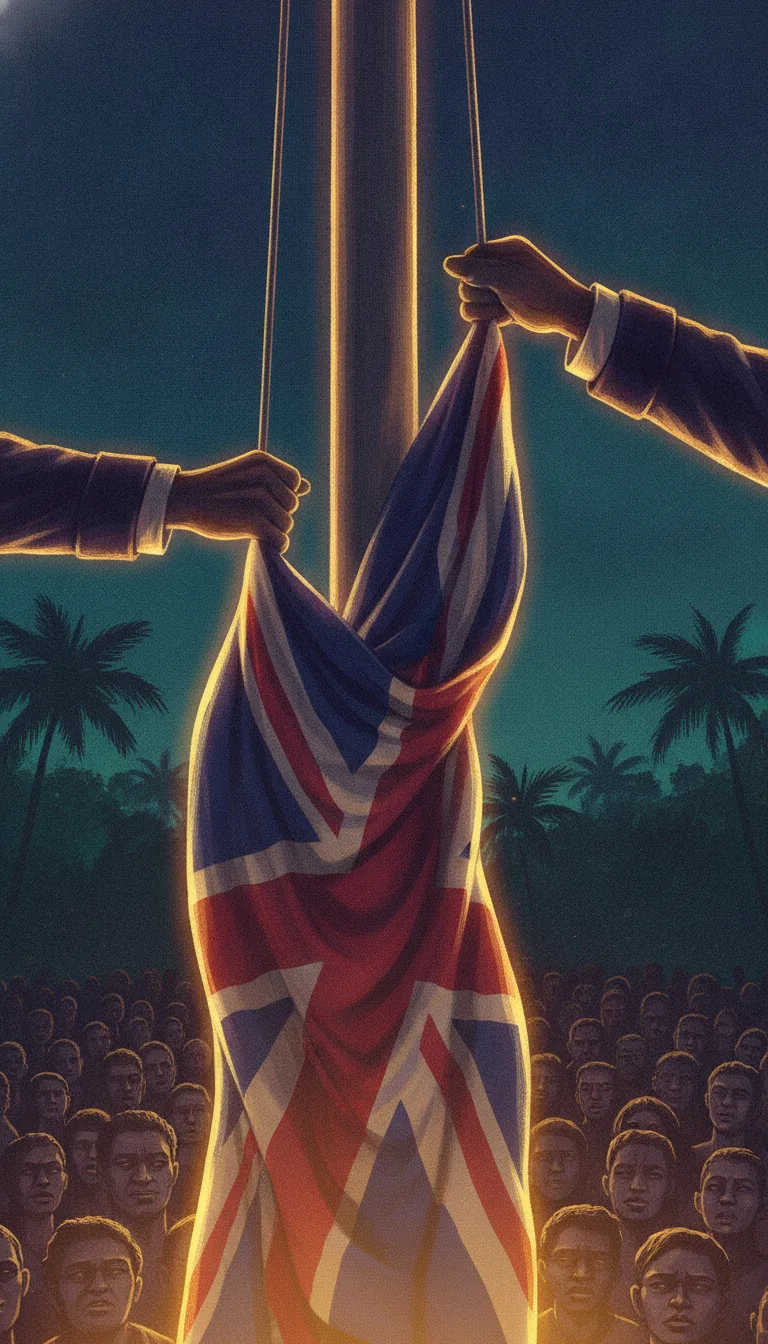
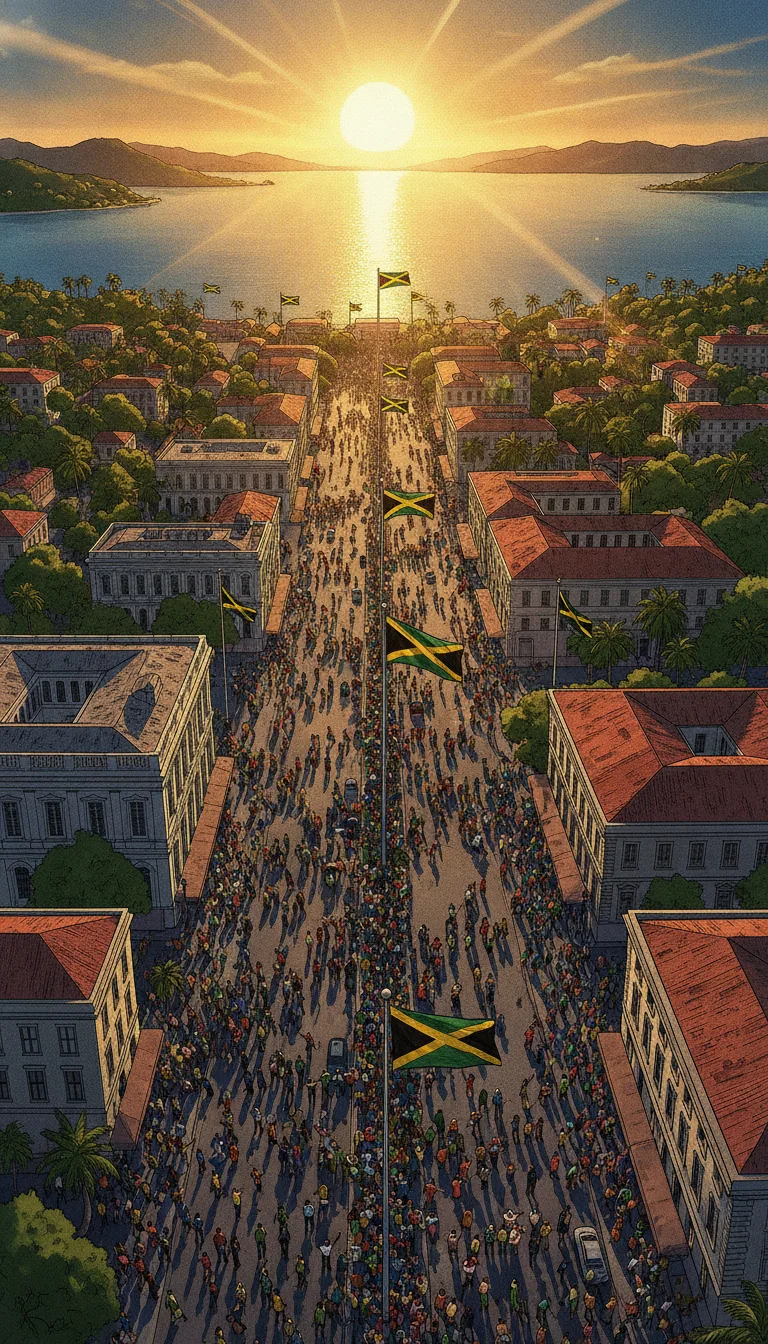
The independence ceremony on the night of August 5–6, 1962 was held at the National Stadium in Kingston. Tens of thousands of Jamaicans gathered in the warm August night. Princess Margaret attended on behalf of the British Crown. At the stroke of midnight, the Union Jack was lowered for the last time. The new Jamaican flag — black for the hardships faced, gold for the natural wealth and sunlight, green for the land — rose in its place.
Bustamante, now the first Prime Minister, reportedly wept.
Why It Still Matters
Jamaica's independence was remarkable for what it was not: it was not won through armed revolution or bloodshed. It was negotiated, voted on, and celebrated. That matters enormously in a region where colonial history left deep wounds.
Yet independence did not erase poverty, inequality, or the long economic shadows cast by slavery. Jamaica today continues to wrestle with those legacies — including, in recent years, a growing national conversation about whether to remove the British monarch as head of state entirely.
The flag went up sixty-plus years ago. The work it represents is still unfinished.