
The Soldier Who Outlived His Usefulness
Erwin Rommel did not die on a battlefield. He died in the back seat of a car, parked on a quiet road near his home in Herrlingen, Germany, on October 14, 1944. He had swallowed a cyanide capsule. He was 52 years old, wearing his field marshal's uniform, and he knew exactly what was happening to him.
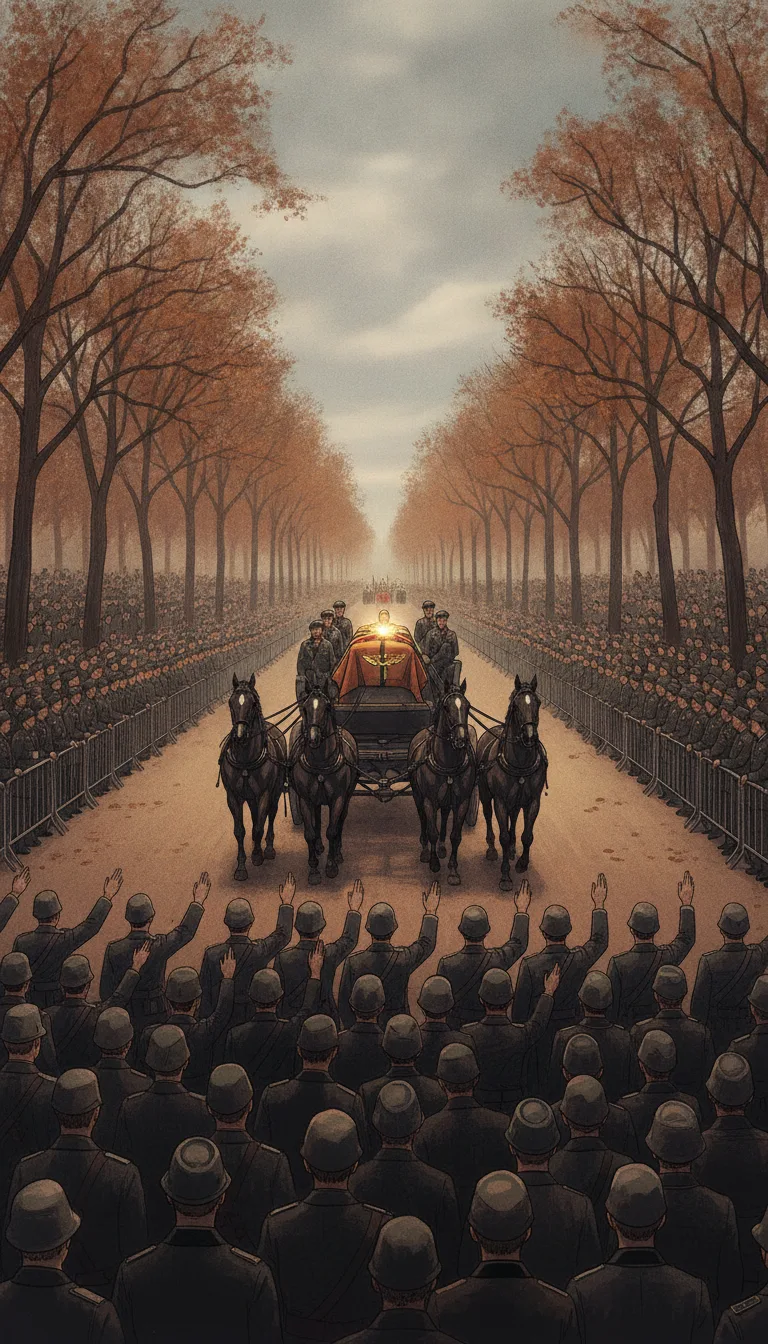
The German public was told he died of wounds from an earlier Allied air attack. They wept for him. Hitler ordered a state funeral. The lie held for years.
The Making of a Legend
Rommel rose to fame not through political loyalty to the Nazi Party, but through something far rarer inside the Third Reich: genuine battlefield brilliance. During the 1940 invasion of France, he commanded the 7th Panzer Division with such speed and aggression that his own headquarters often lost track of where he was. His enemies could never find him either.
His real legend, however, was forged in North Africa. Between 1941 and 1943, commanding the Afrika Korps, Rommel repeatedly outmaneuvered larger British forces across the deserts of Libya and Egypt. British soldiers respected him so deeply that Winston Churchill once asked the House of Commons, "We have a very daring and skillful opponent against us, and, may I say across the havoc of war, a great general." That tribute, spoken in Parliament during wartime, was extraordinary.
But North Africa also revealed something important: Rommel was fighting without enough fuel, supplies, or reinforcements. Hitler's attention and resources were being swallowed by the Eastern Front. Rommel began to understand that Germany could not win the war. He believed, by 1944, that continuing it was criminal.
The Weight of What He Knew
By the time Rommel was commanding Army Group B in France in 1944, defending against the expected Allied invasion, his private views had shifted dramatically. He told close associates that Hitler needed to be removed from power and that Germany needed to seek a negotiated peace before it was completely destroyed. He reportedly said, "I have given him his last chance. If he does not take it, I will act."
Whether Rommel knew in advance about the specific July 20 plot to assassinate Hitler remains genuinely disputed among historians. What is clear is that he was in contact with several of the conspirators, including military officers who hoped he would lend his enormous public prestige to a post-Hitler government. Just days before the assassination attempt, Rommel was seriously wounded when Allied aircraft strafed his staff car in Normandy. He was still recovering at home when Colonel Claus von Stauffenberg placed a bomb in Hitler's conference room at the Wolf's Lair headquarters in East Prussia.
The bomb exploded. Hitler survived. The Gestapo began pulling on every thread.
The Choice That Was Not a Choice
Names emerged under interrogation. Rommel's name appeared. Some witnesses, possibly under torture, connected him to the conspiracy's wider circle. By October, Hitler had received enough — whether truthful or coerced — to act against Germany's most famous soldier.
Sending Rommel to a public trial presented a problem. A humiliated, defiant Rommel in a courtroom could damage German morale catastrophically. The regime's solution was characteristically brutal and calculating: give him a private exit.
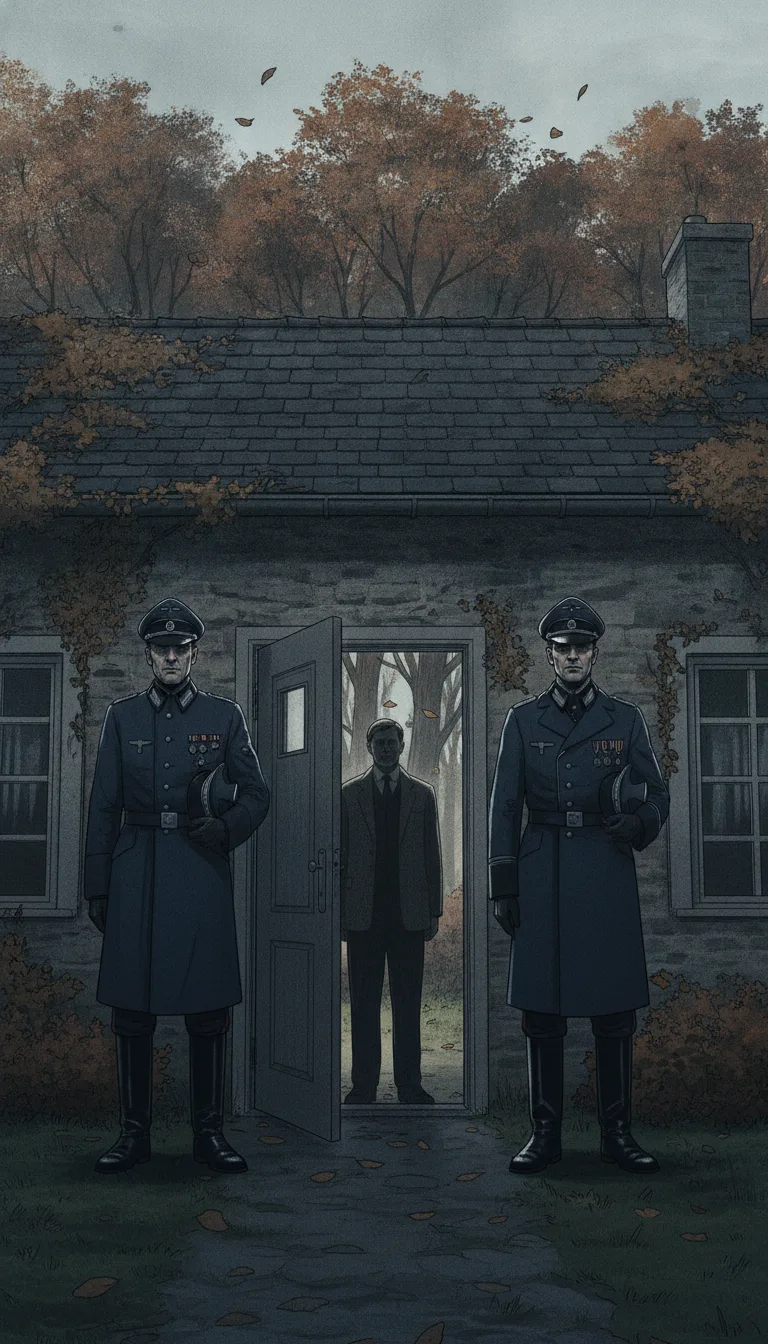
On the morning of October 14, two generals arrived at his house. They carried a direct message from Hitler. Rommel could take poison and receive a hero's death — his family would be protected, his reputation preserved. Or he could face the People's Court, the same show-trial machinery that had already sentenced hundreds of conspirators to be hanged with piano wire, their deaths filmed for Hitler's private viewing.
Rommel said goodbye to his wife Lucie and his 15-year-old son Manfred. He got into the car. He was dead within minutes.
Why This Moment Still Matters
Rommel's death captures something essential about how totalitarian power operates: it cannot tolerate heroes it no longer controls. His loyalty, his victories, his public image — none of it offered protection once he became inconvenient.
He also remains a genuinely complicated figure. He served the Nazi regime loyally for years, and his Afrika Korps largely treated prisoners according to the rules of war — but he operated within, and enabled, a murderous system. His private resistance, whatever its exact form, came very late.
The state funeral Germany gave him was among the most elaborate lies of the entire war. But perhaps the more enduring truth is simpler: even the man Hitler called his favorite general was disposable the moment he stopped being useful.