A War That Had Been Planned for Years
By the summer of 1939, Adolf Hitler had already swallowed Austria and Czechoslovakia without firing a single shot. Western powers had allowed it, hoping that giving him what he wanted would keep the peace. It didn't. Poland was next, and Hitler had no intention of asking politely.
What made September 1st possible was a secret deal signed just days earlier. On August 23, 1939, Nazi Germany and the Soviet Union — ideological enemies — shocked the world by signing the Molotov-Ribbentrop Pact. Hidden inside the agreement was a private clause: Poland would be divided between them. Hitler now had no fear of fighting a two-front war. The trap was set.
The Attack That Came from Everywhere at Once
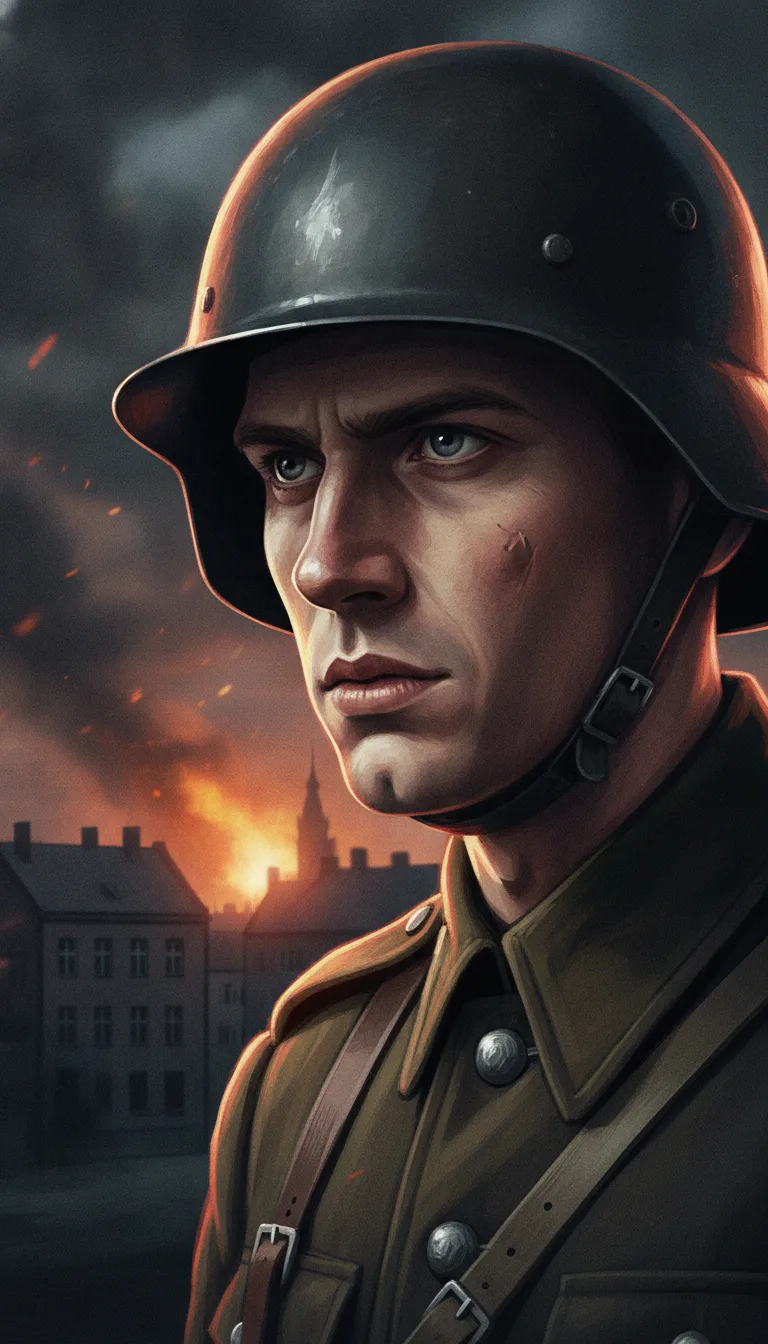
Germany did not simply cross a border. It surrounded Poland with overwhelming force from three directions — from the north through German-controlled Prussia, from the west through Germany itself, and from the south through occupied Czechoslovakia. Over 1.5 million soldiers, supported by roughly 2,700 tanks and 2,000 aircraft, poured in simultaneously.
This was the world's first real experience of Blitzkrieg — lightning war. Coordinated waves of bombers hit airfields before Polish planes could even take off. Fast-moving armored columns punched deep into Polish territory, bypassing strong defensive positions and cutting off entire armies from their supply lines. Polish commanders had planned to defend a long border, expecting a more traditional advance. Instead, the front collapsed in multiple places at once.
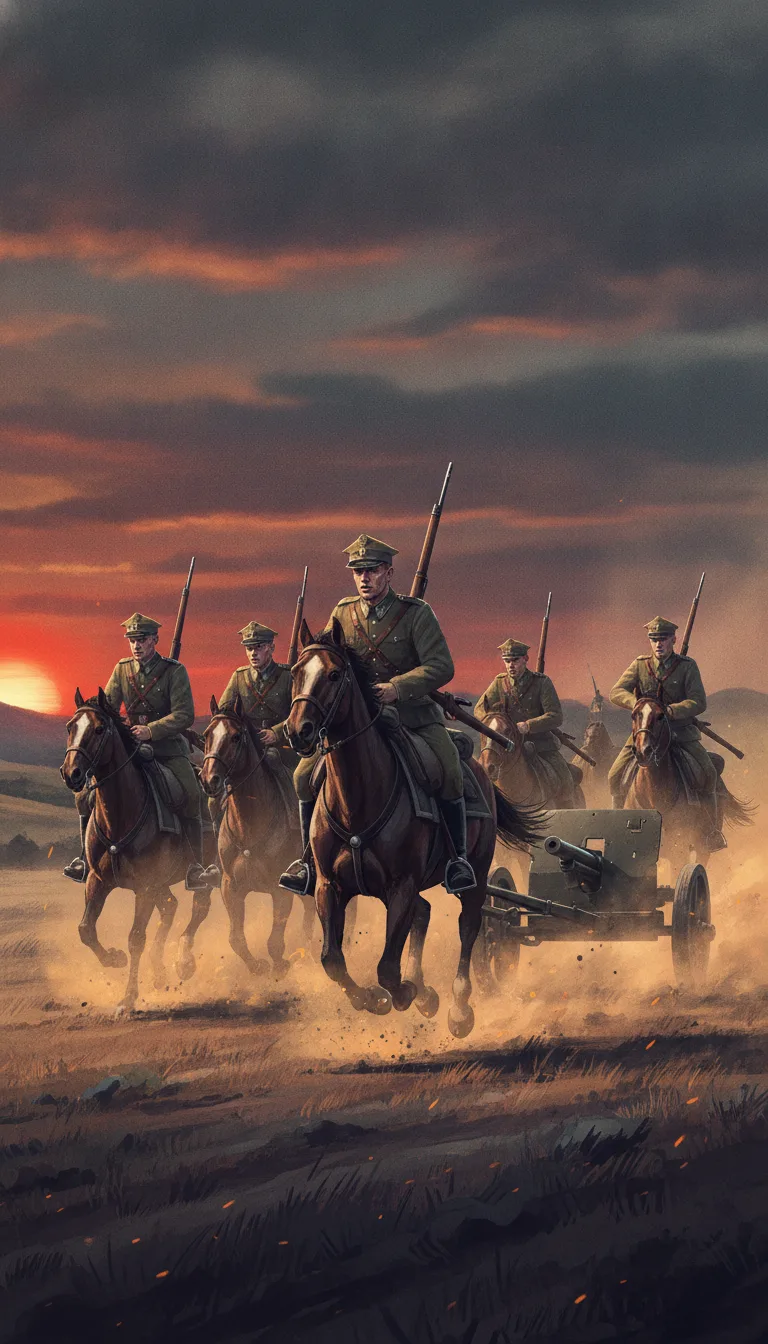
The famous image of Polish cavalry charging tanks is largely a myth — or at least a misunderstanding. Polish cavalry units were modern, mobile fighting forces equipped with rifles, machine guns, and anti-tank weapons. At the Battle of Krojanty on the very first day of the war, a cavalry charge was caught in the open by armored cars, causing heavy casualties. Italian journalists reported it as horsemen charging tanks, and German propaganda amplified the story. It was fictional, but it stuck.
The People Behind the Battle
Poland in 1939 was a young country. It had only regained independence in 1918 after 123 years of partition between foreign empires. Entire generations had grown up stateless. When war came, the emotional weight of defending that hard-won nation was enormous.
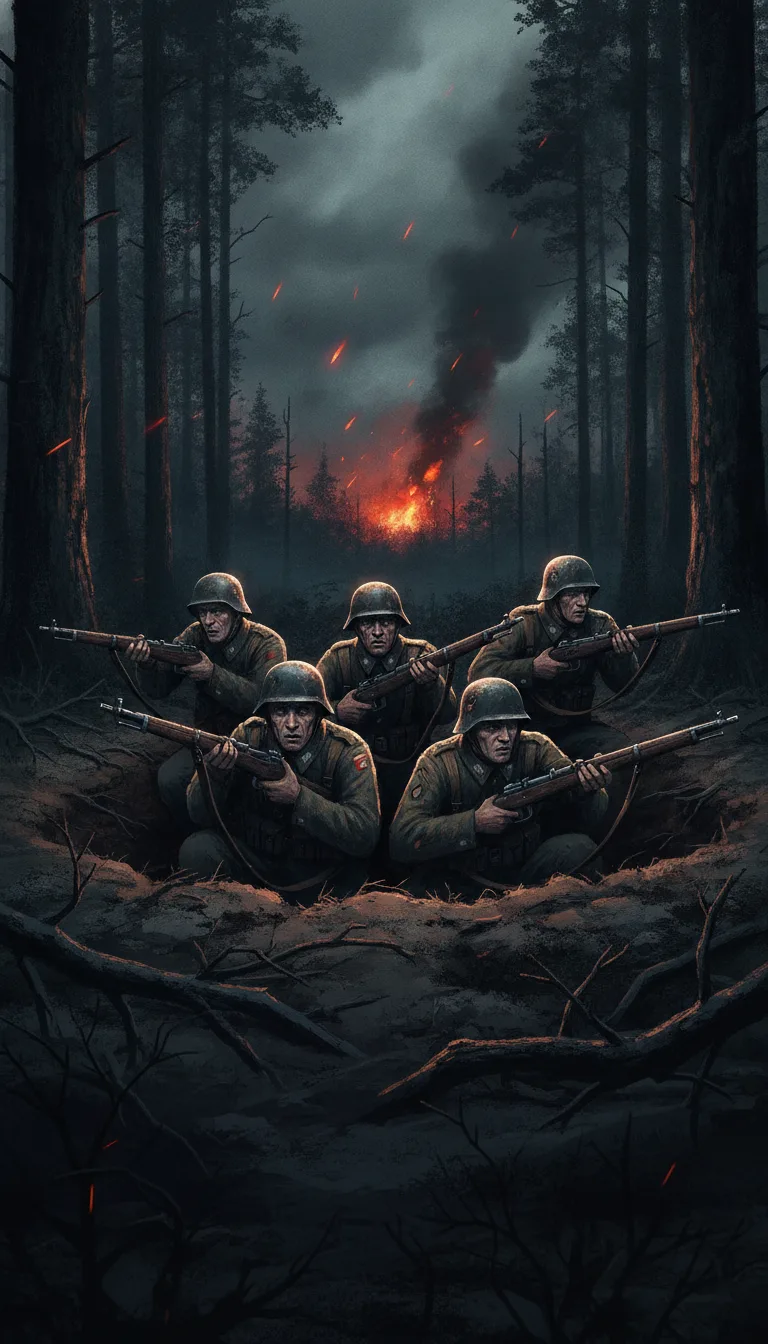
Warsaw's civilians lived through something almost unimaginable. German bombers targeted the city repeatedly. Hospitals, apartment buildings, and water infrastructure were struck. Citizens dug trenches in public parks. A radio station kept broadcasting classical music and news reports until the very last days of the siege — a deliberate act of defiance that the whole listening world could follow. The city held out until September 27th.
When Soviet forces crossed the eastern border on September 17th, the Polish government received word that the USSR claimed Poland had "ceased to exist as a state." It was an absurd legal fiction designed to justify an invasion. Polish troops were now being attacked from both sides simultaneously. The government and high command evacuated to Romania, hoping to continue the fight from abroad.
Defeat That Was Not the End
Poland formally surrendered on October 6, 1939. But the Polish state did not simply disappear. A government-in-exile established itself first in Paris, then in London. It was recognized by the Allied powers as the legitimate government of Poland throughout the entire war.
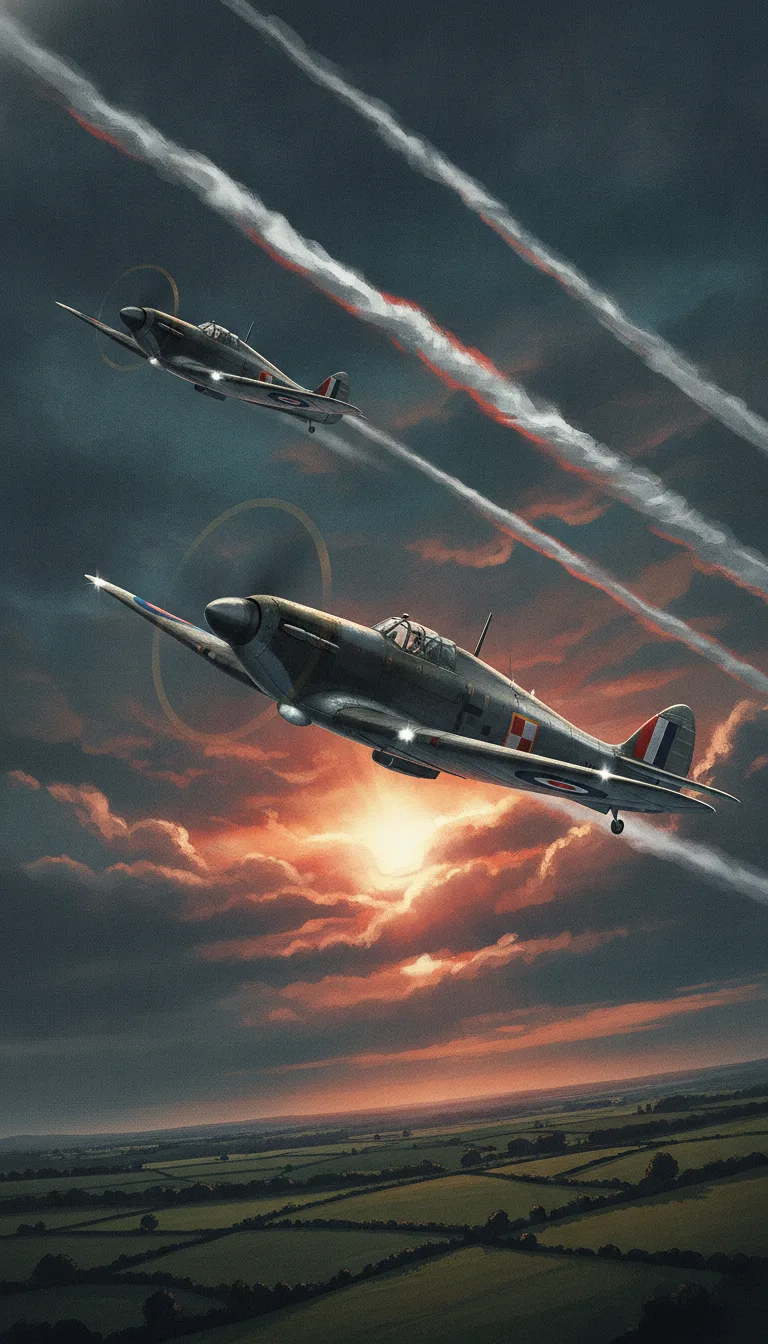
More importantly, Polish soldiers kept fighting — everywhere. After the fall of France in 1940, roughly 35,000 Polish troops evacuated to Britain. Polish squadrons in the Royal Air Force flew during the Battle of Britain that same summer. No. 303 Squadron, manned by Polish pilots with combat experience from the September campaign, became the highest-scoring Allied squadron during that battle. Their contribution was not symbolic — it was decisive during a moment when Britain stood alone.
Polish soldiers later fought in North Africa, at the pivotal Battle of Monte Cassino in Italy, and during the Normandy landings.
Why September 1, 1939 Still Matters
The invasion of Poland was not just the opening act of World War II. It was the moment the world learned that negotiation and appeasement had limits — that some ambitions could only be stopped by force. It demonstrated the terrifying effectiveness of modern mechanized warfare. And it showed that a country can lose its territory without surrendering its identity or its will to resist.
Poland paid the highest price of any nation in the war relative to its population. Nearly six million Polish citizens died — half of them Jewish, murdered in the Holocaust that Germany carried out largely on Polish soil. The country that fought hardest in the first hours of the war was also the country that suffered longest.
That story deserves more than 45 seconds.