A Charity Ship in the Crosshairs
By the summer of 1985, the Rainbow Warrior was one of the most recognisable protest vessels in the world. Operated by Greenpeace, the converted fishing trawler had already spent years sailing into uncomfortable places — blocking whaling ships, documenting nuclear waste dumping, and positioning itself wherever powerful governments would rather not be watched. Its next mission was to sail to Mururoa Atoll in the South Pacific, where France had been conducting nuclear weapons tests since 1966, and to help relocate the people of Rongelap Atoll, who had suffered from radiation exposure caused by American tests decades earlier.
France did not want witnesses at Mururoa. And so, rather than tolerate the presence of a protest ship, the French government decided to destroy it.
The Operation Behind the Operation
What followed was not the work of a rogue agent or a spontaneous decision. Operation Satanique — the name the French military used internally — was authorised at the highest levels of the French government. The Direction Générale de la Sécurité Extérieure, France's foreign intelligence service better known as the DGSE, deployed multiple teams to New Zealand under false identities.
Some agents posed as tourists, others as a Swiss couple on a sailing holiday. Their job was to surveil the Rainbow Warrior in Auckland Harbour, gather intelligence, and prepare for the attack. The operation involved at least twelve agents operating across several countries in the weeks leading up to July 10th. It was, by any measure, a sophisticated state-sponsored mission — conducted against a non-violent environmental organisation, in a friendly nation, during peacetime.
The Night of the Bombing
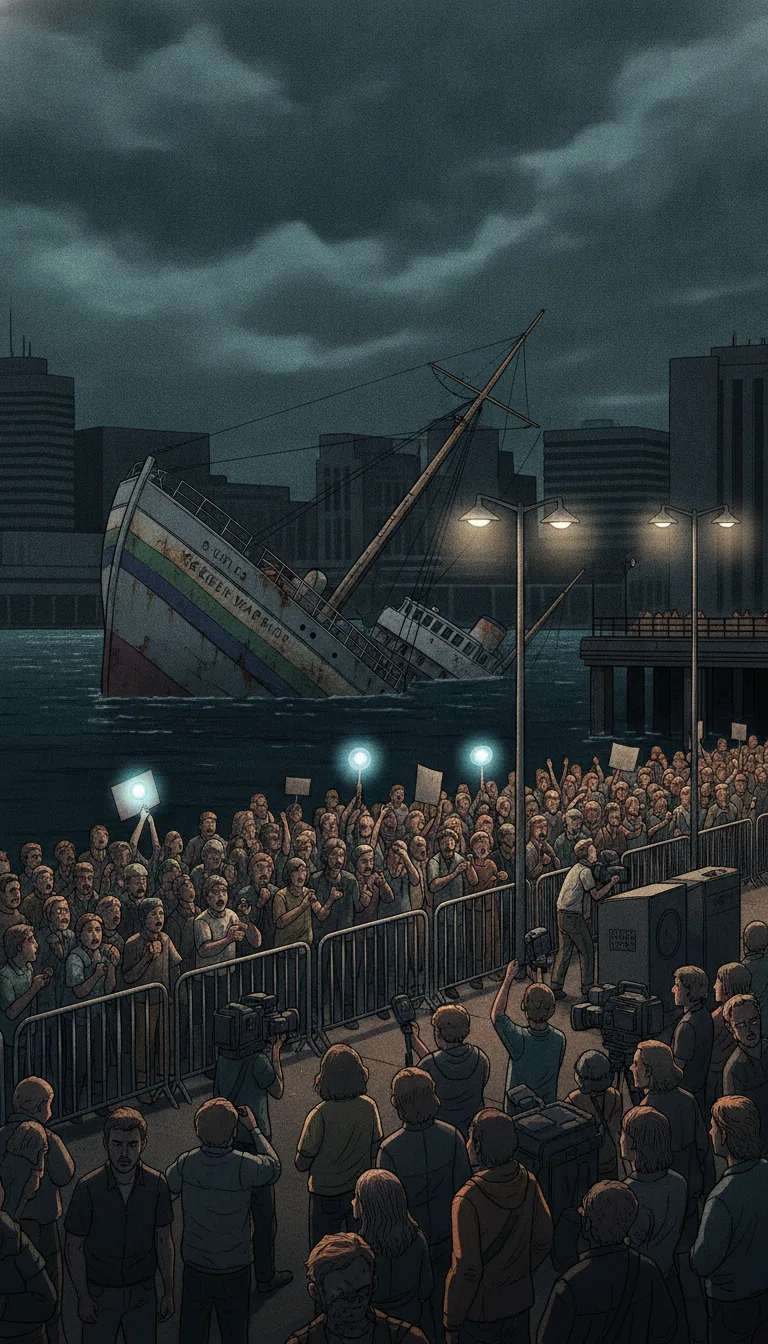
The Rainbow Warrior was moored at Marsden Wharf in Auckland, preparing for the Mururoa voyage. That evening, crew members had gathered on board to celebrate the birthday of the ship's captain, Pete Wilcox. The mood was relaxed. The ship felt, briefly, like a home.
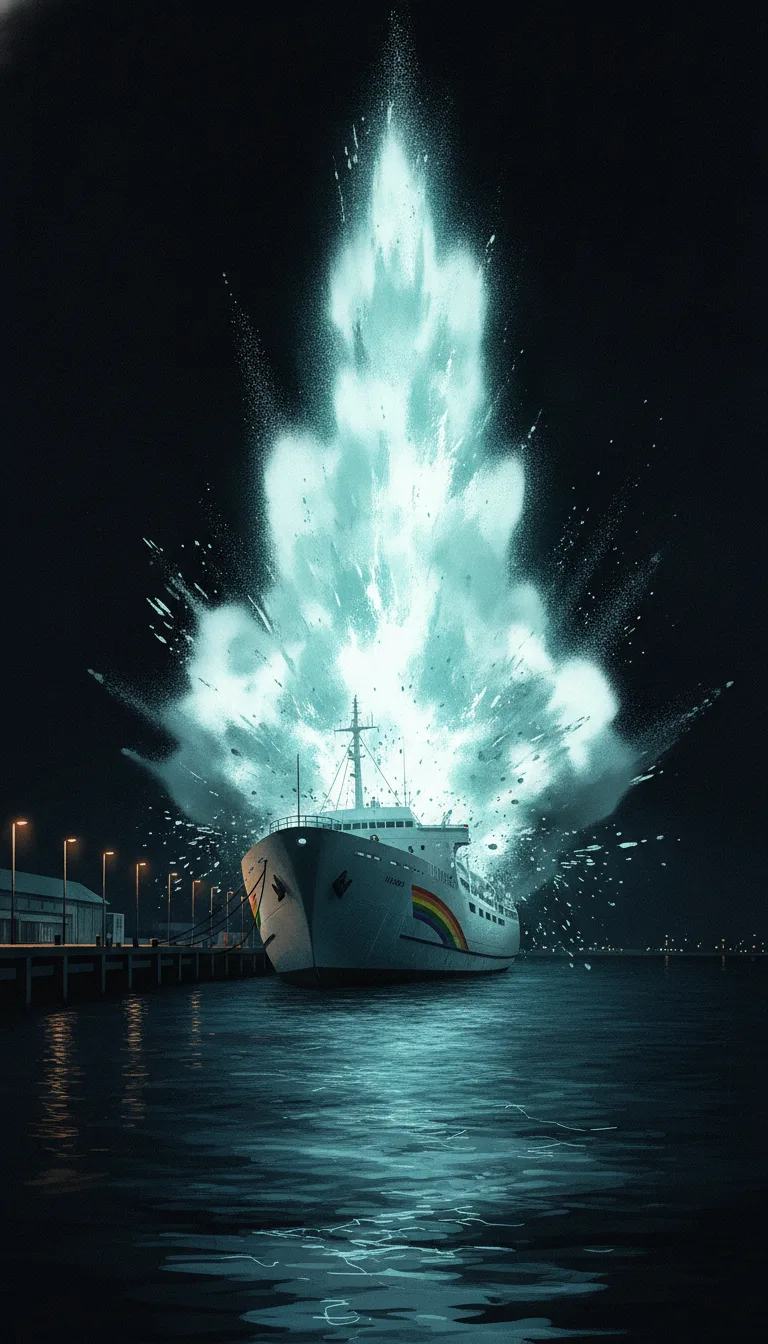
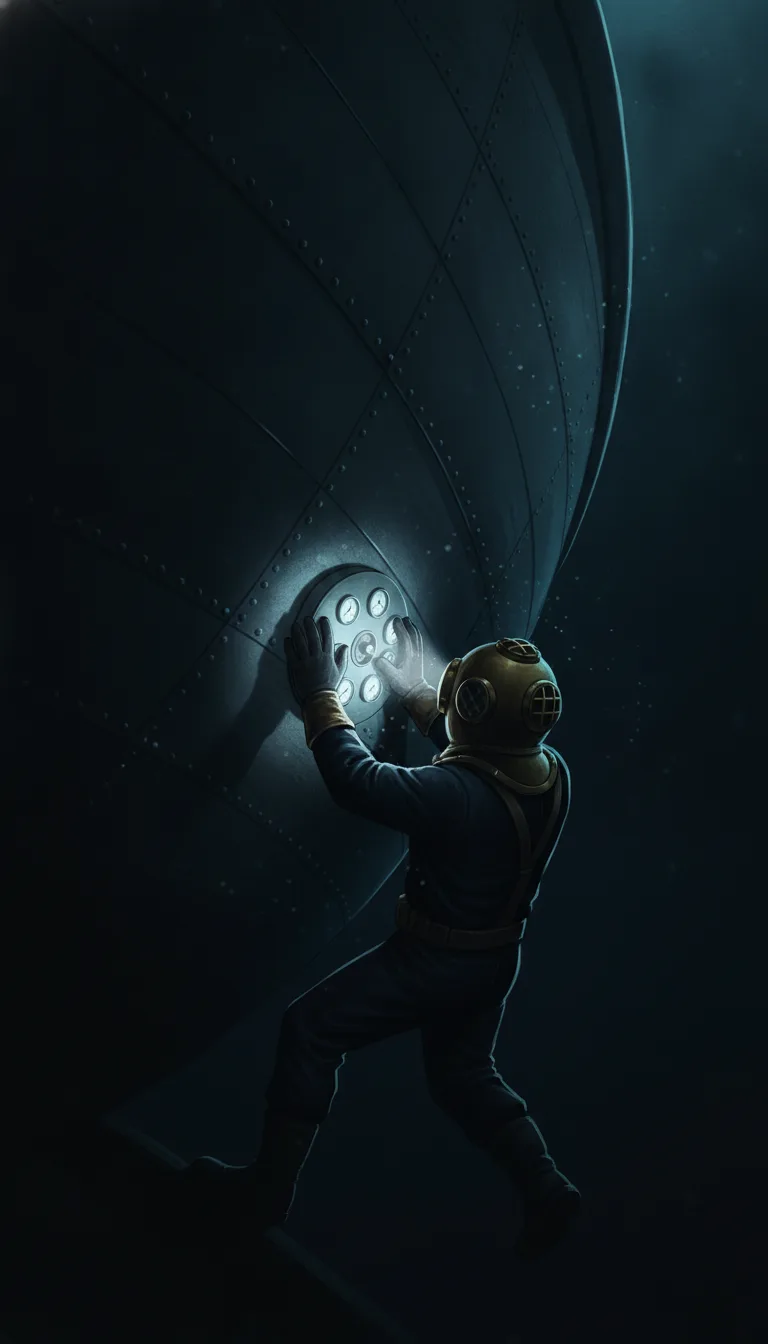
Just before midnight, two DGSE combat divers slipped beneath the hull and attached two limpet mines to the ship's propeller shaft and engine room. The first explosion struck at 11:38 pm and blew a large hole in the hull. Most people on board evacuated immediately. But Fernando Pereira, a 35-year-old Dutch-Portuguese photographer who had spent years documenting Greenpeace campaigns, went back below deck to retrieve his camera equipment. The second bomb detonated. Pereira was killed instantly. He left behind two children.
The Investigation That Embarrassed a Nation
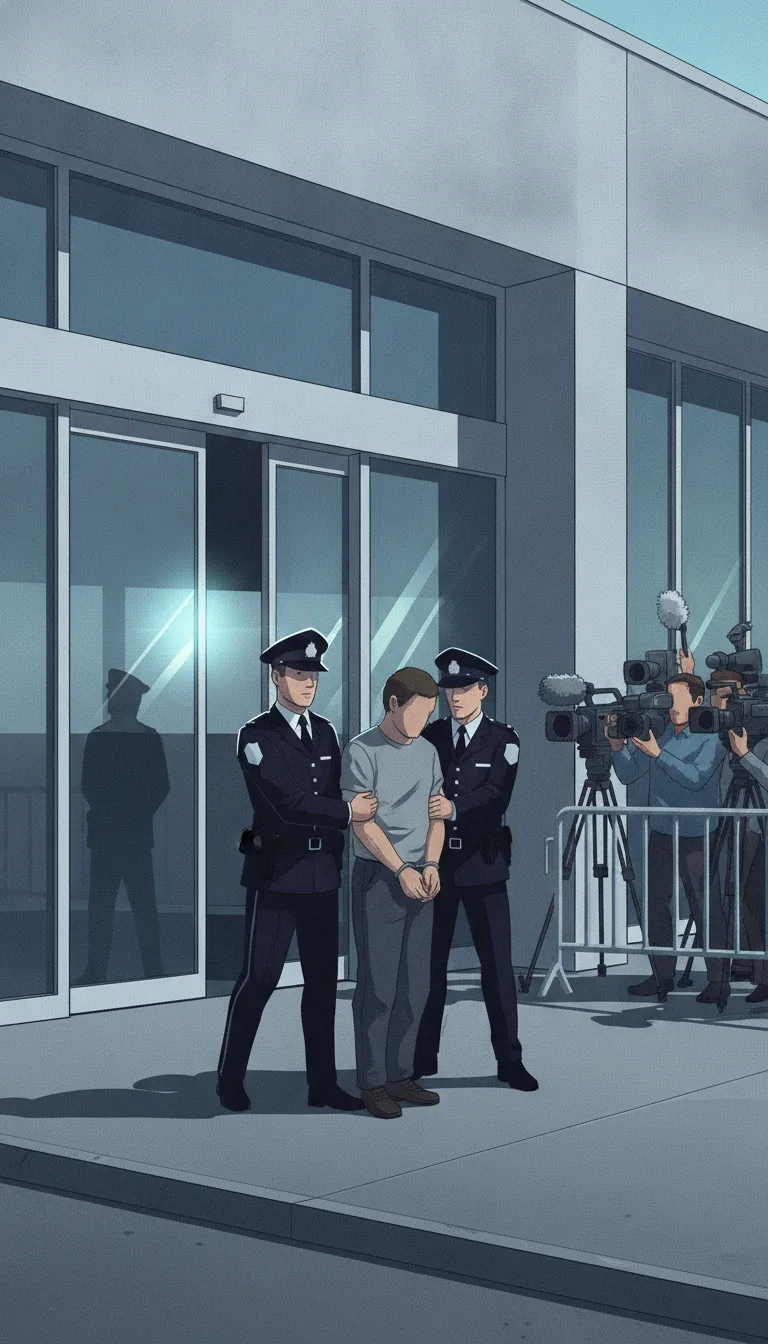
New Zealand's police responded with remarkable speed and determination. Within days, two French agents — Major Alain Mafart and Captain Dominique Prieur — were arrested at Auckland Airport. They had been travelling under false Swiss passports. Both were tried in New Zealand courts and pleaded guilty to manslaughter and wilful damage. They were each sentenced to ten years in prison.
France's initial response was a masterclass in diplomatic dishonesty. Official spokespeople denied any involvement. The French press, fed disinformation, initially reported that the British secret service might have been responsible. It was only after investigative journalists — particularly a team at the French newspaper Le Monde — published detailed evidence of DGSE involvement that the French government was forced to acknowledge the truth. The defence minister eventually resigned.
Consequences and Compromises
Under pressure from France, which threatened economic consequences for New Zealand's trade with the European Community, the two convicted agents were transferred to French custody on Hao Atoll in 1986, supposedly to serve three years. France quietly returned them home ahead of schedule. New Zealand was furious but geopolitically outmanoeuvred.
France ultimately paid New Zealand seven million dollars in compensation and issued a formal apology. Greenpeace separately received eight million dollars in damages. The French agents, meanwhile, were treated as heroes by sections of the French military establishment — Prieur was later promoted.
Why It Still Matters
The Rainbow Warrior bombing sits at an uncomfortable intersection of state power, environmental activism, and democratic accountability. It demonstrated that nuclear programmes — and the governments protecting them — could respond to peaceful protest with lethal force. It also showed that ordinary police work, a free press, and public outrage could still hold powerful states to account, at least partially.
A replacement vessel, also named Rainbow Warrior, was launched in 1989. The wreck of the original ship was deliberately sunk off the coast of New Zealand and became a diving reef — visited today by thousands of people who know its story.