A City Held Hostage
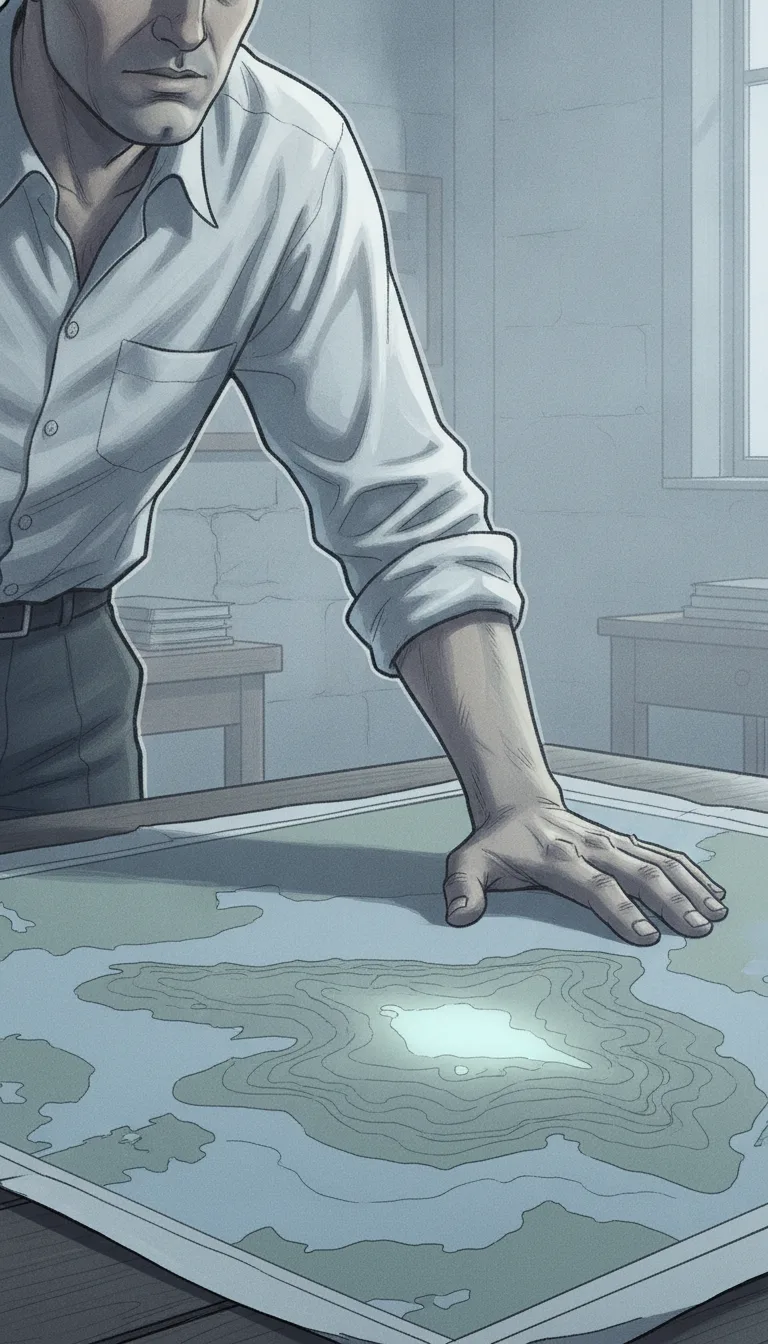
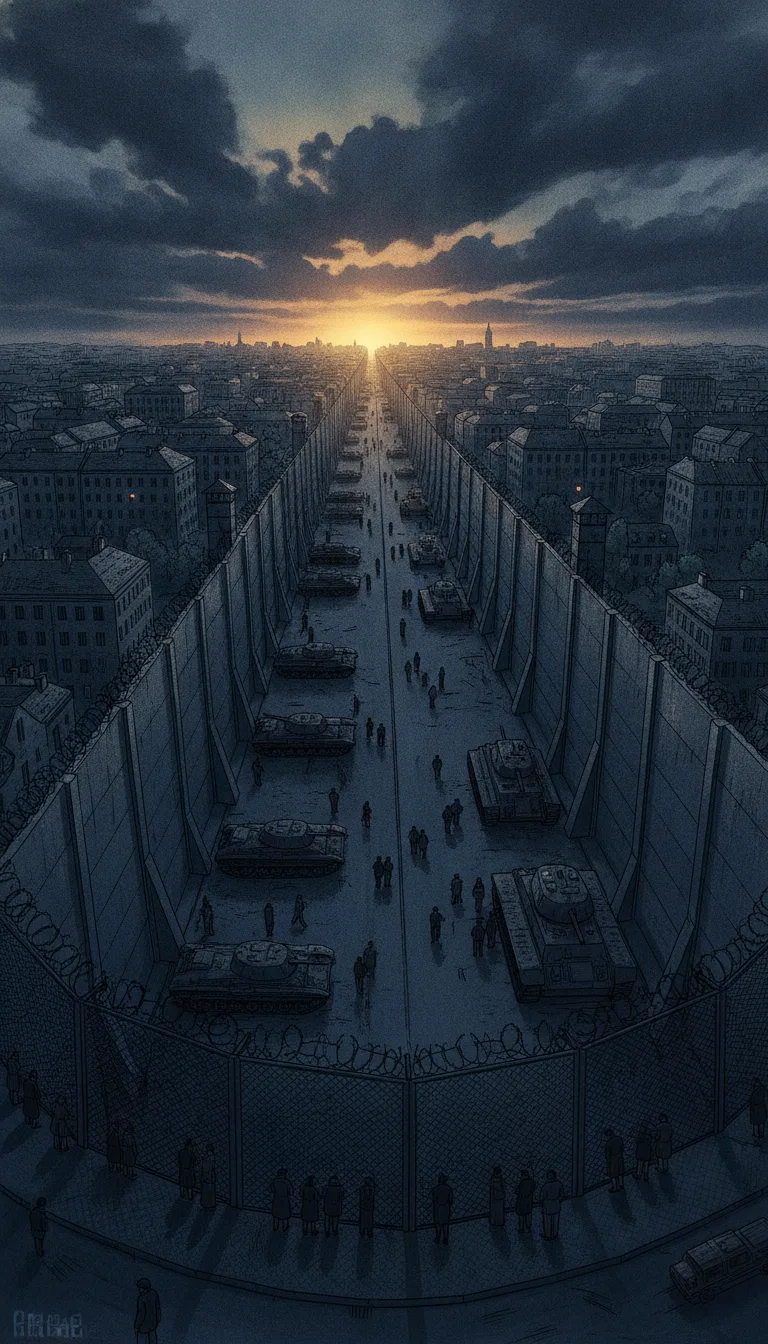
By the summer of 1948, Berlin had already survived total war. Its streets were still rubble. Its people were still hungry. But the city now faced a different kind of threat — not bombs, but silence. The slow, deliberate closing of every road, rail line, and canal that connected West Berlin to the outside world.
The Soviets did not call it a blockade. They called it "technical difficulties." Nobody believed them.
The root of the crisis went back to the Potsdam Agreement of 1945, when the victorious Allied powers divided Germany — and Berlin — into occupation zones. West Berlin sat like an island, deep inside Soviet-controlled East Germany. It was always a vulnerable arrangement. Stalin decided to exploit that vulnerability completely.
His goal was not simply to starve the city. It was to force the Western Allies — America, Britain, and France — to either abandon West Berlin or accept Soviet terms over the future of Germany. He gambled that they would choose to leave quietly rather than risk war over a half-destroyed city still recovering from the last one.
The Decision Nobody Had Made Before
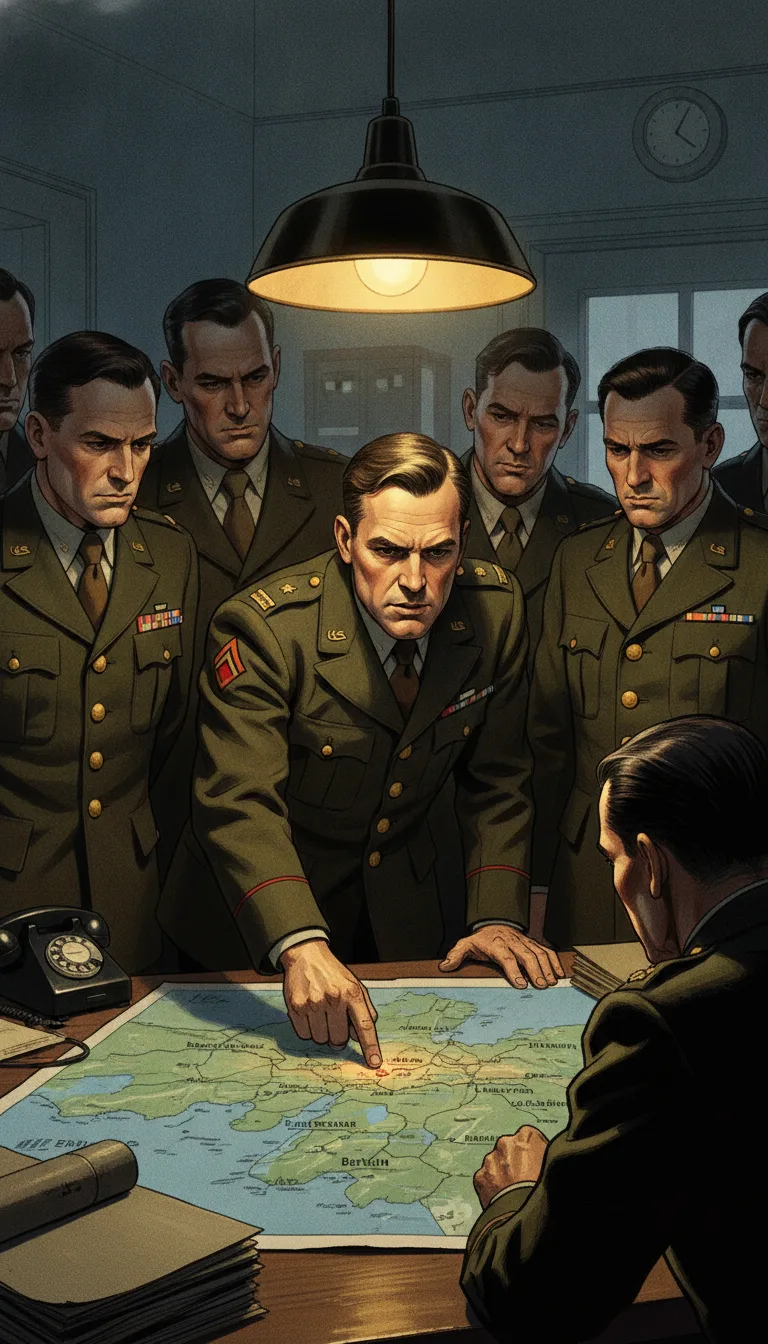
The Western Allies faced a choice with no comfortable options. Sending armed convoys through Soviet checkpoints risked open military confrontation — potentially the first shots of a third world war. Accepting the blockade meant surrendering two million civilians to Soviet pressure.
American General Lucius Clay pushed hard for a military response. Washington hesitated. Then a third option surfaced: supply the city entirely by air.
It sounded almost absurd. Feeding a major city — coal for heating, flour for bread, medicine, machinery parts — through a pipeline of aircraft required a scale of logistics that had never been attempted. Berlin needed an estimated 4,500 tons of supplies every single day just to survive at minimum levels. In winter, that number climbed higher.
The operation was called Operation Vittles by the Americans and Operation Plainfare by the British. The two nations coordinated a continuous relay of cargo aircraft flying along narrow air corridors that the Soviets were legally obligated to keep open under postwar agreements. That legal technicality was crucial — it meant the Soviets could not shoot the planes down without formally starting a war they were not yet ready to fight.
Three Minutes at a Time
At its peak, the Berlin Airlift achieved something extraordinary: a plane landed at one of Berlin's three airports every three minutes, around the clock, every day. Pilots flew multiple sorties daily, often exhausted, navigating in poor weather without modern navigation systems. There were accidents. Thirty-one American and thirty-nine British service members died during the operation.
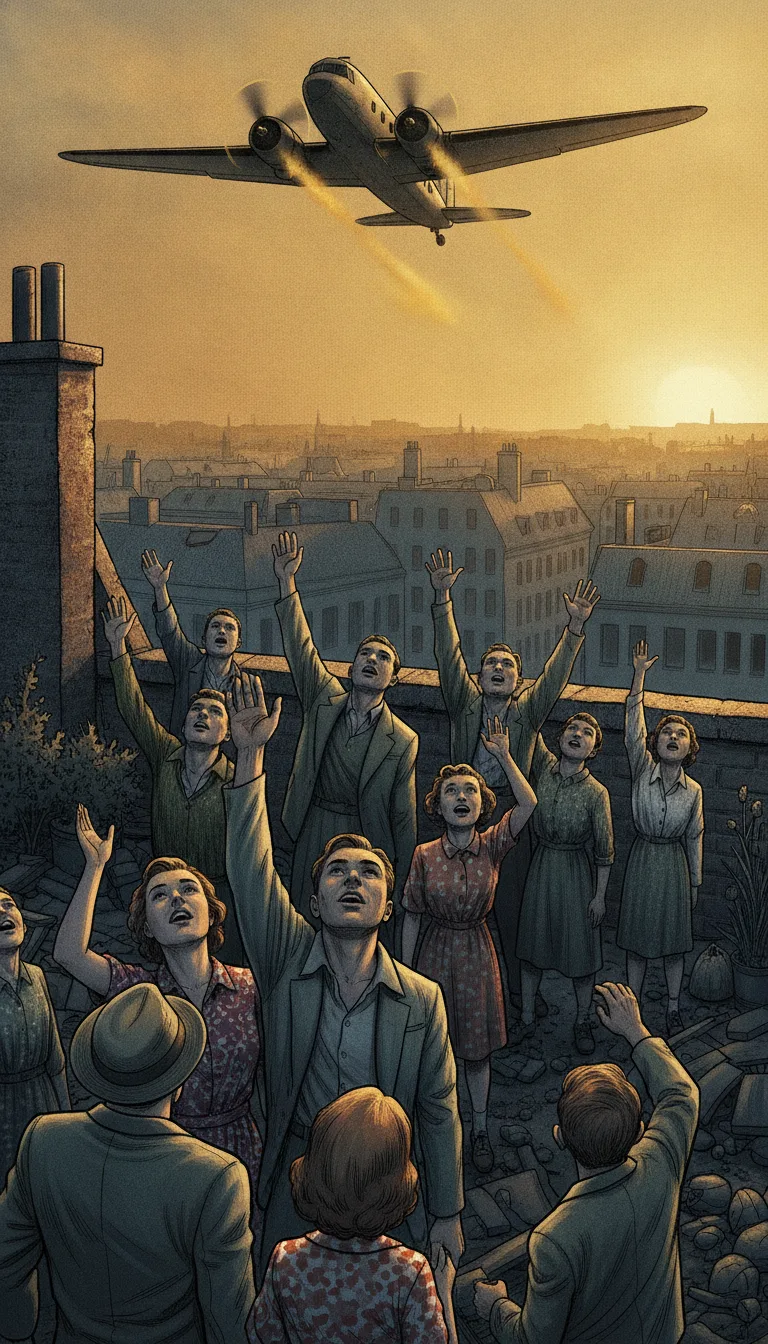
On the ground, Berliners rationed everything. Electricity ran for only a few hours each day. People burned furniture to stay warm. And yet the mood in West Berlin shifted from fear toward something closer to defiance. The planes overhead were not just delivering flour and coal — they were delivering a message.
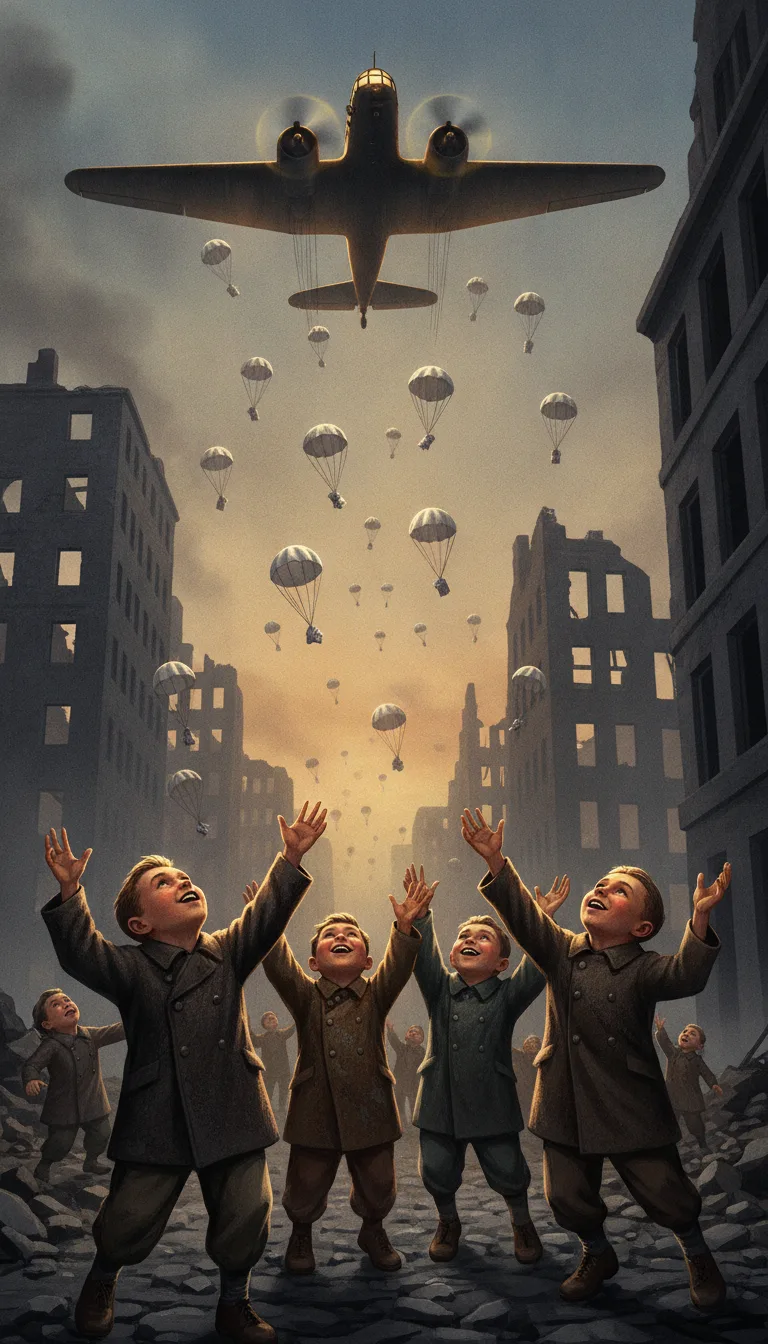
That message became most visible through the actions of one pilot. Gail Halvorsen, a young American airman, began dropping small parachutes made of handkerchiefs carrying chocolate and gum to children gathered at the airfield fence. He had promised a group of Berlin children he would drop candy from his plane — they would recognize it by the wing waggle. Children across the city began writing letters to "Uncle Wiggly Wings" and "The Chocolate Uncle." Halvorsen's superiors, rather than punishing him, expanded the program. American candy companies donated supplies. What started as one pilot's quiet gesture became Operation Little Vittles, one of the most remembered acts of the entire Cold War.
Why Stalin Blinked
The blockade lasted 323 days. On May 12, 1949, the Soviets quietly reopened the surface routes into West Berlin. They had gained nothing and lost significant standing in the eyes of the world.
The airlift did not just save a city. It fundamentally shaped the early Cold War. West Germany, formally established as the Federal Republic of Germany in 1949, became a committed Western ally — exactly the outcome Stalin had tried to prevent. NATO, founded during the blockade in April 1949, was strengthened by the shared effort.
The Berlin Airlift proved that the West would not be pushed out of Berlin by pressure alone, and that logistics, patience, and political will could be as powerful as any army. Sometimes the most important battles are fought not with weapons, but with aircraft, chocolate, and the refusal to leave.