A Coastal Settlement Nobody Wanted
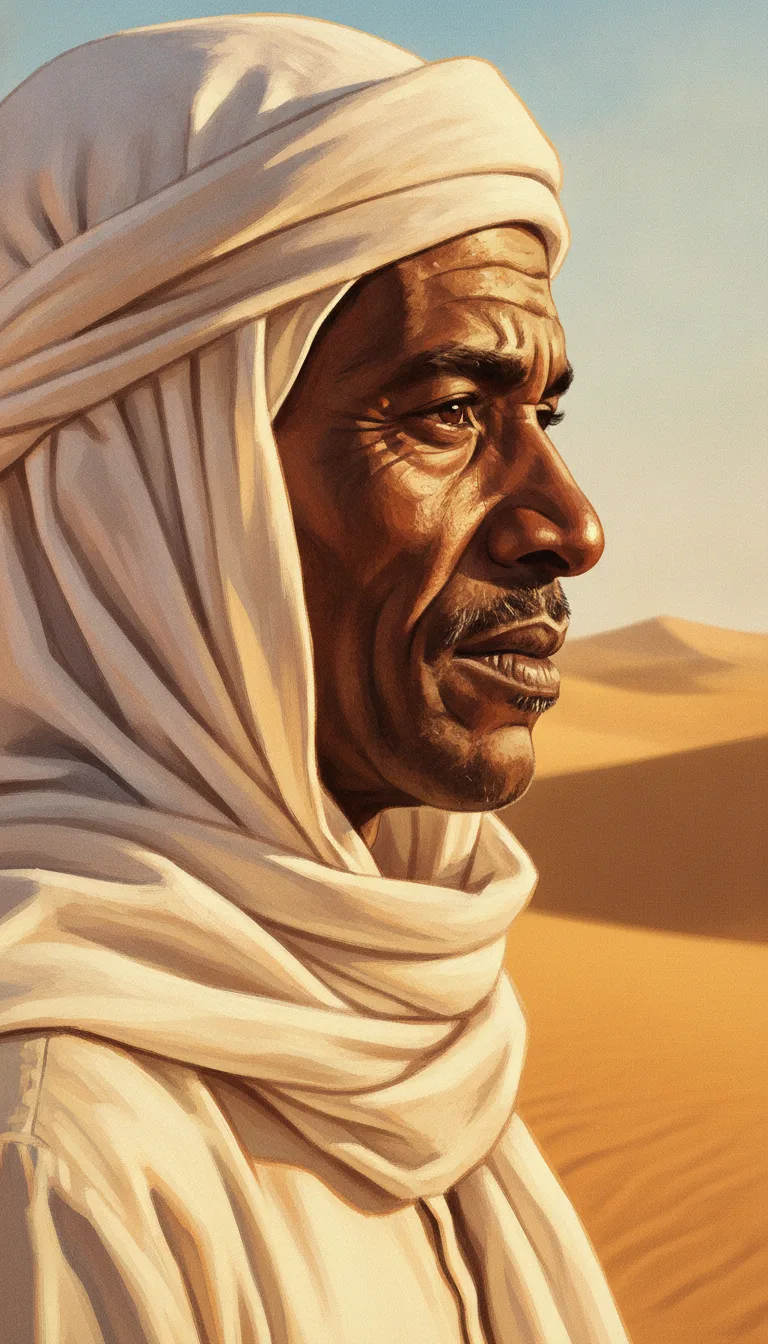
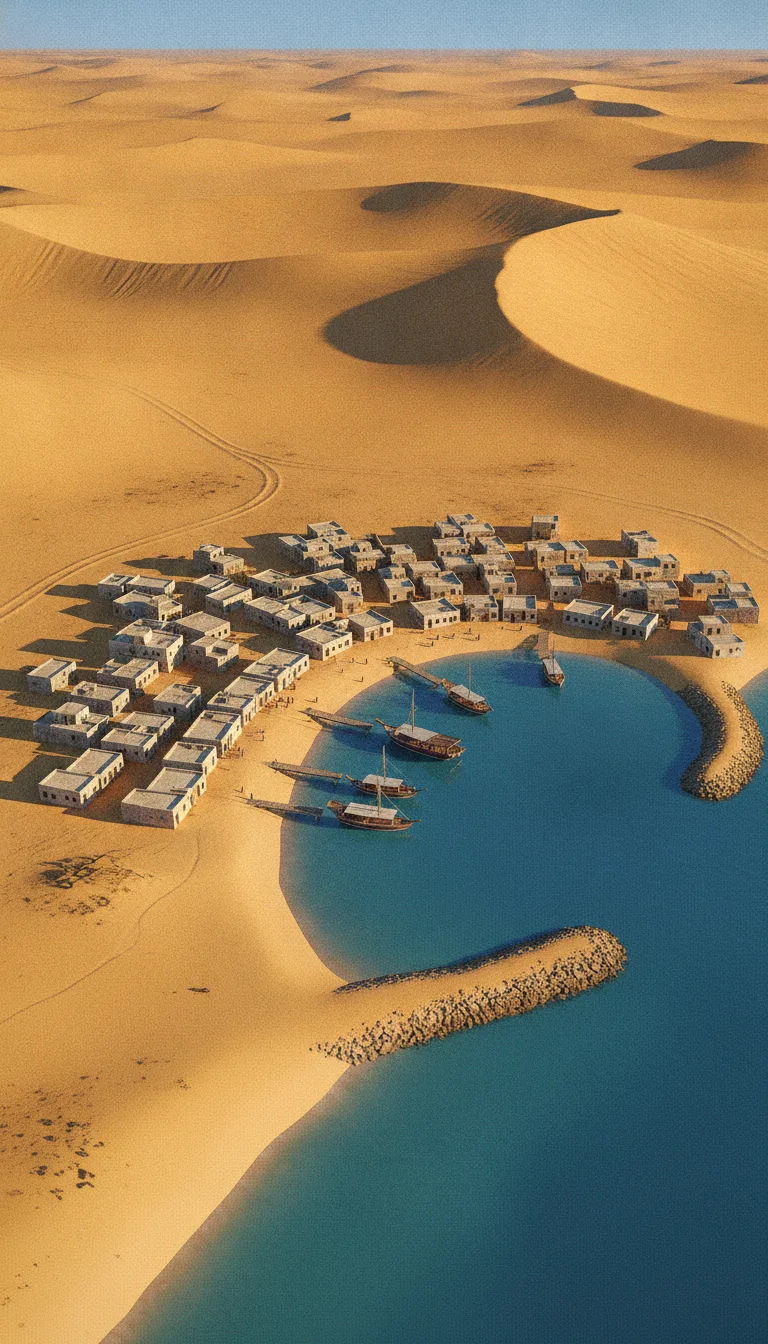
Before oil, Qatar was one of the most overlooked corners of the Arabian Peninsula. The peninsula jutting into the Persian Gulf was largely barren — scorching summers, little fresh water, and almost no agricultural land. Its small population survived on pearl diving and fishing, industries that were already dying by the early twentieth century when Japanese cultured pearls flooded the global market.
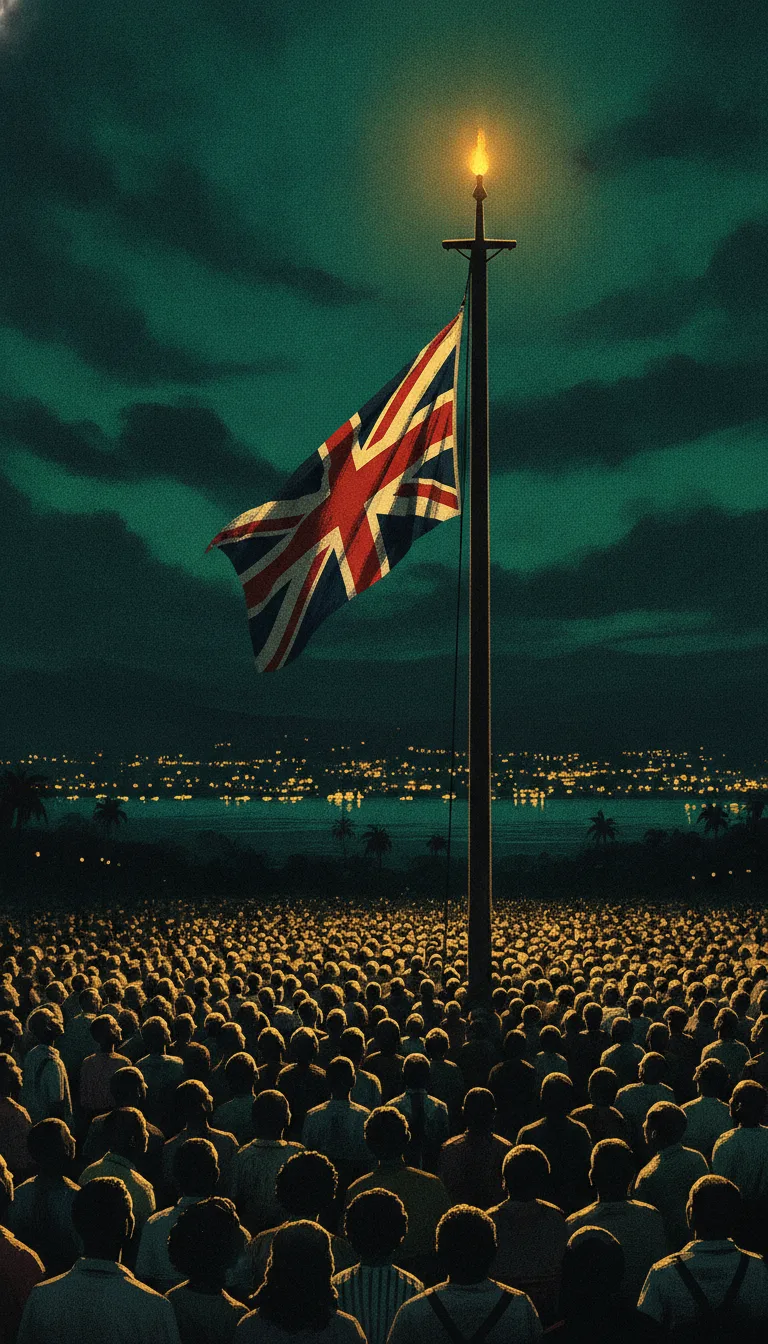
Britain's relationship with Qatar began not out of affection or strategy, but out of tidiness. In 1916, London signed a treaty with Sheikh Abdullah bin Jassim Al Thani, the ruling family that had governed the peninsula since the mid-1800s. The deal was straightforward and one-sided: Britain would protect Qatar from external threats, and in exchange Qatar would hand over control of its foreign affairs. Qatar became a British protectorate — not a formal colony in the traditional sense, but something close enough. London made the decisions that mattered.
For decades, this arrangement changed very little about daily life. Qatar remained quiet, poor, and largely ignored.
Oil Changes Everything — for Britain First
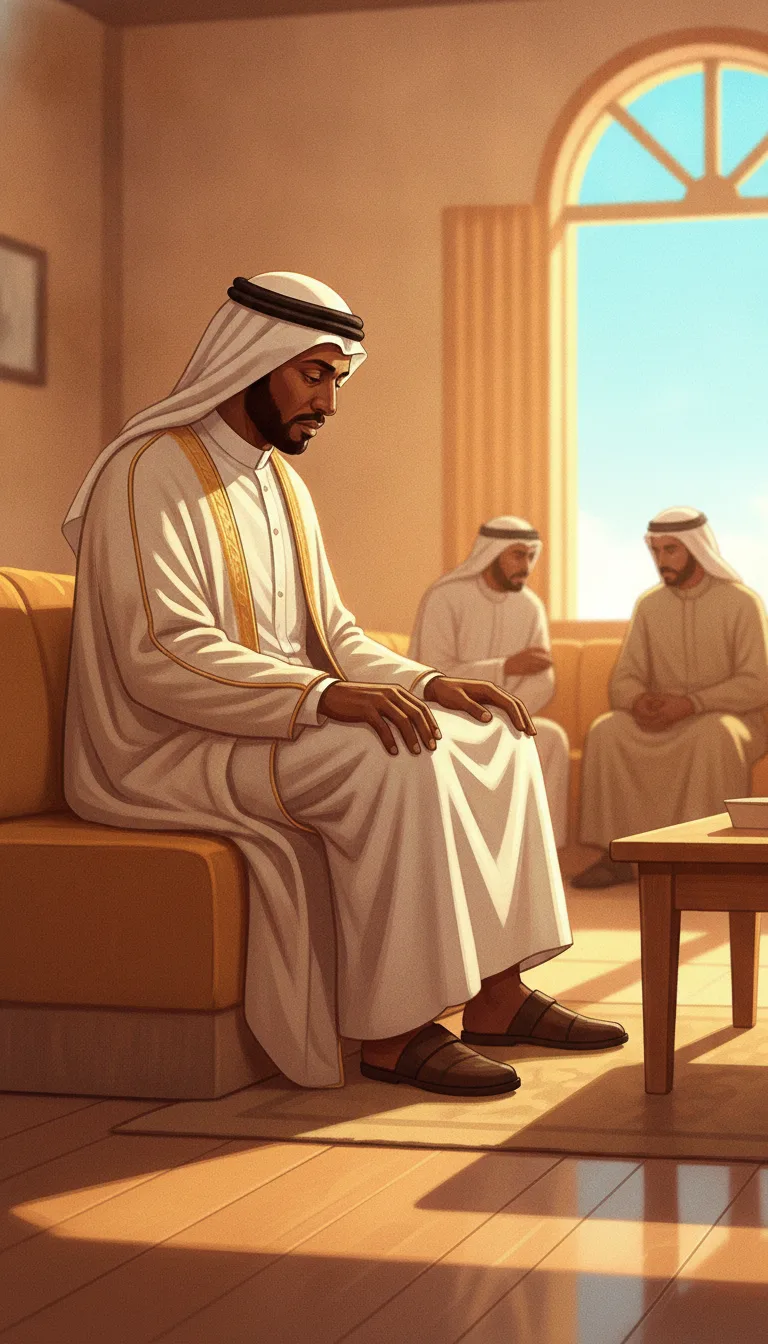
The discovery of oil in 1939 transformed Qatar's value overnight. Suddenly, this forgotten peninsula sat on top of something the entire modern world needed. Britain's interest sharpened considerably. The Anglo-Persian Oil Company (later BP) moved in, and the revenues that flowed from Qatari soil traveled largely outward, shaped by agreements and oversight structures that Qatar had little power to negotiate.
By the 1950s and 1960s, Gulf rulers were watching larger Arab nations — Egypt, Iraq, Libya — wrestle control of their oil industries from Western companies. The mood across the region was changing. Nationalism was not just a political idea; it was becoming a survival instinct.
Britain's Withdrawal and the Scramble to Plan
The announcement that genuinely shook the Gulf came in January 1968. The British government, facing severe economic pressure at home, declared it would withdraw all military forces from "east of Suez" by the end of 1971. For small Gulf states that had relied on British protection for generations, this was alarming news delivered with very little notice.
The immediate proposal was a federation: Qatar, Bahrain, and the seven Trucial States (which would become the UAE) would unite into a single nation. The idea looked clean on a map. Reality was messier. Bahrain and Qatar had a long-running territorial dispute over the Hawar Islands. Qatar and Bahrain also disagreed over which of them should hold more political weight in any union. Negotiations dragged on for nearly three years and ultimately fell apart completely. Bahrain declared independence on August 14, 1971. Qatar followed on September 3. The seven Trucial States formed the UAE in December of the same year.
The Day Qatar Became Qatar
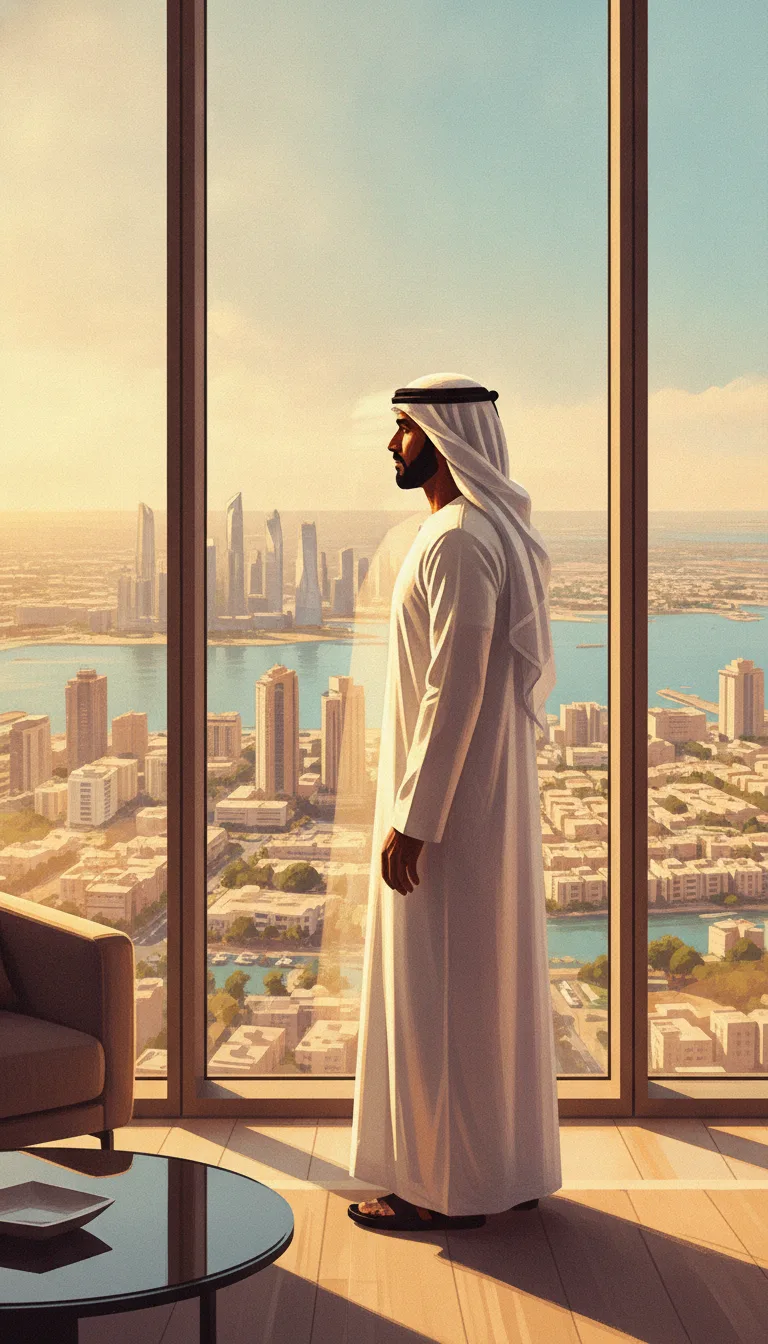
Sheikh Ahmad bin Ali Al Thani signed the declaration of independence on September 3, 1971, and Qatar immediately applied for membership in the Arab League and the United Nations — both approved within weeks. It was a remarkably quiet birth for a nation.
What Qatar had in that moment was limited: a ruling family with legitimacy, oil revenues beginning to grow, and a population of roughly 100,000 people. What it lacked was almost everything a functioning modern state requires — a professional military, established diplomatic relationships built independently, and governmental institutions that operated outside the framework Britain had managed for half a century.
The early years demanded rapid institution-building. Sheikh Khalifa bin Hamad Al Thani, who replaced Ahmad in a bloodless internal coup in 1972, pushed for far greater control over oil revenues and modernized the relationship with petroleum companies. Qatar joined OPEC and began renegotiating the terms under which its resources were extracted and sold.
Why This Small Nation's Story Matters
Qatar's trajectory from neglected protectorate to global actor is one of the more striking transformations of the twentieth century. The discovery of the North Field in 1971 — the largest natural gas field on Earth, shared with Iran — set the foundation for wealth that oil alone never could have provided. By the 1990s, Qatar was exporting liquefied natural gas to Europe and Asia, funding a sovereign wealth fund that today manages well over $450 billion in assets.
The lesson buried in Qatar's quiet independence day is not about overnight luck. It is about what happens when a very small place holds something the world cannot stop wanting — and finally holds it for itself.