A Country That Had Everything to Prove
In 1930, Uruguay was not yet a great power of anything. It was a small South American republic squeezed between two enormous neighbours, Argentina and Brazil. Its population was smaller than many European cities. And yet, when FIFA decided to organise the very first World Cup, Uruguay raised its hand — and meant it.
This was not simply ambition. Uruguay had genuine credentials. The national team had won Olympic gold in 1924 and again in 1928, both times in Europe, where sceptical crowds eventually became astonished fans. These were, by most definitions, the world's best footballers. FIFA's first president, Jules Rimet, trusted them. So when Uruguay offered to host the entire tournament, build a new stadium, and cover every travelling team's expenses, Rimet accepted. The honour of holding the first World Cup would belong to Montevideo.
The Europeans Who Stayed Home
The problem was convincing everyone else to show up.
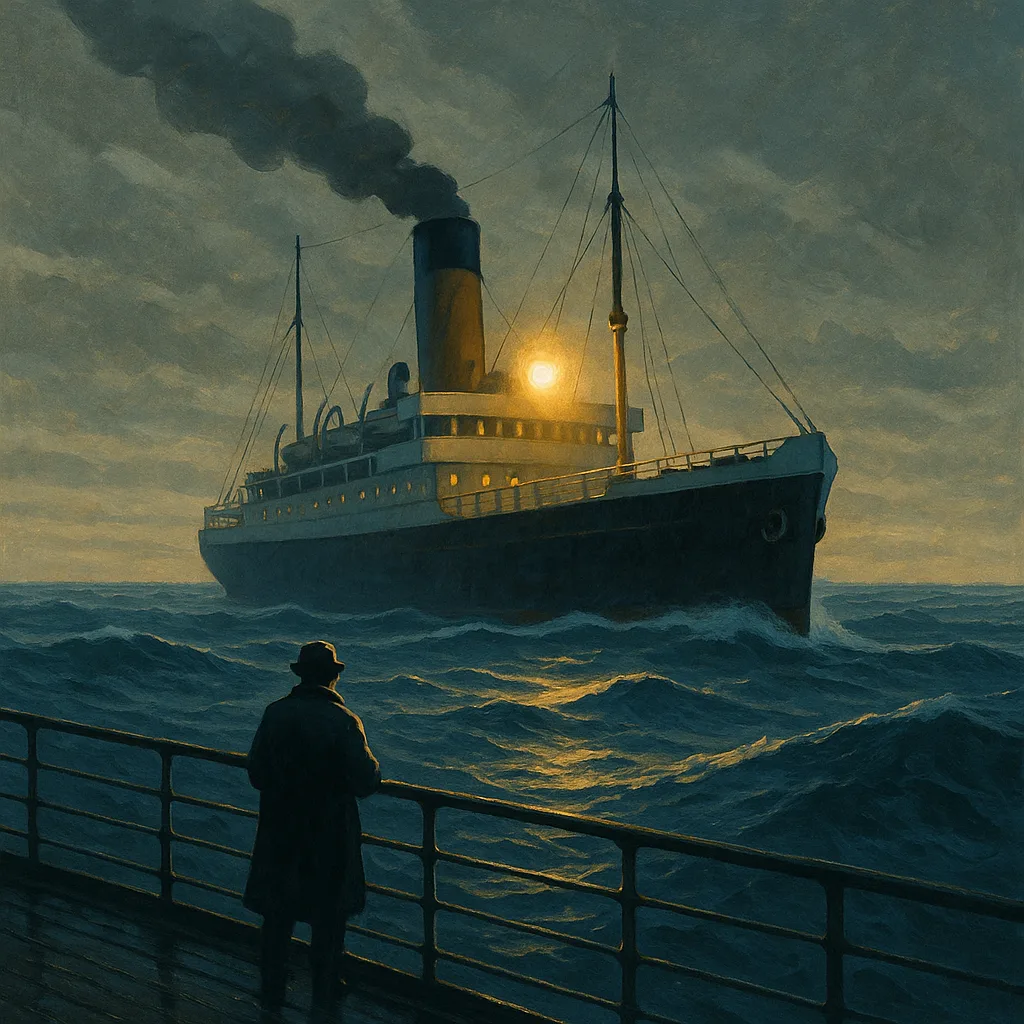
For European football associations, South America was genuinely far. The journey by steamship took roughly three weeks each way, meaning players would be away from their clubs for nearly two months. Professionalism in football was still controversial in many countries, and club owners were not eager to release players for such a long trip with no guaranteed financial return.
FIFA invited all its member nations. The response from Europe was, to put it politely, quiet. Country after country declined. Some cited the travel. Others cited the cost. Some simply did not take the competition seriously. Jules Rimet personally lobbied European federations, and in the end, four countries agreed: France, Belgium, Romania, and Yugoslavia. Romania's King Carol II reportedly selected the squad himself and arranged for the players to keep their jobs when they returned. That is how much personal effort it took to get thirteen nations to a tournament that was supposed to celebrate global football.
Building a Stadium Against the Clock
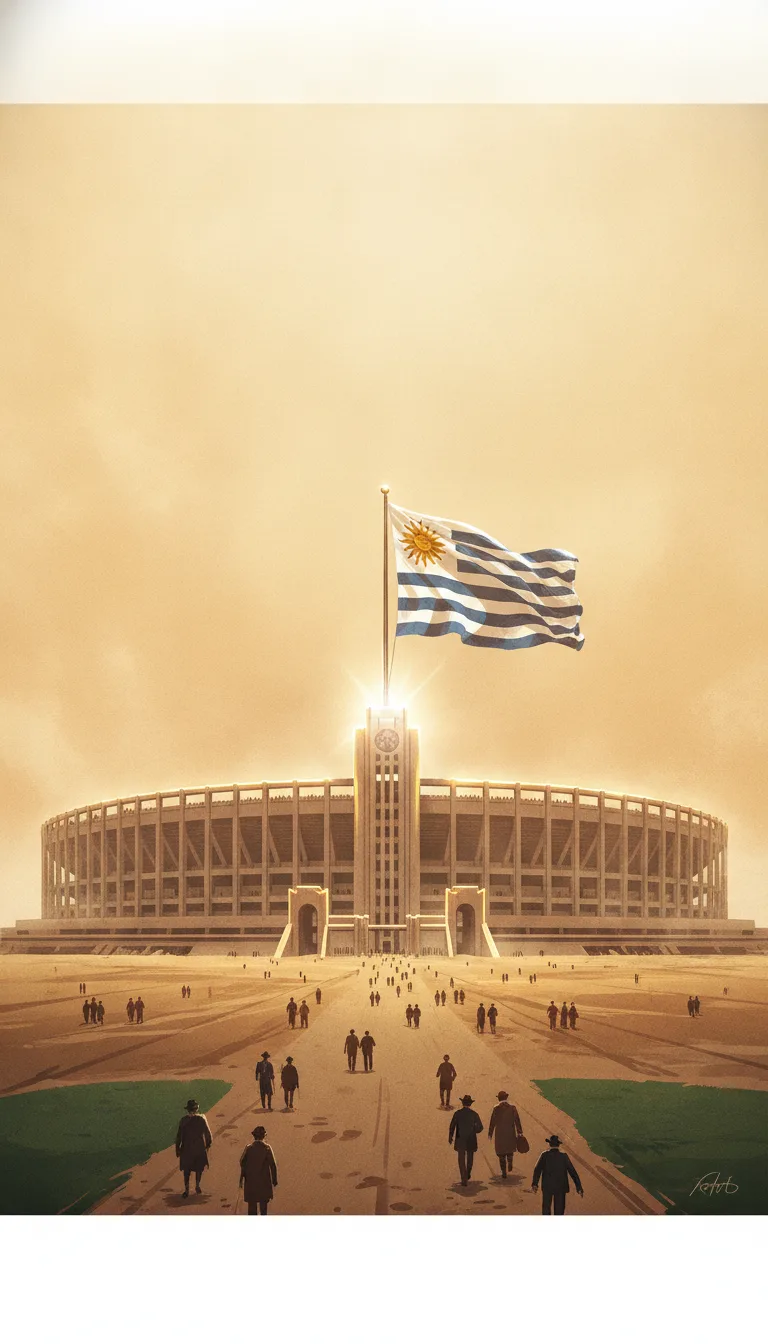
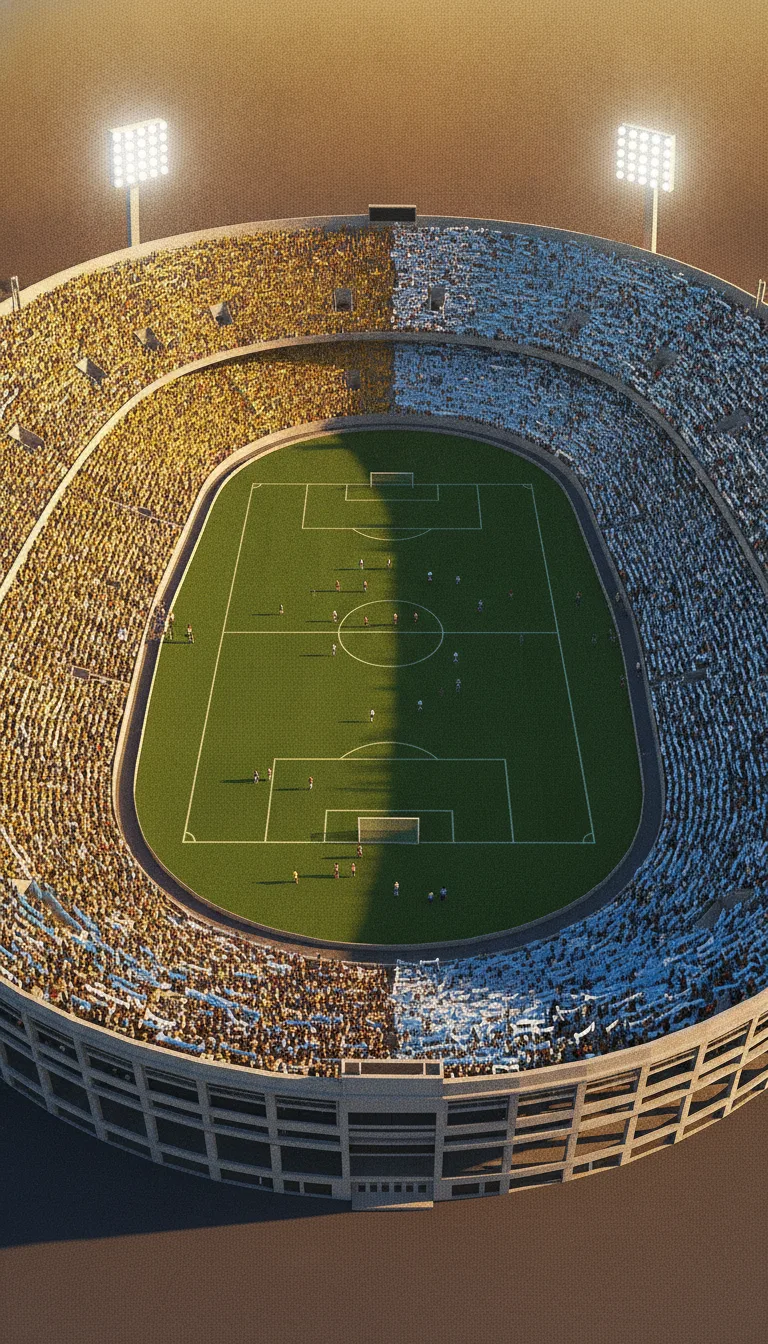
Uruguay did not wait to see who would come before building. Construction on the Estadio Centenario — named to commemorate a hundred years of Uruguayan independence — began in February 1930. The tournament started in July. That left roughly five months to build a stadium intended to hold nearly 100,000 people.
It almost did not work. Rain delayed construction for weeks. Workers laboured through winter nights. The stadium was not finished when the opening matches kicked off, meaning the first games were played at smaller venues around Montevideo. The Centenario finally opened on July 18th, midway through the group stage. For Uruguay, it was ready for the moments that mattered.
The Final No One Expected to Be This Close
The two finalists were the obvious ones in retrospect: Uruguay and Argentina. They shared a river, a language, and a football rivalry that already ran deep. Getting both teams to the final meant crossing a border, not an ocean.
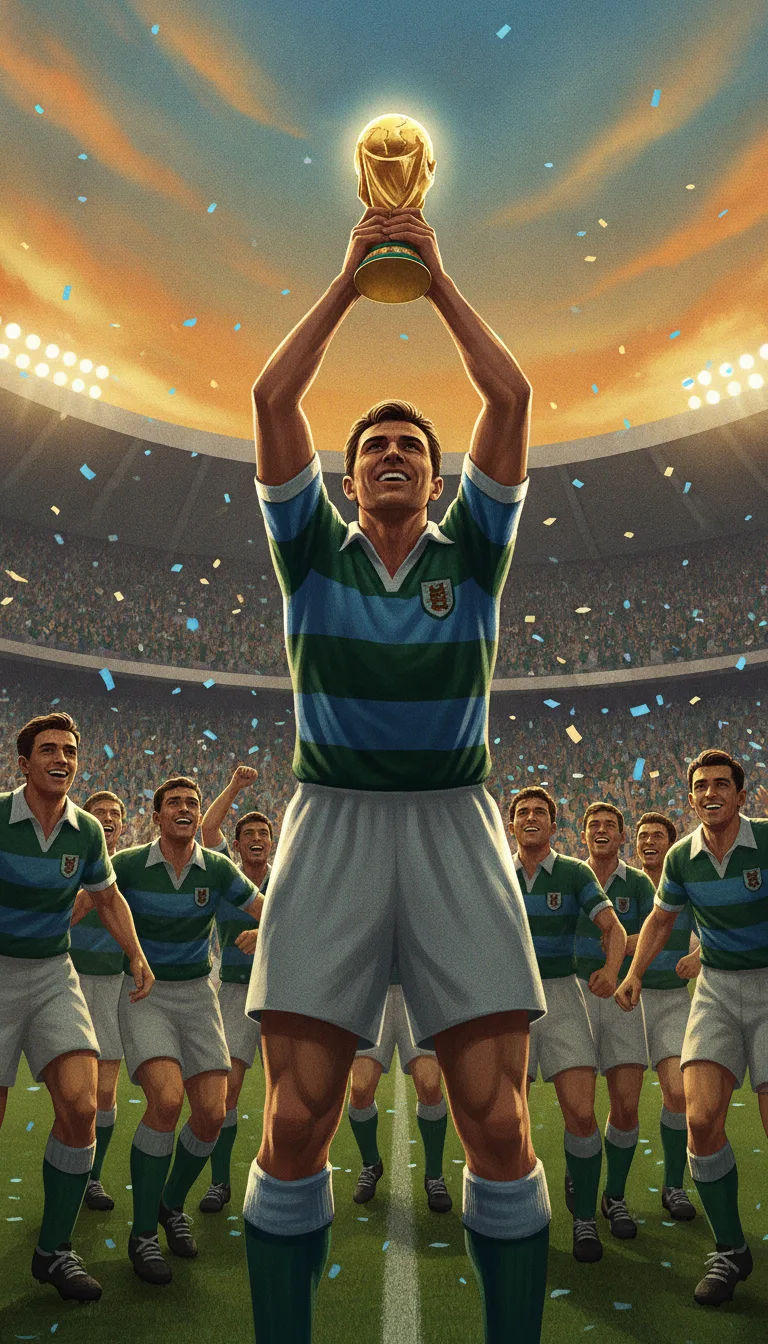
The match itself, on July 30th, was tense in a way that the scoreline does not quite capture. Argentina led 2–1 at half-time. Uruguay came out in the second half and scored three times. The final was 4–2, but those ninety minutes had an entire continent holding its breath. Argentina declared a national day of mourning. In Montevideo, the celebrations lasted through the night and into the next day. The Uruguayan government declared a national holiday.
One quietly dramatic detail: both teams argued before kick-off about which ball to use. Each had brought their own. FIFA's solution was to use Argentina's ball in the first half and Uruguay's in the second. Uruguay scored three goals in the second half. Argentina fans blamed the ball. Uruguay fans considered this deeply funny.
Why This Still Matters
The 1930 World Cup was imperfect, incomplete, and almost ignored by half the world. European newspapers covered it briefly and moved on. The four European teams that attended all went home in the group stage.
And yet this tournament established something durable: that football belonged to everyone, not just to the countries that invented it or the powers that dominated it. A nation of 1.8 million people had beaten the world at its own game, in a stadium they built in five months, watched by ninety-three thousand people in a city most Europeans could not have found on a map.
The World Cup has grown into the most watched sporting event in human history. Every edition traces directly back to that rainy winter in Montevideo, to Jules Rimet's stubbornness, to Uruguay's confidence, and to a stadium that was barely dry when the final was played.