A Summer Afternoon That Rewrote History
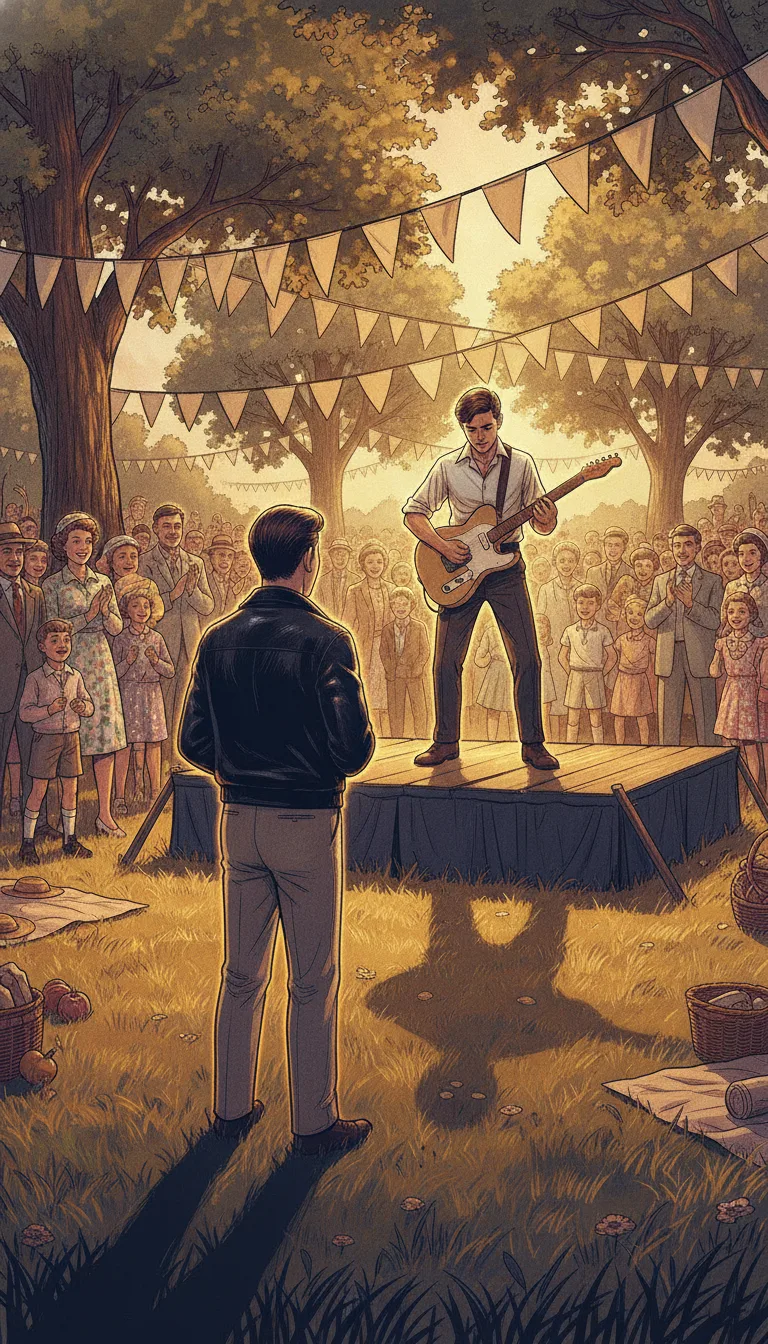
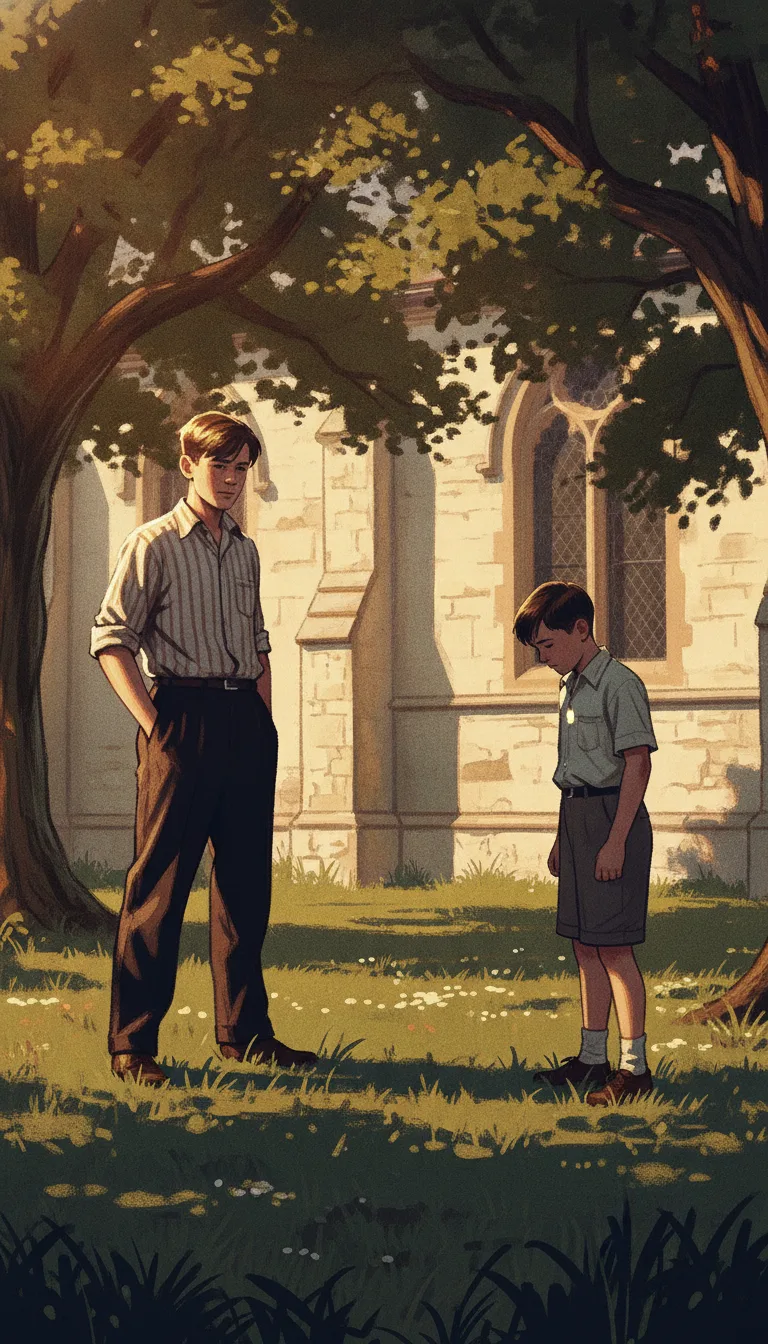
On the afternoon of July 6, 1957, the Church of St. Peter in Woolton, a quiet suburb of Liverpool, was hosting its annual garden fete. There were games, food stalls, and a local brass band. Nothing about it suggested a turning point in twentieth-century culture. Yet what happened between two teenagers that day would eventually shape the soundtrack of a generation.
John Lennon was sixteen years old and already restless. He had formed the Quarrymen earlier that year — a loose, energetic skiffle group named after Quarry Bank High School, where he was a student with a reputation more for mischief than music. Skiffle was the sound of the moment in Britain: simple, driving, and cheap to play. Lonnie Donegan had made it fashionable, and teenagers across the country were forming bands with guitars, washboards, and tea-chest basses. Lennon's Quarrymen were part of that wave.
The Boy With the Guitar
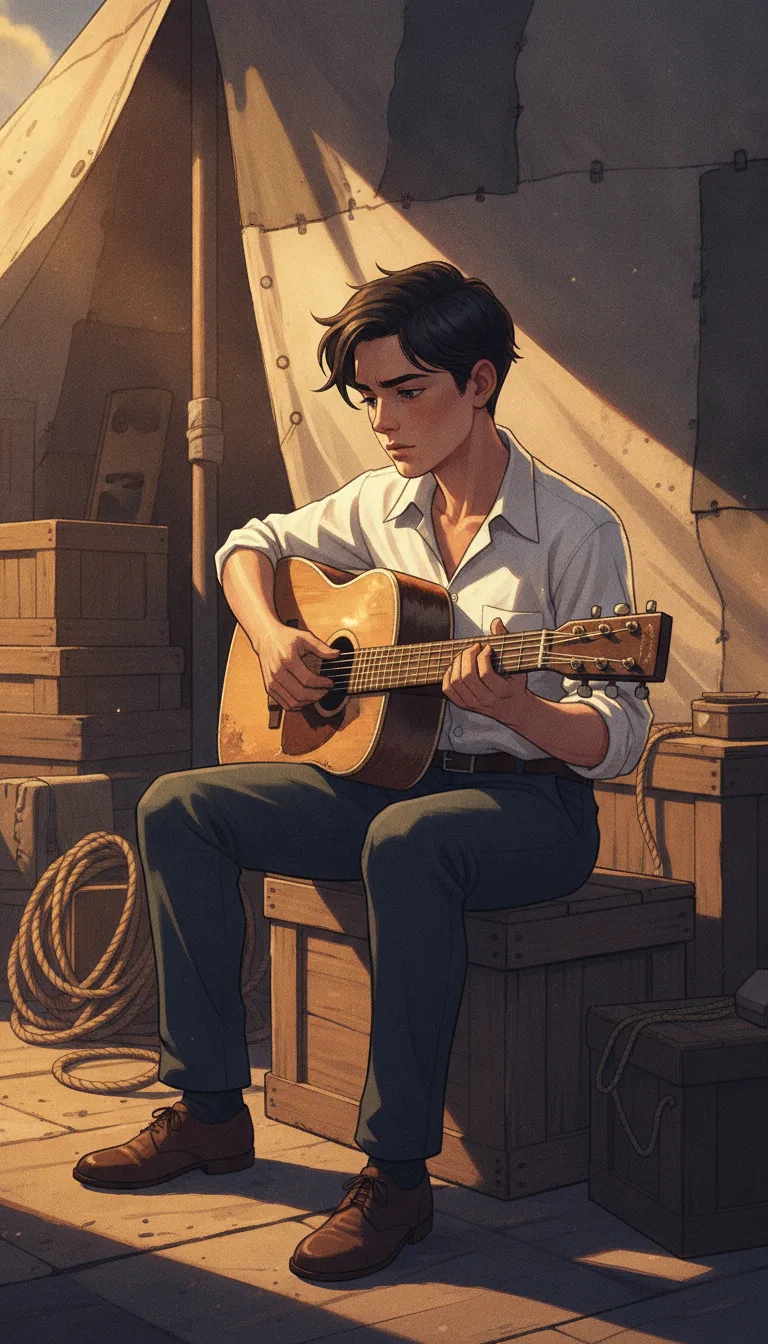
Paul McCartney had come to the fete with a mutual friend, Ivan Vaughan, who believed the two boys should meet. McCartney was fifteen, slight, and quietly confident in a way that didn't always show at first glance. He had already taught himself guitar by figuring out how to reverse chord shapes — McCartney is left-handed — and he had an extraordinary ear for melody and detail.
After the Quarrymen performed in the afternoon, the group gathered in a room in the church hall. Here, McCartney picked up a guitar and began to play. He performed Twenty Flight Rock, an Eddie Cochran song that was genuinely difficult — fast, rhythmically tricky, and not widely known outside dedicated rock and roll fans. McCartney played it cleanly, from memory, and then added Be-Bop-A-Lula by Gene Vincent for good measure. He also showed Lennon how to tune a guitar more accurately.
Lennon watched all of this very carefully.
The Decision
What made Lennon's position complicated was not just admiration. It was recognition of a potential threat. Lennon was the undisputed leader of the Quarrymen. He was the one who chose the songs, commanded the stage, and held the group together through force of personality. Inviting someone more technically skilled carried a real risk to that authority.
According to the recollections of people who were present — including Pete Shotton, Lennon's closest friend at the time — Lennon deliberated. He saw that McCartney knew songs he himself did not know, and crucially, knew the correct lyrics. Lennon had a habit of inventing words when he couldn't remember the real ones. McCartney did not need to.
A few weeks after the fete, Lennon sent word through Vaughan: Paul was in.
What Came Immediately After
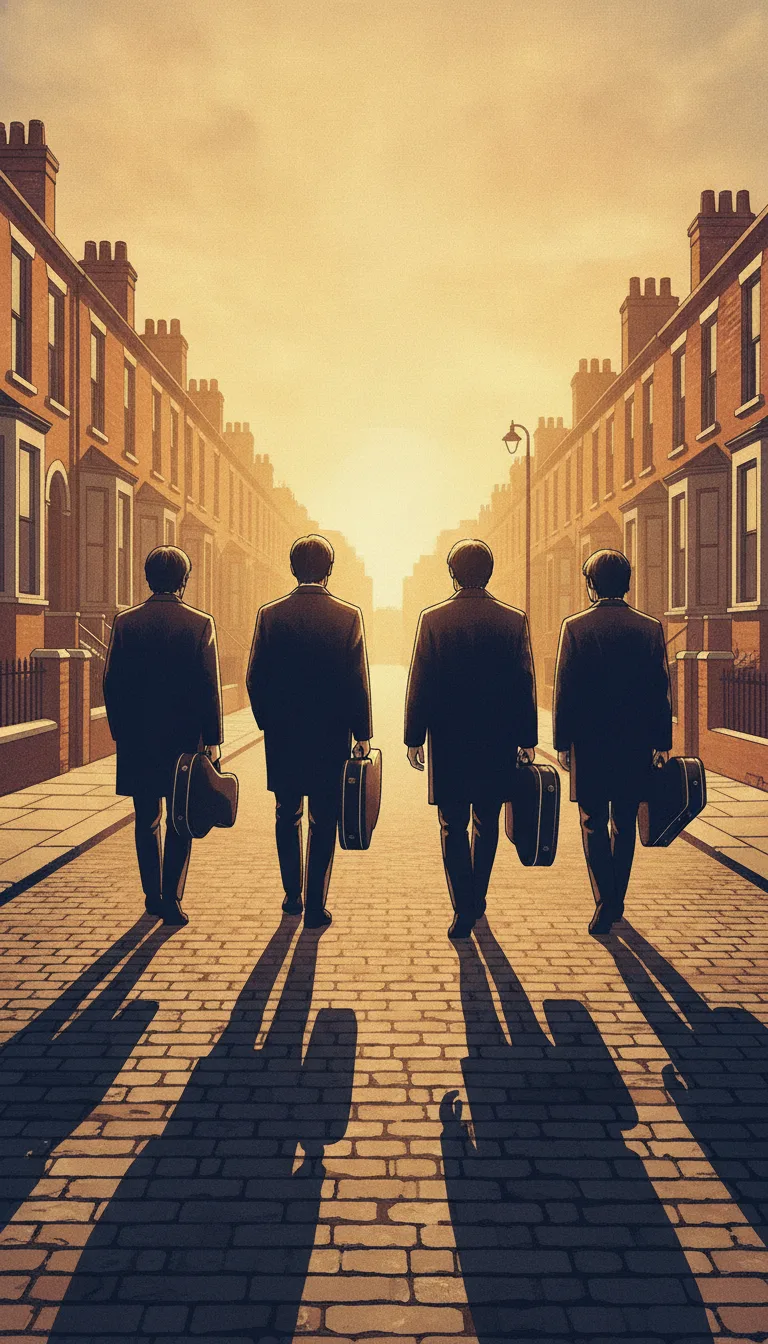
McCartney's entry into the Quarrymen was not an overnight transformation. The group continued playing church halls and small local venues through 1957 and 1958. In early 1958, McCartney introduced his own school friend, a fourteen-year-old named George Harrison, who auditioned informally by playing Raunchy on a bus. Harrison eventually joined as well.
The years that followed were difficult. Lennon's mother, Julia, was killed by a car in July 1958 — a loss that devastated him and deepened the bond with McCartney, whose own mother had died of cancer two years earlier. Grief became a quiet thread connecting them.
The Quarrymen changed names several times before settling on the Beatles in 1960. By 1962, they had a recording contract with EMI and a producer named George Martin. By 1964, they had changed popular music permanently.
Why This Meeting Matters
The Lennon-McCartney partnership is widely considered one of the most productive creative collaborations in the history of popular music. What made it work was precisely the tension that almost prevented it: two strong, different personalities who challenged and elevated each other. Lennon brought rawness and wit; McCartney brought melodic refinement and technical discipline. Neither would have been the same alone.
It all traced back to one afternoon, one song played well, and one teenager choosing to be impressed rather than threatened.
History rarely announces itself. On July 6, 1957, it arrived in a church hall in Liverpool, wearing a borrowed guitar.