A World on the Brink
In the years before 1883, Krakatoa had been quiet for roughly two centuries. The island sat in the Sunda Strait between Java and Sumatra, part of the Dutch East Indies, largely ignored except by passing sailors who noted its forested volcanic peaks on navigation charts. Then, in May 1883, something stirred beneath the surface. Steam vented from the summit. Minor eruptions rattled the island throughout the summer. Dutch colonial authorities in Batavia — modern-day Jakarta — took notice, but the activity seemed manageable. A party of curious visitors even sailed out to explore the steaming craters in late May, treating the spectacle as an adventure rather than a warning.
They were catastrophically wrong about what was coming.
The Four Hours That Remade the Region
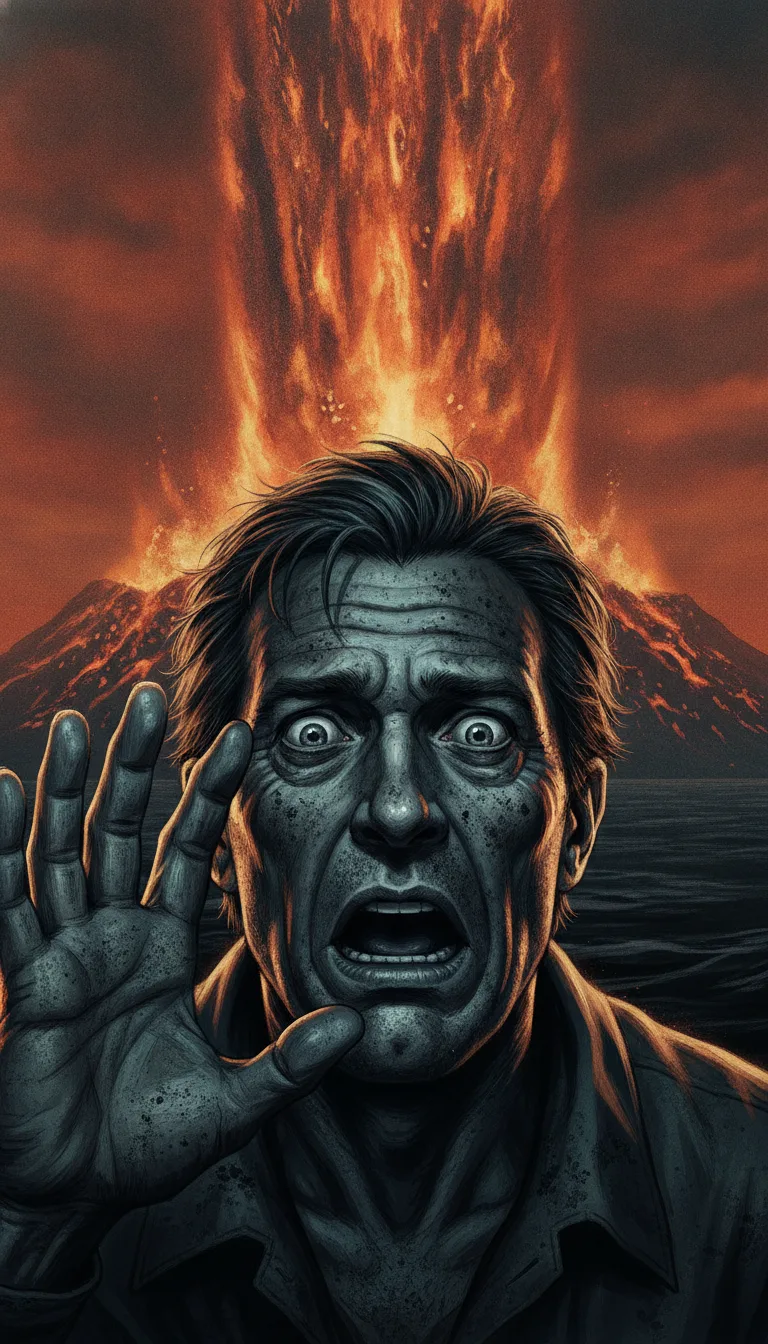
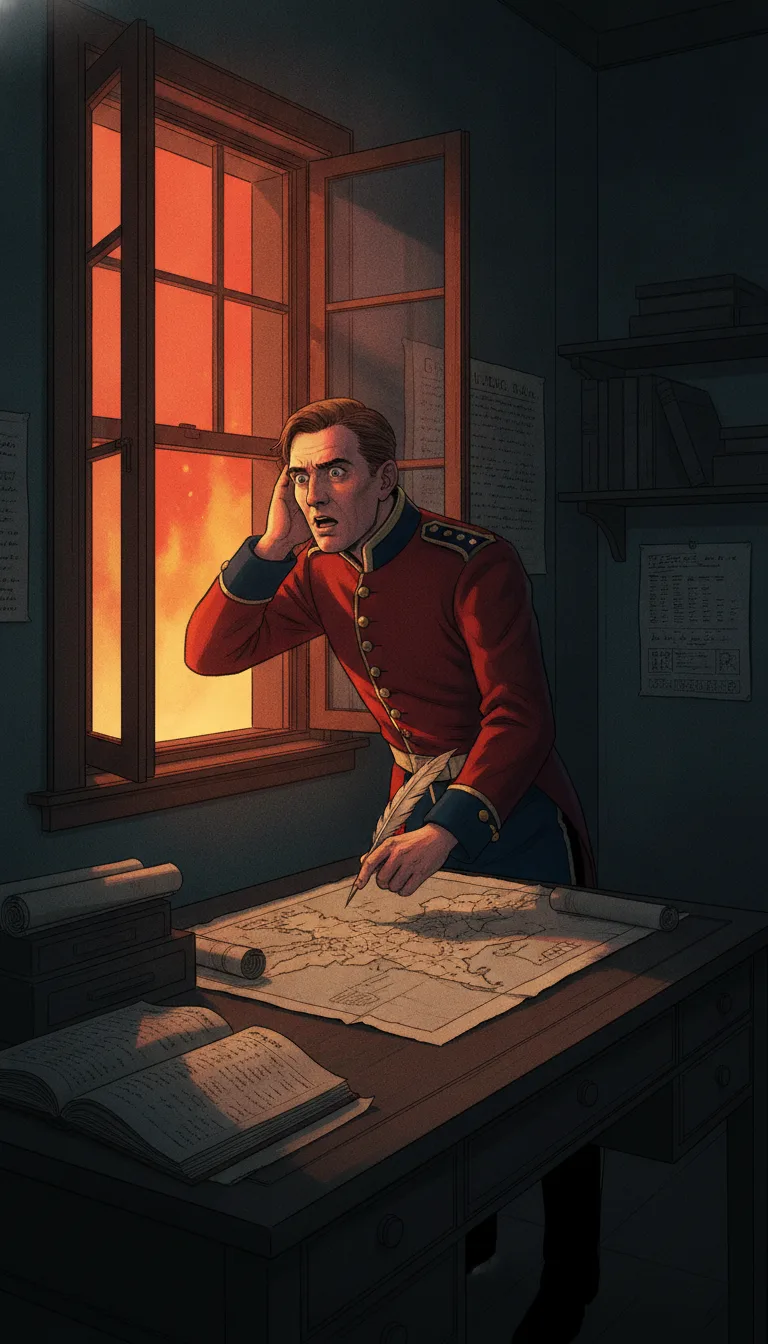
The main eruption sequence began on August 26, with violent explosions that sent ash columns soaring into the stratosphere. But the defining moment came at 10:02 AM on August 27, when the largest explosion occurred — a cataclysm so powerful it is still considered one of the loudest sounds in recorded human history. The island's magma chamber had essentially collapsed into the sea, triggering what geologists call a phreatomagmatic eruption: superheated magma meeting seawater in an instantaneous, catastrophic release of energy.
The sound reached the island of Rodrigues, near Mauritius, over 4,800 kilometers away. Observers there reported what they described as the sound of distant cannon fire. Police officers logged the noise. People across the Indian Ocean region heard it without understanding its origin, because the source had, for all practical purposes, ceased to exist.
The tsunamis generated by the collapse were the true killers. Waves struck the coastlines of Java and Sumatra within minutes, moving faster than any warning could travel. The town of Merak was obliterated. Teluk Betung was swept away. A Dutch steam ship, the Berouw, was carried nearly three kilometers inland by the surge and left stranded in a river valley. The official Dutch colonial death toll eventually settled around 36,000, though some estimates place the number higher. Entire fishing communities simply disappeared from the historical record.
What the Instruments Revealed
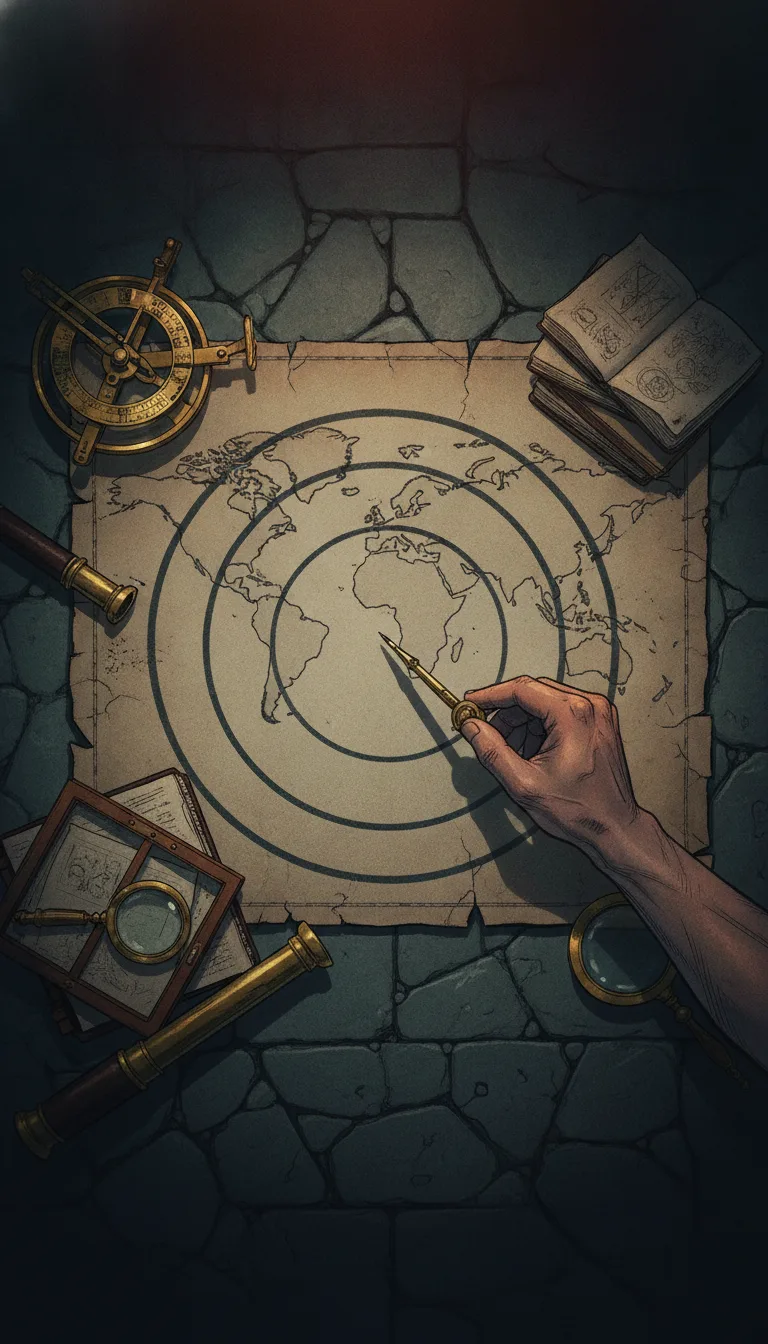
Here is where Krakatoa's story pivots from tragedy to scientific transformation. The eruption occurred at a moment when governments around the world had recently built networks of barometric recording stations — instruments designed to track atmospheric pressure for weather forecasting. These barographs were sensitive enough to detect the pressure wave generated by the explosion as it traveled outward from the Sunda Strait.
Scientists discovered something remarkable in the data: the wave did not simply radiate outward once and fade. It circled the entire globe. Then it came back. Barograph stations recorded the pressure wave passing at least four times in each direction over several days — a total of seven distinct passages detected at some stations. This was the first direct, measurable proof that Earth's atmosphere behaves as a unified, interconnected system. Sound and pressure, it turned out, do not simply dissipate — they can travel planetary distances.
Two Years of Strange Skies
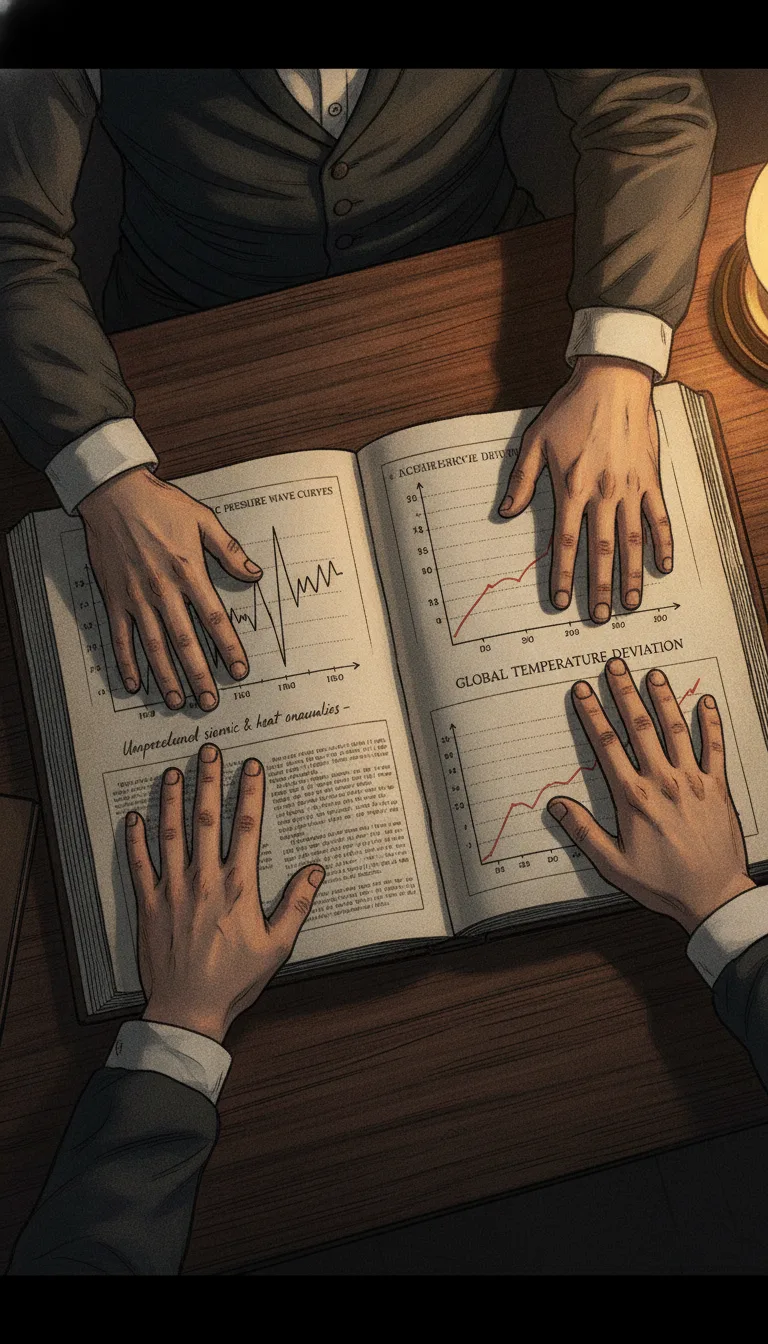
The eruption also forced a new understanding of the upper atmosphere. Krakatoa ejected an estimated 20 cubic kilometers of rock and ash, much of it blasted into the stratosphere — far above where ordinary weather occurs. Fine particles of sulfur dioxide and ash spread around the globe within weeks, carried by high-altitude winds that scientists had not yet properly mapped or understood.
The result was two years of spectacular, unsettling sunsets. Across Europe, North America, and Asia, the sky turned vivid shades of crimson, purple, and orange long after the sun had set. Artists painted them. Writers described them with unease. The Norwegian painter Edvard Munch later cited the blood-red skies of this period as a direct inspiration for The Scream, painted in 1893. Global temperatures dropped by an estimated 1.2 degrees Celsius over the following year — one of the earliest documented examples of what scientists now call volcanic winter.
Why Krakatoa Still Matters
The 1883 eruption effectively launched the modern science of volcanology and atmospheric physics as serious disciplines. It demonstrated that a single geological event could affect every human being on Earth simultaneously — altering their weather, their skies, and their climate without their knowledge or consent.
Krakatoa's legacy also carries a sobering postscript. In 1927, a new volcanic island rose from the sea in the same location. Scientists named it Anak Krakatau — Child of Krakatoa. It has been erupting regularly ever since, and in 2018, a partial collapse of its cone triggered a tsunami that killed over 400 people along the Javanese coast. The cycle, it seems, is not finished.