A Kingdom Before the Fall
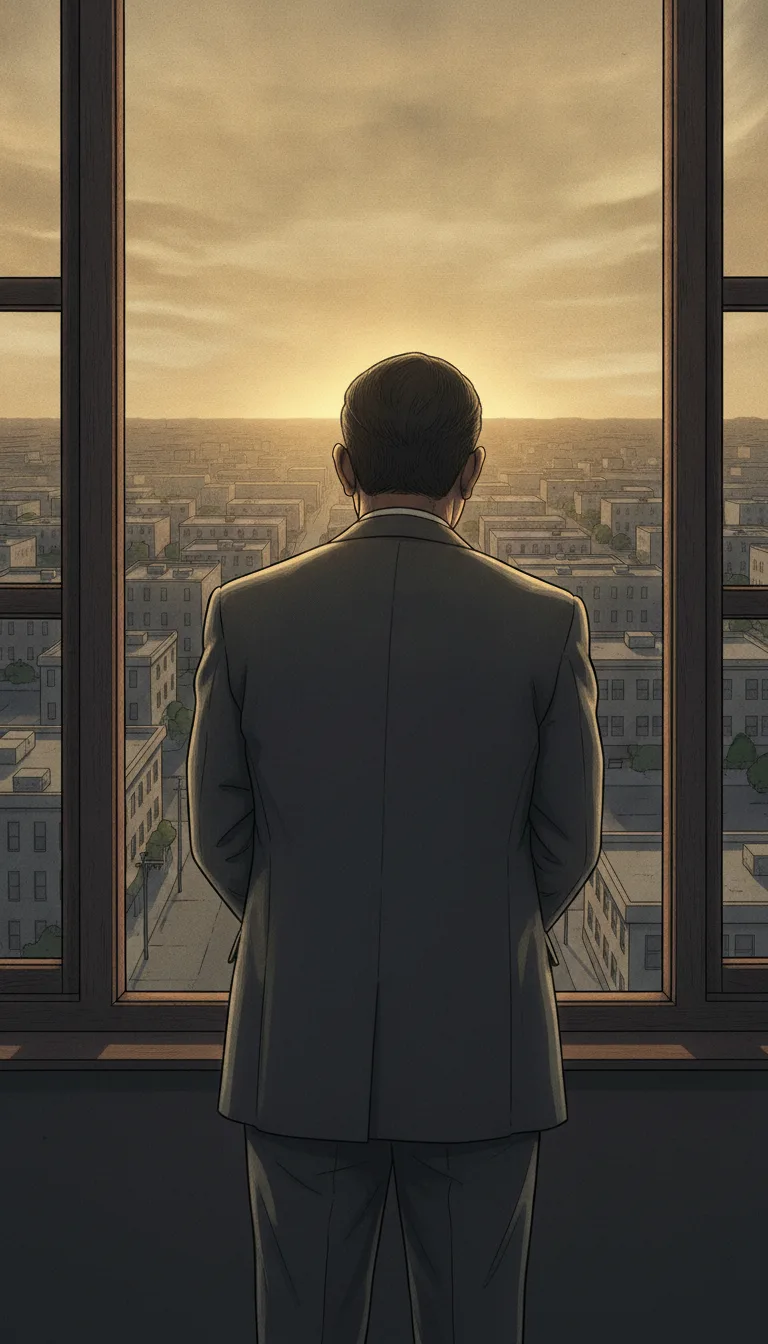
For much of the twentieth century, Norodom Sihanouk was Cambodia. He first became king in 1941, chosen by the French colonial authorities who believed the young, charming prince would be easy to control. They were wrong. Sihanouk outmaneuvered them, negotiated independence in 1953, and then — in a move that stunned his own court — abdicated the throne voluntarily in 1955 so he could enter politics as a commoner. He wanted to govern, not simply reign. For the next fifteen years, he ruled Cambodia with a mixture of genuine popular love, shrewd diplomacy, and increasing authoritarianism. He called his political movement Sangkum, the People's Socialist Community, and for a time it worked. Phnom Penh was cosmopolitan, the temples of Angkor drew visitors from across the world, and Cambodians called their country the Pearl of Asia.
But the Vietnam War was consuming the region, and Cambodia could not stay untouched. American bombing campaigns over Cambodian territory — targeting Vietnamese supply lines — killed tens of thousands of civilians and destabilized the countryside. In 1970, while Sihanouk was abroad, a US-backed coup removed him from power. The man who replaced him, General Lon Nol, was weak and corrupt. Into that vacuum, a radical communist movement called the Khmer Rouge began to grow.
The Years That Cannot Be Forgotten
When the Khmer Rouge marched into Phnom Penh on April 17, 1975, they immediately began one of the most extreme social experiments in human history. Cities were emptied at gunpoint. Currency was abolished. Schools and hospitals were shut down. Intellectuals, ethnic minorities, Buddhist monks, and anyone wearing glasses — perceived as educated — were targeted for execution. The regime, led by the shadowy Pol Pot, envisioned a return to a mythical agrarian past they called Year Zero.
Between 1975 and 1979, an estimated 1.7 to 2.2 million people died — roughly a quarter of Cambodia's entire population — through execution, forced labor, starvation, and disease. Families were separated. Mass graves were dug across the countryside. These sites are today known as the Killing Fields.
Sihanouk's role during this period remains complicated and painful. Initially, he lent his international prestige to the Khmer Rouge to oppose the Lon Nol government — a decision he later deeply regretted. The Khmer Rouge then placed him under house arrest in his own palace. He lost children and grandchildren to the regime's violence.
Vietnamese forces ended the Khmer Rouge's rule in January 1979, but peace did not follow. A decade of Vietnamese occupation, guerrilla resistance, and Cold War proxy politics kept Cambodia in chaos. Hundreds of thousands of Cambodians lived in refugee camps along the Thai border. The country that had once welcomed the world now barely functioned.
The Long Road Back
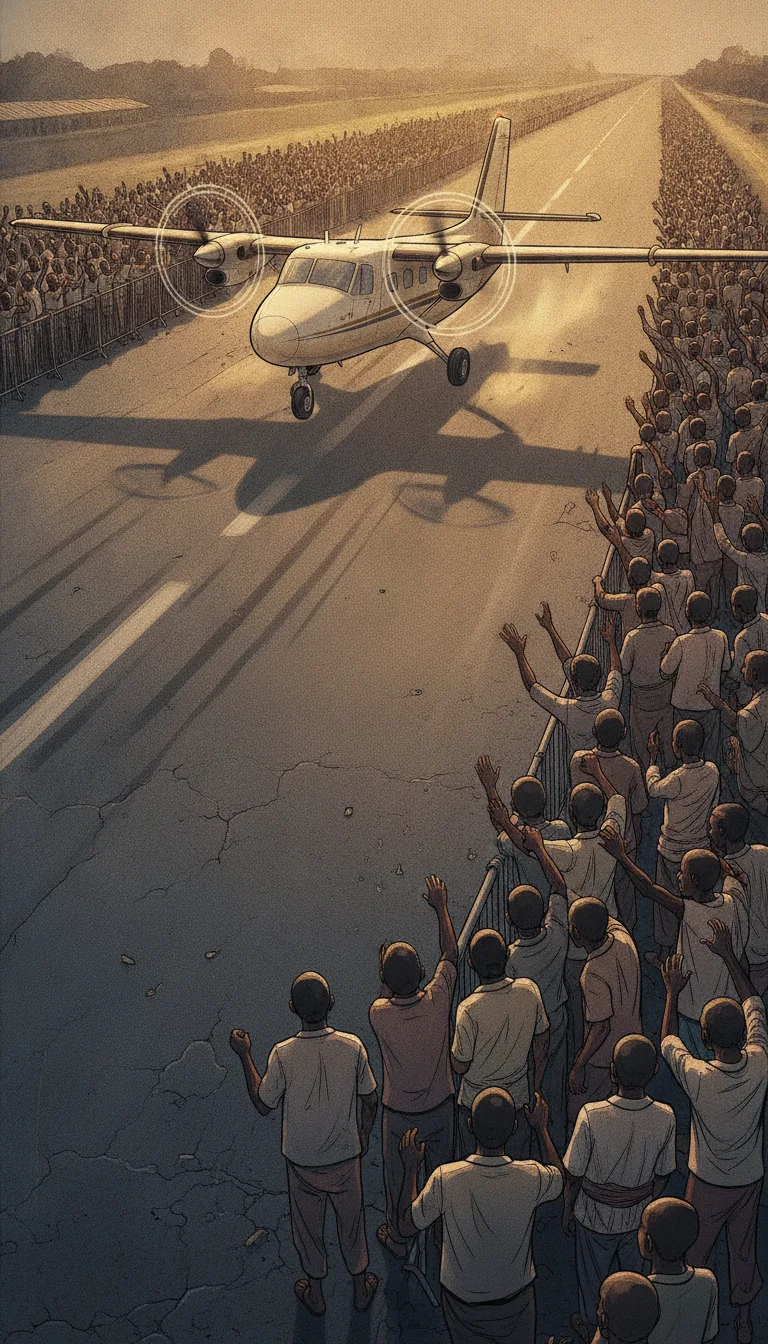
In 1991, the Paris Peace Accords finally brought the major warring factions to the negotiating table. The United Nations launched one of its largest and most ambitious peacekeeping missions — UNTAC, the UN Transitional Authority in Cambodia — deploying over 20,000 military and civilian personnel to organize free elections and stabilize the country.
The elections of May 1993 were remarkable. Despite threats of violence, roughly 90 percent of registered voters turned out. FUNCINPEC, the royalist party led by Sihanouk's son Prince Ranariddh, won the largest share of votes. The result was not a clean parliamentary victory — it produced an uneasy power-sharing arrangement between royalists and the existing Hun Sen government — but it produced something Cambodia had not seen in decades: a legitimate, internationally recognized political process.
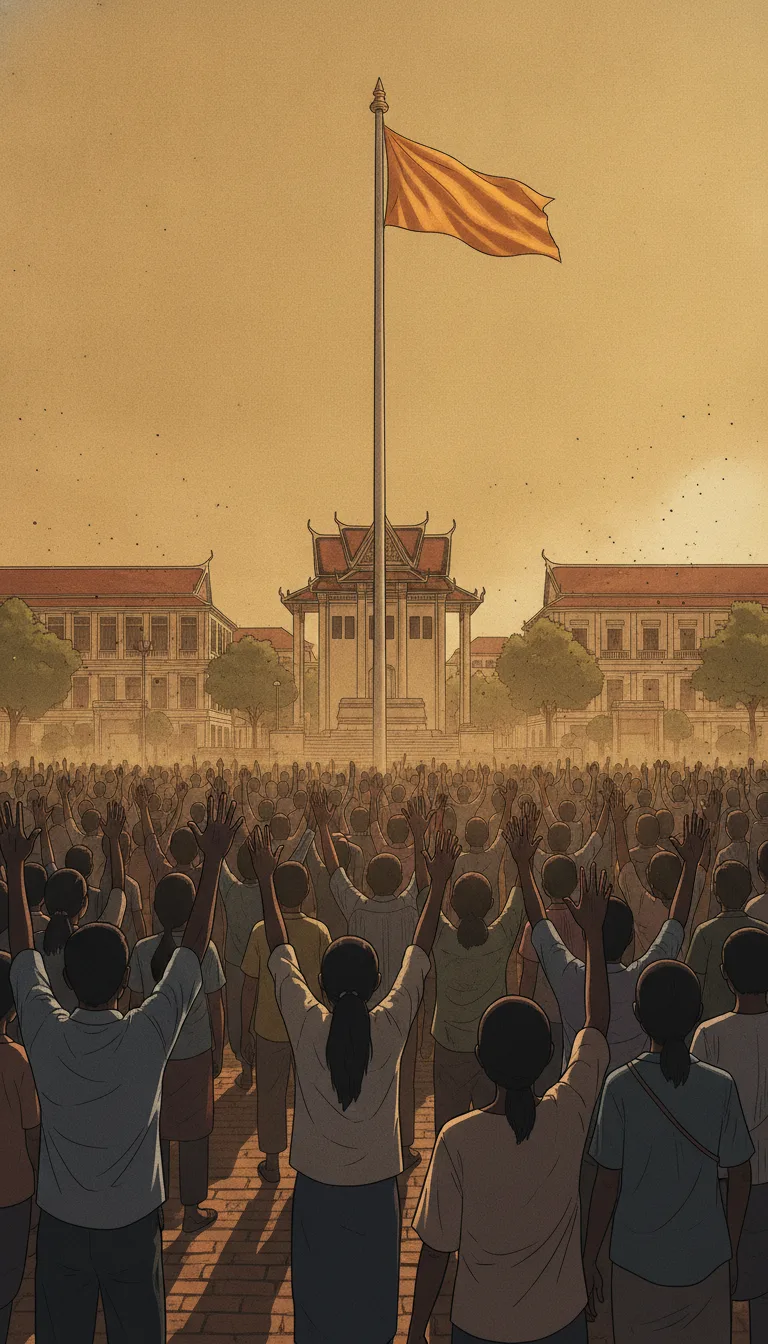
The restoration of the monarchy was written into the new constitution. On September 24, 1993, Norodom Sihanouk was crowned king once more — not as an absolute monarch, but as a constitutional symbol of national unity and continuity.
Why One Coronation Mattered So Much
Sihanouk was 71 years old when the crown was placed on his head again. He had survived exile, house arrest, personal tragedy, and decades of powerlessness. For Cambodians, his return was not simply political — it was spiritual. The king, in Khmer tradition, is a sacred figure, a link between the people and the divine order. Restoring the monarchy was an act of cultural reclamation.
Cambodia's path after 1993 remained difficult. Hun Sen gradually consolidated authoritarian control. The Khmer Rouge did not formally dissolve until 1999. Justice for the genocide came slowly — the UN-backed tribunal did not deliver its first conviction until 2010. Sihanouk abdicated a second time in 2004 due to poor health and died in 2012.
But September 24, 1993 still stands as a genuine turning point — the moment a nation that had been systematically destroyed chose to remember what it had been, and began the painful, necessary work of becoming something again.