The Record That Was Never Supposed to Fall
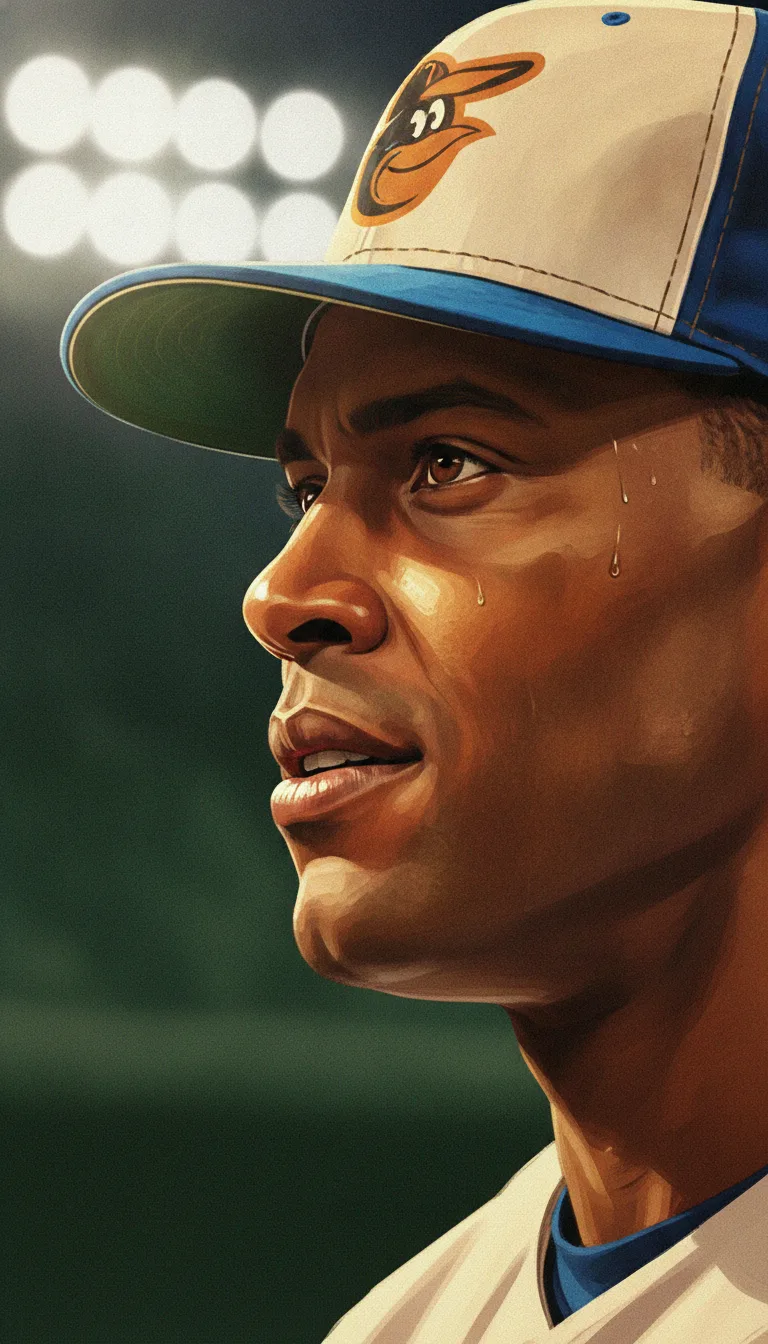
On the morning of September 6, 1995, Baltimore Orioles shortstop Cal Ripken Jr. woke up knowing that by nightfall, he would own a piece of history that most baseball experts had declared permanently out of reach. But to understand why that night at Camden Yards felt almost sacred, you need to go back more than half a century — to a different era, a different ballpark, and a different iron man.
Lou Gehrig of the New York Yankees played 2,130 consecutive games between 1925 and 1939. He was called "The Iron Horse," and his streak ended not by choice but by tragedy. Gehrig was diagnosed with amyotrophic lateral sclerosis — the disease now commonly known as ALS, or Lou Gehrig's disease — a fatal neurological condition that forced him off the field and ultimately took his life at just 37 years old. His farewell speech at Yankee Stadium, where he called himself "the luckiest man on the face of the earth," remains one of the most moving moments in American sports history. His record carried that weight. Breaking it felt almost disrespectful to even attempt.
Thirteen Years of Showing Up
When Cal Ripken Jr. began his streak on May 30, 1982, nobody was counting. He was a 21-year-old kid from Aberdeen, Maryland, just trying to hold onto a starting spot. The streak grew quietly, season by season, through good years and painful ones.
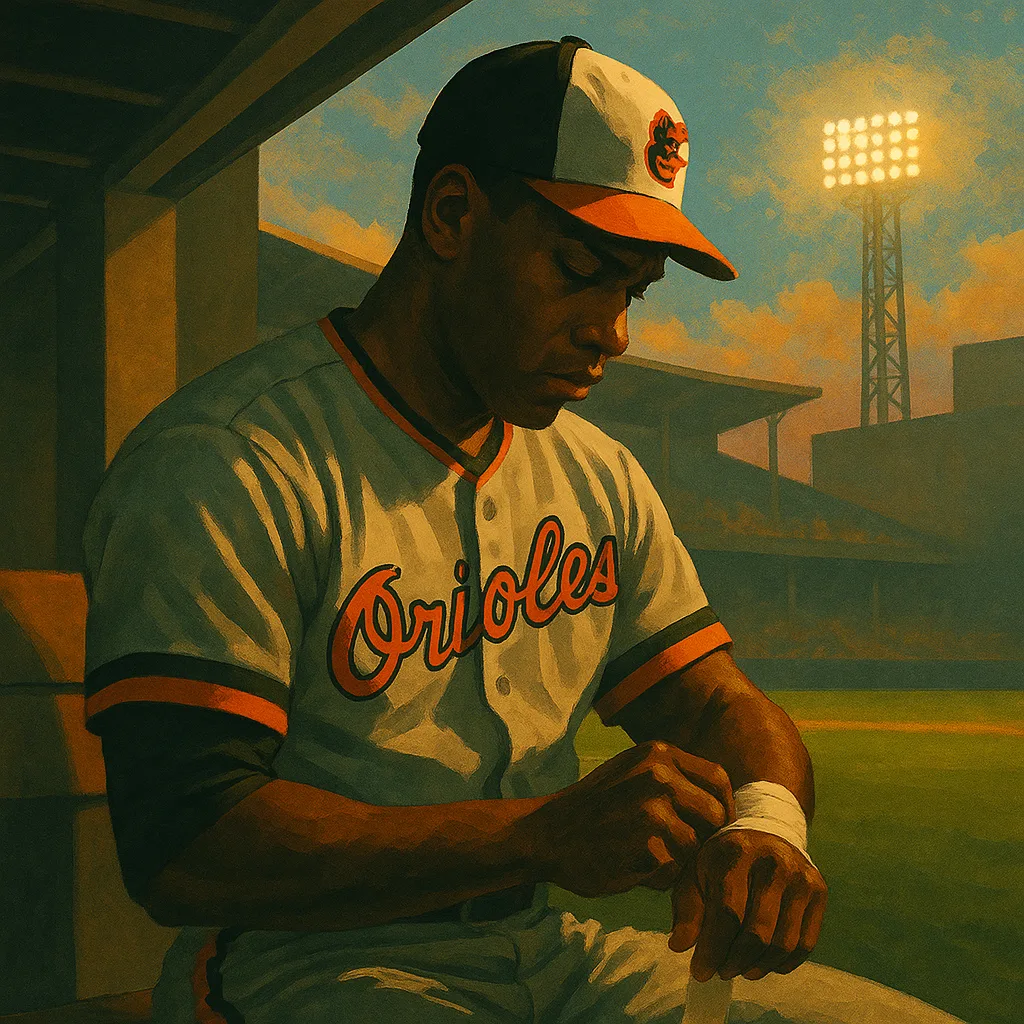
The Orioles had winning stretches and losing ones. Ripken went through managerial changes, roster turnover, and the general turbulence of a professional baseball career. What made his consistency so remarkable was precisely that it was never easy. In 1985, he played through a sprained ankle. He dealt with back problems, knee problems, and the grinding physical toll of playing shortstop — one of the most demanding defensive positions in the sport — every single day for over a decade. Teammates and coaches repeatedly encouraged him to take a day off, to rest and recover. He declined, every time.
What drove him? Ripken later explained that he believed he gave his team the best chance to win when he was on the field. It was less about ego or the record and more about a quiet, almost stubborn professional responsibility. He had grown up around baseball — his father, Cal Ripken Sr., was a longtime Orioles coach and later a manager — and he had absorbed a deep respect for the game and for showing up.
The Night Camden Yards Stopped
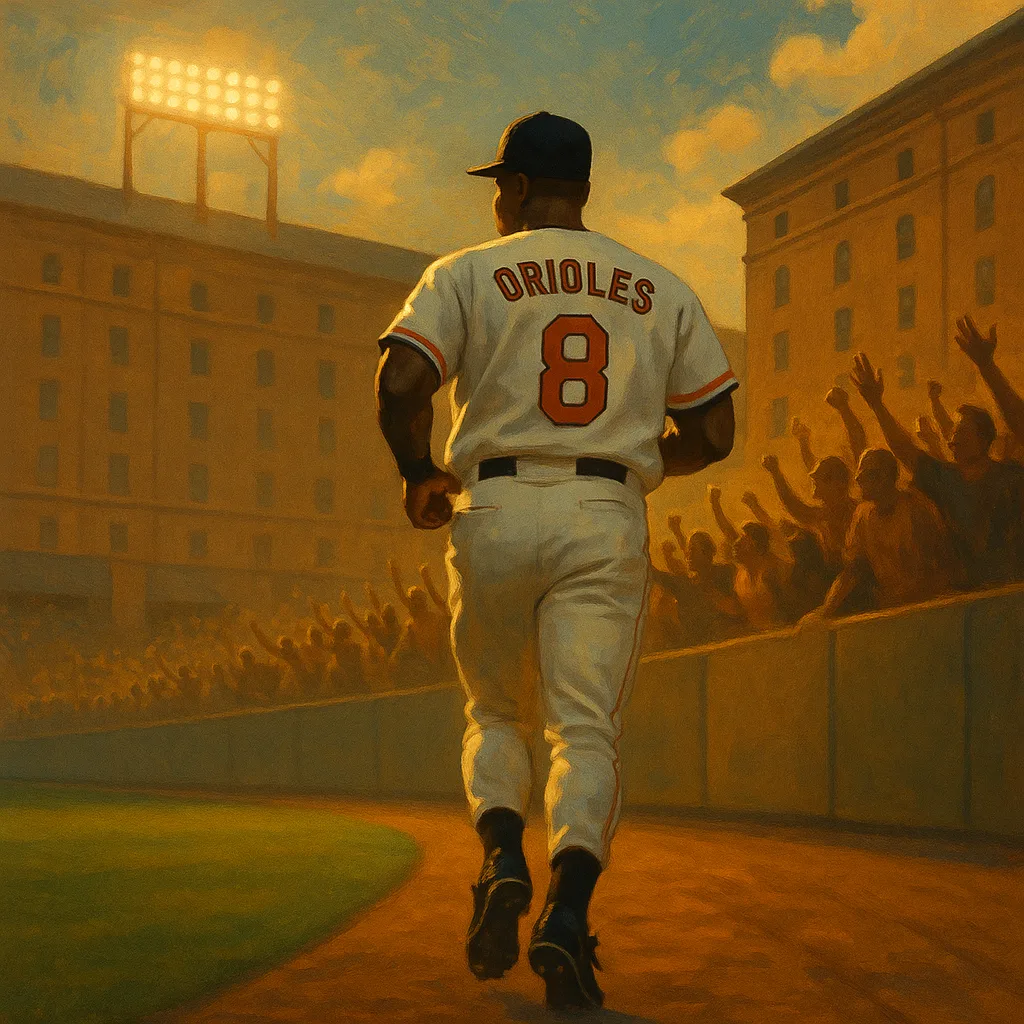
By the summer of 1995, the entire country was watching the number tick upward. When the game became official in the fifth inning on September 6th — making it a regulation game and officially counting toward the record — Camden Yards erupted. The standing ovation lasted 22 minutes. The game had to pause. Players from both dugouts, including members of the California Angels, the opposing team that night, came out to applaud.
President Bill Clinton attended. So did Vice President Al Gore. Baseball commissioner Bud Selig was there. But perhaps the most striking image of the evening was Ripken himself, visibly overwhelmed by the moment, being nudged by teammates to take a lap around the warning track to acknowledge the crowd. He jogged the entire perimeter of the field, stopping to shake hands with fans, opposing players, and stadium workers. It was unscripted and genuine — a man who had spent 13 years quietly doing his job, suddenly face to face with the fact that millions of people had been watching and caring all along.
Why It Still Matters
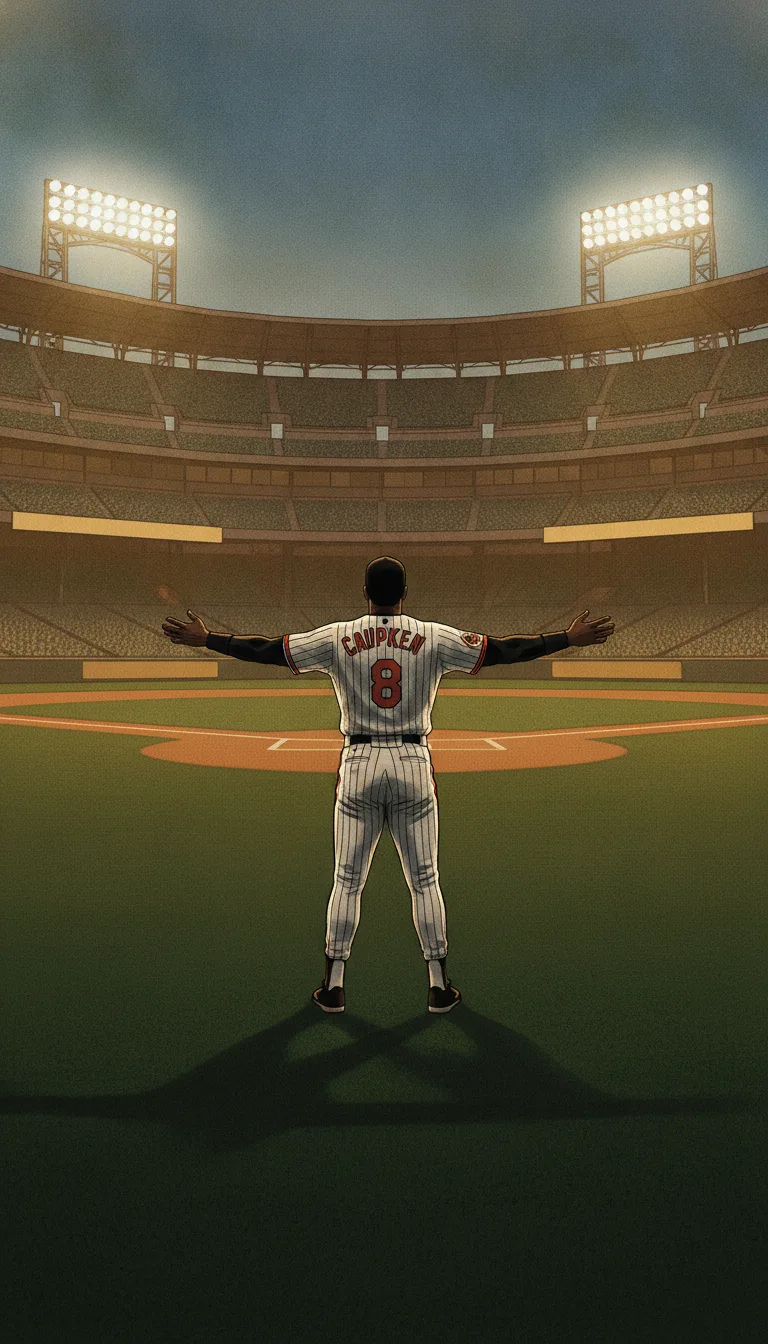
Ripken extended his streak to 2,632 consecutive games before voluntarily sitting out the final game of the 1998 season. He simply decided it was time. No injury, no illness — just a personal choice to close the chapter on his own terms.
His record matters beyond baseball for a specific reason: it is a monument to reliability in an age that increasingly celebrates the spectacular. Ripken never hit 60 home runs in a season. He was not the fastest or the flashiest player. What he offered, day after day for 16 years, was his presence and his best effort. In a culture obsessed with extraordinary moments, Ripken's achievement is a reminder that there is something profound — and genuinely rare — about simply never giving up on an ordinary Tuesday.