A Marvel Built on a Warning
The Vajont Dam did not appear overnight. It was the product of years of ambition, engineering pride, and Italy's post-war hunger for modernisation. The dam rose in the narrow Vajont gorge in the Dolomite mountains of northeastern Italy, built by the company SADE — Società Adriatica di Elettricità — which wanted to harness the region's rivers for hydroelectric power. Construction began in 1957 and was completed in 1960.
When finished, the double-arch concrete dam stood 261 metres tall — the highest dam in the world at the time. It was a genuine feat. Engineers were proud of what they had achieved in such difficult mountain terrain. The structure itself was almost absurdly strong. What nobody wanted to admit was that the mountain beside it was not.
The Mountain That Was Already Moving
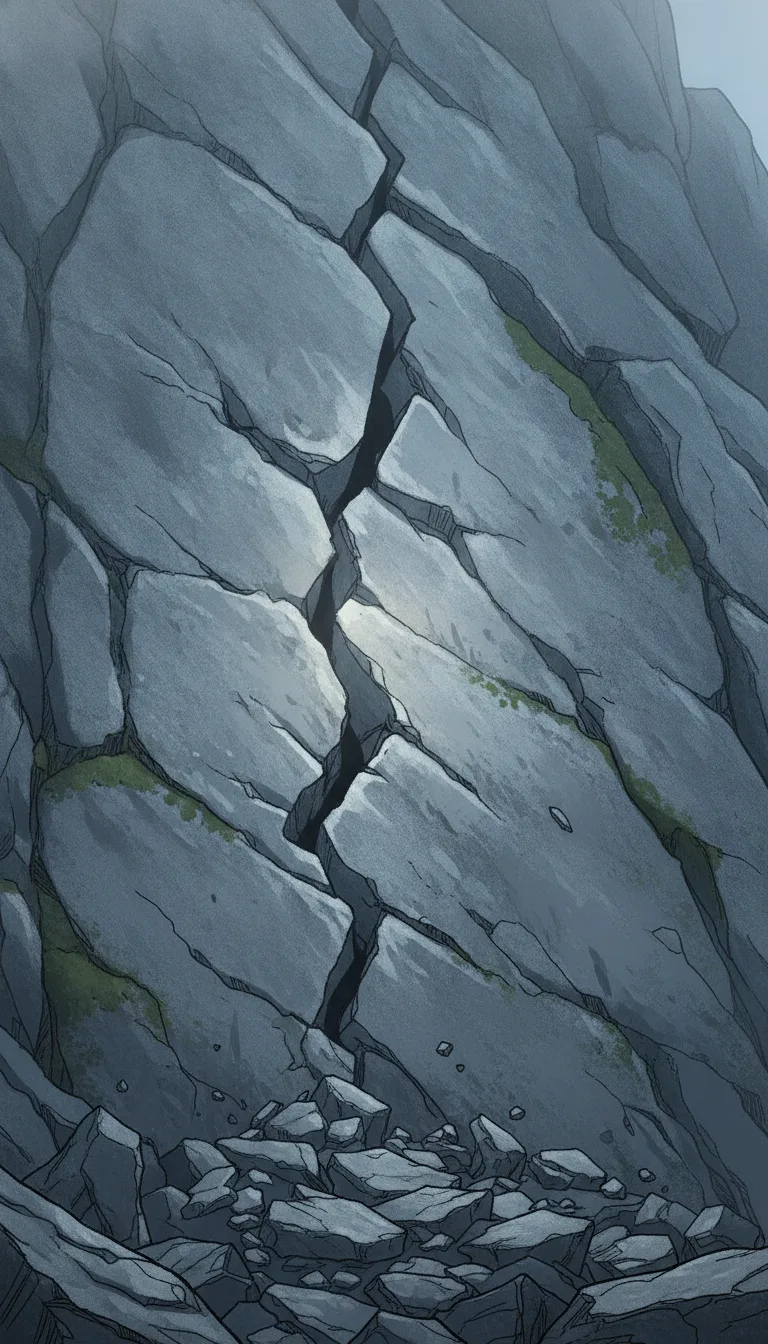
Mount Toc, which loomed over the reservoir on the southern slope, had a name that locals understood well. In the Venetian dialect, toc means "rotten." People in the valley had known for generations that this mountain was unreliable. Its geology — layers of clay and limestone — made it prone to slow, creeping movement, especially when saturated with water.
As the reservoir filled for the first time in 1960, geologists began noticing cracks appearing on the mountain's slope. That same year, a smaller landslide sent about one million cubic metres of rock into the reservoir, creating a wave that caused minor flooding. SADE's own geologist, Giorgio Dal Piaz, raised concerns. So did Leopold Müller, a respected Austrian geologist, who warned that the entire southern slope could be unstable.
These warnings reached company officials and, eventually, government regulators. But the project represented enormous investment. The dam was a symbol of Italy's economic miracle. Halting operations was expensive and embarrassing. Instead, engineers tried to manage the mountain by carefully controlling the water level — raising and lowering the reservoir to stabilise the slope. It was a calculated risk that many in authority convinced themselves was acceptable.
It was not.
The Night Everything Gave Way
By autumn 1963, the slope of Mount Toc was moving noticeably — sometimes several centimetres per day. Engineers monitored the creep and debated whether it was stabilising or accelerating. On the evening of October 9th, the mountain answered the question itself.
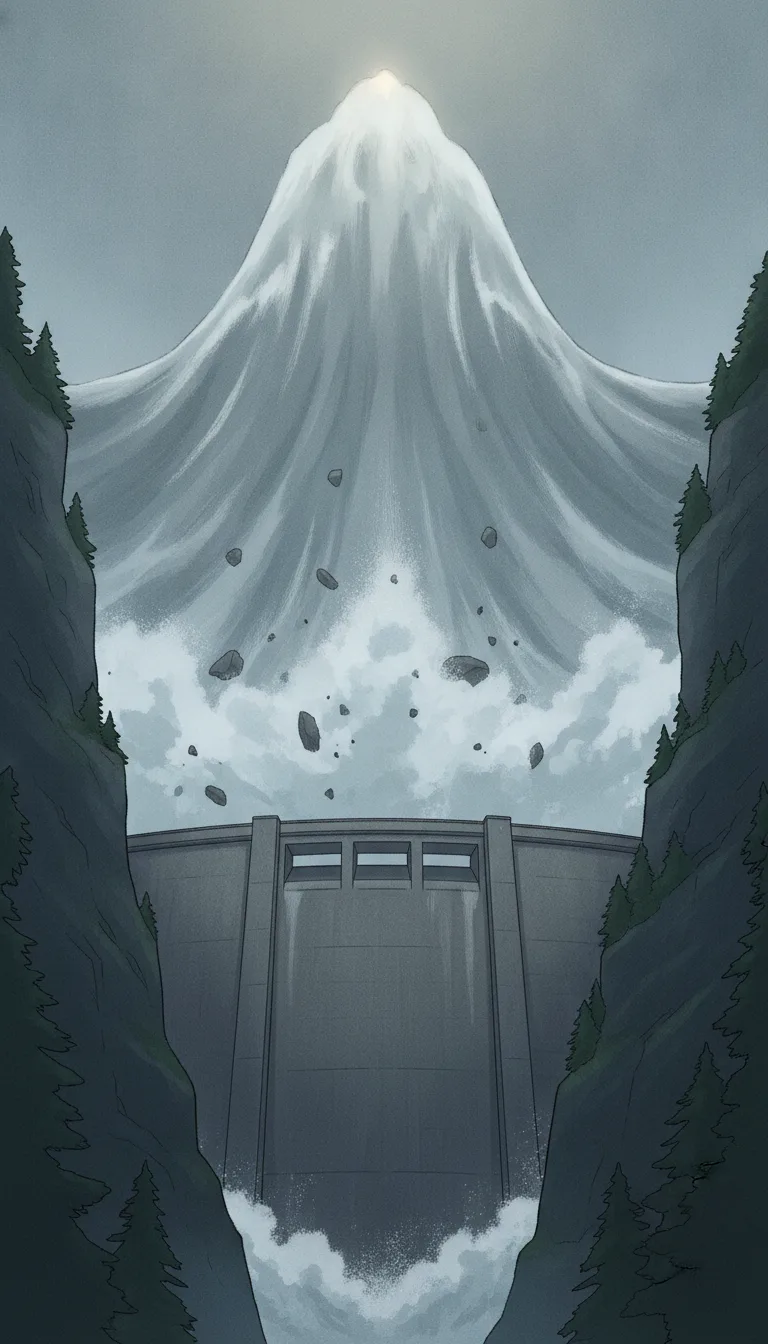
At 10:39 pm, approximately 270 million cubic metres of rock — a mass estimated at around 300 million tonnes — broke free from the mountainside and plunged into the reservoir. The slide took less than 30 seconds to complete. The water had nowhere to go. It was forced upward and over the dam in a wave that reached roughly 250 metres above the reservoir's surface, overtopping the dam completely.
The flood that poured into the Piave valley below was catastrophic. The town of Longarone, home to around 1,300 people, was struck within minutes and almost entirely destroyed. Several surrounding villages — Pirago, Rivalta, Villanova, Faè — were also swept away or buried. Around 2,000 people died, though estimates vary slightly. Many bodies were never recovered.
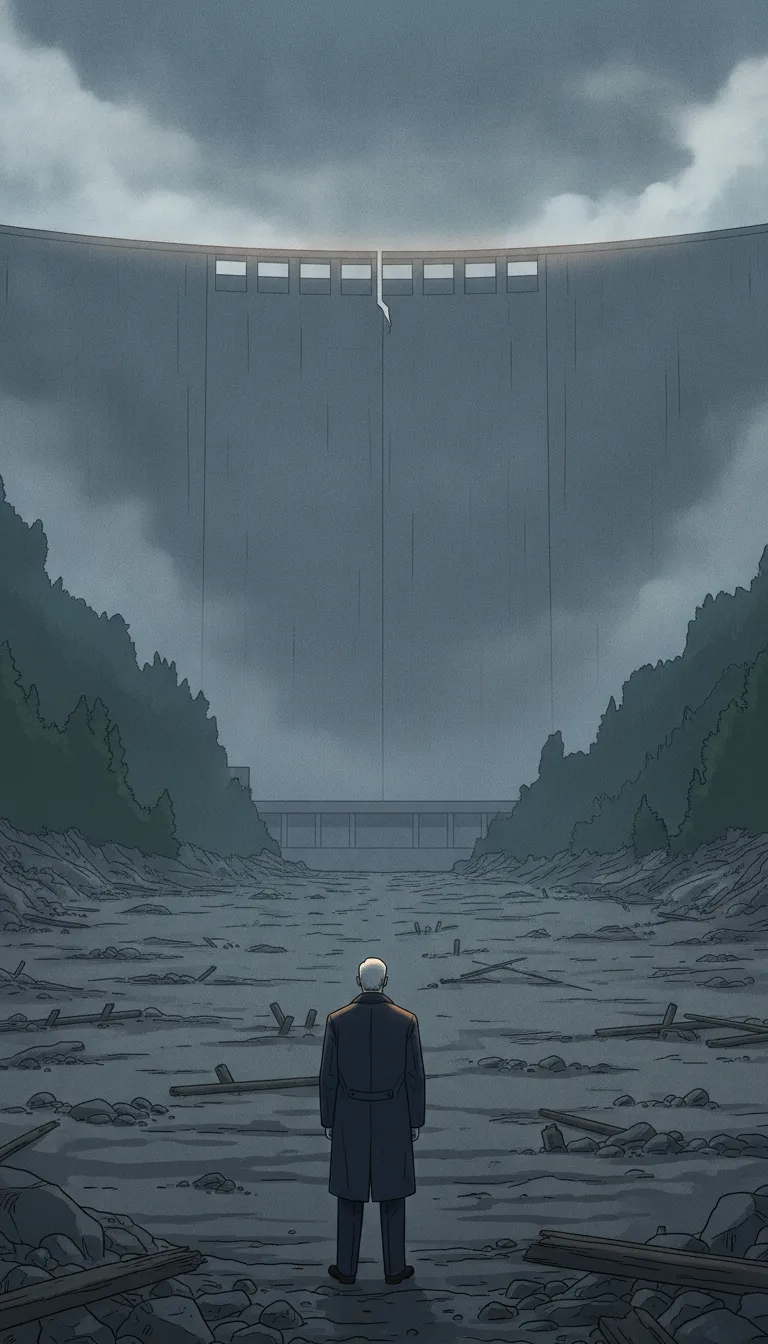
The dam itself, extraordinarily, did not collapse. It still stands in the gorge today, a concrete monument to what engineering can achieve — and what it cannot prevent.
Accountability and Aftermath
In the years that followed, survivors, journalists, and investigators pieced together exactly what had happened and why. A long legal process eventually resulted in criminal convictions. Several engineers and company officials were found guilty of criminal negligence. The sentences were light by most measures, and many were later reduced on appeal, which caused lasting bitterness among survivors and bereaved families.
The disaster became a defining case in the history of engineering ethics. It is still taught in universities as an example of how institutional pressure, commercial interest, and the reluctance to act on inconvenient scientific evidence can produce catastrophic outcomes. The dam had been engineered to near-perfection. The failure was human.
Why Vajont Still Matters
The Vajont disaster sits in a painful category of tragedies — ones that were not inevitable, only allowed. The geologists saw it coming. The locals, in their very name for the mountain, sensed it. What was missing was not knowledge but the courage, or the authority, to act on it.
In an era of rapid infrastructure development around the world, that lesson has not expired.