A Country Cut in Half
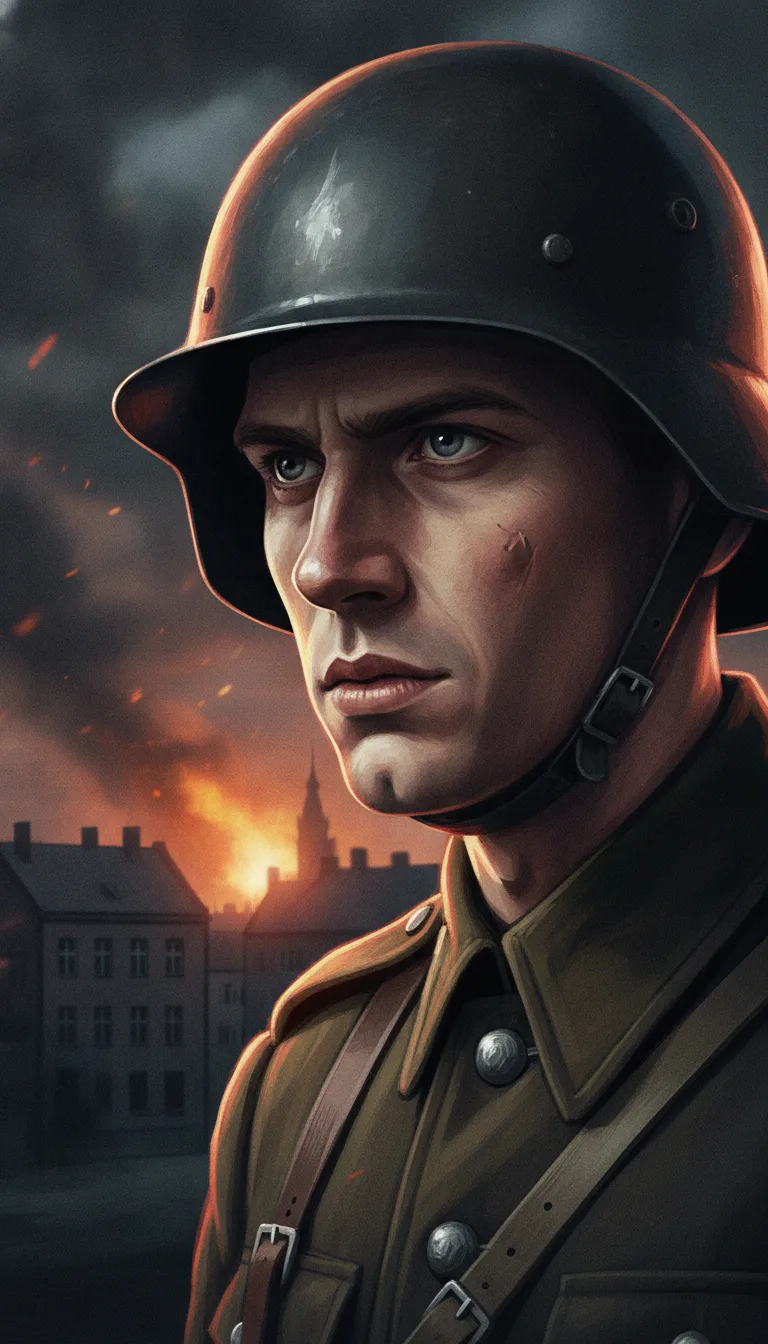
When Croatia declared independence from Yugoslavia in June 1991, it immediately faced a war it had not fully prepared for. Within months, ethnic Serb rebels — backed by the Yugoslav People's Army — seized roughly one-third of Croatian territory. They called this self-declared region the Republic of Serbian Krajina, a strip of land that cut through Croatia's heartland and effectively strangled the young country's geography.
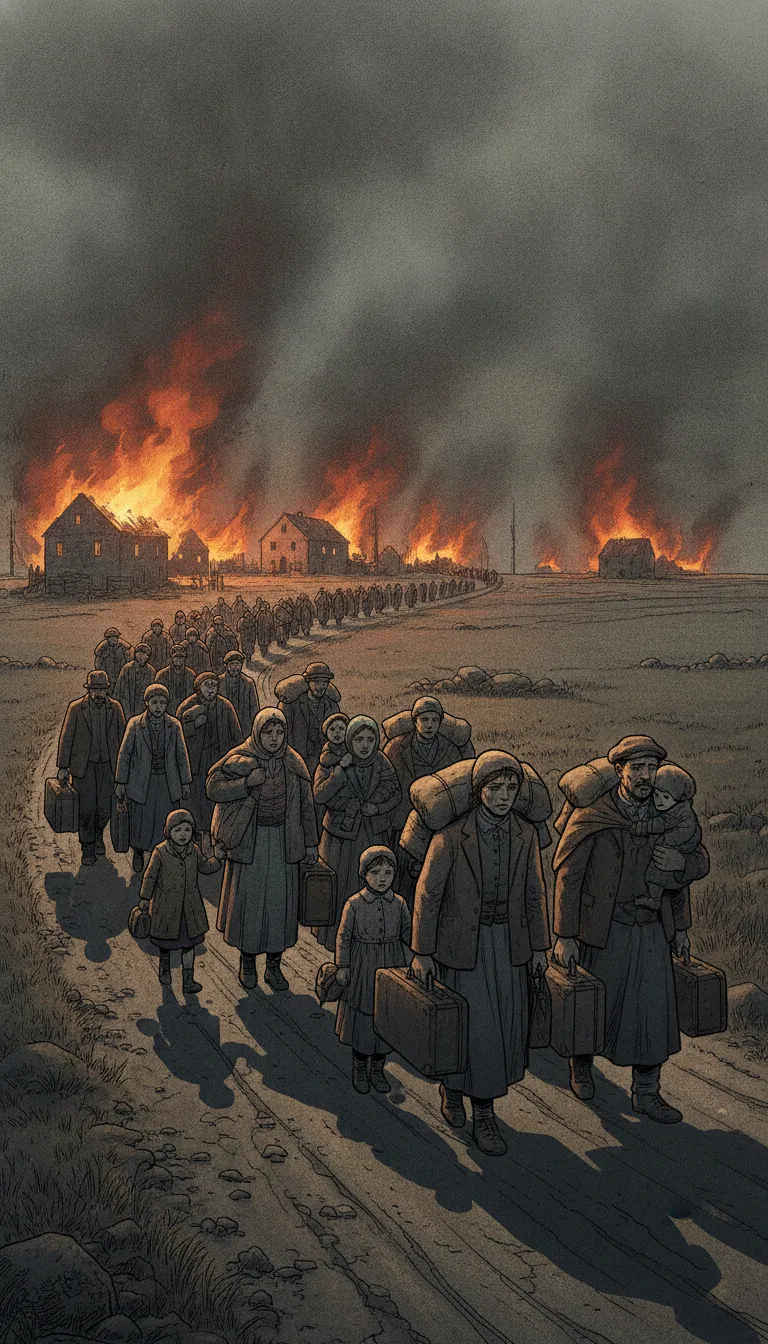
The human cost was immediate and devastating. Around 250,000 Croats and other non-Serb civilians were expelled from their homes in what became known as ethnic cleansing — families forced out at gunpoint, villages burned, communities erased. The displaced people flooded into the rest of Croatia, a country still trying to build its own institutions from scratch. Meanwhile, international peacekeepers arrived and a ceasefire was declared in 1992 — freezing the conflict in place, but solving nothing. The Krajina remained outside Croatian control, and its Serb leadership had no intention of negotiating a return.
Four Years of Quiet Preparation
What the outside world largely missed was what Croatia did during those frozen years. Behind the ceasefire lines, the Croatian government rebuilt its military almost entirely from the ground up. This process had a name: the "Fatherland War," and it was as much about silent preparation as active fighting.
Croatia hired retired American generals through a private military consulting firm called Military Professional Resources Incorporated (MPRI). These advisors helped Croatian officers study modern combined-arms warfare — the coordination of infantry, artillery, tanks, and logistics that had defined Western military success. Croatian commanders studied the Gulf War. They ran exercises. They built supply chains. By 1995, the Croatian Army was a fundamentally different force than the improvised defenders of 1991.
The political moment mattered too. In May 1995, Croatia had already conducted a smaller operation called Operation Flash, recapturing the pocket of Western Slavonia in just two days. It was a test — and it worked. The international community protested, but did not intervene. The Croatian leadership took note.

The Morning of August 4th
Operation Storm began at 5:00 in the morning with a massive artillery barrage along a front stretching hundreds of kilometers. Croatian forces attacked simultaneously from multiple directions — north, south, and west — using a strategy designed to prevent any coherent defense. The Krajina Serb army, numbering perhaps 40,000 soldiers, faced a coordinated assault it had neither the training nor the morale to resist.
The collapse was startlingly fast. Within the first day, key towns were falling. Knin — the de facto capital of the Krajina — fell to Croatian forces on August 5th, just 29 hours after the operation began. Croatian President Franjo Tuđman famously called the city's capture to announce it on state television, and images of the Croatian flag raised over Knin's fortress became iconic.
By August 7th — roughly 84 hours after the first shots — the operation was effectively over. The Croatian Army had recaptured nearly 10,000 square miles of territory, dismantling the Krajina in a time frame that shocked military observers worldwide.
The Exodus That Followed
Victory on the battlefield carried an enormous human shadow. As Croatian forces advanced, somewhere between 150,000 and 200,000 Krajina Serbs fled — many in long, harrowing convoys heading toward Bosnia and Serbia. Some left out of genuine fear; others were ordered to evacuate by their own leadership. Some were killed in attacks on refugee columns, crimes that were later investigated by the International Criminal Tribunal for the former Yugoslavia.
The question of what Croatian forces did — and did not do — to protect remaining civilians remains historically contested and legally significant. Several Croatian generals were indicted at The Hague, though convictions were later overturned on appeal. The debate over accountability has never fully closed.
Why Operation Storm Still Matters
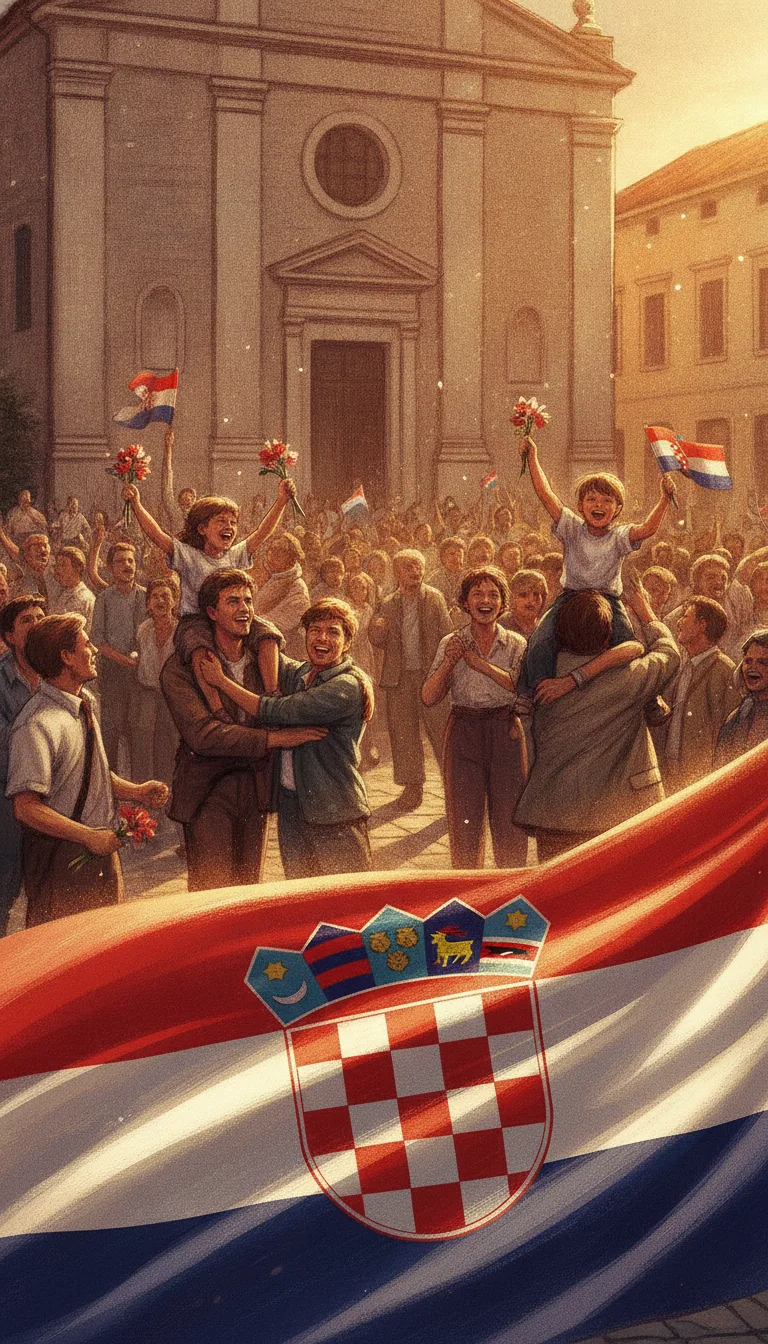
Operation Storm is remembered very differently depending on where you stand. In Croatia, August 5th is a national holiday — Victory and Homeland Thanksgiving Day. For Serbs, especially those who fled or whose families fled, it remains a wound.
What is beyond dispute is its strategic outcome: Operation Storm broke the military stalemate of the Yugoslav wars and directly accelerated the Dayton Agreement, signed in November 1995, which ended the war in Bosnia. A single weekend of military action reshaped the entire region's political map — consequences that still define the Western Balkans today.