A Single Page in a Long Paper Trail
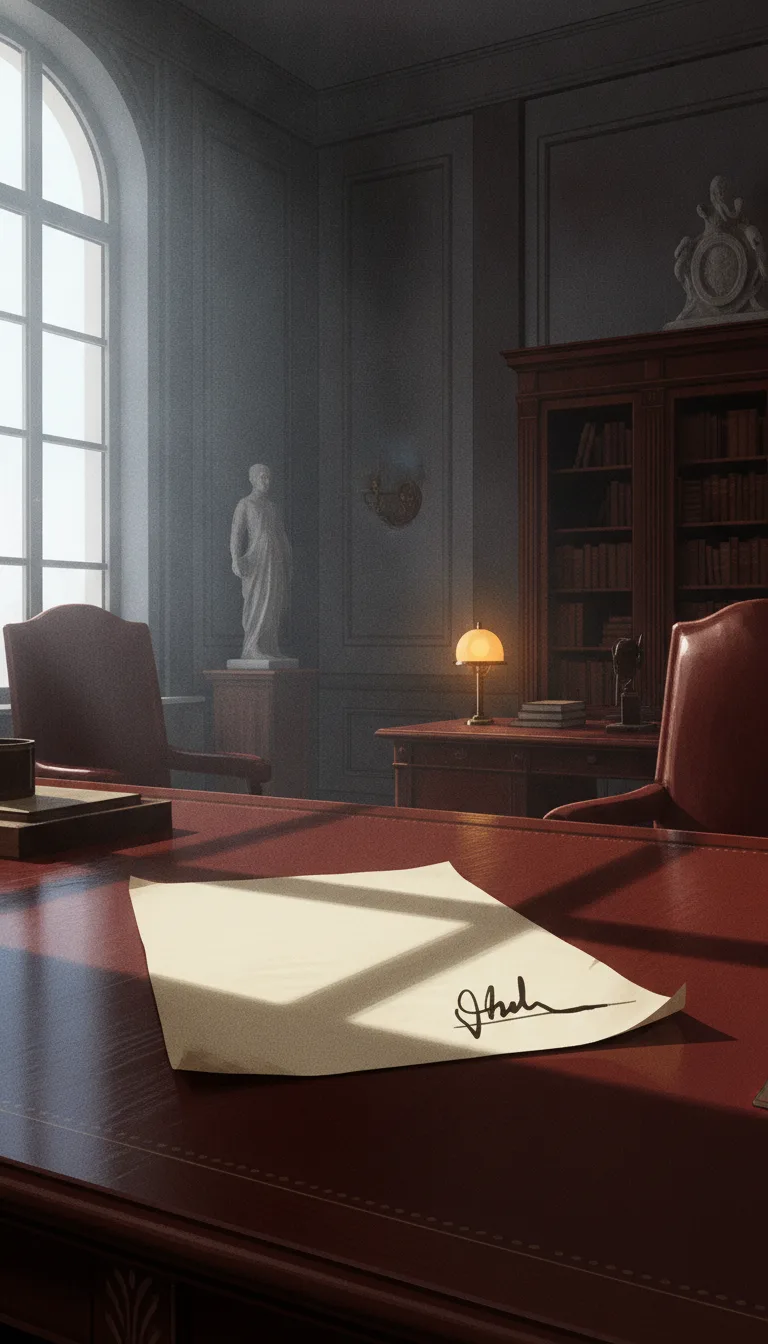
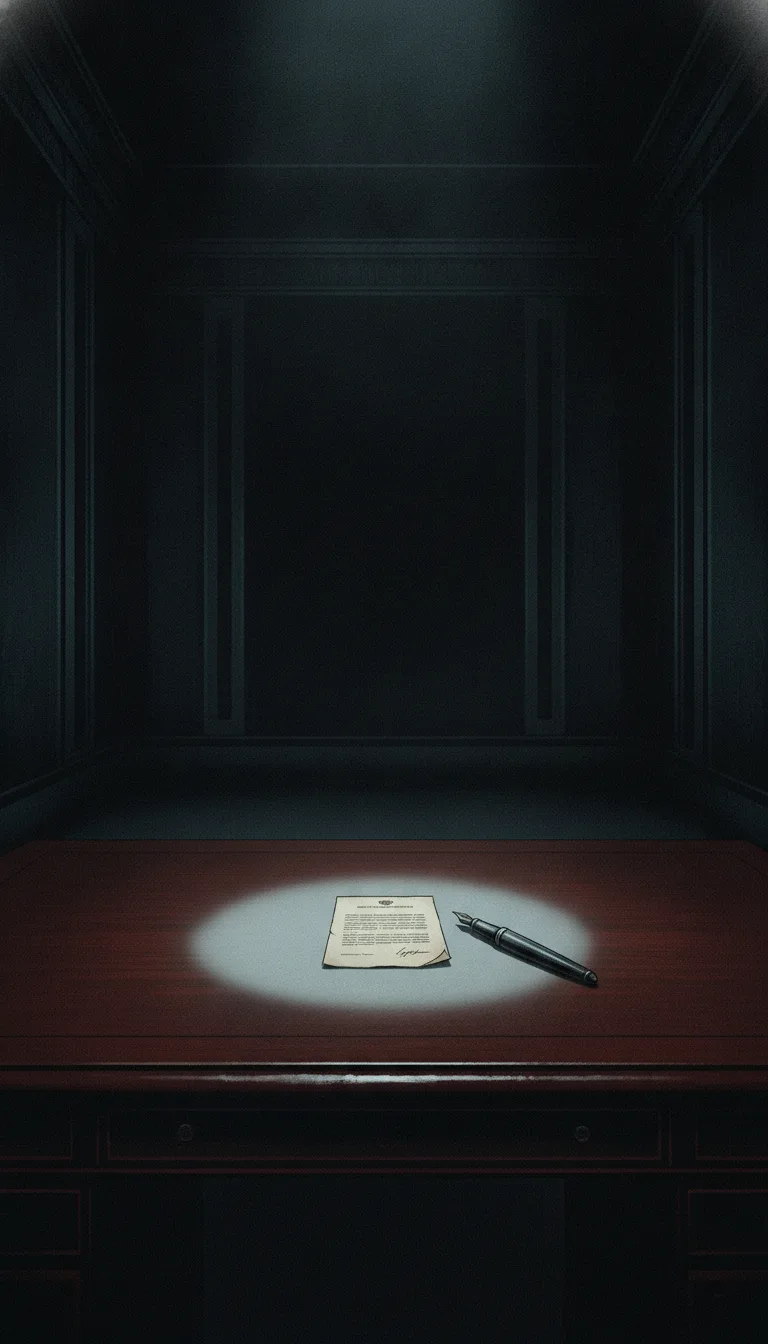
July 31, 1941. While German troops pushed deep into the Soviet Union, a typed memo moved quietly through Nazi bureaucracy. Hermann Göring, commander of the Luftwaffe and Hitler's designated successor, signed an authorization directing Reinhard Heydrich — chief of the Reich Security Main Office — to carry out what the document called "a complete solution of the Jewish question" across all German-controlled territory.
The document itself was short. Clinical. Almost boring in its language. But behind those carefully chosen words lay a decision that would consume the lives of six million Jewish men, women, and children.
How It Got to This Point
The Holocaust did not begin with gas chambers. It began with discrimination, then segregation, then terror — each step making the next one easier to accept.
From 1933 onward, Nazi Germany had systematically stripped Jewish citizens of their rights. The Nuremberg Laws of 1935 removed their citizenship entirely. Jewish businesses were seized. Jewish children were expelled from schools. Violence was encouraged and celebrated, most visibly during the Kristallnacht pogrom of November 1938, when synagogues burned across Germany and Austria while police stood aside.
When Germany invaded Poland in 1939, the situation accelerated dramatically. Millions more Jewish people came under Nazi control. They were forced into overcrowded ghettos — in Warsaw, Łódź, Kraków — where starvation and disease killed tens of thousands before any camp was built.
Then came Operation Barbarossa, the invasion of the Soviet Union in June 1941. Behind the advancing army came special mobile killing units called Einsatzgruppen. Their mission was mass murder. Within months, they had shot and buried hundreds of thousands of Jewish people in pits and ravines across Eastern Europe. The massacre at Babi Yar, just two months after Göring's memo, killed 33,771 people in two days.
The genocide was already happening. Göring's order was the bureaucratic structure placed around it.
What the Order Actually Did
Göring's July 31 directive was not a spontaneous decision. It was the formalization of a process already in motion, giving Heydrich both the authority and the resources to coordinate what would become a continent-wide operation of murder.
Heydrich used this mandate to organize the Wannsee Conference in January 1942, a meeting of senior Nazi officials in a comfortable Berlin villa. There, over lunch, fifteen men discussed logistics: transportation schedules, camp locations, the management of exemptions. Minutes from that meeting survive. They remain among the most chilling documents in history — the Holocaust reduced to administrative problem-solving.
The result was a network of extermination camps: Auschwitz-Birkenau, Treblinka, Sobibor, Belzec, Chelmno, Majdanek. Each designed not to imprison people, but to kill them as efficiently as possible.
The People Behind the Numbers
Six million is a number that can numb the mind. But each person had a name, a family, a language, a life. A grandmother in Kraków. A teacher in Amsterdam. A musician in Vilnius. A child who had never seen war.
Approximately 1.5 million of those killed were children.
The Jewish communities of Eastern Europe — Yiddish-speaking, deeply rooted, centuries old — were almost entirely destroyed. Poland alone lost over three million Jewish citizens. An entire civilization was erased within four years.
Why This Moment Still Matters
Historians continue to debate exactly when Hitler made the irreversible decision to murder all of Europe's Jewish population. The Göring memo is not the single "start button" of the Holocaust. But it represents something deeply important: the moment systematic, continent-scale genocide received its official architecture.
What makes this history worth studying is not only its horror, but its mechanism. The Holocaust was not carried out by monsters from another world. It was organized by bureaucrats, signed by officials, and executed by ordinary people who had been taught to stop seeing their victims as human.
Hannah Arendt famously described this as the "banality of evil" — the terrifying observation that history's greatest crimes are often committed not in a fury of passion, but through paperwork, procedure, and the quiet removal of conscience.
One page. Signed on a Tuesday. The world has never fully recovered from what followed.