A Kingdom Frozen in Time
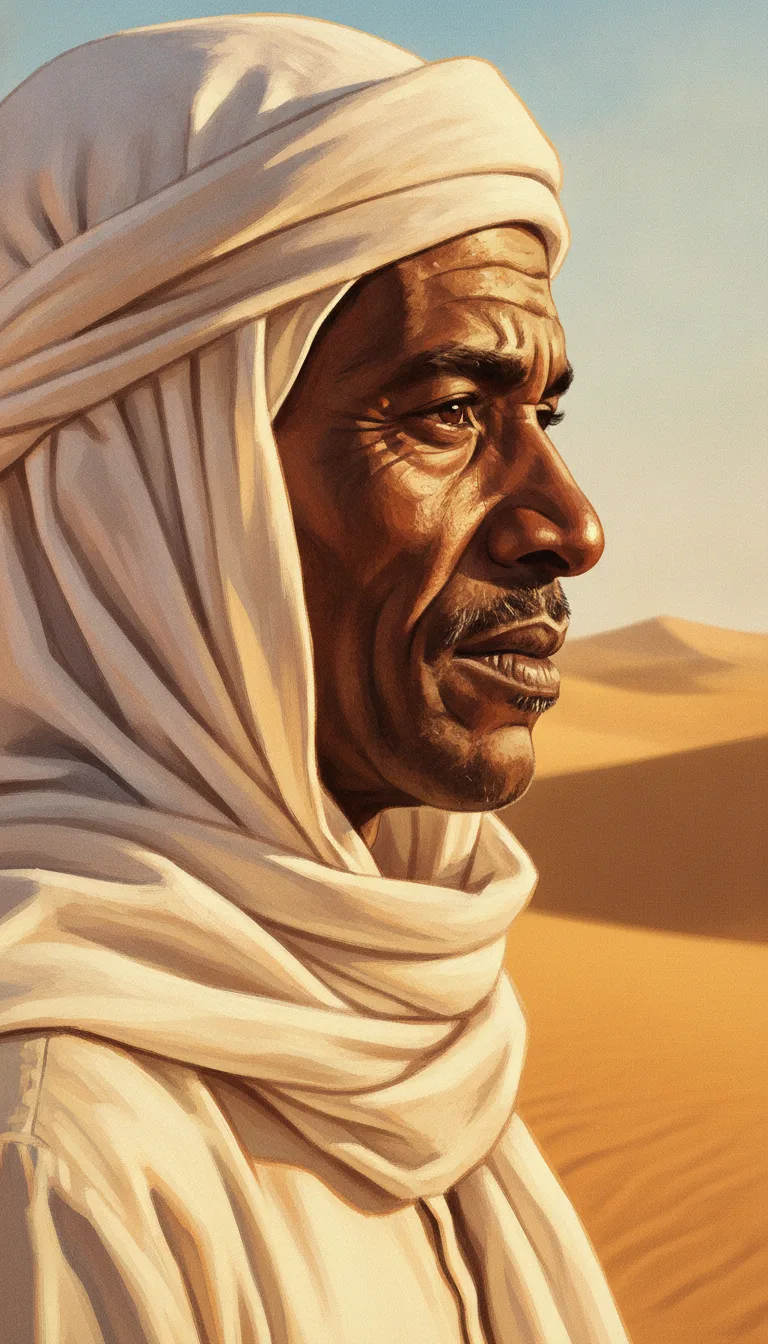
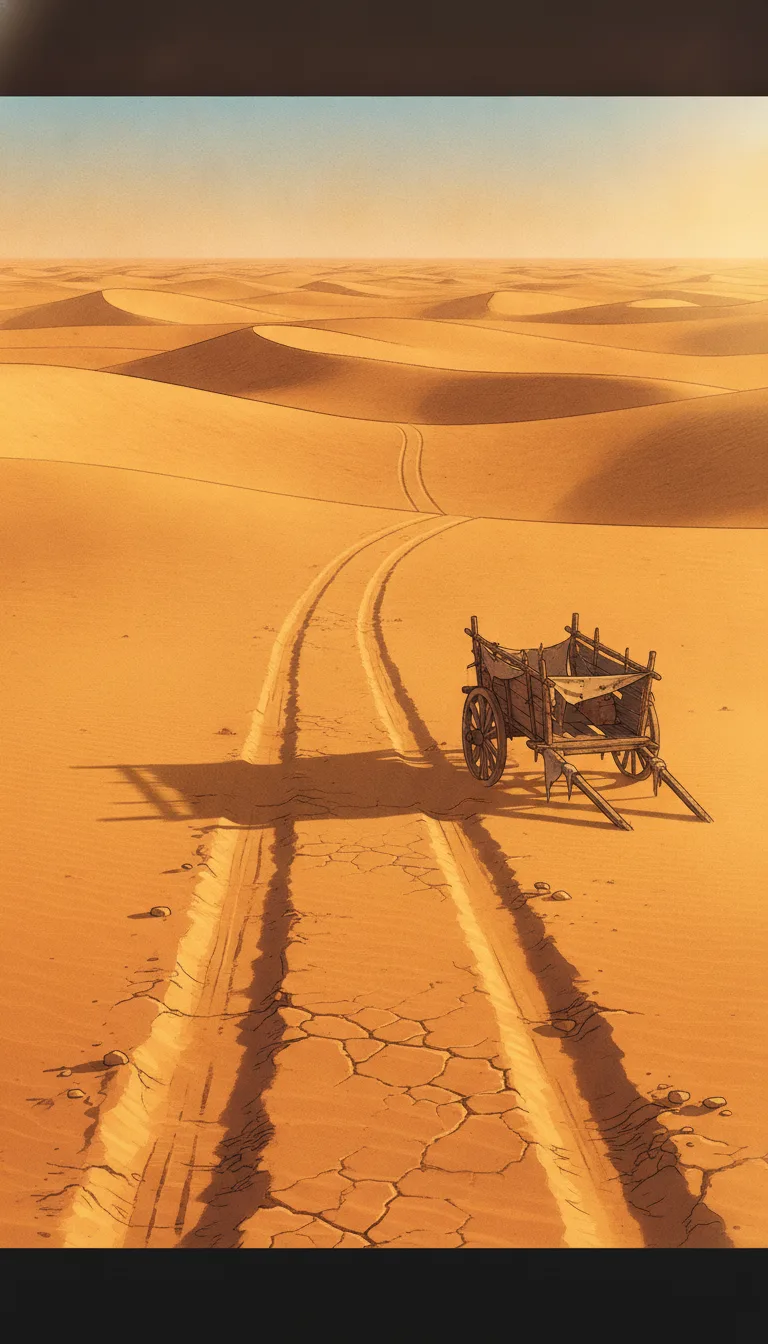
By the late 1960s, Oman was an anomaly the modern world had largely forgotten. While neighboring Gulf states were spending oil revenues on infrastructure and education, Sultan Said bin Taimur governed his country according to a vision of almost deliberate stillness. He feared that development would bring foreign influence, social change, and the erosion of his absolute authority. The result was a nation sealed off from the twentieth century by royal decree.
The restrictions were not merely symbolic. Omanis needed the Sultan's personal permission to travel abroad, build new homes, or use certain goods. Eyeglasses, books, and radios were at various points banned or tightly controlled. The few oil revenues that began flowing after the 1960s discovery of petroleum were hoarded rather than spent. When Said bin Taimur moved his court to Salalah in the southern province of Dhofar, he essentially withdrew from his own country — ruling through fear and stagnation while a communist-backed insurgency in Dhofar grew stronger every year, fed in large part by popular desperation.
A Prince Under House Arrest
Qaboos bin Said was Said's only son, born in 1940. His father sent him to England for education, and in 1960 Qaboos enrolled at the Royal Military Academy Sandhurst, where he trained alongside the British officers who would later help him govern. He served briefly with a British regiment in Germany and toured local government in England before returning home in 1964 with a young man's ambition and a clear picture of what Oman could become.
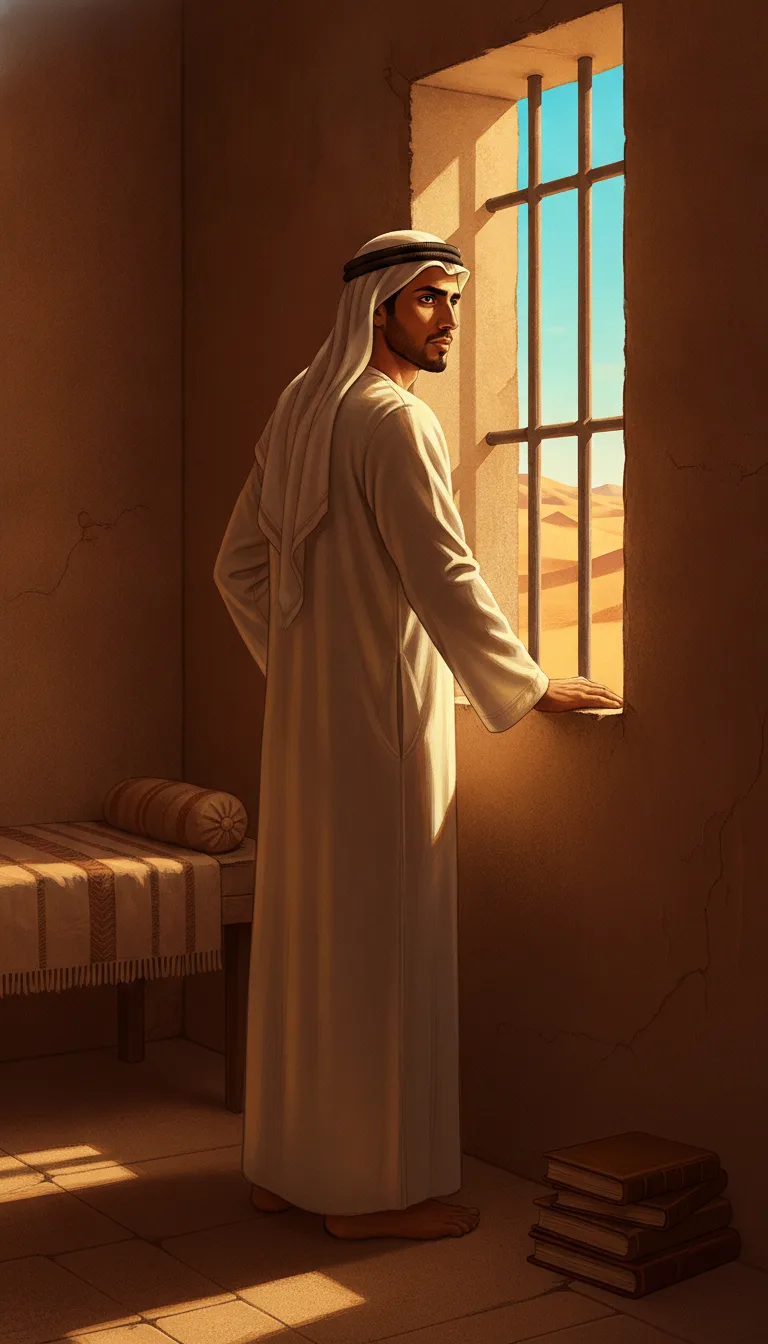
His father's response was to confine him to the family palace in Salalah. For roughly six years, Qaboos lived under a form of supervised isolation — permitted to study Islamic history and music, but cut off from politics, from the public, and from any real role in the country he was destined to inherit. Those who knew him described a young man growing increasingly frustrated, watching Oman deteriorate while an insurgency in Dhofar threatened to consume the entire south.
The Coup of July 23, 1970
The move against Said bin Taimur was not a spontaneous uprising. British officials and intelligence figures, deeply alarmed by the Dhofar insurgency and convinced that Said was incapable of defeating it, gave their quiet support to a change of power. Omani tribal and military figures who had long chafed under Said's rule organized around Qaboos.
On the morning of July 23, 1970, armed supporters entered the palace in Salalah. Accounts of what happened next vary slightly, but Said bin Taimur was wounded during the confrontation — shot in the foot, with some reports suggesting he may have accidentally shot himself in the chaos. He surrendered, abdicated, and was flown to London, where he lived in the Dorchester Hotel until his death in 1972, largely alone and reportedly never reconciling with his son. He was 63 years old.
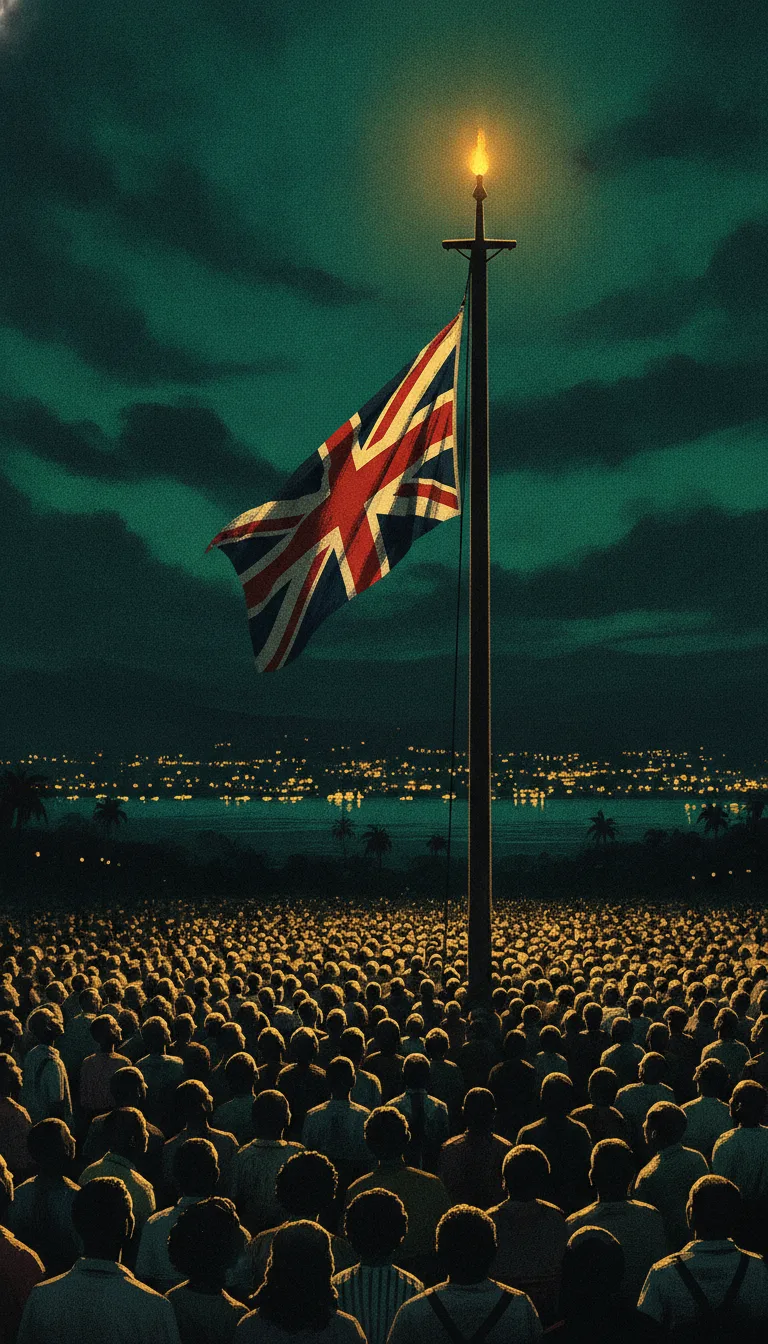
Qaboos, aged 29, became Sultan of Oman that same day.
Building a Country From Almost Nothing
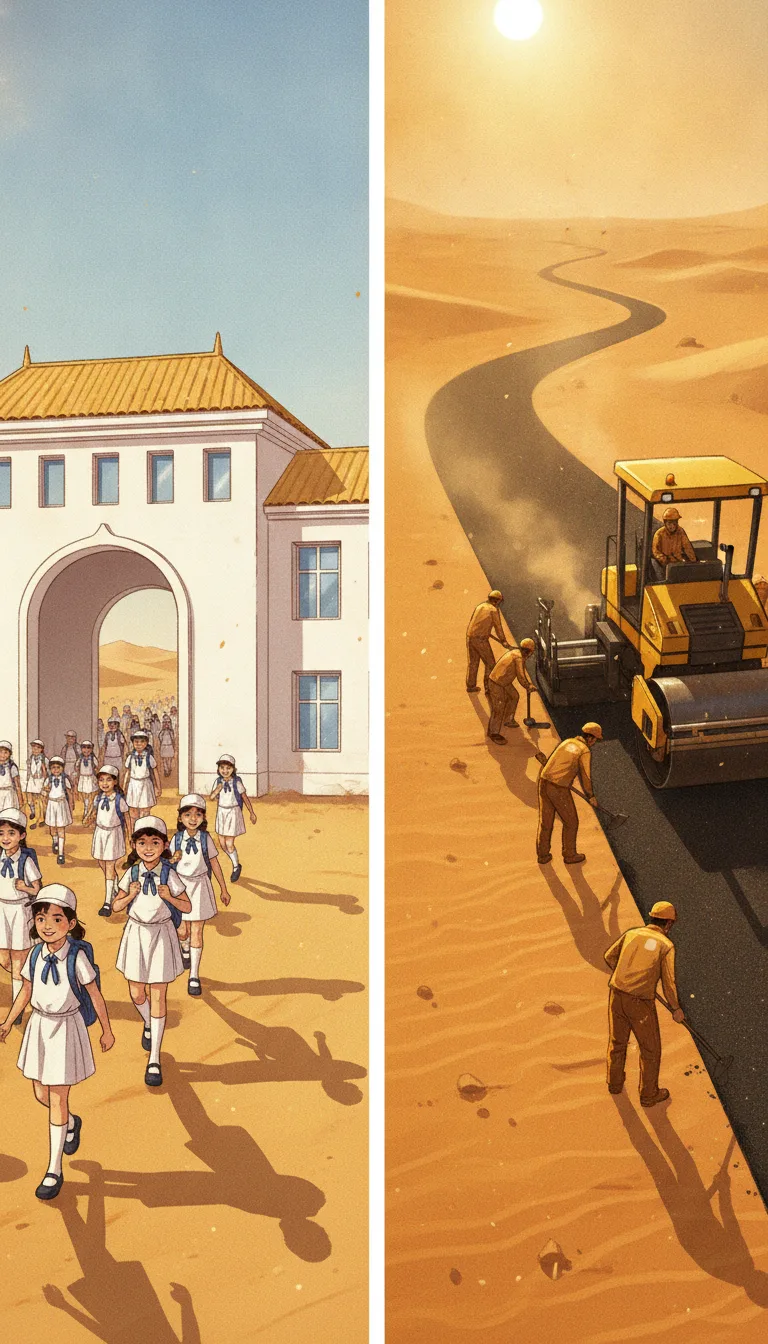
The scale of what Qaboos inherited is difficult to overstate. A population of perhaps 750,000 people had access to virtually no modern public services. The new Sultan immediately declared an end to the old restrictions and began spending oil revenues on the infrastructure his father had withheld. Roads, schools, and hospitals were constructed at a pace that stunned outside observers.
But the more urgent crisis was Dhofar. The Popular Front for the Liberation of Oman, backed by South Yemen and the Soviet Union, had controlled much of the southern province. Qaboos combined military pressure — assisted by British Special Air Service (SAS) forces and Iranian troops — with a political strategy that offered amnesty and development to fighters who surrendered. By 1976, the insurgency was effectively over. It was a counterinsurgency approach that strategists still study today.
Why This Moment Still Matters
Qaboos ruled Oman for fifty years, until his death in January 2020. During that time, Oman built a reputation for quiet diplomacy that punched well above its weight — serving as a backchannel between enemies who could not speak publicly, including the United States and Iran during the negotiations that preceded the 2015 nuclear deal.
What makes 1970 worth understanding is not simply the drama of a son overthrowing his father. It is the rare historical case where a single change in leadership produced a transformation that was both rapid and — by most measures — genuinely beneficial to ordinary people. Oman's story is a reminder of how much a government's choices, for better or worse, shape the daily texture of millions of lives.