Five Centuries Before the Fight
When Portuguese explorers first reached the coast of West Africa in the 1440s, they found a region of extraordinary complexity — dozens of ethnic groups, ancient trade networks, and sophisticated societies that had governed themselves for centuries. Portugal claimed the territory, built fortified trading posts, and turned the region into a hub for the Atlantic slave trade. Tens of thousands of people were taken from this land and shipped across the ocean.
By the nineteenth century, formal colonial administration replaced the trading post model. Portugal drew lines on maps, imposed taxes, and demanded forced labor. The people of Guinea-Bissau were not citizens — they were subjects, exploited for the benefit of a small European nation itself struggling economically. Literacy was deliberately kept low. Political organization was suppressed. By the mid-twentieth century, when other African nations were gaining independence through negotiation, Portugal — then ruled by António Salazar's authoritarian Estado Novo regime — refused to let go of any corner of its empire.
The Man Who Changed Everything
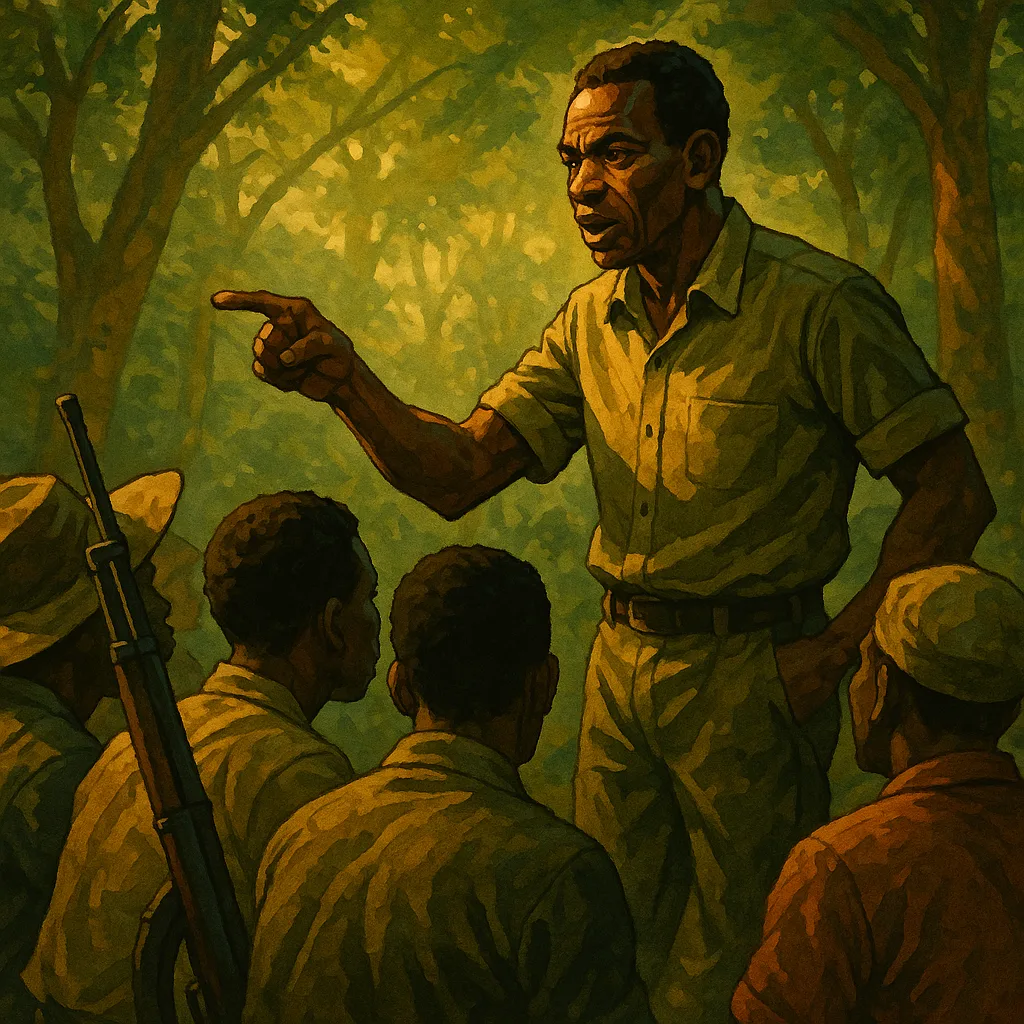
Amílcar Cabral was not a soldier by training. He was an agronomist — a scientist who studied soil and crops. Born in 1924 to a Cape Verdean father and a Guinean mother, he received an education that Portugal intended to create compliant colonial administrators. Instead, it created one of the twentieth century's most original revolutionary thinkers.
While studying in Lisbon, Cabral connected with other African students from Portuguese colonies — many of whom would later lead their own independence movements. He returned home, conducted agricultural surveys across Guinea-Bissau, and used that work to understand the land and its people intimately. He listened. He documented. He built relationships across ethnic communities that colonial administrators had deliberately kept divided.
In 1956, Cabral co-founded the PAIGC — the African Party for the Independence of Guinea and Cape Verde. For years, they tried peaceful organizing. Portugal responded with massacres. The Pidjiguiti dock massacre of 1959, where Portuguese forces killed striking workers, convinced Cabral that armed struggle was the only path forward.
A War Portugal Could Not Win
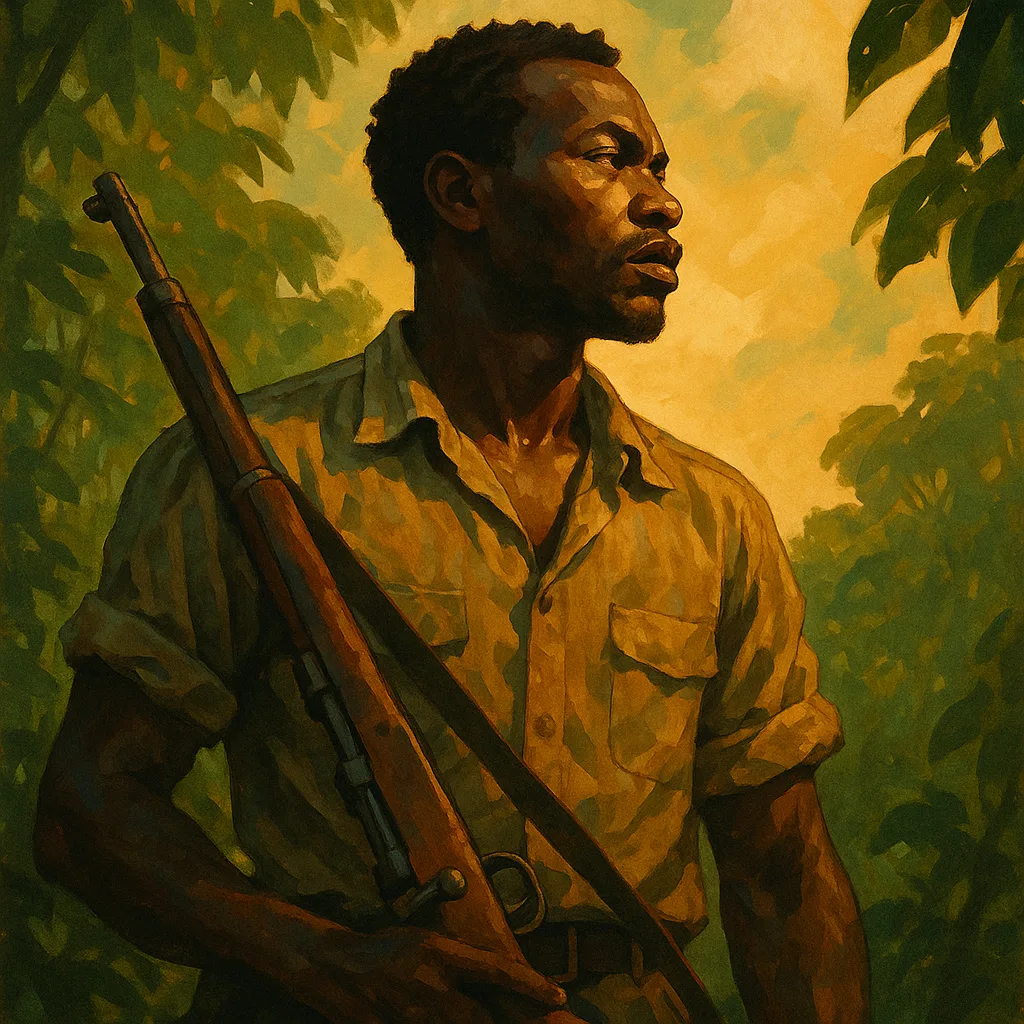
The armed campaign began in 1963, and from the start, Cabral's strategy was unconventional. Rather than seeking dramatic battlefield victories, the PAIGC focused on winning the population. In liberated zones — territory they controlled in the south and east — they built schools, clinics, and local governance structures. Children received education in their own languages. Women were included in political life in ways unprecedented for the region. The guerrillas were not just fighting Portugal; they were building a new society while the war was still ongoing.
Portugal poured resources into the conflict. At its peak, roughly 30,000 Portuguese troops were deployed across Guinea-Bissau — an enormous commitment for a country of only nine million people. The financial and psychological toll was crushing. Young Portuguese men were dying in African jungles for a cause that felt increasingly senseless. The same pattern was playing out in Mozambique and Angola simultaneously. The colonial wars were bleeding Portugal dry.
Cabral was assassinated in January 1973, in Conakry, Guinea, by a fellow African in what most historians believe was an operation orchestrated with Portuguese intelligence involvement. It was a devastating personal loss. But Cabral had built something that outlasted him. Just months later, in September 1973, the PAIGC unilaterally declared independence — and dozens of countries recognized it immediately.
Revolution Came From an Unexpected Direction
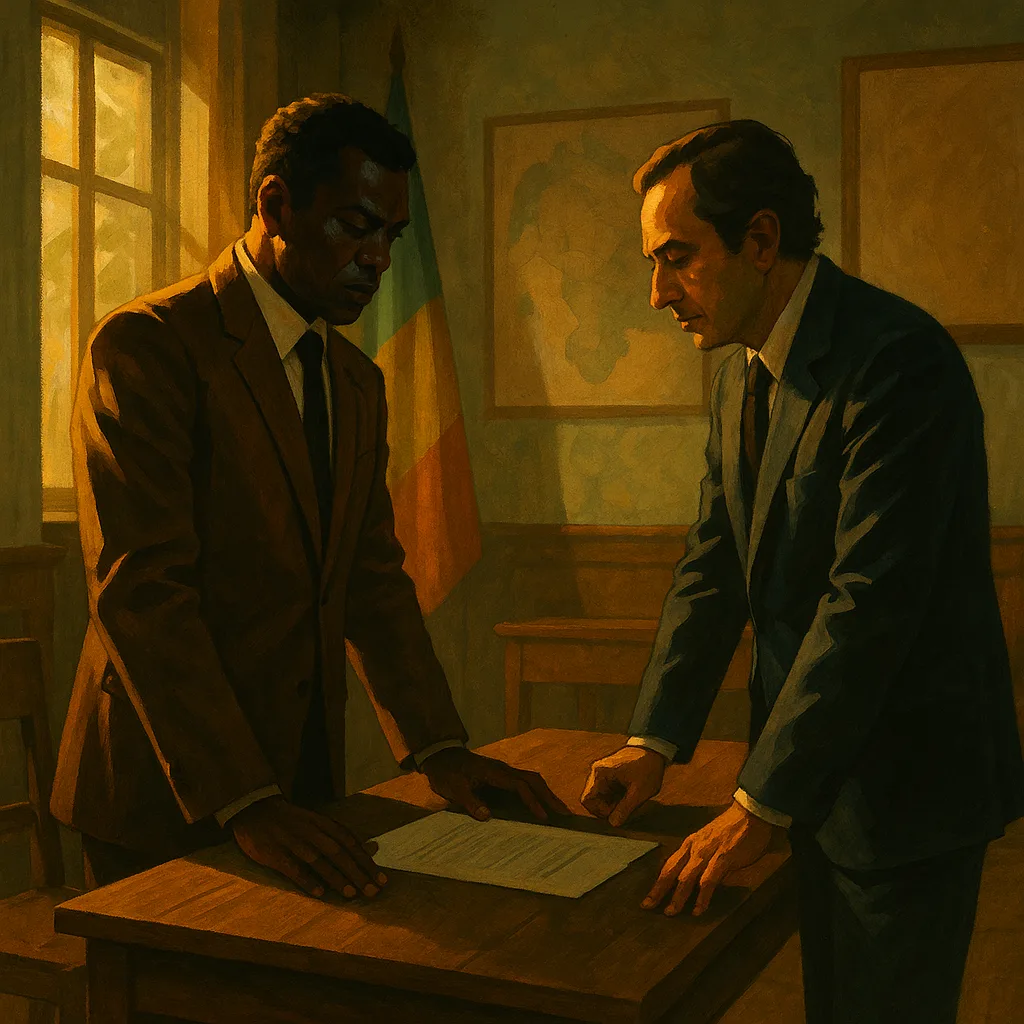
The final blow did not come from the battlefield in Africa. It came from within Portugal itself. In April 1974, junior military officers — many of them exhausted veterans of the colonial wars — overthrew the Salazar-successor regime in a nearly bloodless coup. The Carnation Revolution, named for the flowers that soldiers placed in their rifle barrels, ended nearly five decades of dictatorship. The new government had no desire to continue unwinnable wars across three continents.
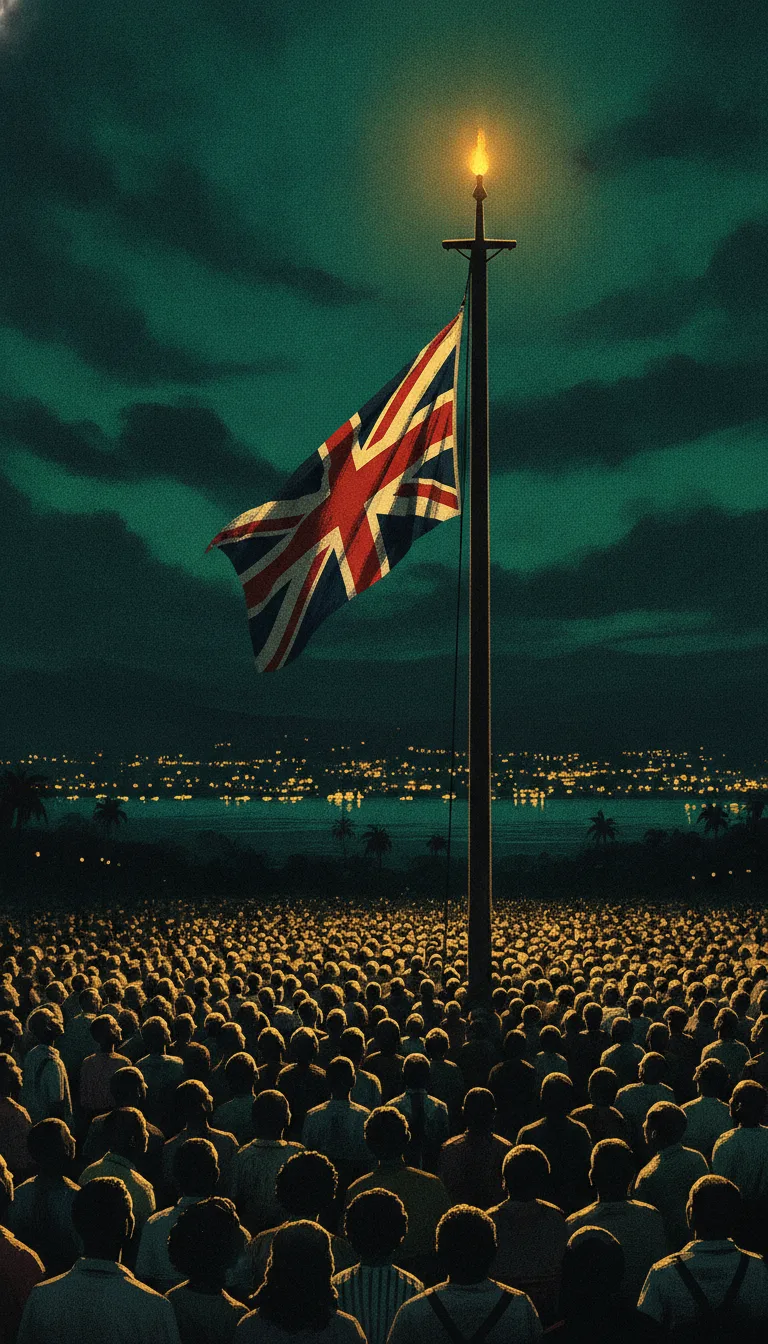
On September 10, 1974, Portugal formally recognized Guinea-Bissau's independence — making it one of the last African nations to achieve it, but achieving it nonetheless.
Why This Story Still Matters
Guinea-Bissau remains one of the world's poorest countries, shaped by decades of political instability after independence. The story does not have a simple happy ending. But what Cabral and the PAIGC accomplished deserves to be understood on its own terms. A tiny, deliberately underdeveloped nation, with no conventional military assets, defeated a European colonial power through organization, discipline, and a clear political vision. Cabral proved that ideas — properly rooted in the lives of real people — can be more powerful than tanks.