A City Built for Fire
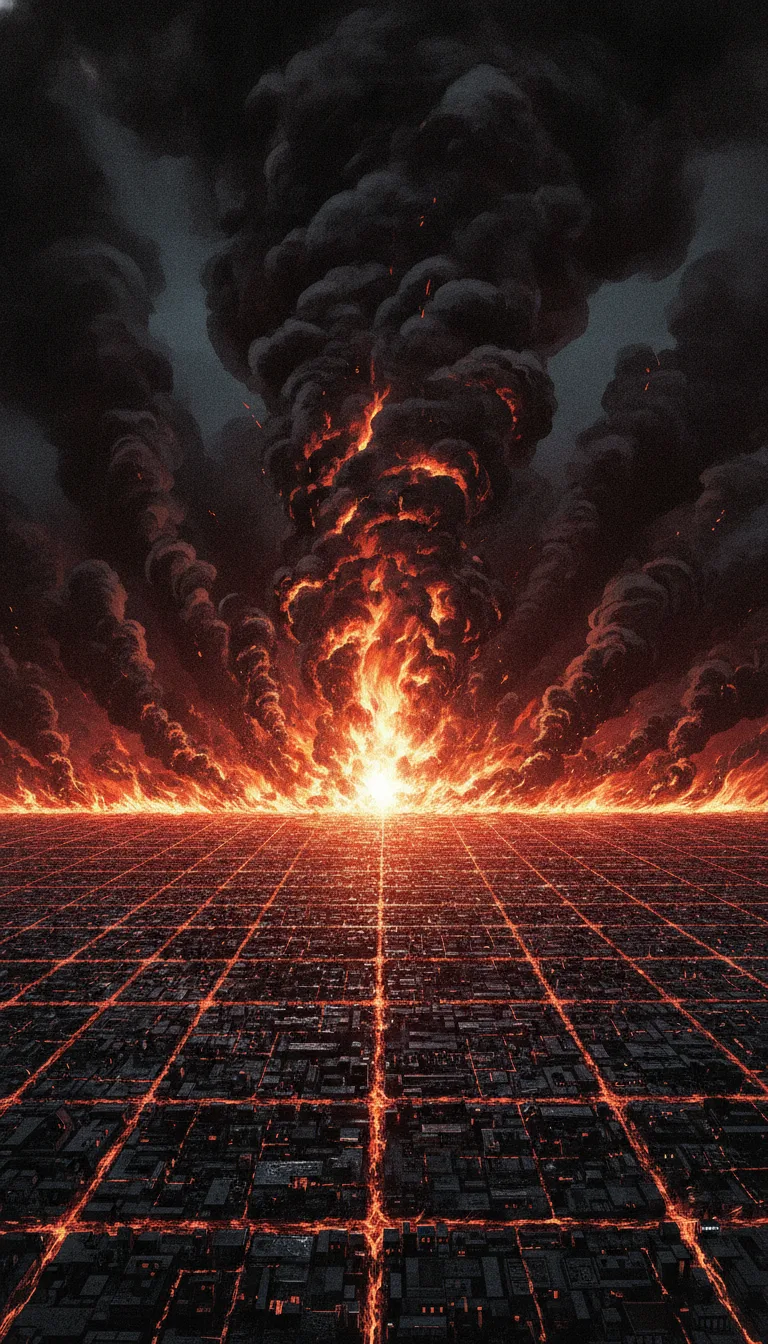
Hamburg in 1943 was not just any target. It was Germany's largest port, its commercial heart, and a critical hub for U-boat production and war supplies. For RAF Bomber Command, it represented the perfect combination of strategic value and physical vulnerability. The city's dense, centuries-old residential districts — timber-framed buildings packed tightly together — were essentially waiting for a spark.
British planners had actually been preparing for this specific attack for months. They even gave the operation a deliberately biblical name: Gomorrah, the city destroyed by God's fire in the Book of Genesis. The choice of name was not accidental. This was not going to be a precise military strike. It was going to be destruction on a scale that sent a message.
The Technology That Changed Everything
Operation Gomorrah began on the night of July 24, 1943, and ran across multiple raids over ten days. But it was the raid on the night of July 27th into the 28th that produced something no one had fully predicted — or perhaps had quietly hoped for.
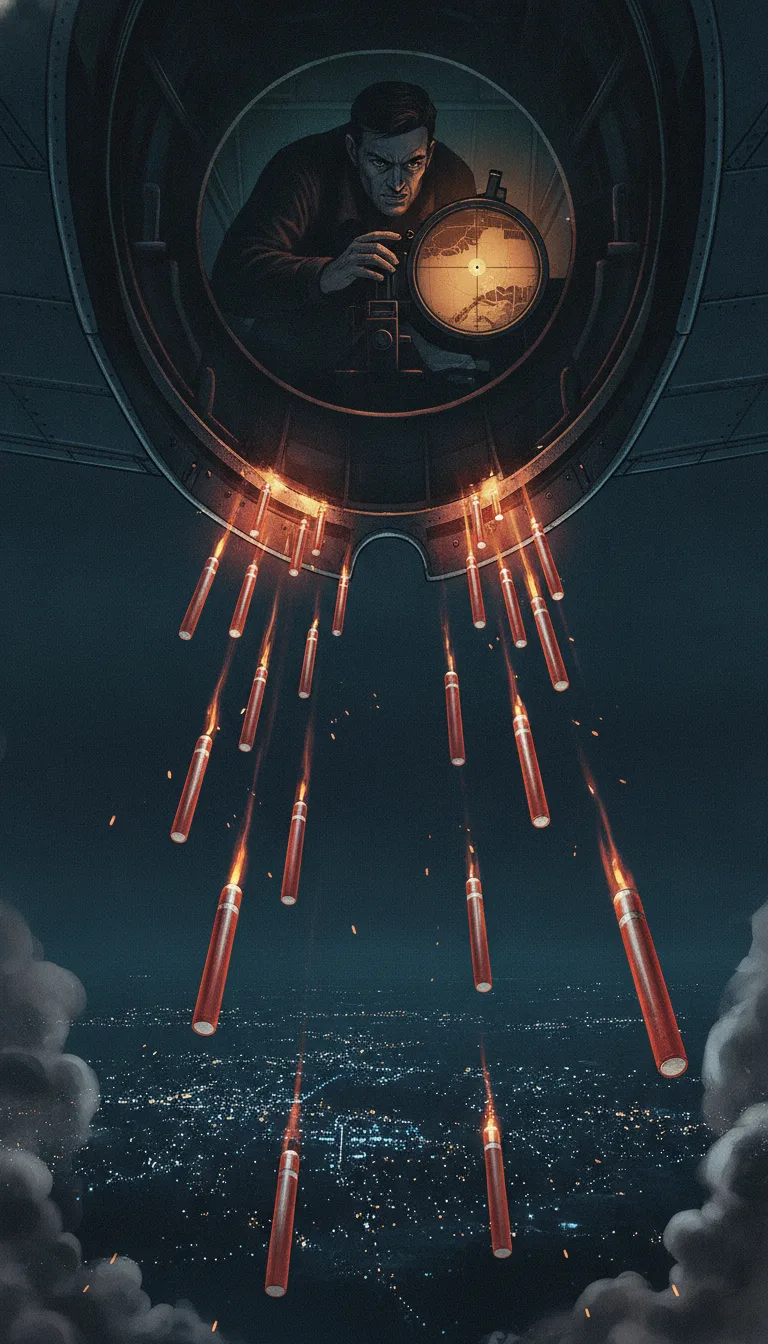
For the first time on a large scale, British bombers deployed Window: strips of aluminum foil dropped in clouds to confuse German radar. Hamburg's anti-aircraft defenses were blinded. The night fighters couldn't find their targets. Around 800 Lancaster and Halifax bombers crossed the North Sea almost unopposed and dropped their loads with unusual concentration directly over the city's working-class eastern districts — Hammerbrook, Rothenburgsort, Borgfelde.
The bombers carried a deliberate mix: high-explosive bombs to blow open buildings and shatter water mains, followed by hundreds of thousands of small incendiary sticks to ignite everything exposed. It was a calculated recipe for fire.
When Fire Becomes Its Own Weather
What happened next surprised even experienced RAF planners. The thousands of individual fires burning across a two-square-mile area generated so much heat that the air above the city became superheated and rose violently upward. Cooler air rushed inward from the surrounding areas to replace it — accelerating, gathering speed, feeding the flames with fresh oxygen.
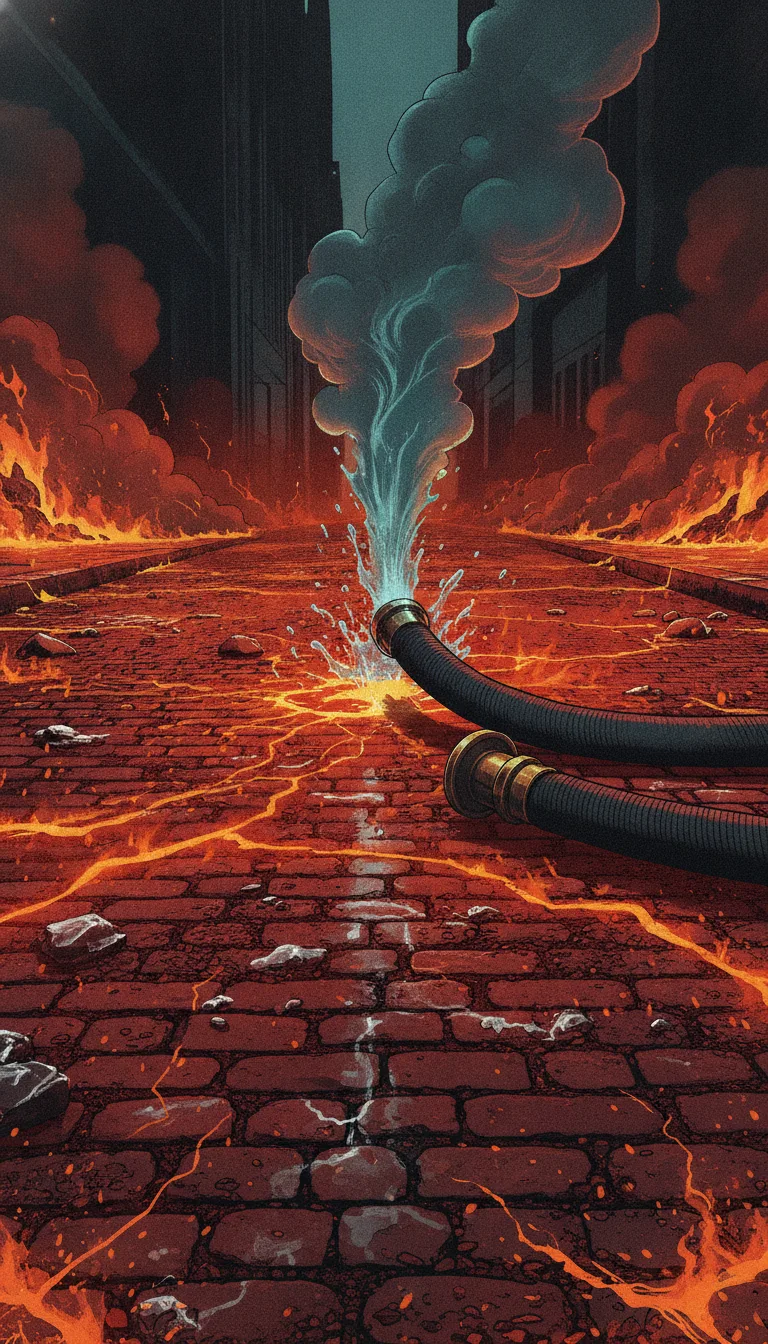
This created a firestorm: a self-sustaining weather event driven by fire itself. Witnesses described hurricane-force winds strong enough to uproot trees and drag people off their feet. Air raid shelters, which had protected residents during earlier raids, became death traps. The oxygen was literally consumed from outside. People who survived the initial fires suffocated underground. Others who fled into the open were pulled into the flames by the inward-rushing winds.
The temperatures at ground level in the worst-affected areas reached somewhere between 800 and 1,000 degrees Celsius. Streets became rivers of burning asphalt. The firestorm burned intensely for roughly three hours, though Hamburg continued to smolder for days afterward.
The Human Cost
Around 42,000 people died in that single night — the majority civilians: women, children, elderly residents, and foreign workers forced to labor in the city's factories. Approximately one million survivors fled Hamburg in the days that followed, overwhelming roads and railway lines across northern Germany. The mass evacuation of a major German city mid-war was deeply destabilizing, both practically and psychologically.
Nazi propaganda minister Joseph Goebbels privately described the situation as catastrophic. Albert Speer, Hitler's armaments minister, later wrote in his memoirs that he had genuinely feared Germany could not continue the war if six more cities suffered Hamburg's fate. He presented this warning to Hitler directly. It was one of the first moments a senior Nazi official admitted, at least in private, that the war might be lost.
Why Hamburg Matters
The Hamburg firestorm sits at a difficult intersection of military history and ethics — one that historians and philosophers still debate. RAF Bomber Command's area bombing strategy was a deliberate choice to target civilian morale and industrial production simultaneously. Hamburg was its most devastating expression.
The raids did not immediately end the war. Germany's war production, reorganized and dispersed after Hamburg, actually increased in some areas through 1944. But the psychological and material damage to German civilian life was real and lasting.
Hamburg forces us to hold two truths at once: it was a rational military decision made by a democracy fighting genuine evil, and it killed tens of thousands of civilians in a single night. Both things are true. That tension — not the fire itself — is what history keeps returning to.